中文

Monel K500 Superalloy Precision Forging Valve Parts Company

目录
Introduction
Core Technology of Monel K500 Forged Valve Components
Material Properties of Forged Monel K500 Valve Parts
Case Study: Monel K500 Forged Valve Components for Subsea Gas Injection System
Project Background
Typical Applications of Forged Monel K500 Valve Parts
Manufacturing Workflow
Results and Validation
FAQs

Introduction

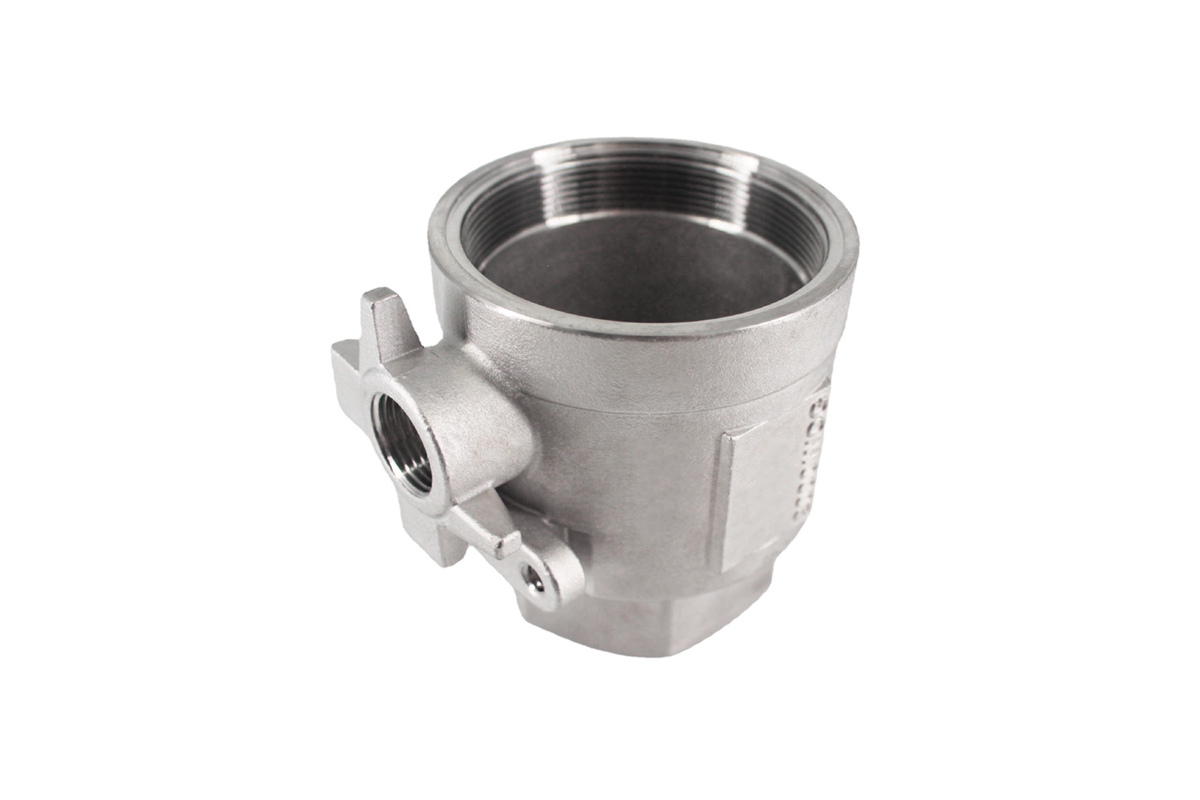
Monel K500 precision forging is a trusted method for producing high-strength, corrosion-resistant valve parts used in aggressive fluid and gas environments. At Neway AeroTech, we manufacture forged Monel K500 stems, seats, discs, and bonnets for oil and gas, chemical processing, and marine service where chloride-induced corrosion and high pressures demand premium alloys and close dimensional tolerances.

Monel K500 combines the corrosion resistance of Monel 400 with enhanced strength and hardness through precipitation hardening. Precision forging further improves fatigue life, dimensional control, and structural integrity for long-life valve components in harsh field conditions.

monel-k500-superalloy-precision-forging-valve-parts-company

Core Technology of Monel K500 Forged Valve Components

  1. Billet Selection and Preheating: Monel K500 billets are homogenized and preheated to 980–1100°C before forging to improve ductility and grain uniformity.

  2. Closed-Die Precision Forging: Hydraulic presses forge stems, seats, and discs into near-net shapes, aligning grain structure with functional load paths.

  3. Grain Structure Refinement: Forging refines grains to ASTM 9–12 and eliminates casting porosity, improving both strength and resistance to crack propagation.

  4. Heat Treatment: Solution annealing and aging at 1090°C and 480–620°C induce γ′ precipitation (Ni₃(Al,Ti)), significantly increasing hardness and tensile strength.

  5. CNC Machining: Final dimensions are machined to ±0.02 mm accuracy on multi-axis CNC platforms, including threaded ends, seal faces, and bore finishes.

  6. Surface Treatment and Finishing: Polishing and optional passivation are applied for smooth flow surfaces, reduced galling, and extended wear life.

  7. Dimensional and Structural Validation: Final parts undergo CMM inspection and NDT for conformance to API, NACE, and ASTM specifications.

Material Properties of Forged Monel K500 Valve Parts

Property

Value

Ultimate Tensile Strength

960–1100 MPa

Yield Strength

≥690 MPa (aged condition)

Hardness

28–35 HRC

Corrosion Resistance

Excellent in seawater, acids, alkalis

Operating Temperature

Up to 550°C

Machinability

Moderate (work-hardening alloy)

Density

8.44 g/cm³

Case Study: Monel K500 Forged Valve Components for Subsea Gas Injection System

Project Background

An offshore oil and gas operator required high-performance valve components for a subsea gas injection system operating under 350 bar pressure in a chloride-rich environment. Monel K500 was selected due to its resistance to stress corrosion cracking and hydrogen embrittlement, as well as its superior mechanical properties after aging.

Typical Applications of Forged Monel K500 Valve Parts

  • Subsea Valve Stems: Forged stems provide excellent strength and galling resistance for high-pressure actuated valves in seawater environments.

  • Seat Rings and Discs: Monel K500 components ensure long wear life and leak-tight performance under erosive gas and slurry conditions.

  • Bonnet Covers and Glands: Forged housings resist corrosion fatigue and sealing deformation at elevated temperatures.

  • Check and Control Valve Internals: Forged and machined internals offer low distortion and high reliability in pulsating service or high-cycling operations.

Manufacturing Workflow

  1. Raw Material Certification: Monel K500 ingots and bar stock are procured with full chemical and mechanical certification per ASTM B865.

  2. Precision Forging: Blanks are closed-die forged into near-net geometries at 1050–1100°C to maximize grain alignment and reduce machining.

  3. Heat Treatment (Age Hardening): Forgings are solution annealed and aged per AMS 4676 to achieve final mechanical properties.

  4. CNC Machining: Threads, bores, and sealing surfaces are finished to ±0.02 mm and Ra ≤ 1.6 µm.

  5. Surface Conditioning: Lapping or honing of sealing areas ensures tight shutoff and low wear in valve service.

  6. Inspection and Testing: All forged parts are X-ray tested for subsurface flaws, and dimensions are validated with CMM inspection.

Results and Validation

  1. Mechanical Strength: Tensile strength exceeded 1000 MPa; hardness reached 33 HRC after aging, exceeding project requirements.

  2. Dimensional Accuracy: Valve stems and seats machined to ±0.02 mm, ensuring drop-in compatibility with existing valve body designs.

  3. Corrosion Resistance: Salt spray and acid immersion tests confirmed no pitting or degradation after 1000 hours of exposure.

  4. Non-Destructive Testing: 100% of parts passed ultrasonic and radiographic NDT with no inclusions or defects.

  5. Thread Integrity and Fit: Gauging and thread rolling validated conformance to API and NPT thread form standards with zero galling during assembly.

FAQs

  1. Why is Monel K500 preferred over Monel 400 for forged valve parts?

  2. Can Monel K500 forged components meet NACE MR0175/ISO 15156 for sour gas service?

  3. What post-forging heat treatments are used to enhance Monel K500 properties?

  4. How does forging improve the corrosion fatigue life of valve stems and seats?

  5. Can Neway AeroTech manufacture custom Monel K500 valve internals for non-standard applications?