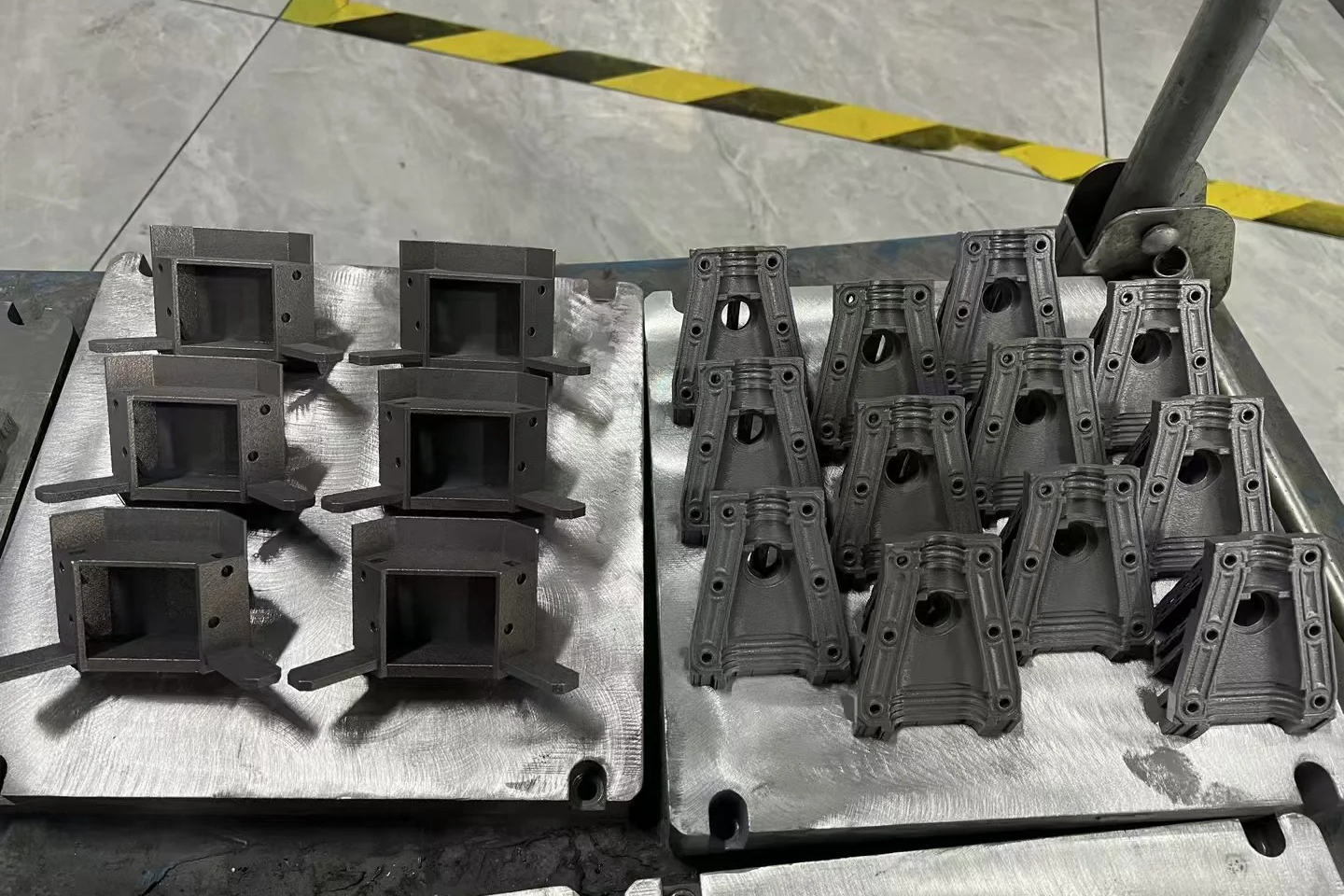
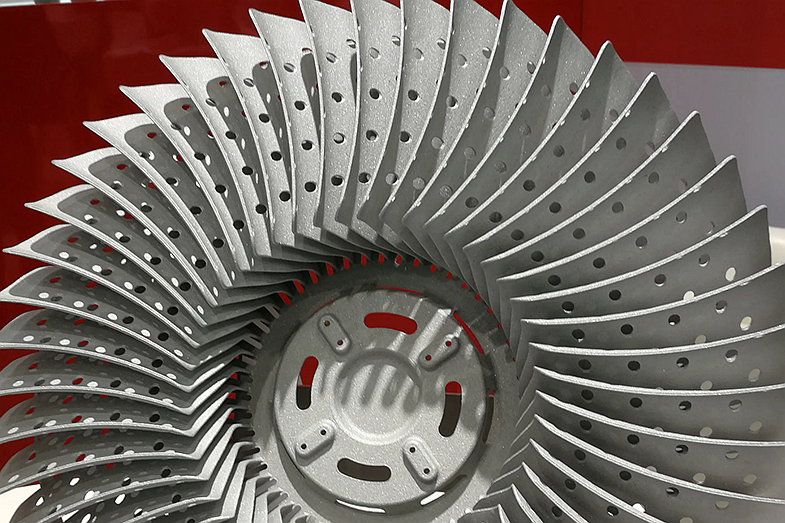
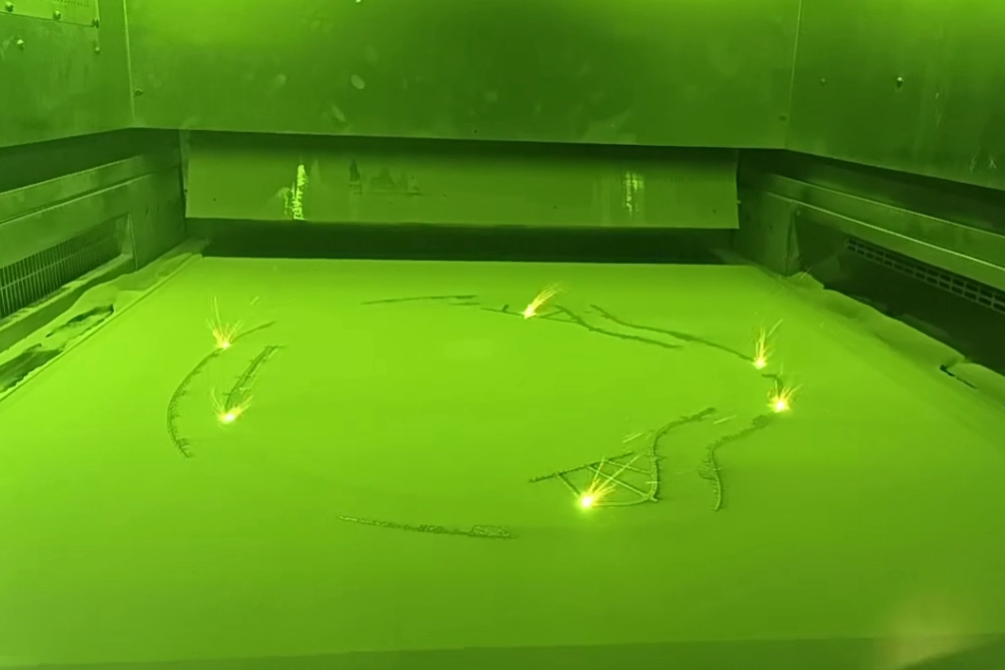
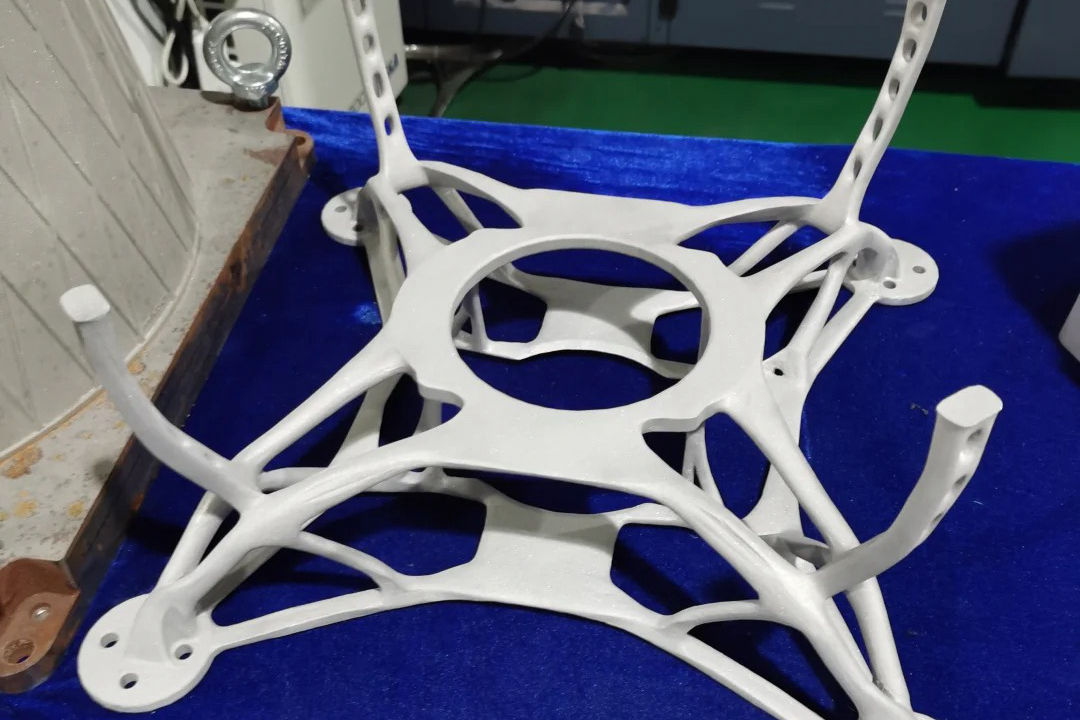
17-4 PH is a precipitation-hardening martensitic stainless steel known for its outstanding combination of high strength, hardness, corrosion resistance, and excellent mechanical stability. In metal additive manufacturing, 17-4 PH has become one of the most widely used stainless steels due to its predictable performance, heat-treatability, and reliable microstructural consistency. Through Neway AeroTech’s high-precision 17-4 PH 3D printing, this alloy achieves near-full density with strong resistance to fatigue, wear, and stress corrosion cracking. Its low distortion during printing and post-heat treatment makes it ideal for aerospace fixtures, medical tools, high-strength mechanical components, precision gears, and structural hardware requiring long-term, stable performance. The alloy’s versatility and cost-efficiency further enhance its role in industrial additive manufacturing.

Region | Common Name | Representative Grades |
|---|---|---|
USA | 17-4 PH Stainless Steel | UNS S17400 |
Europe | X5CrNiCuNb16-4 | 1.4542 |
Japan | SUS630 | JIS G4303 |
China | 0Cr17Ni4Cu4Nb | GB 07Cr17Ni4Cu4Nb |
Industry | Precipitation-Hardening Stainless Steel | 17-4, 15-5 |
When corrosion resistance is prioritized, austenitic stainless steels such as 316L provide superior resistance in marine and chemical environments. For higher toughness and dimensional stability, 15-5PH offers improved ductility with similar precipitation-hardening behavior. When extreme hardness or wear resistance is required, tool steel is a better choice. When high-temperature capability is needed, nickel-based alloys such as Inconel 625 deliver superior oxidation and heat resistance. For low-weight applications, titanium alloys such as Ti-6Al-4V offer high specific strength with excellent corrosion resistance.
17-4 PH was originally engineered to deliver high strength and corrosion resistance while retaining excellent dimensional stability after heat treatment. Its combination of chromium, nickel, copper, and niobium enables precipitation hardening through aging treatments, creating a strong, wear-resistant microstructure. In additive manufacturing, the design intention expands to achieving high-density stainless steel components with tight tolerances, improved fatigue strength, and stable structural integrity. This makes 17-4 PH ideal for load-bearing, safety-critical, and complex-geometry applications where mechanical reliability cannot be compromised.
Element | Composition (%) |
|---|---|
Iron (Fe) | Balance |
Chromium (Cr) | 15–17.5 |
Nickel (Ni) | 3–5 |
Copper (Cu) | 3–5 |
Niobium + Tantalum (Nb+Ta) | 0.15–0.45 |
Manganese (Mn) | ≤ 1 |
Silicon (Si) | ≤ 1 |
Carbon (C) | ≤ 0.07 |
Phosphorus (P) | ≤ 0.04 |
Sulfur (S) | ≤ 0.03 |
Property | Value |
|---|---|
Density | ~7.75 g/cm³ |
Melting Point | 1400–1450°C |
Thermal Conductivity | ~18 W/m·K |
Electrical Resistivity | ~0.8 μΩ·m |
Specific Heat | ~500 J/kg·K |
Property | Typical Value |
|---|---|
Tensile Strength | ~1310 MPa |
Yield Strength | ~1170 MPa |
Elongation | 6–12% |
Hardness | 40–47 HRC |
Fatigue Strength | High under cyclic loading |
High tensile and yield strength ideal for load-bearing and structural components
Excellent corrosion resistance suitable for marine, industrial, and chemical environments
Strong fatigue performance for repetitive-load mechanisms
Good wear resistance and hardness after precipitation hardening
Low distortion during printing and post-processing
Consistent, fine microstructure achievable through heat treatment
Stable mechanical properties across a wide temperature range
Good machinability after printing and aging treatment
Strong resistance to stress corrosion cracking
Excellent dimensional accuracy for precision tools and aerospace fixtures
Additive manufacturing: Powder bed fusion delivers precise, high-strength components via Neway’s 17-4 PH 3D printing.
CNC machining: Supports final finishing and tight tolerances through superalloy CNC machining.
EDM: Suitable for shaping intricate features using superalloy EDM.
Deep hole drilling: Performs well under precision deep hole drilling conditions.
Heat treatment: Aging treatments improve strength through superalloy heat treatment.
Welding: Weldable under controlled parameters using superalloy welding.
Casting: Stainless shapes may align with stainless steel casting.
Precipitation hardening for high strength and hardness
Hot Isostatic Pressing (HIP) via HIP processing to improve density and fatigue life
Precision machining for tolerance-critical aerospace and medical tools
Polishing, grinding, or surface finishing for improved corrosion resistance
Passivation or chemical treatment for enhanced surface durability
Shot peening to improve fatigue and surface strength
Dimensional inspection and material testing for quality assurance
EDM finishing for deep internal channels or fine details
Aerospace structural hardware, brackets, and mounting systems
Precision gears, shafts, and mechanical assemblies
Medical surgical instruments and sterile-environment tools
Industrial equipment components requiring strength and corrosion resistance
Automotive drivetrain elements and specialty performance parts
Marine environment equipment and corrosion-resistant fixtures
When high strength and corrosion resistance must be combined in one alloy
When printed parts require heat treatment to reach target mechanical properties
When tight tolerances and low distortion after aging are critical
When components must withstand cyclic loading or fatigue-intensive applications
When cost-effective high-performance stainless steel is preferred
When structural reliability is required under varying temperatures
When corrosion resistance is needed without the cost of nickel superalloys
When producing precision components for aerospace, medical, or industrial use