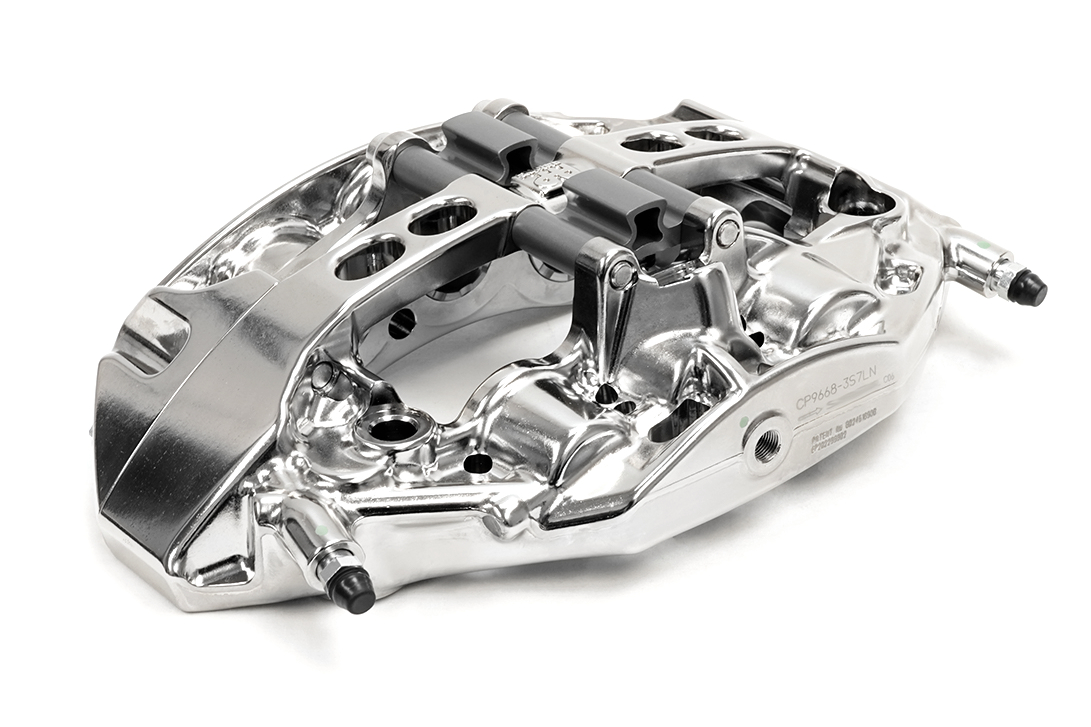
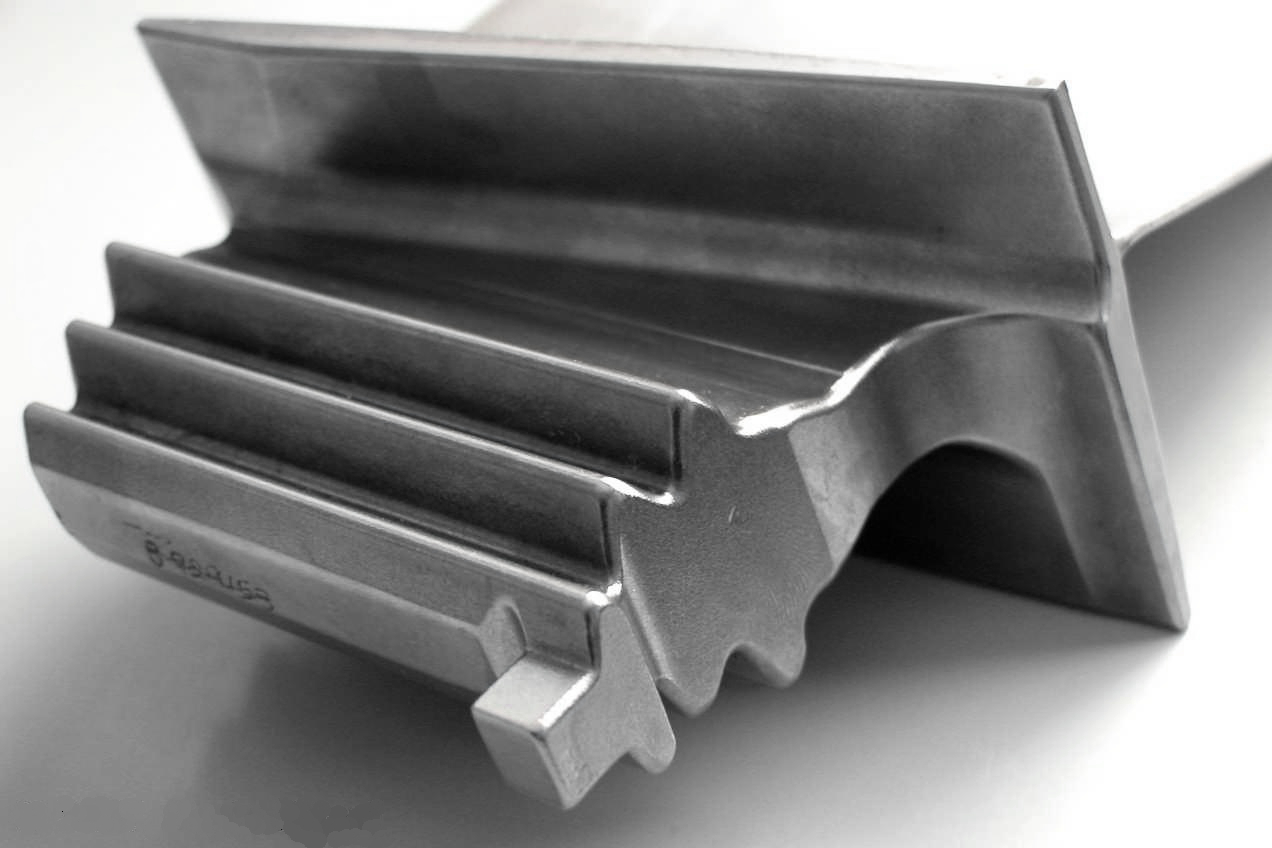
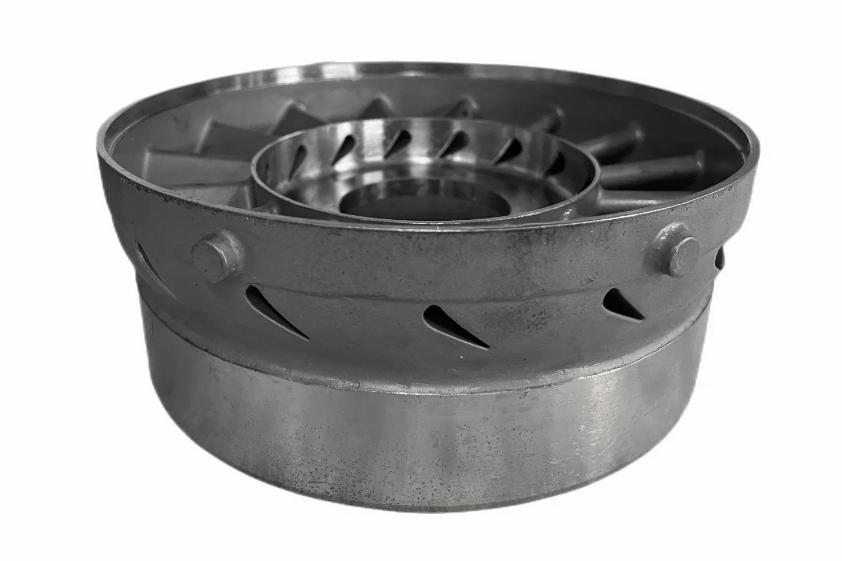
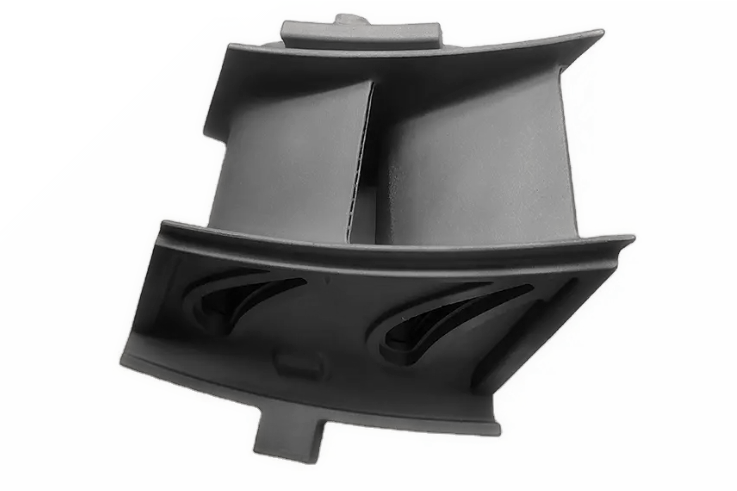
Nickel-chromium alloys are a core family of high-temperature materials designed to deliver reliable strength, oxidation resistance, and structural stability in demanding thermal environments. With a nickel-rich matrix alloyed with chromium, iron, and optional elements such as molybdenum, niobium, titanium, and aluminum, these alloys provide an excellent balance between creep resistance, toughness, and corrosion performance. In equiaxed form, they are particularly suitable for complex cast components produced via nickel-chromium equiaxed crystal casting, where isotropic mechanical properties and controlled grain size are critical. Leveraging Neway AeroTech’s integrated superalloy parts manufacturing platform, nickel-chromium alloys can be cast into intricate turbine, combustor, and structural components with tight dimensional tolerances, optimized feeding systems, and rigorous quality control—supporting long-term reliability in aerospace, power generation, and high-temperature process industries.

When application requirements extend beyond the performance envelope of standard nickel-chromium alloys, Neway AeroTech offers multiple high-performance alternatives. For extreme wear, erosion, and metal-to-metal contact at elevated temperatures, cobalt-based equiaxed alloys provide superior hot hardness and galling resistance. In ultra-high-temperature turbine blades or directional components, advanced casting superalloys and single-crystal systems can deliver enhanced creep strength and fatigue life. For aggressive chemical or acid environments, corrosion-resistant Hastelloy alloys or Monel alloys may be preferred. In applications where both high strength and oxidation resistance are needed with tailored chemistries, dedicated Inconel alloys are widely selected. For less severe temperatures where cost efficiency is a primary concern, high-strength casting steels can be an economical alternative.
Country/Region | Equivalent / Comparable Grade | Specific Commercial Brands | Notes |
International (UNS) | N06600 / N06601 / N08810 | UNS-based Ni–Cr and Ni–Cr–Fe heat-resistant alloys | Representative UNS designations for high-temperature Ni–Cr alloys. |
USA (ASTM/ASME) | Alloys 600 / 601 / 800H / 800HT | ASTM B163/B167 Alloy 600, 601; Alloy 800H/800HT | Widely used for furnace, petrochemical, and power generation components. |
Europe (EN) | NiCr15Fe / NiCr23Fe | EN NiCr alloys for pipes, fittings, and cast parts | European designations for Ni–Cr–Fe heat-resisting alloys. |
Germany (DIN) | DIN 2.4816 / 2.4851 | NiCr15Fe (Inconel 600-type), NiCr23Fe (Inconel 601-type) | Common German designations corresponding to Ni–Cr–Fe systems. |
China (GB/T) | GH series Ni–Cr alloys | GH3044, GH3030 and related high-temperature Ni–Cr grades | Chinese heat-resistant Ni–Cr alloys aligned with international Ni–Cr systems. |
Japan (JIS) | NCFA / Ni–Cr–Fe alloys | JIS NCF 600, NCF 601 families | Used for furnace fixtures, petrochemical equipment, and turbine parts. |
ISO | Ni–Cr–Fe heat-resistant alloys | ISO-standard Ni–Cr cast and wrought high-temperature alloys | Defines chemical and mechanical requirements across global supply chains. |
Neway AeroTech Material Families | Nickel–chromium equiaxed alloys | Optimized for equiaxed casting, this material balances strength, castability, and oxidation resistance. |
Nickel-chromium alloys for equiaxed crystal casting are engineered to bridge the gap between cost-effective casting steels and ultra-high-end superalloys, delivering robust mechanical properties and oxidation resistance over a broad temperature range. Their design intent is to provide stable performance under sustained high temperature, moderate creep loads, and repeated thermal cycling, while maintaining excellent resistance to carburization, sulfidation, and general high-temperature corrosion. Chromium additions form a continuous protective oxide layer, and carefully controlled levels of aluminum, titanium, niobium, and carbon promote strengthening through the formation of carbides and intermetallic phases. In equiaxed form, these alloys exhibit isotropic behavior, making them ideal for static and moderately stressed components where directionally solidified or single-crystal materials are not mandatory. Through Neway AeroTech’s equiaxed crystal casting platform, nickel-chromium alloys are tailored to provide consistent casting quality, high integrity, and long service life in harsh operating conditions.
Element | Nickel (Ni) | Chromium (Cr) | Iron (Fe) | Molybdenum (Mo) | Nb/Ti/Al | Carbon (C) | Others |
Composition (%) | Balance (~35–70) | 15–25 | 0–45 (grade dependent) | 0–10 | 0–6 (combined) | 0.02–0.15 | Si, Mn, Cu, etc. each typically <2.0; impurities tightly controlled |
Property | Density | Melting Range | Thermal Conductivity | Electrical Conductivity | Thermal Expansion |
Value | ~7.9–8.3 g/cm³ | ~1350–1420°C | ~10–20 W/m·K | ~2–5% IACS | ~14–17 µm/m·°C (20–800°C) |
Property | Tensile Strength (Room Temp.) | Yield Strength (Room Temp.) | Elongation | Hardness | High-Temperature Strength |
Value | ~600–850 MPa | ~300–550 MPa | ~15–40% | ~180–260 HB (grade dependent) | Maintains useful strength to ~800–900°C with good creep resistance |
Excellent oxidation resistance, owing to chromium-rich oxide films, makes it suitable for long-term exposure to hot air and flue gases.
Good creep and stress-rupture performance for intermediate to high-temperature service in turbine and furnace components.
Stable microstructure under thermal cycling, reducing risk of thermal fatigue cracking and distortion.
Broad corrosion resistance in many chemical processing and oil and gas environments containing sulfur, carbon, or mildly oxidizing media.
Reliable castability through nickel-chromium equiaxed casting, supporting thin walls, integrated ribs, and complex internal geometries.
Excellent weldability and repairability are achieved when combined with superalloy welding procedures and compatible filler metals.
Compatible with advanced heat treatment schedules to optimize strength–ductility balance and residual stress distribution.
Potential for porosity reduction and improved fatigue performance via hot isostatic pressing on critical equiaxed castings.
Excellent surface finish capability after precision machining, grinding, and polishing, enabling tight sealing surfaces and precise fits.
Well-characterized material behavior with extensive industrial experience, simplifying design, qualification, and lifecycle assessment.
Equiaxed crystal casting: Primary process for nickel-chromium alloys; supports complex static parts, rings, vanes, and structural segments.
Vacuum investment casting: Recommended for thin-wall or intricate components requiring low-inclusion content and superior surface quality.
Special alloy casting: Enables customized Ni–Cr compositions for specific service conditions and geometries.
Hot Isostatic Pressing (HIP): Applied to critical turbine and pressure components to close internal porosity and improve fatigue resistance.
Heat treatment: Solution and aging cycles refine precipitates, adjust hardness, and control residual stress in equiaxed castings.
Superalloy CNC machining: Used to achieve tight tolerances and fine surface finishes; requires optimized cutting data and rigid fixturing.
Electrical Discharge Machining (EDM): Suitable for narrow slots, cooling passages, and complex internal features that are difficult to machine conventionally.
Superalloy deep hole drilling: Enables long, accurate bores and cooling channels in turbine and heat recovery components.
Material testing and analysis: This includes metallography, mechanical testing, and chemical analysis to ensure compliance with aerospace and power industry standards.
Post-process finishing may include precision grinding, shot peening, and lapping to meet demanding fatigue and sealing requirements.
Thermal Barrier Coating (TBC): Applied to hot-gas-path Ni–Cr components to lower metal temperature and extend service life.
Diffusion aluminide or MCrAlY overlays: Provide additional oxidation and hot-corrosion protection under severe combustion conditions.
Shot peening: Introduces compressive surface stresses to enhance fatigue resistance, particularly in rotating or cyclically loaded parts.
Grinding and polishing: Achieve low roughness (e.g., Ra ≤ 0.4–0.8 µm) for sealing surfaces and precision interfaces.
Passivation and cleaning treatments: Enhance corrosion resistance in specific energy and process fluid environments.
Coating inspection and bond testing, supported by material testing and analysis, ensure consistent coating integrity and adhesion.
Power generation: Turbine casings, transition pieces, support rings, and heat recovery components exposed to high-temperature gas or steam.
Aerospace and aviation: Combustor hardware, nozzle segments, mounting brackets, and structural parts exposed to elevated temperatures.
Oil and gas: High-temperature furnace and reformer components, flares, and process piping elements.
Chemical processing: Reactor internals, furnace parts, and support structures subjected to carburizing and oxidizing atmospheres.
Nuclear: Components in steam generators, heat exchangers, and auxiliary systems with demanding temperature and corrosion requirements.
Marine and mining: Furnace and burner parts for ore processing and metallurgical equipment.
Industrial furnace and heat-treatment equipment: Trays, fixtures, jigs, and supports operating under repeated thermal cycling.
General high-temperature structures in energy and process plants where stable performance and long life are required.
High-temperature oxidation environments: Ideal when components are continuously exposed to oxidizing gases at temperatures of 600–900 °C.
Moderate creep loads: Suitable where long-term dimensional stability and creep resistance are required without the cost of single-crystal alloys.
Thermal cycling service: Recommended for furnace and turbine parts subjected to repeated heating and cooling cycles.
Balanced cost–performance: Attractive when standard steels are insufficient, but extreme superalloys are not economically justified.
Isotropic properties needed: Equiaxed microstructure is preferred for components with multi-directional loading paths.
Complex cast geometries: A strong choice when nickel-chromium equiaxed casting enables near-net-shape designs and reduced machining.
Corrosive process atmospheres: Effective where oxidation, carburization, and sulfidation occur simultaneously in high-temperature process streams.
Long lifecycle focus: Preferred in critical power and process equipment where downtime and replacement costs are significant.