Como a prototipagem rápida auxilia no desenvolvimento de acessórios para sistemas de transporte?
Introdução
A prototipagem rápida desempenha um papel fundamental na engenharia moderna de sistemas de transporte, particularmente no projeto e teste de componentes como suportes, carcaças, roletes, acoplamentos e suportes de sensores. Ao aproveitar as tecnologias de manufatura aditiva, os engenheiros podem acelerar a validação de conceitos, reduzir riscos de produção e garantir que cada acessório atenda aos requisitos mecânicos e ergonômicos antes do início da produção em massa.
Tecnologias de Prototipagem Rápida para Acessórios de Transporte
Os acessórios modernos para transportadores são desenvolvidos utilizando diversos métodos de prototipagem, dependendo das necessidades de desempenho e durabilidade:
Serviço de Impressão 3D – Oferece Flexibilidade Inigualável para Validação Geométrica.
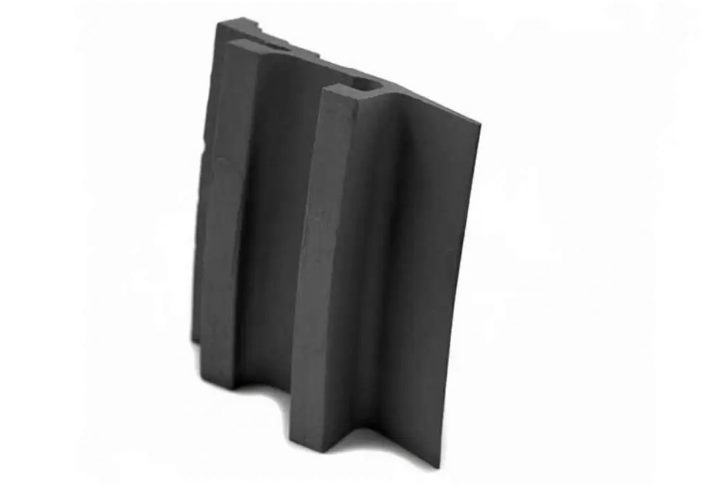
Impressão 3D em Aço Inoxidável – permite a fabricação de suportes e acopladores resistentes ao desgaste.
Impressão 3D em Alumínio – Ideal para Componentes Estruturais Leves.
Impressão 3D em Plástico – comumente usada para carcaças, tampas e trilhos guia.
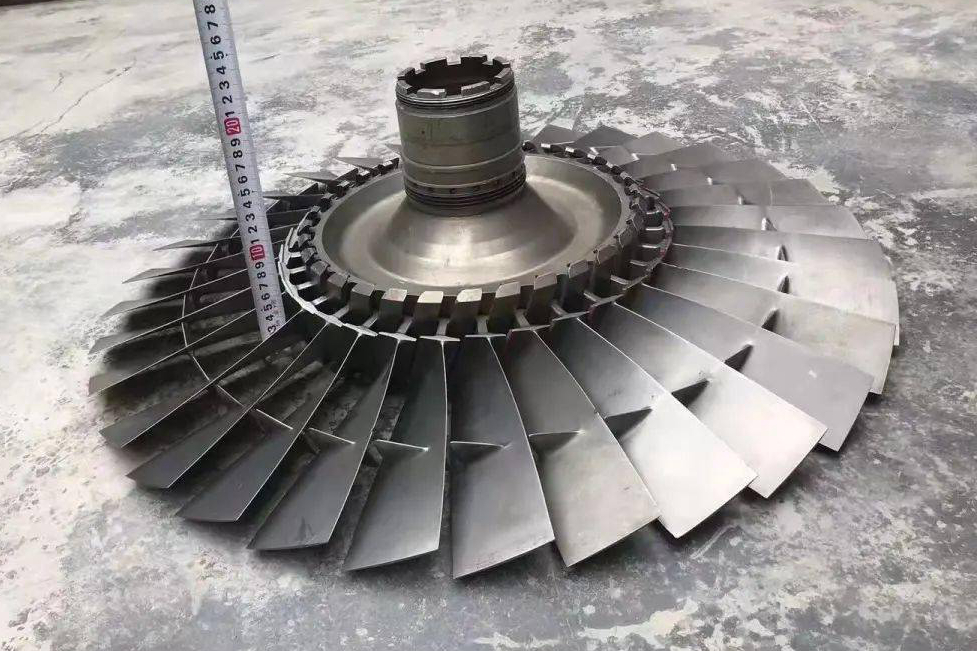
Impressão 3D em Superliga – adequada para aplicações de transportadores de alta carga e alta temperatura em indústrias pesadas.
Essas tecnologias encurtam os ciclos de desenvolvimento, permitindo múltiplas iterações de projeto em dias, em vez de semanas.
Benefícios da Prototipagem Rápida no Desenvolvimento de Componentes para Transportadores
A prototipagem aprimora cada fase do fluxo de trabalho de engenharia:
Validação de projeto: Protótipos impressos em 3D permitem o teste direto do ajuste e tolerância do componente antes de investir em Fundição por Cera Perdida a Vácuo ou usinagem em massa.
Otimização de desempenho: Usando materiais funcionais como Inconel 718 ou Ti-6Al-4V (TC4), os engenheiros podem simular tensões operacionais do mundo real em ambientes de teste.
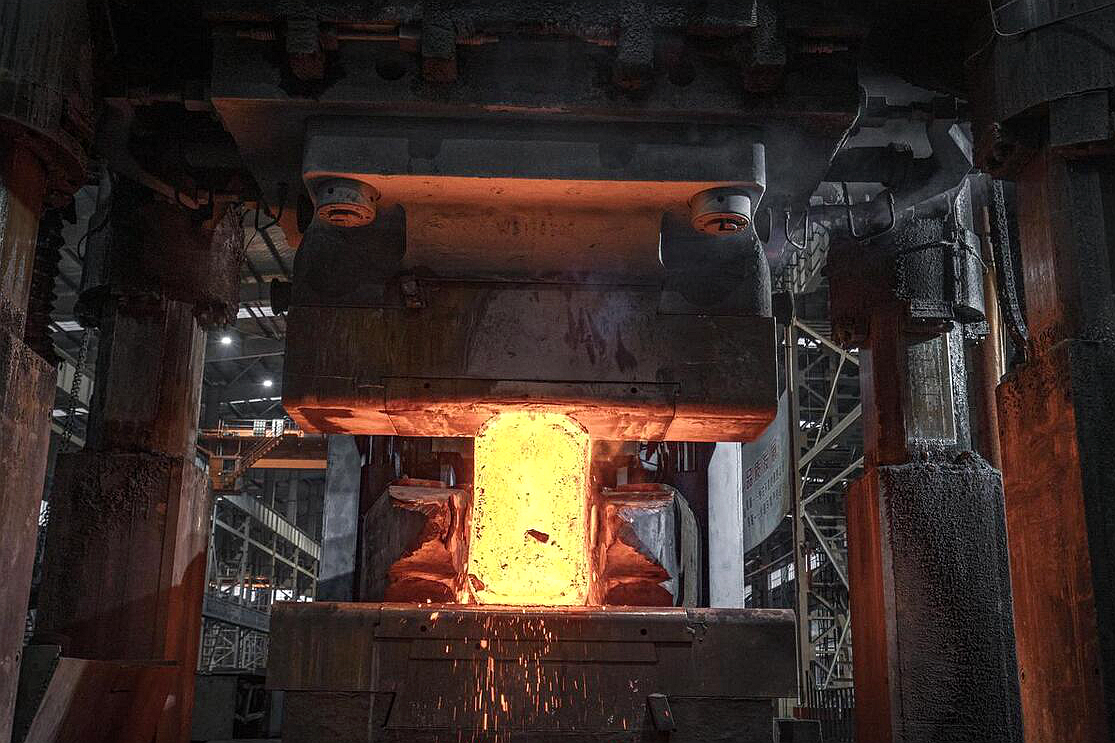
Eficiência de custos: Os protótipos previnem erros de projeto que poderiam levar a retrabalhos caros em Forjamento de Precisão de Superliga ou Fundição por Cera Perdida de Aço Especial.
Teste funcional: Conjuntos de protótipos passam por Teste e Análise de Materiais para avaliar resistência, desgaste e estabilidade dimensional.
Vantagens de Acabamento e Pós-Processamento
Etapas de pós-processamento, como tratamento térmico e Prensagem Isostática a Quente (HIP), refinam ainda mais os protótipos em peças prontas para produção. Esses processos aumentam a densidade, removem porosidade residual e simulam o desempenho mecânico de grau de produção.
Materiais para Protótipos de Acessórios de Transporte
Selecionar o material certo é crucial para equilibrar resistência, custo e fabricabilidade:
AlSi10Mg para estruturas leves de alta resistência.
Aço Inoxidável 316L é ideal para ambientes resistentes à corrosão, como processamento de alimentos.
Hastelloy C-22 para resistência química em linhas industriais severas.
Policarbonato (PC) para carcaças protetoras transparentes.
Nylon (Poliamida) para peças de desgaste flexíveis e elementos guia.
Aplicações na Indústria
A prototipagem rápida beneficia múltiplos setores que implantam sistemas de transporte:
Automotivo – desenvolvimento rápido de dispositivos e guias para linhas de montagem.
Farmacêutico e Alimentício – componentes plásticos higiênicos e transportadores modulares.
Mineração – componentes metálicos robustos validados sob condições abrasivas.
Conclusão
A prototipagem rápida revoluciona o desenvolvimento de acessórios para transportadores, reduzindo prazos de entrega, melhorando a precisão dos testes e permitindo projetos personalizados em diversas indústrias. A integração de métodos avançados de impressão 3D e pós-processamento garante protótipos funcionais que transitam perfeitamente para a manufatura de alto volume.