
Soluções de Forjamento de Liga Hastelloy para Componentes de Turbofan de Alto Desempenho
Introdução
As ligas Hastelloy, conhecidas por sua excepcional resistência à corrosão e estabilidade térmica, são ideais para a fabricação de componentes críticos de motores turbofan em ambientes aeroespaciais severos. Através do avançado forjamento de precisão de superliga, a Neway AeroTech garante propriedades mecânicas otimizadas, atingindo tolerâncias dimensionais de ±0,1 mm e desempenho à fadiga aprimorado, excedendo os padrões aeroespaciais.
Aproveitando técnicas especializadas de forjamento isotérmico em temperaturas precisas (950-1200°C) e taxas de deformação controladas, a Neway entrega componentes em Hastelloy com microestruturas homogêneas, resistências à tração excepcionais (>900 MPa) e vida útil prolongada para aplicações modernas em turbofans.
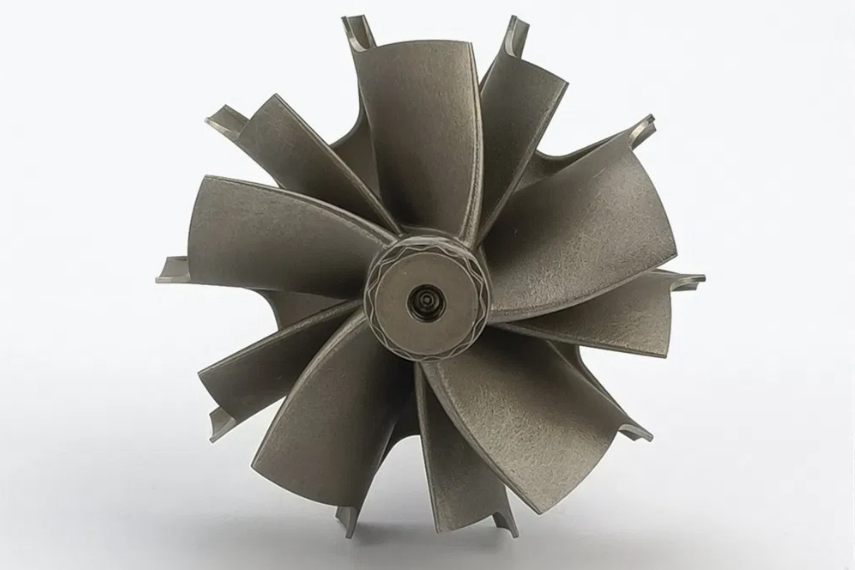
Principais Desafios de Fabricação de Componentes de Turbofan em Liga Hastelloy
A produção de componentes de turbofan a partir de ligas Hastelloy, como Hastelloy X, Hastelloy C-276 e Hastelloy C-22, envolve a superação de vários desafios técnicos:
A alta resistência à deformação em temperatura elevada requer equipamentos de forjamento especializados.
Exigências rigorosas de precisão dimensional (±0,1 mm) e acabamento superficial (Ra ≤3,2 µm).
Prevenção de defeitos nos contornos de grão através de controle térmico preciso.
Garantia de propriedades metalúrgicas consistentes para resistir à fadiga e à corrosão.
Explicação Detalhada do Processo de Forjamento de Liga Hastelloy
O processo de forjamento da liga Hastelloy inclui:
Preparação do Tarugo: Os tarugos de Hastelloy são submetidos a aquecimento controlado até temperaturas precisas (950-1200°C) para garantir deformabilidade uniforme.
Forjamento Isotérmico: A deformação do material ocorre em um ambiente de matriz com temperatura controlada para manter taxas de deformação uniformes e prevenir defeitos nos contornos de grão.
Resfriamento Controlado: O resfriamento gradual (20-50°C/h) em atmosferas controladas minimiza a tensão residual e aprimora o refinamento dos grãos.
Tratamento Térmico: Tratamentos térmicos pós-forjamento a 1050-1150°C, seguidos de têmpera rápida e envelhecimento, melhoram as propriedades mecânicas e a resistência ao fluência.
Usinagem de Precisão: A usinagem CNC final atinge as tolerâncias críticas para aeroespacial (±0,01 mm), essenciais para a integração e desempenho do motor.
Comparação dos Principais Métodos de Forjamento para Componentes de Turbofan em Hastelloy
Método de Forjamento | Precisão Dimensional | Acabamento Superficial (Ra) | Controle da Estrutura Granular | Propriedades Mecânicas | Eficiência de Custo |
|---|---|---|---|---|---|
Forjamento Isotérmico | ±0,1 mm | ≤3,2 µm | Excelente | Superior | Média |
Forjamento em Matriz de Precisão | ±0,2 mm | ≤6,3 µm | Boa | Boa | Alta |
Forjamento Livre | ±0,5 mm | ≤12,5 µm | Moderada | Moderada | Baixa |
Forjamento por Laminação de Anéis | ±0,3 mm | ≤6,3 µm | Boa | Boa | Média-Alta |
Estratégia de Seleção do Processo de Fabricação
A seleção do processo de forjamento ideal para componentes de turbofan em Hastelloy envolve considerações precisas:
Forjamento Isotérmico: Preferido para componentes que exigem homogeneidade microestrutural superior, precisão dimensional precisa (±0,1 mm) e resistência excepcional à fadiga, como pás de turbina de alta tensão.
Forjamento em Matriz de Precisão: Adequado para geometrias moderadamente complexas que necessitam de propriedades mecânicas consistentes, alta repetibilidade e produção em alto volume com boa relação custo-benefício.
Forjamento Livre: Ideal para conformação preliminar ou componentes de menor volume, onde a usinagem subsequente pode acomodar tolerâncias mais amplas (±0,5 mm).
Forjamento por Laminação de Anéis: Mais adequado para a fabricação de componentes de turbofan com formato de anel sem costura, otimizando a orientação dos grãos e a integridade mecânica.
Matriz de Análise de Materiais
Liga Hastelloy | Temperatura Máx. de Serviço (°C) | Resistência à Tração (MPa) | Limite de Escoamento (MPa) | Resistência ao Fluência | Resistência à Corrosão | Aplicações Típicas |
|---|---|---|---|---|---|---|
900 | 860 | 380 | Excelente | Superior | Pás de turbina, câmaras de combustão | |
850 | 790 | 355 | Boa | Excepcional | Dutos de escape, carcaças da seção quente | |
800 | 690 | 310 | Boa | Excepcional | Carcaças de turbofan, componentes do compressor | |
650 | 760 | 320 | Moderada | Destacada | Seções de turbina de baixa temperatura | |
815 | 750 | 340 | Boa | Superior | Estruturas de alojamento de turbofan resistentes à corrosão | |
760 | 690 | 300 | Moderada | Excepcional | Carcaças do ventilador e do compressor |
Estratégia de Seleção de Material
As estratégias de seleção de material para ligas Hastelloy em componentes de turbofan são:
Hastelloy X: Escolhida para pás de turbina de alta temperatura e câmaras de combustão que exigem resistência excepcional à oxidação e alta resistência à tração (860 MPa) em temperaturas de operação de até 900°C.
Hastelloy C-276: Ideal para dutos de escape e carcaças da seção quente, selecionada por sua resistência excepcional à corrosão em ambientes agressivos, boas propriedades mecânicas (790 MPa de resistência à tração) e estabilidade em temperaturas de até 850°C.
Hastelloy C-22: Preferida para carcaças de turbofan e componentes do compressor que necessitam de resistência excepcional à corrosão e integridade mecânica (690 MPa de resistência à tração) em temperaturas de serviço moderadas (até 800°C).
Hastelloy B-2: Utilizada para seções de turbina de baixa temperatura (até 650°C) que exigem resistência superior à corrosão e resistência à tração (760 MPa), equilibrando durabilidade com eficiência de custo.
Hastelloy C-2000: Selecionada para estruturas de alojamento de turbofan que demandam excelente resistência à corrosão e forte desempenho mecânico (750 MPa de resistência à tração), adequada para serviço até 815°C.
Hastelloy G-30: Recomendada para carcaças do ventilador e do compressor que experimentam temperaturas menos extremas (até 760°C), proporcionando robusta resistência à corrosão e resistência mecânica satisfatória (690 MPa).
Tecnologia-Chave de Pós-Processamento
As etapas críticas de pós-processamento para forjados de turbofan em Hastelloy incluem:
Prensagem Isostática a Quente (HIP): Elimina defeitos internos e porosidade, aumentando a densidade do componente (>99,9%) e a vida útil à fadiga em até 30%.
Revestimento de Barreira Térmica (TBC): Revestimentos cerâmicos (tipicamente com 100-250 µm de espessura) aplicados via pulverização por plasma reduzem significativamente as temperaturas superficiais, estendendo a vida útil da peça.
Usinagem CNC de Precisão: Garante as dimensões de alta precisão (±0,01 mm) necessárias para a montagem precisa do turbofan.
Tratamento Térmico Controlado: Processos especializados de recozimento em solução e envelhecimento otimizam a microestrutura, aprimorando as propriedades mecânicas e a resistência ao fluência.
Aplicação Industrial e Análise de Caso
Estudo de Caso Aeroespacial: Pás de Turbofan em Hastelloy X
A Neway AeroTech entregou com sucesso pás de turbina em Hastelloy X para um grande fabricante de equipamento original (OEM) aeroespacial através de forjamento isotérmico avançado combinado com HIP e TBC, atendendo a critérios operacionais rigorosos:
Temperatura de Operação: Operação contínua até 900°C
Aprimoramento da Vida Útil à Fadiga: Melhorada em aproximadamente 35%
Precisão Dimensional: Mantida dentro de ±0,05 mm
Certificação: Totalmente conforme com o padrão de qualidade aeroespacial AS9100
Perguntas Frequentes (FAQs)
Por que escolher ligas Hastelloy para componentes de motores turbofan?
Quais processos de forjamento otimizam as propriedades das ligas Hastelloy para aplicações aeroespaciais?
Como o forjamento isotérmico aprimora as propriedades mecânicas dos componentes em Hastelloy?
Quais métodos de pós-processamento são recomendados para peças de turbofan em Hastelloy?
Quais tolerâncias dimensionais podem ser alcançadas através do forjamento de precisão de ligas Hastelloy?
