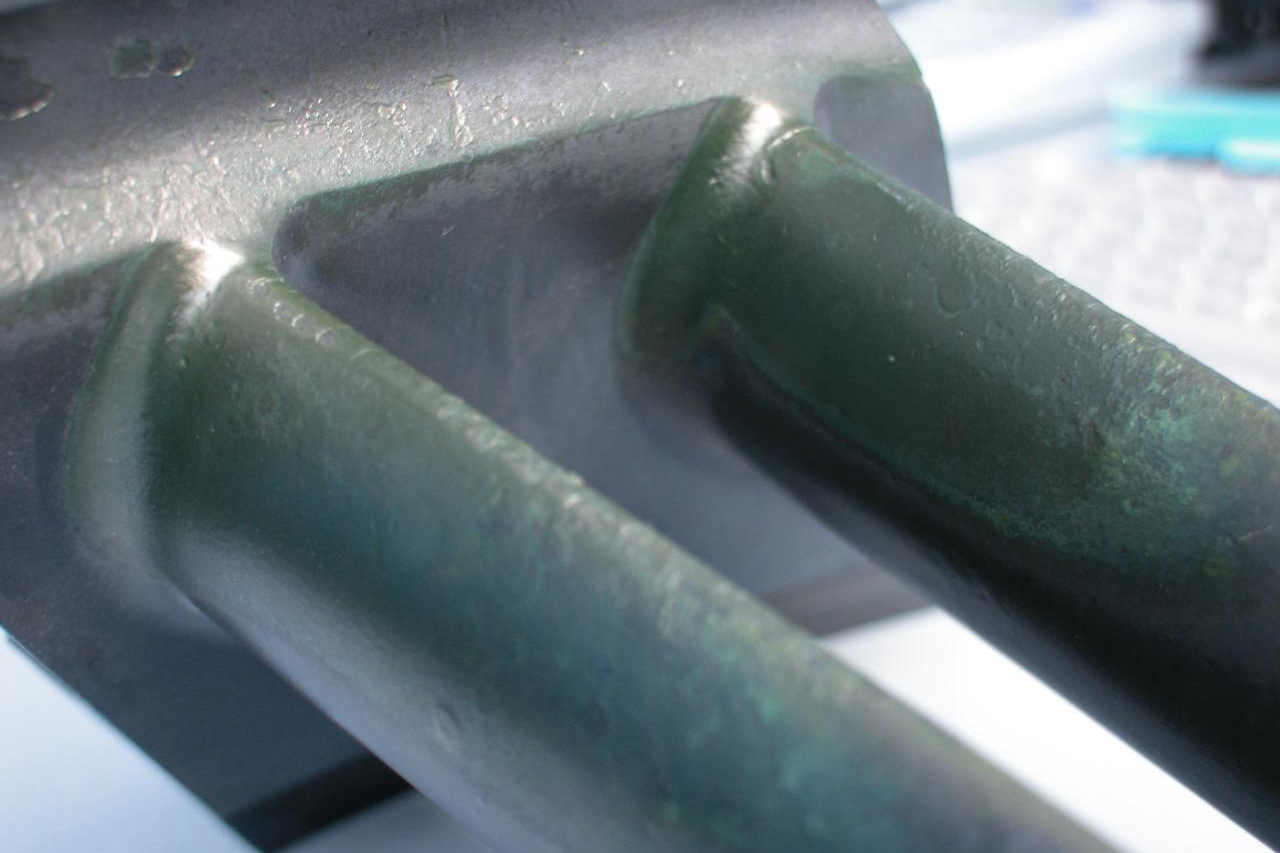
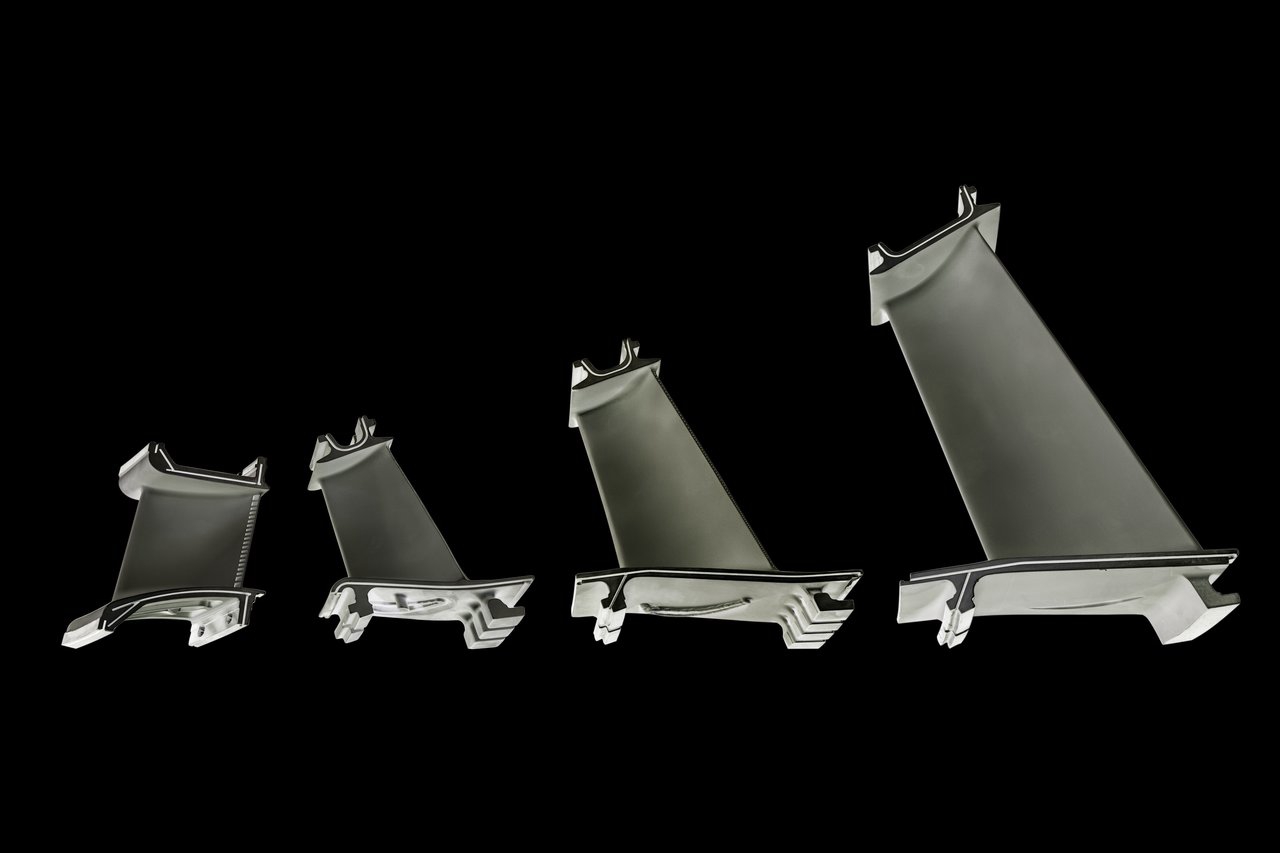
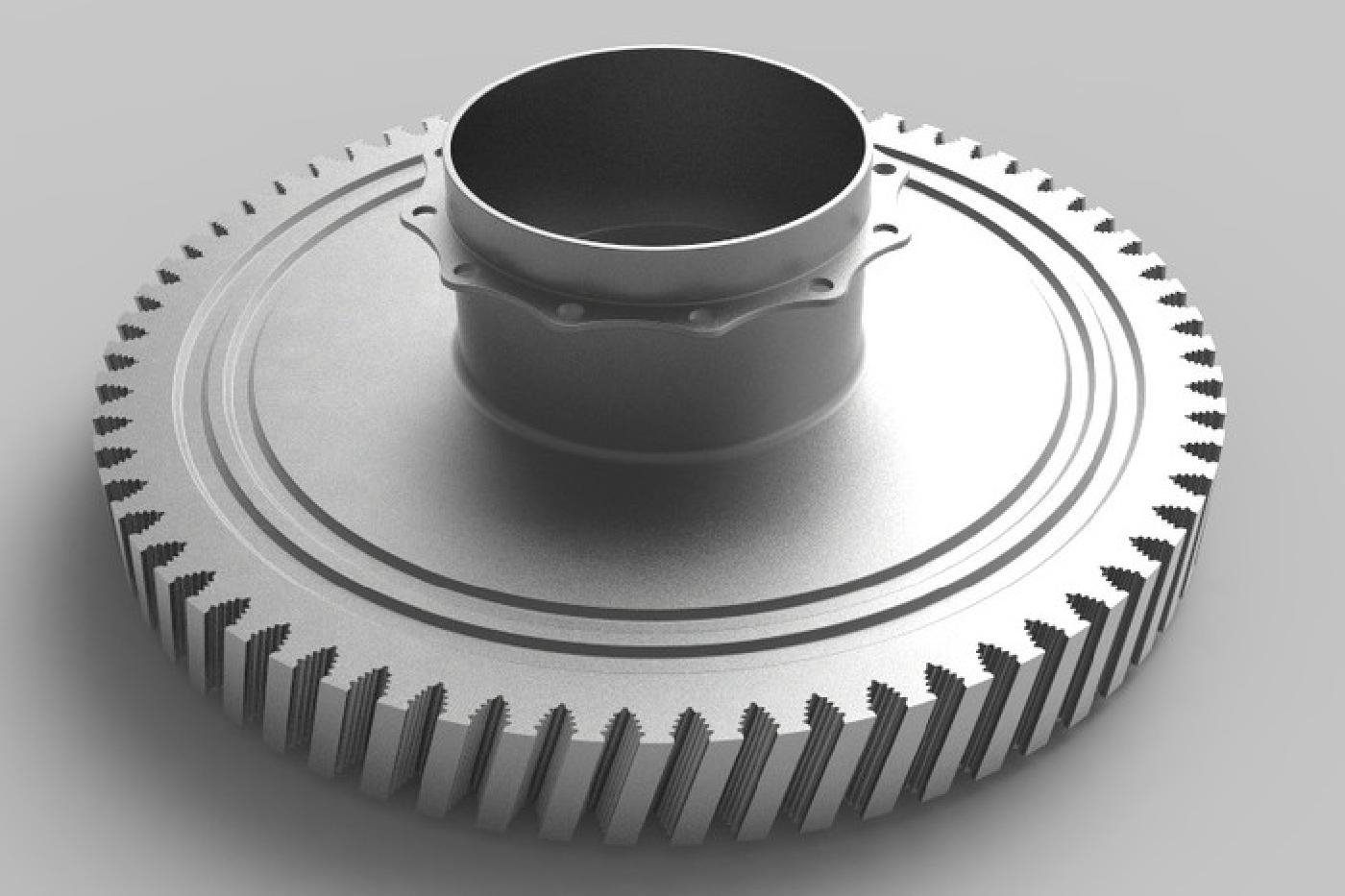
What is Isothermal Forging of High-Temperature Alloys?
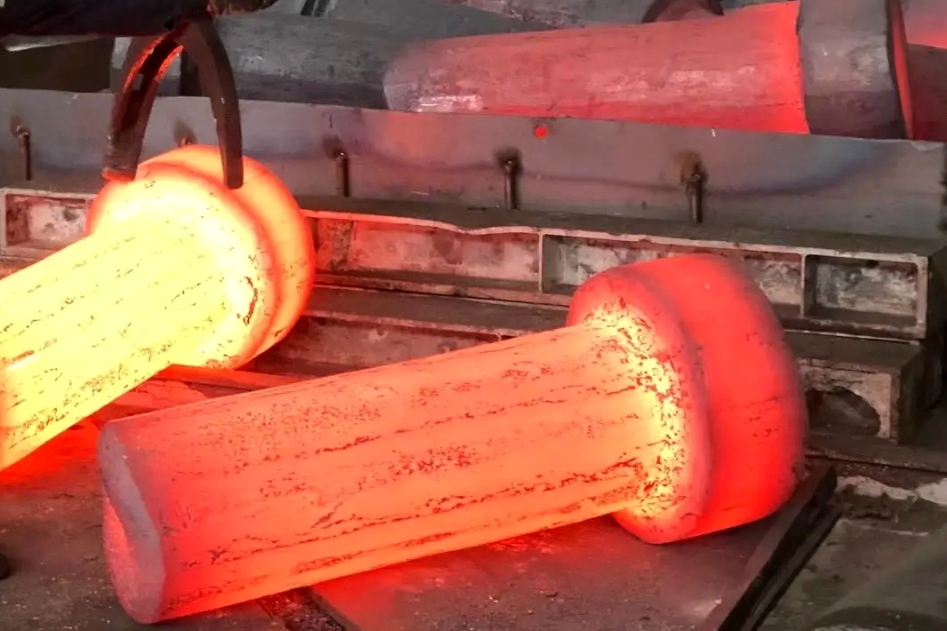
Isothermal forging is a controlled forging route in which the workpiece and tooling are kept at a closely managed elevated temperature during deformation. For high-temperature alloys, that thermal control helps reduce steep temperature gradients while the material flows into a die cavity or near-net blank shape. The method is considered when a superalloy part needs a wrought structure, reduced cracking risk, controlled grain flow, and a geometry that is difficult to make efficiently by conventional forging or full machining from billet.
For buyers, the useful question is not only what isothermal forging is. The RFQ should ask whether the route is technically necessary for the alloy, component geometry, section thickness, inspection requirement, and production quantity. NewayAeroTech can review drawing-based projects for superalloy precision forging, machining, heat treatment, and inspection planning when the part fits custom turbine, aerospace, power generation, or other high-temperature alloy hardware. The review starts with drawings, material requirements, delivery condition, and inspection evidence, not with a generic process label.
Isothermal Forging in One RFQ Answer
In a normal forging operation, the die can be cooler than the workpiece, so the surface of a superalloy blank may lose heat quickly during forming. Isothermal forging reduces that difference by keeping tooling and material close to the selected forming temperature. The goal is to hold the alloy in a workable condition long enough for controlled deformation, especially when the material has high hot strength, a narrow forming window, or sensitivity to cracking when temperature drops unevenly.
The process can be useful for nickel-based, cobalt-based, and titanium alloy parts where the buyer needs a controlled forged microstructure rather than a simple rough shape. It is not a substitute for engineering review. A small bracket, a ring blank, a turbine-disc-related preform, or a hot-section structural fitting can each demand a different die concept, heating method, press cycle, machining stock, and inspection package. The RFQ should state whether the buyer expects a forged blank, a near-net preform, or a fully machined component after forging.
Buyer question | What the supplier must know | Why it affects the quote |
|---|---|---|
Is the route truly isothermal? | Tooling temperature control, blank temperature range, forming speed, and allowable reheating logic. | Separates a controlled isothermal process from general hot forging language. |
What is the delivery condition? | Rough blank, near-net forging, machined forging, or finished part with records. | Determines machining stock, inspection scope, and who owns final dimensions. |
Which alloy condition is required? | Grade, heat-treatment condition, governing specification if used, and substitution limits. | Changes forgeability, heat treatment, material evidence, and machining behavior. |
Which surfaces are critical? | Datums, bores, faces, pads, seal lands, holes, or attachment surfaces. | Guides stock allowance, fixture planning, and CMM reporting. |
Where High-Temperature Alloys Change the Route
High-temperature alloys resist deformation by design. Inconel 718, Rene 41, Nimonic grades, Waspaloy, selected titanium alloys, and cobalt-based superalloys may retain strength at temperatures where ordinary alloys would form more easily. That is useful in turbine and hot-section service, but it makes forging sensitive to temperature loss, strain rate, die wear, and cracking risk. Isothermal forging is considered when the component needs more uniform deformation than a less controlled hot forging route can provide.
The alloy name alone is not enough to quote the route. Buyers should identify the product form expectation, chemical or material standard if applicable, final heat-treatment condition, and whether mechanical testing or metallographic review is required. Some RFQs are driven by a legacy drawing that already calls out a grade; others are early-stage projects where the buyer needs a manufacturability review before selecting the route. NewayAeroTech can comment on manufacturability based on customer specifications, but it should not be asked to approve a design basis that belongs to the buyer or design authority.
If the part was previously cast or machined from bar, switching to isothermal forging changes the acceptance logic. Cast structures, wrought structures, powder metallurgy routes, and additive routes may use similar alloy family names while requiring different evidence for grain structure, porosity risk, heat treatment, surface cleanup, and dimensional release. The RFQ should explain why the forged route is being considered: higher load path, better material utilization, replacement of a machined billet route, prototype review, or a change in production volume.
Components That May Justify Isothermal Forging
Isothermal forging is most relevant when the component geometry benefits from controlled material flow and when the part value justifies tooling and process control. Typical candidates may include turbine-disc-related preforms, rotor-adjacent blanks, shafts, rings, coupling hardware, high-temperature structural fittings, and selected aerospace or gas turbine components with demanding load paths. The process is less persuasive when the part is a thin-walled airfoil, a hollow vane with internal passages, a simple low-cost bracket, or a geometry better handled by investment casting or CNC machining from standard stock.
The buyer should connect the route to a component feature. A ring may need roundness, bore stock, and face cleanup. A shaft or coupling part may need a grain-flow review and stable datum surfaces. A structural fitting may need controlled transition radii and enough stock on pads and holes. A turbine-disc-related blank may need more detailed material, heat-treatment, and inspection evidence than a general industrial forging. Without that feature-level information, a supplier cannot decide whether the isothermal route is valuable or whether a simpler forging method should be reviewed.
Component family | Why isothermal forging may be reviewed | RFQ detail buyers should provide |
|---|---|---|
Turbine-disc-related preform | Controlled deformation may support demanding section changes and wrought-structure requirements. | Material grade, preform envelope, inspection standard, heat-treatment condition, and machining owner. |
Ring, seal carrier, or coupling hardware | Near-net forging may reduce machining waste while keeping stock on functional faces and bores. | Finished model, critical surfaces, minimum cleanup stock, and roundness or face requirements. |
High-temperature structural fitting | The route can help when load path and transition radii matter more than cosmetic shape. | Attachment features, pad locations, blend radii, tolerance notes, and final inspection points. |
Simple plate, low-risk bracket, or thin airfoil | The cost and tooling burden may not be justified, or casting may better fit the geometry. | Ask for a route comparison before committing the RFQ to isothermal forging. |
Process Window, Tooling, and Machining Allowance
Tooling and process window drive much of the quotation risk. The die material, heating method, blank preparation, press capability, lubrication or atmosphere requirement, and deformation schedule must be compatible with the alloy and part size. If the part needs multiple deformation steps, the supplier must understand whether reheating, intermediate inspection, or preform adjustment is allowed. These details affect tooling cost, cycle stability, and whether the part can be made as a near-net shape or should remain a more conservative rough blank.
Machining allowance is another decision that should appear before purchase order release. A final model may show clean geometry, but the forging quote needs a stock map. Controlled bores, seal faces, bolt pads, attachment holes, mating surfaces, and datum planes should be marked. Surfaces that can remain as-forged or only lightly cleaned should also be identified. This prevents the supplier from adding unnecessary machining cost to nonfunctional areas while missing stock on features that actually control assembly.
When a forged part will be machined after heat treatment, the supplier should consider movement, scale removal, and fixture strategy. When machining occurs before final treatment, the buyer and supplier should review whether dimensions, surface finish, or residual stress could change. For hard superalloys, tool wear, interrupted cuts, deep pockets, and thin lips can change the sequence. Linking the forging route to superalloy CNC machining requirements makes the quote more comparable across suppliers.
Inspection Evidence Buyers Should Ask For
Inspection should be chosen from the component risk, not copied from a broad quality checklist. A rough isothermal forging may need material traceability, dimensional envelope checks, and ultrasonic inspection if required by the drawing or specification. A machined forging may need CMM reports, FPI on machined surfaces, hardness testing, surface finish checks, and heat-treatment records. If the buyer needs chemical analysis, metallography, tensile testing, or customer-specific reporting, those requirements should be stated before the quote is finalized.
First-article review should prove that the route can make a usable manufacturing condition, not only that one finished part can be measured at the end. Buyers should ask whether the forged blank provides stock on critical features, whether datum creation is practical, whether heat treatment consumes allowance, and whether inspection access is realistic. That evidence is particularly important for high-value turbine and aerospace hardware where a late discovery can force tooling changes, machining rework, or a new route review.
Evidence item | Question it answers | When to include it |
|---|---|---|
Material traceability | Does the part match the required alloy and source record? | For superalloy turbine, aerospace, power generation, or high-temperature hardware RFQs. |
Ultrasonic or surface inspection | Are internal or surface indications controlled before later machining or shipment? | When the drawing, part value, or customer risk review requires it. |
CMM and dimensional report | Do functional faces, bores, holes, pads, and datums match the released drawing? | For machined forgings, first articles, and finished components. |
Heat-treatment and hardness records | Was the material condition produced according to the agreed route? | When heat treatment is inside supplier scope or needed for buyer release. |
Supplier Fit and Non-Fit Boundaries
NewayAeroTech is a fit when the buyer needs custom high-temperature alloy manufacturing based on drawings, models, specifications, or usable samples. Suitable RFQs may include isothermal forging route review, superalloy precision forging, post-forging heat treatment, CNC machining, and inspection evidence for small or medium batch turbine, aerospace, power generation, or industrial hot-section components. The supplier response should state assumptions clearly: alloy condition, delivery scope, included inspections, excluded design approvals, and information still needed from the buyer.
The project may not fit if the request is for standard inventory spare parts, undocumented parts with no usable geometry, commodity low-cost metalwork, or an approval claim that sits outside a manufacturing supplier's responsibility. If the RFQ is based on a worn or used sample, the buyer should identify which dimensions are reliable and which surfaces may be oxidized, coated, repaired, or distorted. A sample can support reverse engineering review, but it should not replace a controlled drawing when the final part must satisfy functional interfaces.
Buyers comparing suppliers should ask each one to separate forging, heat treatment, machining, inspection, and documentation in the quotation. One offer may include only a rough blank; another may include a finished machined forging with CMM and material records. Comparing those prices without the delivery boundary leads to poor sourcing decisions. A concise RFQ package helps NewayAeroTech return a route-based response instead of a vague process summary.
RFQ Checklist for Isothermal Forging Projects
For an isothermal forging RFQ, send the finished drawing, 3D model if available, alloy grade, material condition, quantity, target delivery boundary, critical surfaces, heat-treatment requirement, machining scope, inspection requirement, and intended application environment. If the project is still at route-selection stage, include the alternative route being considered, such as hot forging, precision forging, investment casting, powder metallurgy, or machining from billet. That lets the supplier explain the manufacturing trade-off rather than forcing a single process label too early.
For buyers working on turbine or hot-section hardware, the most useful RFQ packages also identify load-bearing features, seal surfaces, bores, flanges, attachment pads, and areas where stock is allowed. Quantity and first-article expectations should be stated separately. A prototype order, a first article, and a repeat batch can require different tooling assumptions and inspection effort. NewayAeroTech can review the drawing package and suggest whether the isothermal forging route, a related precision forging route, or another manufacturing method is a better fit based on geometry, alloy, and evidence requirements.
RFQ item | Information to provide | Supplier decision it supports |
|---|---|---|
Drawing and model | Revision, final geometry, datum scheme, critical features, and stock allowance expectations. | Determines whether the quote is for a blank, near-net preform, or finished component. |
Material and condition | Alloy grade, specification if used, heat-treatment condition, and substitution rule. | Supports forgeability review, material sourcing, and evidence planning. |
Manufacturing boundary | Forging only, forging plus heat treatment, machined forging, or complete release package. | Prevents two suppliers from quoting different scopes under the same title. |
Inspection evidence | CMM, ultrasonic inspection, FPI, hardness, chemistry, metallography, or customer report format if required. | Aligns quality records with the part risk before order release. |
Send drawings, alloy requirements, quantity, delivery condition, machining surfaces, and inspection expectations for review. NewayAeroTech can evaluate whether isothermal forging or another superalloy forging route is appropriate for the custom component, then align forging, heat treatment, machining, and inspection scope with the buyer's RFQ.
Related FAQs