Why is isothermal forging used for high-temperature alloys?
Understanding Isothermal Forging
Isothermal forging is a specialized forming process where both the workpiece and the die are maintained at nearly the same elevated temperature. This controlled thermal environment enables metals, particularly high-temperature superalloys, to deform plastically without undergoing rapid cooling or cracking. Unlike conventional forging, which experiences temperature gradients and uneven grain flow, isothermal forging ensures uniform microstructural evolution, producing components with exceptional fatigue resistance and dimensional precision.
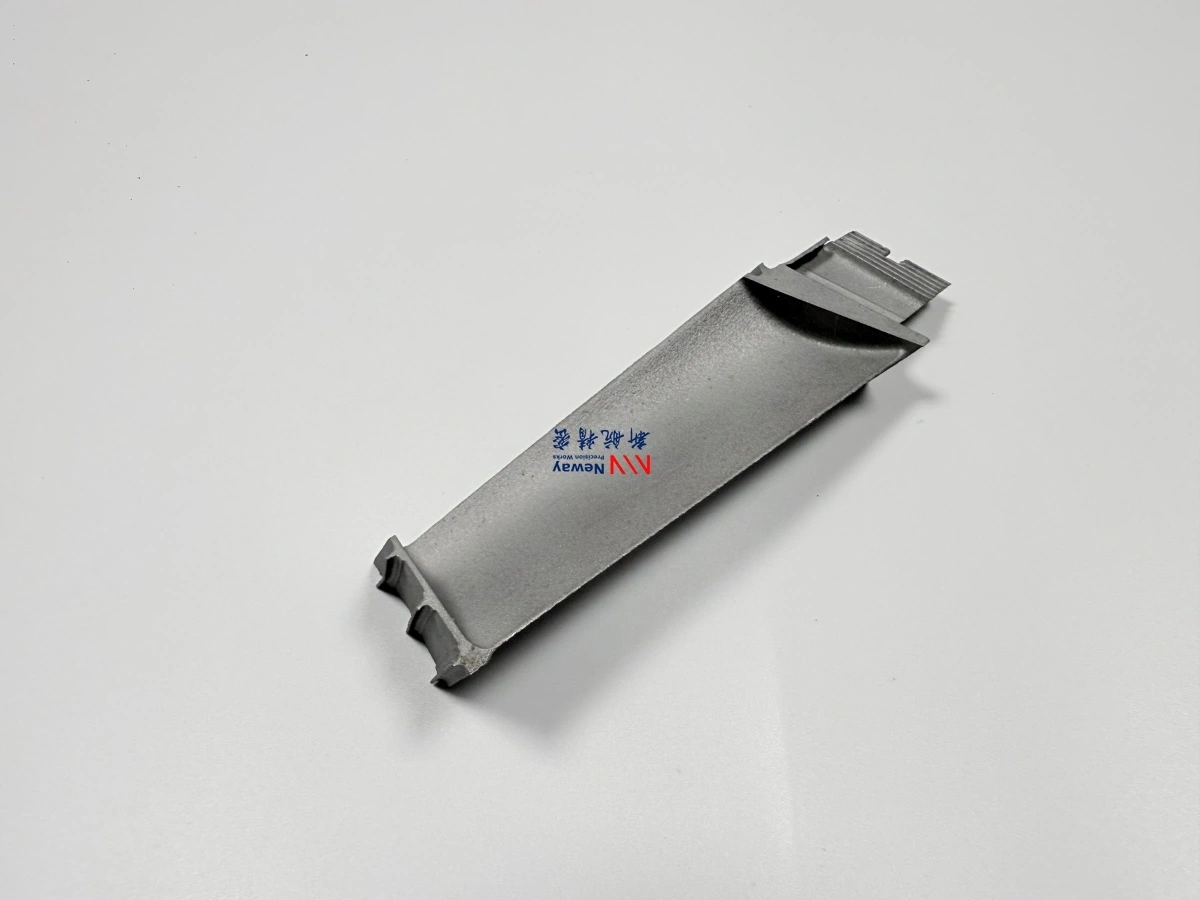
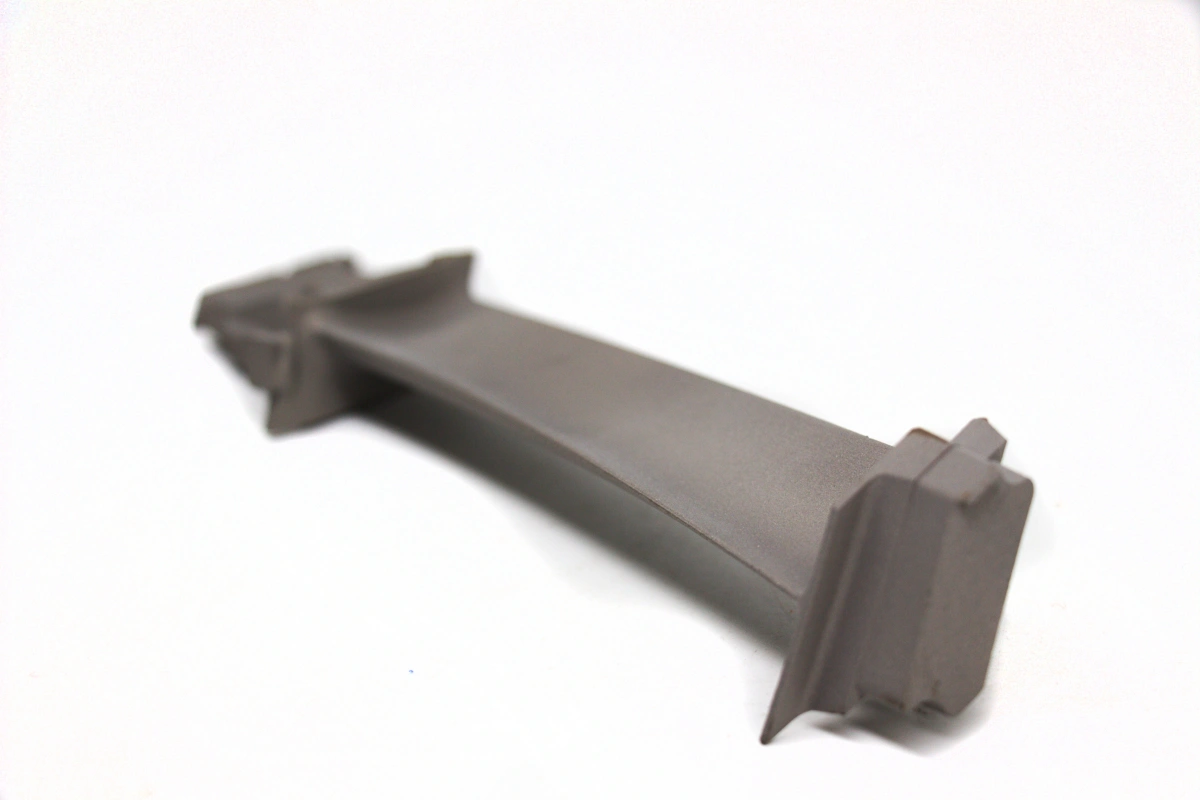
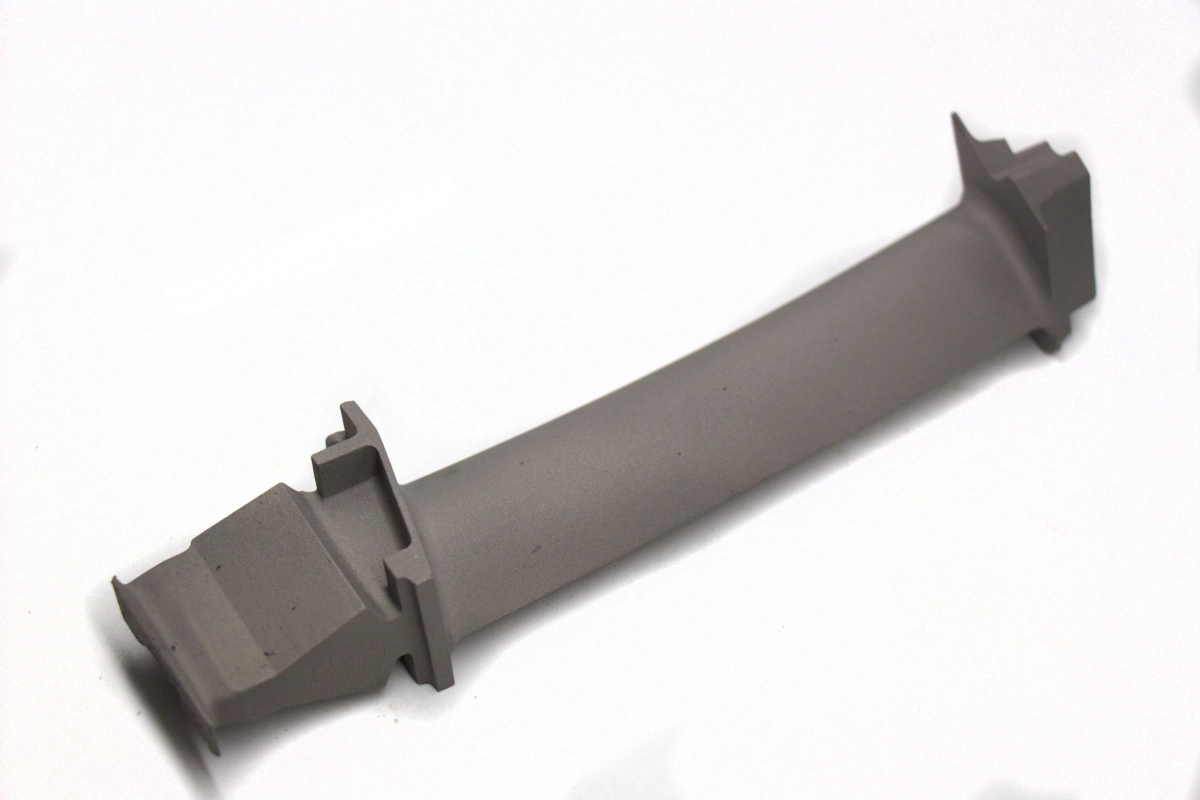
In the production of turbine blades and discs for aerospace and power generation sectors, maintaining structural integrity under extreme temperatures is critical. Therefore, manufacturers often rely on advanced forming processes like superalloy precision forging to achieve defect-free geometries.
Advantages for Superalloy Processing
High-temperature superalloys such as Inconel 718, Rene 80, and Nimonic 90 are extremely difficult to deform at room temperature due to their high strength and oxidation resistance. Isothermal forging minimizes thermal gradients and residual stress, enabling the production of near-net-shape components with refined grain structures.
This process also reduces the risk of cracking, allowing for the precise shaping of turbine discs or compressor wheels that are later subjected to hot isostatic pressing (HIP) to eliminate internal porosity and further enhance their mechanical performance.
Material Compatibility
Isothermal forging is most effective with nickel-based and cobalt-based alloys. Materials such as CMSX-4, Hastelloy X, and Stellite 6 exhibit an outstanding response to this forming method because their high-temperature ductility can be effectively utilized under stable conditions. Maintaining a consistent temperature during deformation ensures finer, equiaxed grains—ideal for parts forged before superalloy heat treatment, which optimizes creep resistance.
Industrial Applications
In the aerospace and aviation industry, isothermal forging is indispensable for manufacturing first-stage turbine blades, vanes, and rotating discs that endure temperatures above 1000°C. It is equally valuable in power generation and military and defense systems, where superior fatigue and thermal stability are key determinants of engine reliability.
By combining vacuum investment casting with isothermal forging, manufacturers can produce components with excellent internal soundness and tight dimensional tolerances. This hybrid approach enables the production of high-performance parts such as turbine segments, compressor wheels, and nozzles with extended service life.
Conclusion
Isothermal forging remains a critical step in the advanced manufacturing of high-temperature alloys. Its ability to preserve the microstructural integrity of nickel, cobalt, and iron-based superalloys ensures reliability in the most demanding environments, making it a key process for next-generation turbine and propulsion systems.