What are the advantages of isothermal forging?
Enhanced Material Flow and Microstructure
Isothermal forging maintains both the die and the workpiece at a constant elevated temperature, ensuring consistent plastic deformation and minimizing thermal gradients. This leads to superior material flow, reduced residual stress, and an exceptionally fine-grained structure. Compared with conventional forging, this process is ideal for materials that are difficult to deform, such as nickel- and cobalt-based superalloys used in vacuum investment casting. The uniform deformation improves fatigue life and creep resistance, critical properties for aerospace turbine components.
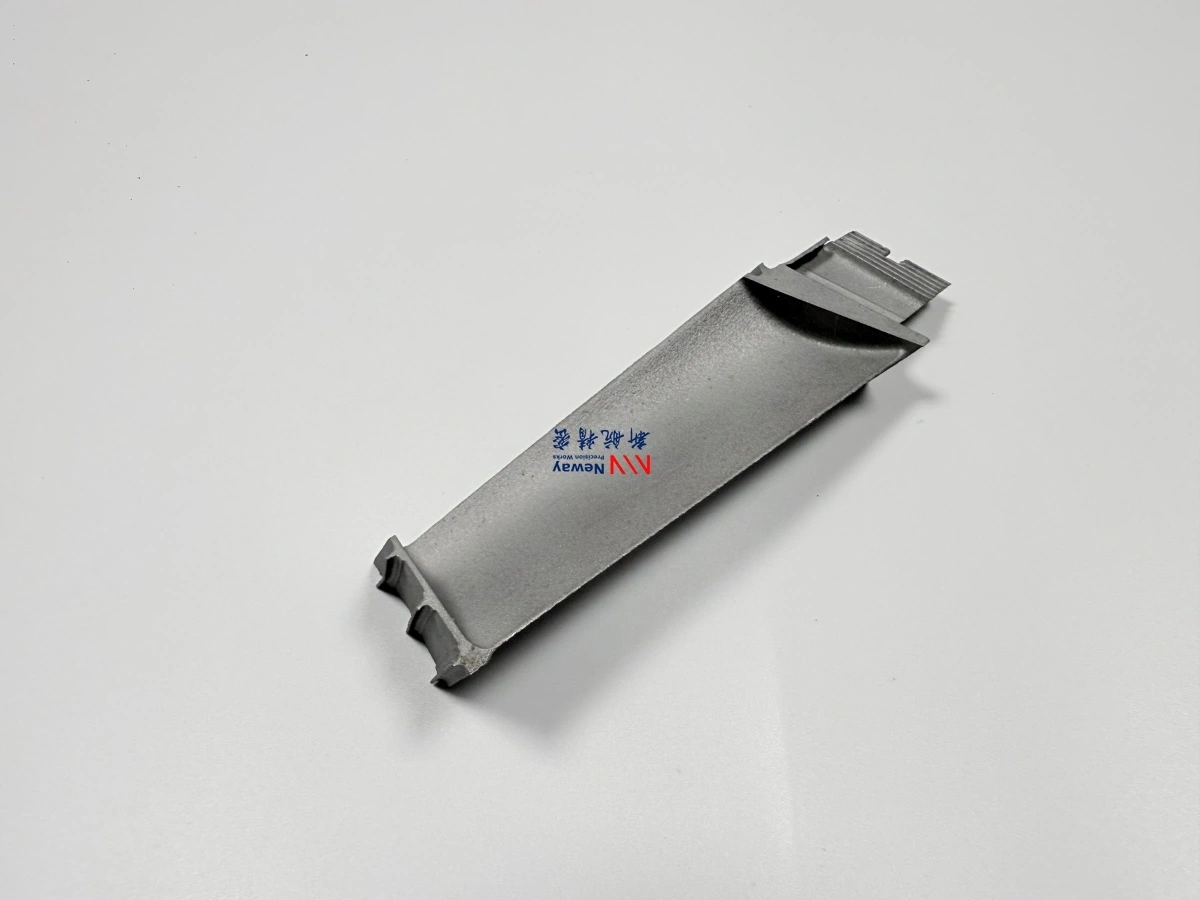
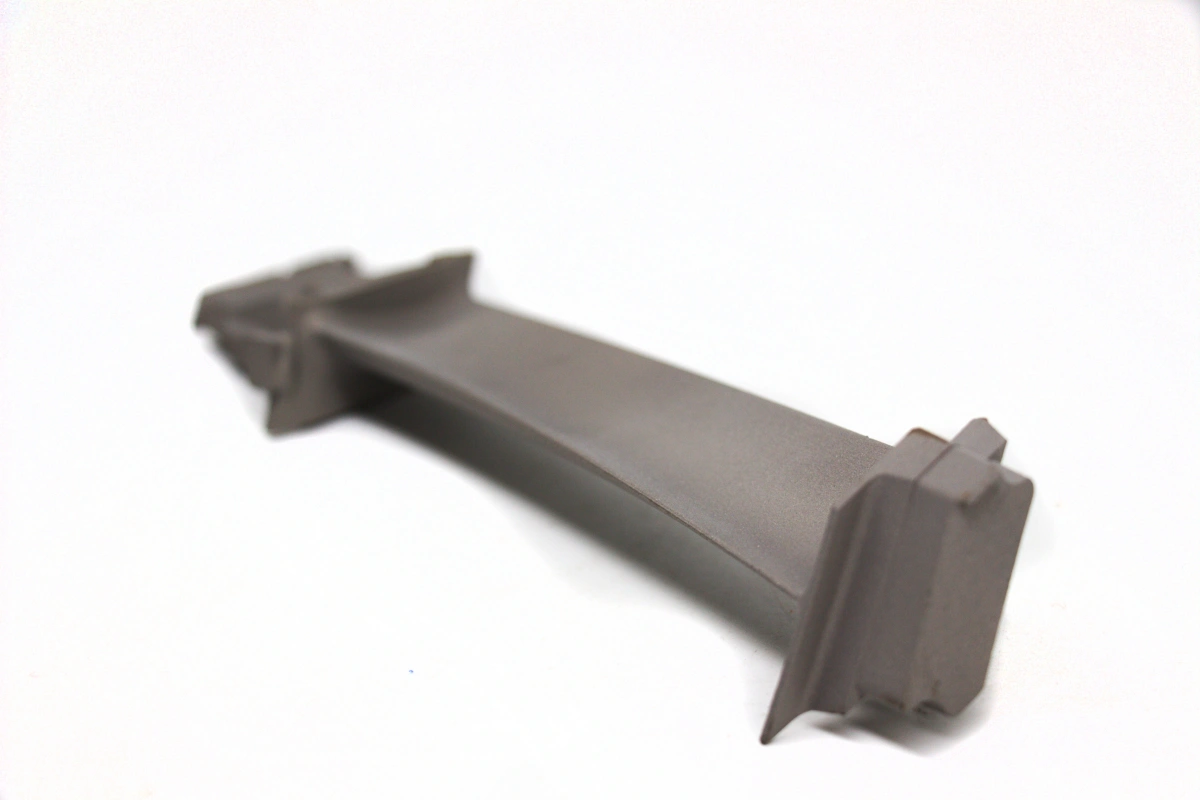
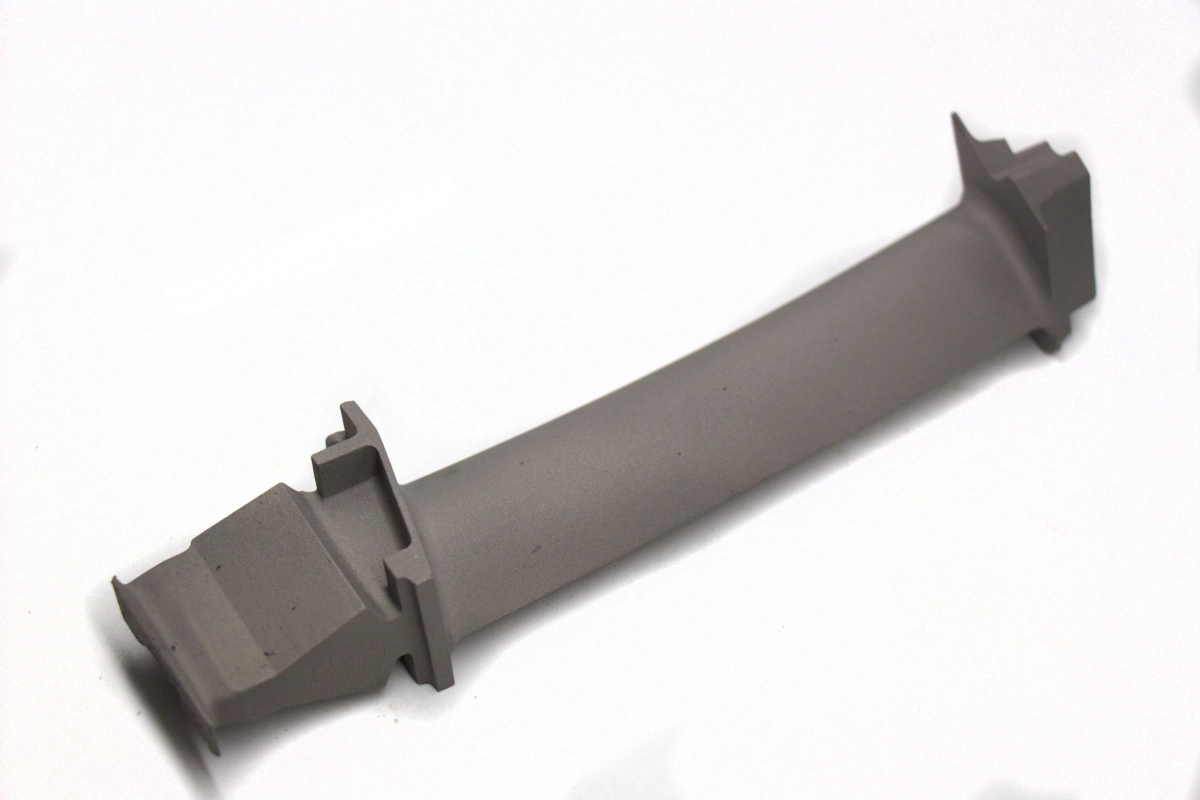
High-performance alloys, such as Inconel 718 and CMSX-4, exhibit remarkable microstructural uniformity after isothermal forging. The process enables the production of near-net-shape parts with minimal post-machining requirements, which is particularly advantageous for turbine blades, vanes, and compressor discs.
Improved Dimensional Accuracy and Reduced Defects
The controlled temperature environment of isothermal forging allows metals to deform without hardening or cracking. This results in exceptional dimensional precision, minimizing the need for secondary finishing. By combining superalloy precision forging with superalloy CNC machining, manufacturers can achieve tight tolerances on critical engine and energy system components.
Additionally, the process minimizes internal porosity and defects. When followed by hot isostatic pressing (HIP) and heat treatment, the result is a component with outstanding density, creep resistance, and long-term reliability.
Material Efficiency and Energy Savings
Because the process produces near-net-shape components, material waste is significantly reduced compared with conventional forging or machining. The consistent deformation behavior also requires lower press forces, improving tool life and energy efficiency. The integration of superalloy post-process and precision forming reduces total production costs for high-value alloys such as Hastelloy X and Rene 80.
Critical Industrial Applications
Isothermal forging plays a vital role in the aerospace and aviation, power generation, and military and defense industries. These sectors require components that can maintain mechanical stability at temperatures exceeding 1000°C. The process ensures that each forged part meets stringent quality and fatigue requirements, which are essential for turbine blades, vanes, and discs.
Conclusion
By combining stable thermal control, refined microstructure, and reduced material waste, isothermal forging has become a cornerstone process for producing high-performance superalloy components. It ensures reliability in extreme environments, lowers lifecycle costs, and supports continuous innovation in advanced engineering sectors.