Which industries use isothermal forging?
Aerospace and Aviation
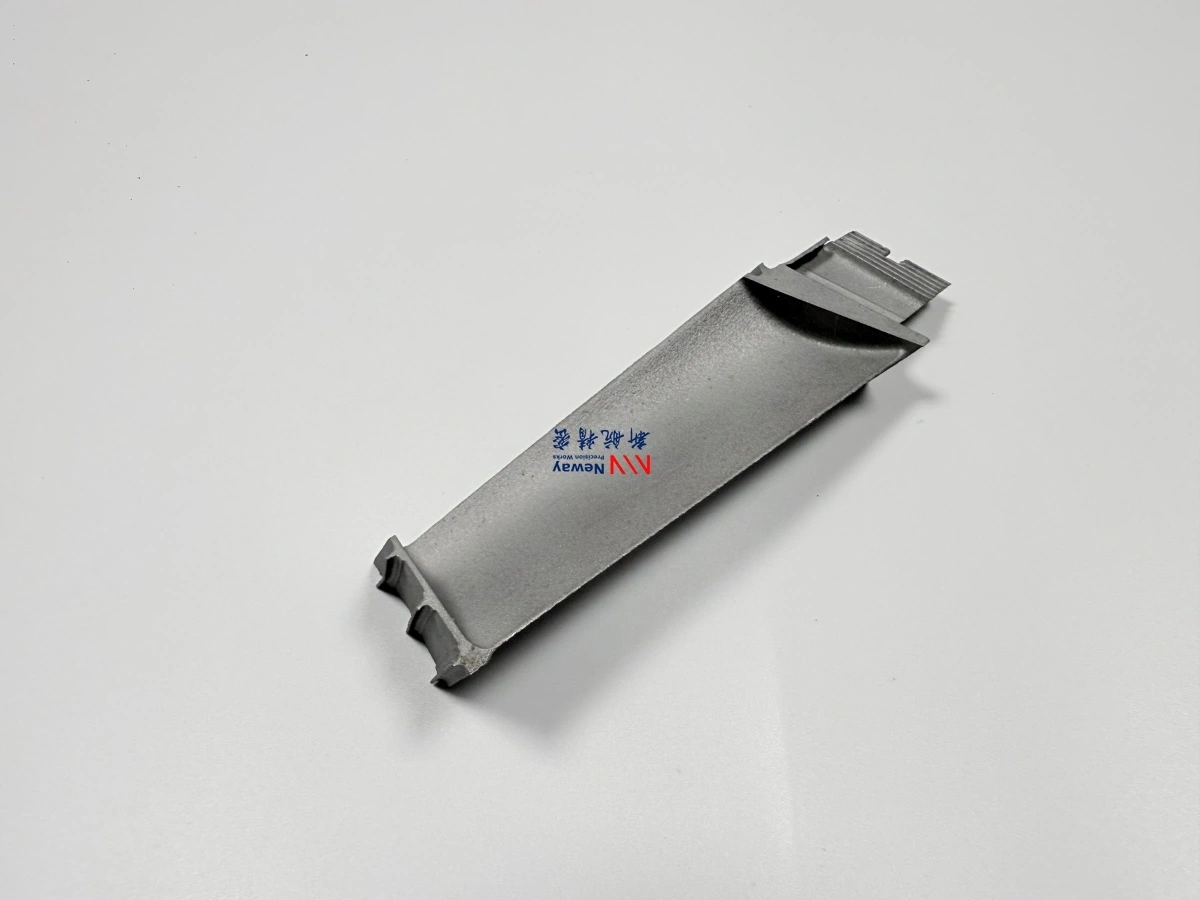
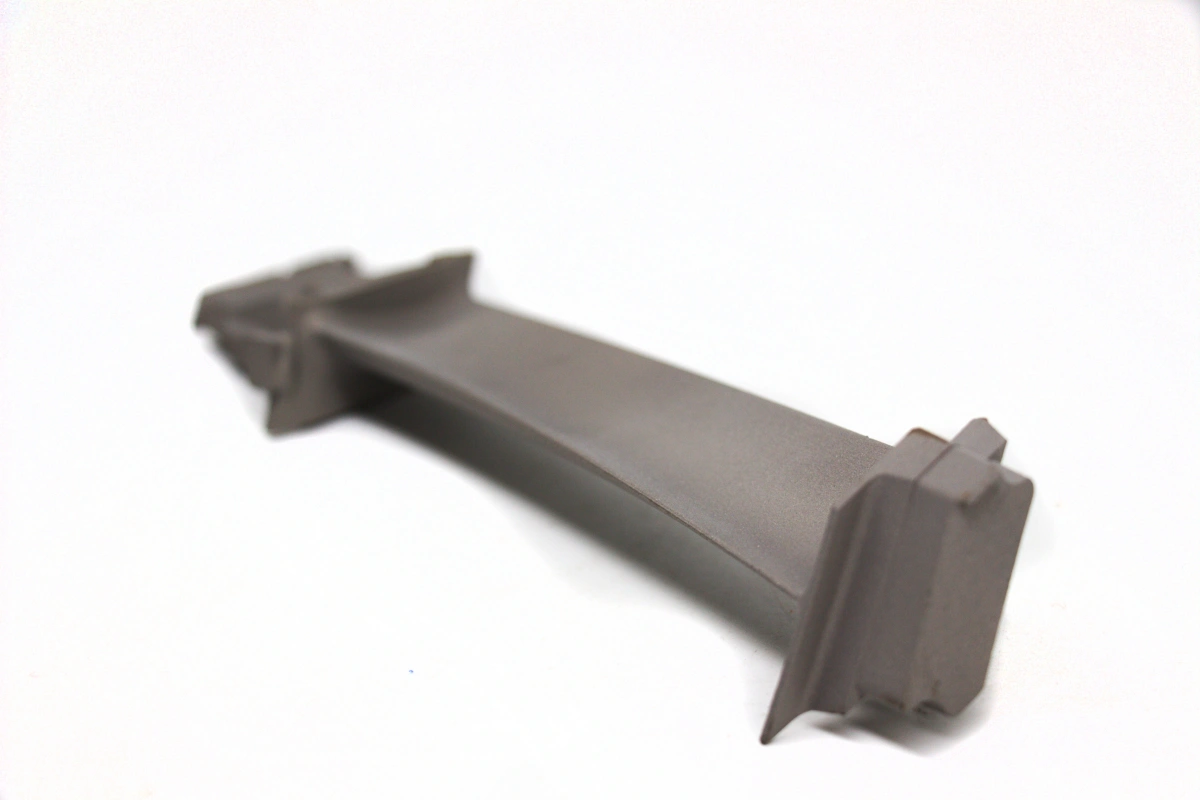
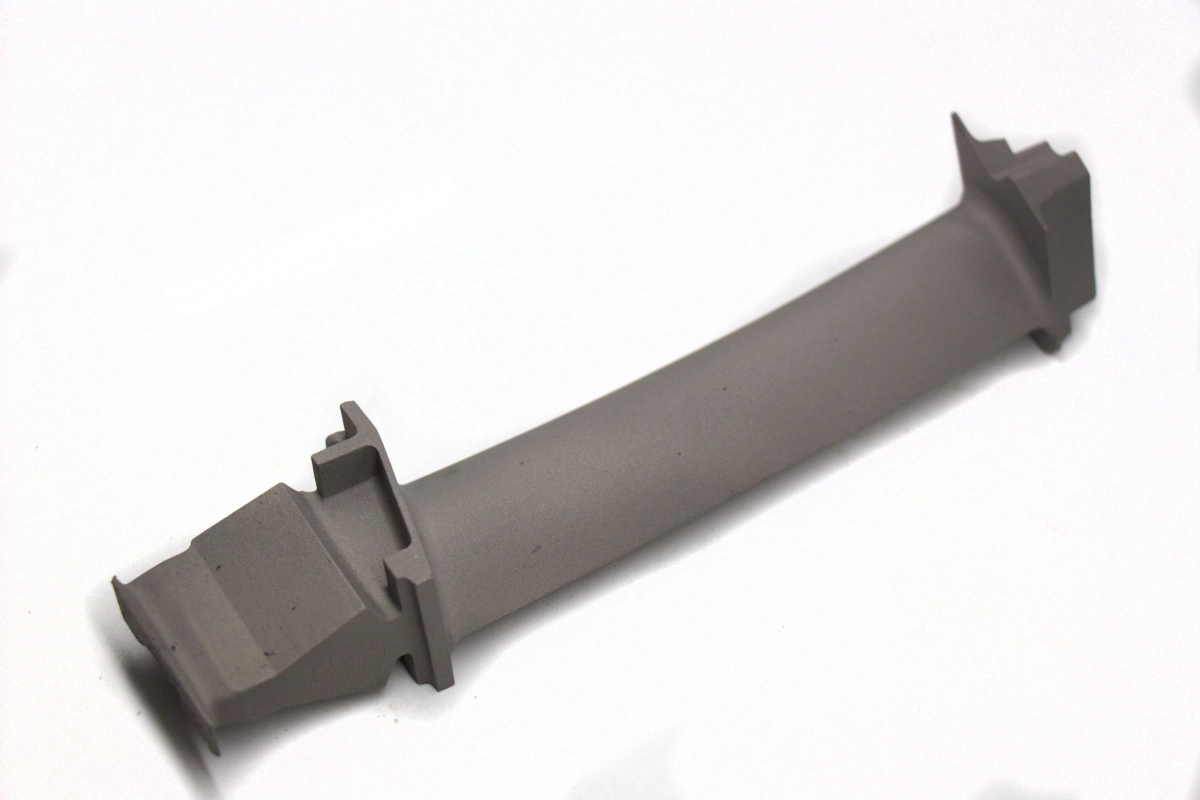
The aerospace sector is the primary user of isothermal forging due to its demand for components that must perform under extreme temperature and stress conditions. Critical parts such as turbine blades, discs, and compressor rotors are often forged using superalloy precision forging techniques. Materials such as Inconel 718, Rene 80, and CMSX-4 are widely used in aerospace and aviation turbine engine components because they maintain their strength and oxidation resistance above 1000°C.
Isothermal forging ensures uniform grain structure and eliminates thermal gradients during forming, producing parts that can endure long-term cyclic loading in jet engines. It is often combined with vacuum investment casting and hot isostatic pressing (HIP) to achieve full density and extended service life.
Power Generation
In the power generation industry, gas turbine and steam turbine manufacturers depend on isothermal forging for producing rotors, vanes, and discs. The process allows the formation of high-performance parts from nickel- and cobalt-based alloys such as Hastelloy X and Stellite 6. These materials maintain mechanical integrity under continuous thermal cycling. The precision and repeatability of isothermal forging make it ideal for achieving tight tolerances in turbine components where balance and durability are critical to efficiency.
Military and Defense
The military and defense sector also benefits from isothermal forging in the production of aircraft engine components, missile propulsion parts, and high-temperature exhaust systems. The process enables the use of advanced materials such as Rene 88 and Nimonic 90, which provide high tensile strength and corrosion resistance essential for sustained performance in harsh environments.
Energy and Industrial Gas Turbines
In the energy industry, isothermal forging is used to manufacture turbine shafts and blades for both fossil fuel and renewable energy systems. The ability to maintain uniform mechanical properties throughout the part makes it a preferred choice for components exposed to continuous high temperatures and pressures. This process, complemented by superalloy heat treatment, improves fatigue resistance and ensures long operational life.
Conclusion
Isothermal forging has become indispensable in industries that require superior high-temperature performance, fatigue strength, and microstructural stability. By enabling the precise shaping of advanced superalloys, it supports innovation in aerospace propulsion, power generation, defense, and energy technologies, ensuring long-term reliability and performance in critical applications.