
Técnicas de Soldadura de Superaleaciones para Componentes de Aleaciones de Alta Temperatura
Unión de Precisión para Aplicaciones Térmicas y Estructurales Exigentes
Los componentes de superaleaciones utilizados en motores de turbina, sistemas de escape, recipientes a presión e infraestructura energética a menudo requieren soldadura confiable durante la fabricación o reparación. Soldar estas aleaciones de alta temperatura, como Inconel, Rene, CMSX y Hastelloy, requiere un control estricto de la aportación de calor, la química del material de aporte y el tratamiento post-soldadura para evitar grietas en caliente, porosidad y degradación de los límites de grano.
Neway AeroTech proporciona servicios especializados de soldadura de superaleaciones para aplicaciones aeroespaciales, energéticas e industriales. Nuestros procesos certificados incluyen soluciones de soldadura TIG, láser e híbridas, combinadas con tratamiento térmico post-soldadura y métodos de inspección para cumplir con estándares críticos de rendimiento.
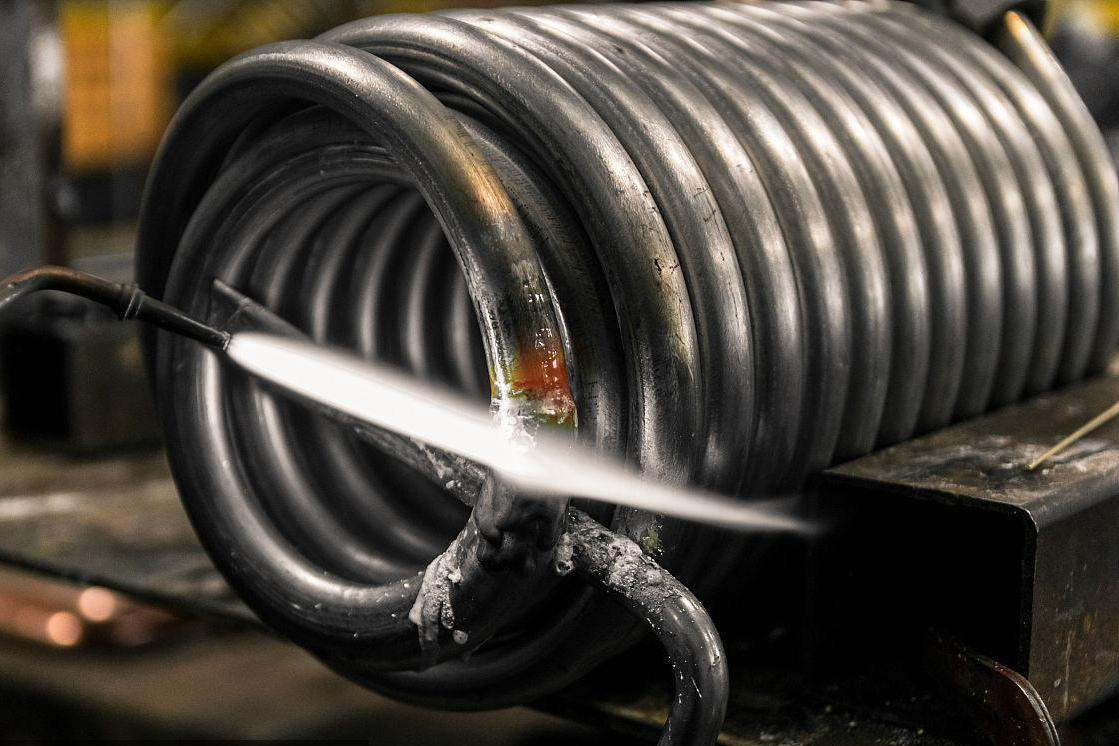
Procesos de Soldadura Principales para Componentes de Superaleaciones
Soldar aleaciones de alto rendimiento requiere igualar las propiedades mecánicas, la estabilidad térmica y la resistencia a la corrosión a lo largo de la junta soldada.
Soldadura TIG para soldaduras de penetración completa y reconstrucción de puntas de precisión
Soldadura láser para uniones localizadas con baja distorsión en secciones de pared delgada
Soldadura híbrida TIG-láser para control de penetración profunda y zona afectada por el calor (ZAC) estrecha
Cámaras de vacío y gas inerte para aleaciones sensibles a la oxidación
Toda la soldadura está calificada según los requisitos de AWS D17.1, AMS 2694 y los procesos especiales de NADCAP.
Grados de Superaleaciones Comúnmente Soldados
Aleación | Temperatura Máx. (°C) | Componentes Típicos | Proceso de Soldadura |
|---|---|---|---|
704 | Carcasas, rotores | TIG, láser | |
980 | Toberas, álabes | TIG | |
1140 | Superficies aerodinámicas, revestimientos | TIG + HIP | |
1175 | Bridas, conductos | Láser, plasma |
La soldabilidad varía según la microestructura de la aleación: se deben considerar la fase gamma prima, los carburos y la orientación del grano.
Estudio de Caso: Soldadura TIG de un Segmento de Tobera Rene 88
Antecedentes del Proyecto
Un cliente requirió reparación por soldadura TIG de grietas en el borde de salida en toberas fundidas equiaxiales de Rene 88. El material de aporte coincidía con la química. Un precalentamiento a 400°C minimizó el choque térmico. El tratamiento térmico post-soldadura a 980°C restauró la microestructura. El MEB confirmó una ZAC libre de grietas y límites de grano continuos.
Componentes Soldados Típicos e Industrias
Componente | Aleación | Tipo de Soldadura | Industria |
|---|---|---|---|
Punta de Álabes de Turbina | Inconel 718 | Reconstrucción TIG | |
Segmento de Tobera | Rene 88 | TIG multipase | |
Revestimiento de Combustión | Hastelloy X | Soldadura láser a tope | |
Brida de Carcasa Interna | CMSX-4 | Reparación TIG + HIP |
La soldadura de precisión restaura la geometría de la pieza y el rendimiento a fatiga en aplicaciones sometidas a estrés térmico.
Desafíos de la Soldadura en Superaleaciones de Alta Temperatura
Riesgo de grietas en caliente debido a la segregación de gamma prima en los límites de grano por encima de 950°C durante la solidificación de la soldadura
Pérdida de ductilidad en la ZAC sin un enfriamiento controlado y tratamiento de envejecimiento
Control de porosidad en soldaduras TIG depende de la pureza del gas y la limpieza de la junta
Oxidación post-soldadura en aleaciones de níquel requiere protección inerte o procesamiento en vacío
Distorsión dimensional en paredes delgadas o grandes carcasas sin fijación y modelado térmico
Soluciones Avanzadas de Soldadura para Ensamblajes de Aleaciones de Alta Temperatura
Precalentamiento (350–450°C) para reducir el gradiente térmico y evitar microfisuras en aleaciones endurecidas por precipitación
Soldaduras láser ≤ 0.8 mm de ancho permiten reparaciones precisas con ZAC mínima en secciones delgadas
HIP post-soldadura a 1030°C, 100 MPa para cerrar microporosidad y restaurar la densidad
Alivio de tensiones a 870–980°C estabiliza los límites de grano y las propiedades mecánicas
Máquina de Medición por Coordenadas (CMM) e inspección por rayos X garantizan la calidad dimensional e interna de la soldadura
Resultados y Verificación
Ejecución de la Soldadura
La preparación de la junta incluyó biselado y limpieza según especificaciones aeroespaciales. Las soldaduras se aplicaron con temperatura entre pasadas controlada y varillas de aporte Inconel o Rene coincidentes.
Procesamiento Post-Soldadura
Todas las piezas se sometieron a tratamiento térmico y procesamiento HIP cuando fue requerido. Las dimensiones mecanizadas se restauraron post-soldadura para cumplir con las especificaciones del fabricante de equipos originales (OEM).
Inspección y Validación
Pruebas de rayos X verificaron la fusión. La CMM confirmó la tolerancia. El MEB mostró integridad microestructural y ZAC libre de grietas.
Preguntas Frecuentes
¿Qué métodos de soldadura son los mejores para las aleaciones Inconel y Rene?
¿Se pueden soldar componentes de cristal único CMSX?
¿Cómo se previenen las grietas en caliente en soldaduras de superaleaciones?
¿Qué tratamientos post-soldadura se requieren para piezas críticas a fatiga?
¿Cómo se detectan y reparan los defectos internos de soldadura?
