
Forja Isotérmica de Aleación Stellite para Componentes Resistentes al Calor
Introducción
La forja isotérmica de aleación Stellite es el proceso óptimo para producir componentes resistentes al calor utilizados en entornos de alta fricción y alta temperatura. En Neway AeroTech, forjamos Stellite 6, 12, 21 y 31 utilizando métodos isotérmicos controlados para lograr una resistencia excepcional al desgaste, estabilidad a la oxidación hasta 1100°C e integridad estructural bajo ciclos térmicos. Estos componentes son esenciales en sistemas aeroespaciales, nucleares y de energía, donde tanto la temperatura como la abrasión son factores de diseño críticos.
La forja isotérmica garantiza la estabilidad del grano y la uniformidad microestructural en geometrías complejas, produciendo piezas con larga vida útil al desgaste, dureza superior y tolerancias dimensionales estrechas (±0.02 mm).
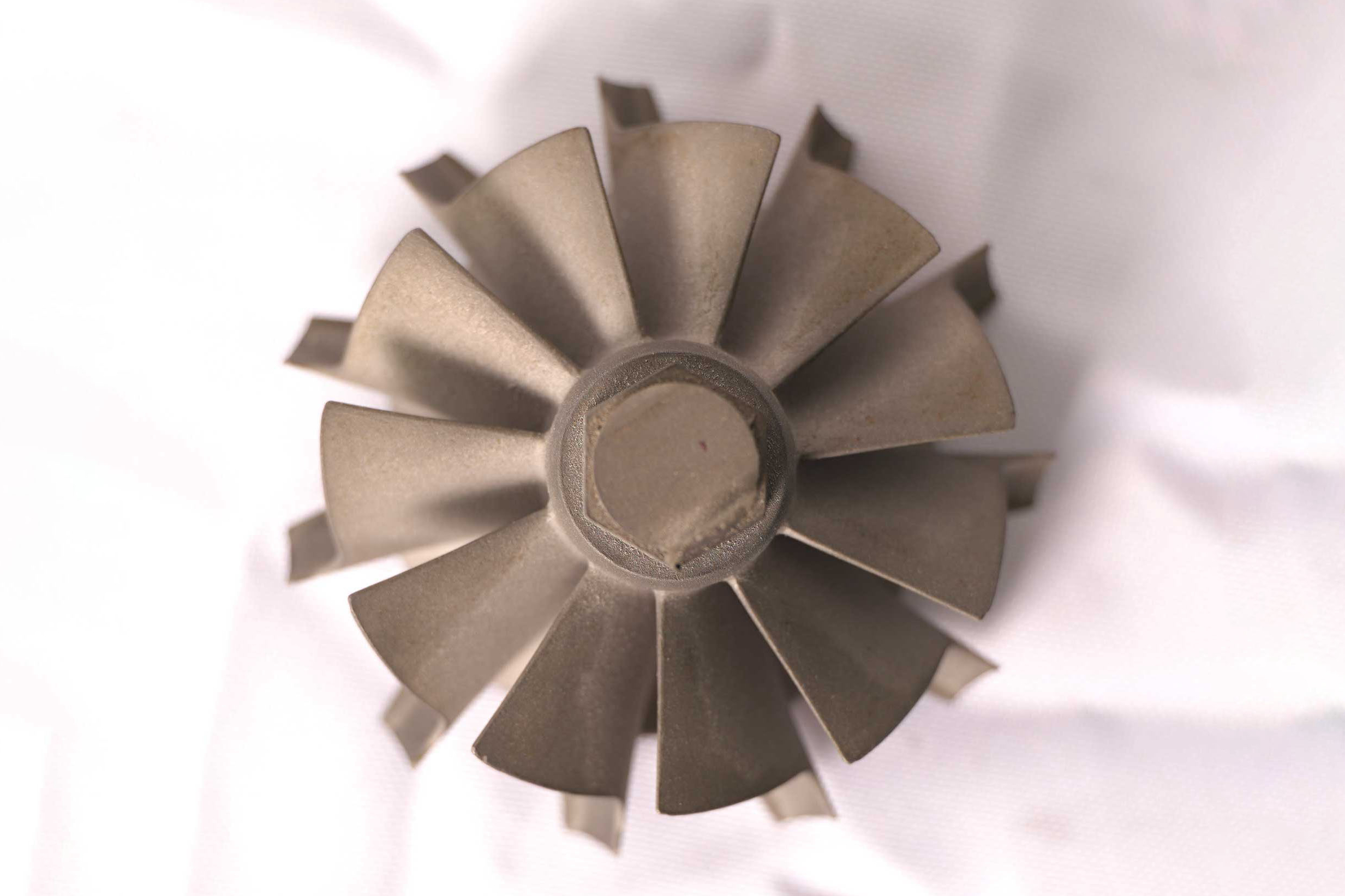
Tecnología Central de la Forja Isotérmica de Stellite
Preparación y Precalentamiento de la Palanquilla: Los lingotes de Stellite (6, 12, 21, 31) se calientan uniformemente a 1050–1150°C en atmósferas inertes para prevenir la oxidación durante la forja.
Proceso de Forja Isotérmica: Las matrices y las palanquillas se mantienen a temperaturas iguales para permitir una deformación plástica estable, mejorando la densidad y el refinamiento microestructural.
Optimización de la Estructura del Grano: Los granos equiaxiales finos (ASTM 10–12) mejoran la resistencia a la fatiga térmica, el agarrotamiento y la fluencia a alta temperatura.
Tratamiento Térmico Posterior a la Forja: El recocido de solubilización estabiliza los carburos y la matriz de cobalto-cromo, mejorando la dureza y la resistencia a la oxidación.
Acabado de Precisión por CNC: Las características finales se mecanizan con una tolerancia de ±0.02 mm utilizando mecanizado CNC multi-eje para superficies de sellado, deslizamiento y carga.
Mejora Superficial Opcional: Se pueden aplicar recubrimientos o pasivación para mejorar la resistencia a la corrosión por gases calientes o reducir la fricción superficial.
Características del Material de las Aleaciones Stellite Forjadas
Propiedad | Stellite 6 | Stellite 12 | Stellite 21 | Stellite 31 |
|---|---|---|---|---|
Temperatura Máx. de Operación | 1000°C | 1050°C | 1100°C | 1100°C |
Dureza (como forjado) | ~40–45 HRC | ~48–52 HRC | ~35–40 HRC | ~50–55 HRC |
Resistencia al Desgaste | Excelente | Superior | Moderada | Extrema |
Resistencia a la Oxidación | Excelente | Excelente | Excelente | Excelente |
Resistencia a la Fluencia | Moderada | Alta | Alta | Alta |
Tenacidad al Impacto | Moderada | Baja | Alta | Baja–Moderada |
Resistencia a la Corrosión | Muy Buena | Buena | Excelente | Buena |
Estudio de Caso: Componentes de Deslizamiento y Sellado de Stellite Forjado para Ensambles de Turbinas de Alta Intensidad Térmica
Antecedentes del Proyecto
Un fabricante de turbinas de gas necesitaba piezas resistentes al desgaste y al calor—anillos guía, asientos de válvula y zapatas de sellado—para aplicaciones de turbina que operan a 950–1100°C. Se eligieron Stellite 12 y Stellite 31 por su dureza en caliente y comportamiento anti-agarrotamiento. Se requirió forja isotérmica para prevenir grietas y garantizar la solidez estructural.
Componentes Comunes de Stellite Forjado
Asientos y Discos de Válvula: Forjados a partir de Stellite 12 y 6 para válvulas de control de gases calientes, proporcionando resistencia al desgaste y protección contra la erosión a 1000°C.
Zapatas y Anillos de Sellado: Stellite 21 forjado en elementos de sellado en carcasas de turbinas, soportando rotación de alta presión y alta velocidad.
Bujes de Deslizamiento: Bujes de Stellite 6 utilizados en mecanismos de la zona de combustión, resistiendo el contacto metal-metal y la degradación térmica.
Anillos Guía y Revestimientos: Stellite 31 forjado utilizado en ensambles de válvulas nucleares, asegurando baja deformación bajo cargas de temperatura sostenidas.
Solución de Forja y Procesamiento
Preparación de la Palanquilla: Las palanquillas fundidas al vacío se cortan a la forma y se calientan uniformemente a 1100°C bajo argón protector.
Forja Isotérmica: Las matrices de forja se igualan a la temperatura de la palanquilla para una deformación en estado estable y un flujo de grano controlado.
Enfriamiento Controlado: El enfriamiento lento y uniforme posterior a la forja minimiza el esfuerzo residual y previene grietas en las duras aleaciones de cobalto.
Recocido de Solubilización: Tratamiento térmico a 1175°C para redistribuir carburos y asegurar propiedades mecánicas consistentes.
Mecanizado Final: Los cortes finales de precisión se realizan utilizando mecanizado CNC para alcanzar ±0.02 mm en superficies críticas de ajuste.
Tratamiento Superficial Opcional: Se realiza pulido o pasivación para cumplir con estándares específicos del cliente o de exposición ambiental.
Inspección y Control de Calidad: La estructura interna se valida mediante pruebas de rayos X. La geometría se verifica utilizando inspección CMM.
Resultados y Verificación
Dureza y Resistencia: La dureza posterior a la forja del Stellite 12 alcanzó 52 HRC, manteniendo la estructura después de 1000 horas de exposición térmica.
Rendimiento al Desgaste: Las pruebas de abrasión en laboratorio mostraron tasas de desgaste un 60% más bajas que el acero inoxidable endurecido a 900°C.
Precisión Dimensional: El CMM confirmó que se lograron tolerancias de ±0.02 mm en todas las superficies mecanizadas.
Resistencia a la Oxidación: Las pruebas TGA y de oxidación cíclica confirmaron la integridad superficial hasta 1100°C para el Stellite 31.
Resistencia a los Ciclos Térmicos: Los componentes superaron más de 10,000 ciclos de temperatura desde ambiente hasta 1000°C sin fractura ni distorsión.
Preguntas Frecuentes
¿Qué aplicaciones se benefician más de la forja isotérmica de aleación Stellite?
¿Cómo mejora la forja isotérmica las propiedades de desgaste y fatiga del Stellite?
¿Qué grados de Stellite son mejores para componentes de fricción y sellado en caliente?
¿Qué tolerancias dimensionales son alcanzables con piezas de Stellite forjado?
¿Qué pruebas aseguran la integridad de los componentes resistentes al calor de Stellite forjado?
