
Servicio de Impresión 3D en Inconel 718 para Piezas Automotrices de Superaleación
Introducción a la Impresión 3D en Inconel 718 para Aplicaciones Automotrices
El Inconel 718 ofrece un excelente rendimiento a altas temperaturas, resistencia y resistencia a la corrosión, lo que lo convierte en un material ideal para componentes automotrices avanzados. La impresión 3D permite la fabricación de geometrías complejas, la reducción de peso y tiempos de entrega cortos sin comprometer el rendimiento bajo las condiciones del compartimento del motor, el sistema de escape o el turbo.
En Neway Aerotech, proporcionamos servicios de impresión 3D en Inconel 718 para prototipos y piezas de grado de producción adaptadas a las exigentes necesidades de la industria automotriz.
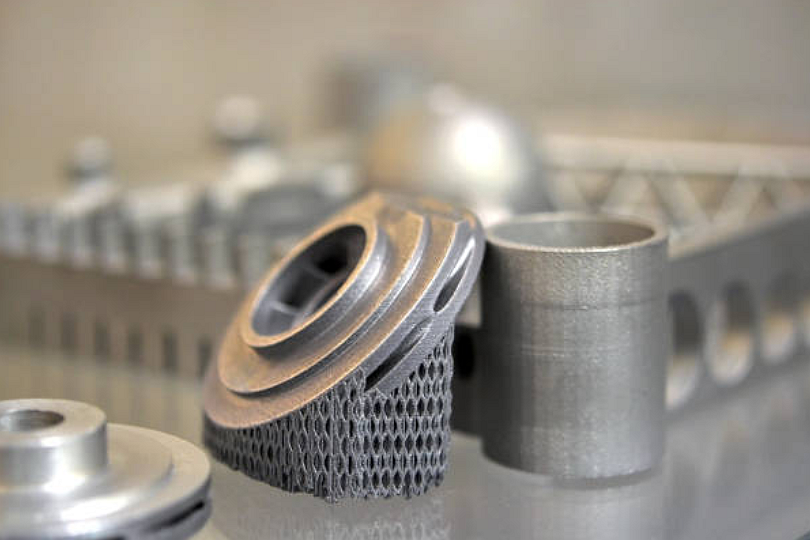
Resumen de las Capacidades de Impresión 3D en Inconel 718
Parámetros Técnicos
Parámetro | Valor |
|---|---|
Tecnología de Impresión | |
Espesor Mínimo de Pared | 0.5 mm |
Espesor de Capa | 40–60 μm |
Densidad Tal como se Imprime (después de HIP) | ≥99.8% |
Tolerancia | ±0.1 mm por cada 100 mm |
La fabricación aditiva basada en SLM garantiza la solidez estructural, la complejidad geométrica y la reducción del mecanizado para piezas automotrices de Inconel 718.
¿Por qué Inconel 718 para Aplicaciones Automotrices?
Resistencia a la fluencia por encima de 650°C para aplicaciones de turbo y escape
Excelente resistencia a la fatiga para conjuntos rotativos de altas RPM
Resistencia a la corrosión y al choque térmico en entornos hostiles del compartimento del motor
Compatible con postprocesamiento como EDM, HIP y tratamientos superficiales
Aplicaciones Automotrices Comunes
Componente | Temperatura de Operación (°C) | Espesor de Pared Típico | Descripción |
|---|---|---|---|
Carcasa de Escape del Turbocargador | 800–950 | 1.5–3 mm | Geometría impresa de pared delgada con álabes de refrigeración integrados |
Múltiple de Escape de Alta Presión | 700–900 | 2–4 mm | Conductos cónicos y bridas para diseños de doble entrada (twin-scroll) |
Componentes del Sistema EGR | 600–750 | 1.2–2 mm | Conductos internos resistentes a la corrosión con rutas de flujo complejas |
Segmentos de Sello de Combustión para Motor Rotativo | >700 | 1 mm | Segmentos resistentes al desgaste con microcaracterísticas de paso de aceite |
Pantallas Térmicas Ligeras | 600–750 | 0.8–1.5 mm | Paneles de blindaje impresos de alta reflectividad con respaldo de celosía |
Estudio de Caso: Múltiple de Escape Impreso en 3D con Inconel 718 para OEM Automotriz de Alto Rendimiento
Antecedentes del Proyecto
Un OEM de alto rendimiento requirió un múltiple de escape de Inconel 718 totalmente funcional para un prototipo de motor en línea de 4 cilindros con turbocargador. La pieza tenía que soportar un flujo de gas a 850°C y más de 10,000 ciclos térmicos.
Flujo de Trabajo de Fabricación
Impresión 3D: SLM con capas de 50 μm, tiempo de construcción de 42 horas, tamaño de impresión 290 mm × 160 mm × 110 mm
HIP: Prensado Isostático en Caliente a 1200°C, 100 MPa durante 4 horas
Mecanizado CNC: Bridas de acoplamiento y puertos turbo acabados a ±0.02 mm
Procesamiento EDM: Roscas del puerto del sensor de O2 y colector de unión de escape pulidos mediante EDM
Acabado Superficial: Granallado y pasivación para protección contra la corrosión
Inspección y Pruebas
Verificación CMM en todas las superficies de sellado
Rayos X confirmaron ausencia de porosidad o artefactos de contracción
Prueba de presión a 5 bar; sin deformación después de 2000 ciclos de choque térmico
Inspección visual y SEM para interfaces listas para soldar y continuidad estructural del grano
Resultados y Rendimiento
El múltiple impreso en Inconel 718 no mostró grietas ni deformaciones después de 300 horas de pruebas en banco de pruebas del motor a máxima presión.
Las bridas de montaje mantuvieron la planitud dentro de 0.05 mm bajo condiciones de alta temperatura.
El peso final de la pieza se redujo un 22% en comparación con el acero inoxidable fundido, manteniendo la integridad estructural y el rendimiento del flujo.
El cliente aprobó el múltiple impreso en 3D para su integración en vehículos en series de producción limitadas.
Preguntas Frecuentes (FAQs)
¿Cuál es la vida útil de las piezas de Inconel 718 en aplicaciones de escape de alta temperatura?
¿Pueden las piezas impresas en 3D de Inconel 718 reemplazar directamente a los componentes fundidos o forjados?
¿Cuál es el tiempo de entrega típico para piezas automotrices impresas en 3D con In718?
¿Son compatibles las soldaduras o sensores con los múltiples impresos en Inconel 718?
¿Qué inspecciones de postprocesamiento son necesarias para las piezas de motor de alta carga?
