
Wärmebehandlungsanbieter für Superlegierungs-Gleichkristallgussstücke
Präzise Wärmebehandlung für gleichkristalline Superlegierungs-Turbinenkomponenten
Gleichkristalline Superlegierungsgussstücke werden häufig in Gasturbinenschaufeln, Düsensegmenten, Brennkammerauskleidungen und Hochtemperaturstrukturteilen eingesetzt. Während Gleichkristallstrukturen Fertigungsflexibilität und isotrope mechanische Eigenschaften bieten, hängt ihre Leistung stark von der nach dem Gießen erfolgenden Wärmebehandlung ab, um das Gefüge zu stabilisieren, die Kriechbeständigkeit zu verbessern und die Gamma-Prime-Ausscheidung zu optimieren.
Neway AeroTech ist ein vertrauenswürdiger Wärmebehandlungsanbieter für gleichkristalline Superlegierungsgussstücke und beliefert Hersteller aus der Luft- und Raumfahrt, der Energieerzeugung und der Industrieturbinenfertigung. Wir bieten lösungsgeglühte, ausgelagerte, spannungsarme und ofenatmosphärengesteuerte Verfahren, die auf Inconel, Rene, Hastelloy und Nimonic-Legierungen zugeschnitten sind.
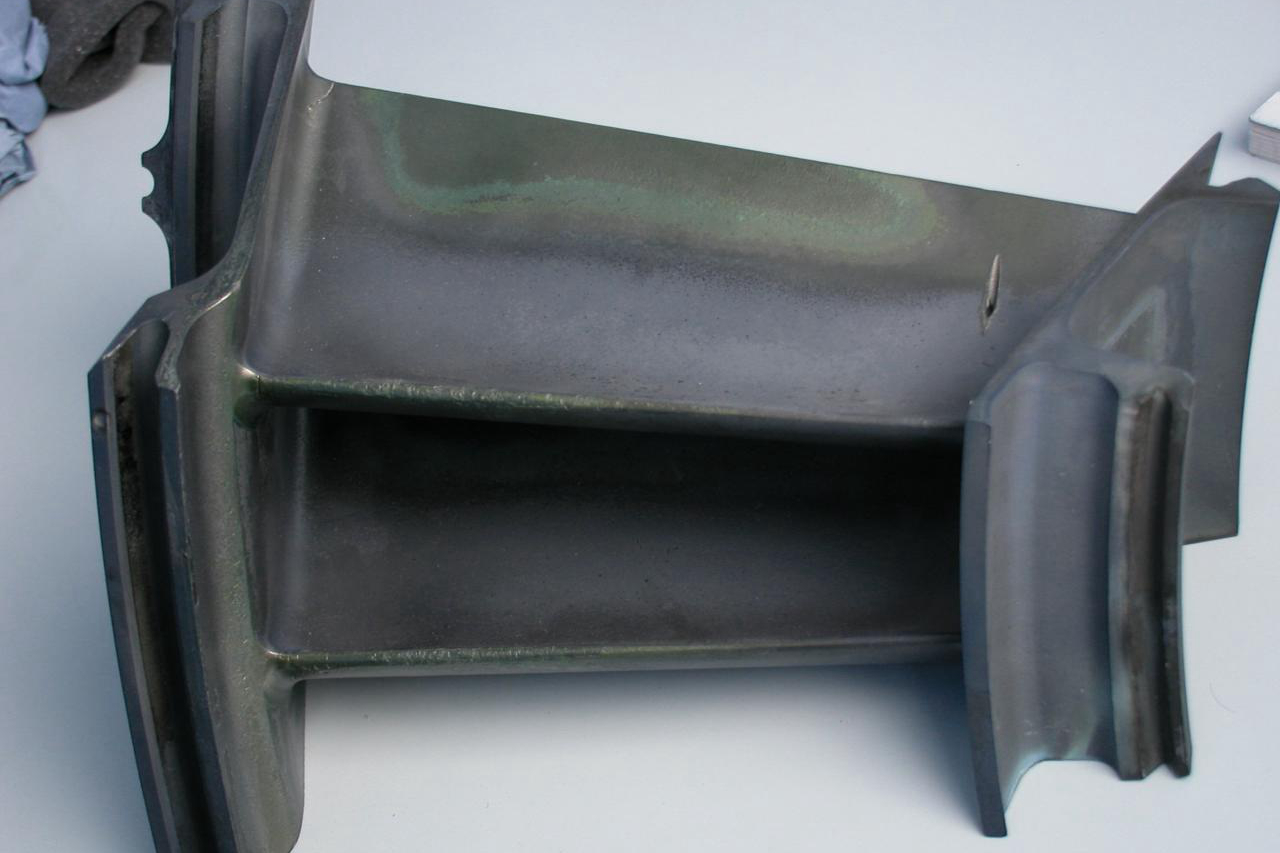
Kern-Wärmebehandlungsdienstleistungen für gleichkristalline Superlegierungsgussstücke
Unsere Wärmebehandlungsanlage bietet präzise Temperaturzyklen und Atmosphärenkontrolle, um die Gefügeintegrität und mechanischen Eigenschaften zu verbessern.
Lösungsglühen bei 1120–1180°C, um segregierte Phasen aufzulösen und die Kornstruktur zu homogenisieren
Aushärten bei 800–870°C, um die Gamma-Prime-Größe, -Verteilung und Härte zu steuern
Spannungsarmglühen für bearbeitete Komponenten zur Minimierung von Verzug
Vakuum- oder Inertgasatmosphäre, um Oxidation und Verunreinigung zu vermeiden
Jedes Temperaturprofil wird individuell nach Legierung, Geometrie und nachfolgenden Bearbeitungs- oder Beschichtungsprozessen angepasst.
Typische Legierungen in Gleichkristallform behandelt
Legierung | Max. Temp. (°C) | Streckgrenze (MPa) | Hauptanwendungen |
|---|---|---|---|
1050 | 880 | Statorschaufeln, NGVs, Endwände | |
1040 | 950 | HPT-Düsen, Turbinensegmentringe | |
1175 | 790 | Brennkammerauskleidungen, Schürzen | |
920 | 1265 | Auskleidungen, Dichtungsringe |
Diese Legierungen sprechen gut auf Wärmebehandlung an und sind für Oxidations-, Ermüdungs- und Kriechbeständigkeit ausgelegt.
Fallstudie: Aushärten und Spannungsarmglühen von Inconel 738 NGV-Segmenten
Projekthintergrund
Ein Gasturbinenkunde lieferte Inconel 738 gegossene NGV-Segmente, die lösungsgeglüht, ausgehärtet und abschließend spannungsarmgeglüht werden mussten. Das Ziel war die Stabilisierung der Korngrenzen und die Optimierung der Gamma-Prime-Verteilung. Der Prozesszyklus umfasste Lösungsglühen bei 1160°C, Aushärten bei 845°C für 16 Stunden und Abkühlen im Vakuumofen.
Behandelte Komponenten und Branchen
Komponente | Legierung | Behandlungsprozess | Branche |
|---|---|---|---|
Turbinenschaufel | Rene 77 | Lösungsglühen + Aushärten | |
NGV-Segment | Inconel 738 | Spannungsarmglühen + Aushärten | |
Brennkammerflansch | Hastelloy X | Glühen + Aushärten | |
Auskleidung | Nimonic 90 | Vollständiger Wärmebehandlungszyklus |
Jede Komponente wird durch Härteprüfung, Korngrößenanalyse und Röntgenuntersuchung verifiziert.
Wichtige Wärmebehandlungsherausforderungen für gleichkristalline Superlegierungen
Phasensegregation in interdendritischen Bereichen ohne ordnungsgemäße Homogenisierung
Karbidagglomeration, wenn beim Lösungsglühen 1200°C überschritten werden
Thermische Verformung in großen Schaufeln und dünnwandigen Merkmalen
Kornwachstumsunterdrückung erforderlich während längerer Hochtemperaturhaltung
Ausscheidungsgrößenkontrolle entscheidend für Kriechbeständigkeit und Ermüdungsleistung
Thermische Verarbeitungslösungen
Rampengesteuerte Öfen mit einer Genauigkeit von ±2°C über die gesamte Charge
Vakuum- oder Argonkammerbehandlung, um Oxidation und Verunreinigung zu eliminieren
HIP-Integration vor der Wärmebehandlung zur Porenentfernung
Mehrzonen-Gasstromabbildung für gleichmäßige thermische Belastung
Kontrolliertes Aushärten bei 845°C ±5°C, um eine Härte von 350–400 HV in Inconel 738 zu erreichen
Ergebnisse und Qualitätsvalidierung
Prozessdurchführung
Die Teile wurden in mehrzyklusprogrammierbaren Öfen mit Atmosphärenkontrolle behandelt. Kernelemente hielten Maßtoleranzen innerhalb von ±0,03 mm nach dem Aushärten und der Bearbeitung ein.
Metallografische Ergebnisse
REM bestätigte eine gleichmäßige Gamma-Prime-Verteilung. Die Korngröße über gleichkristalline Schaufeln entsprach ASTM 6–7. Keine Oxidpenetration oder Karbidkoaleszenz festgestellt.
Endkontrolle
CMM bestätigte die Profilstabilität. Röntgen und REM validierten die metallurgische Integrität. Die Endhärte entsprach den Designkriterien (370–390 HV).
FAQs
Was ist der optimale Aushärtungszyklus für Inconel 738 Gleichkristallgussstücke?
Können Sie Rene 77 Düsen wärmebehandeln, ohne dimensionsbedingte Verformung zu verursachen?
Welche Atmosphäre wird während der Hochtemperatur-Lösungsbehandlung verwendet?
Wie wird das Kornwachstum in großen Turbinenschaufelgussstücken kontrolliert?
Bieten Sie integrierte HIP- und Wärmebehandlung für gleichkristalline Turbinenkomponenten an?
