
Nimonic 75 Präzisionsguss für Luft- und Raumfahrt-Abgasanlagen
Einführung
Nimonic 75 ist eine Nickel-Chrom-Legierung, die für ihre ausgezeichnete Oxidationsbeständigkeit, strukturelle Stabilität und moderate Festigkeit bei erhöhten Temperaturen bis zu 950°C bekannt ist. Als spezialisiertes Feinguss-Unternehmen fertigen wir Hochleistungskomponenten aus Nimonic 75 für Abgasanlagen in der Luft- und Raumfahrt mit engen Maßtoleranzen (±0,05 mm), feinkörnigen Gefügen und Porositätsgraden unter 1 %.
Unsere Teile sind maßgeschneidert für Strahlabgasleitungen, Nachbrennerauskleidungen und thermische Abschirmungen in Luft- und Raumfahrt-Triebwerkssystemen, die unter extremen thermischen Bedingungen arbeiten.
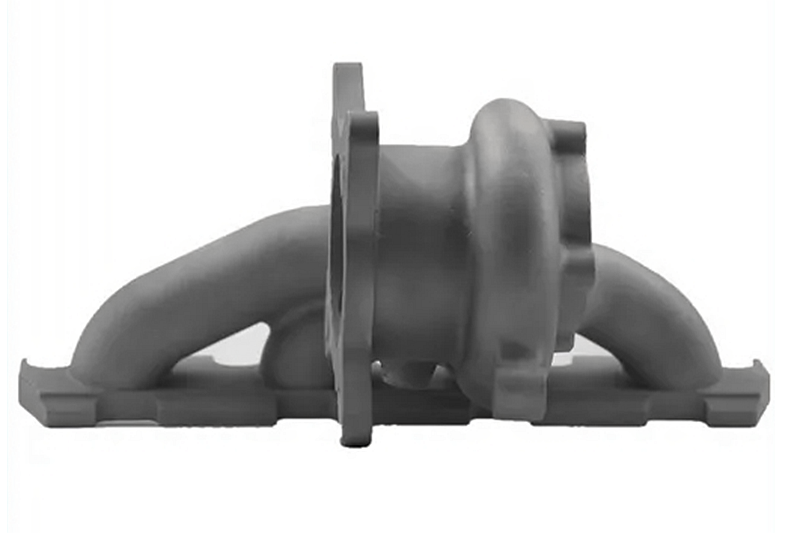
Kerntechnologie: Feinguss von Nimonic 75
Unser Feingussverfahren verwendet präzisionsgeformte Wachsmodelle, 8–10 Lagen keramischer Schale und Vakuumschmelzen bei etwa 1420°C. Die Formen werden auf 1050°C vorgeheizt, um einen gleichmäßigen Metallfluss und vollständige Formfüllung zu ermöglichen. Kontrollierte Erstarrung (Abkühlrate 40–100°C/min) erzeugt gleichachsige Korngrößen (0,5–2 mm) und Maßgenauigkeiten innerhalb von ±0,05 mm, was für Hochleistungs-Abgassystemkomponenten entscheidend ist.
Materialeigenschaften der Nimonic 75-Legierung
Nimonic 75 ist eine schmied-/gussgeeignete Nickel-Chrom-Legierung, die für moderate Hochtemperaturfestigkeit und ausgezeichnete Oxidations- und Zunderbeständigkeit ausgelegt ist. Sie arbeitet zuverlässig unter oxidierenden und thermisch wechselnden Bedingungen. Zu den Haupteigenschaften gehören:
Eigenschaft | Wert |
|---|---|
Schmelzbereich | 1320–1380°C |
Dichte | 8,37 g/cm³ |
Zugfestigkeit (bei 800°C) | ≥600 MPa |
Streckgrenze (bei 800°C) | ≥300 MPa |
Dehnung | ≥30 % |
Betriebstemperaturgrenze | ~950°C |
Oxidationsbeständigkeit | Ausgezeichnet (Luft, Verbrennungsgase) |
Diese Eigenschaften machen Nimonic 75 zu einem idealen Material für Strahlabgasteile, die thermische Stabilität und Korrosionsbeständigkeit über viele Zyklen erfordern.
Fallstudie: Nimonic 75 Abgaskomponenten für die Luft- und Raumfahrt
Projekthintergrund
Ein Zulieferer für Flugzeugtriebwerke benötigte leichte, oxidationsbeständige Abgasleitungsauskleidungen und Düsensegmente, die bei kontinuierlichen Temperaturen um 900°C arbeiten. Unsere Lösung: Vakuumgegossene Nimonic 75-Komponenten mit Dünnwandgeometrien (2–3 mm) und komplexen Krümmungsprofilen, die den AMS 5599- und Luftfahrt-Maßstandards entsprechen.
Typische Anwendungen in Luftfahrt-Abgassystemen
Turbofan-Abgasdüsenauskleidungen (z.B. CFM56, PW4000): Hochtemperatur-Nimonic 75-Auskleidungen, die ihre Form unter zyklischer Belastung beibehalten und langfristigen Oxidationsschutz bieten.
Nachbrennerauskleidungen (z.B. F404, EJ200): Wärmeschutzkomponenten, die schnellen thermischen Zyklen und heißen Verbrennungsgasen bis zu 950°C ausgesetzt sind.
Strahlrohr-Isolationsschilde (z.B. LEAP-1A): Präzisionsgegossene, korrosionsbeständige Paneele, die thermische Barrieren für Hochbypass-Abgaskonfigurationen bilden.
Abgasgehäuse für Hilfstriebwerke (APU): Nimonic 75-Schalen, die Gewichtsersparnis und hohe Oxidationsbeständigkeit für bordeigene Abgasmanagementsysteme bieten.
Diese Teile sind für thermische Belastbarkeit, Maßstabilität und Zuverlässigkeit in kommerziellen und militärischen Antriebssystemen ausgelegt.
Fertigungslösungen für Luftfahrt-Abgaskomponenten
Gussprozess Wachsmodelle werden zu keramischen Schalenformen zusammengebaut, gesintert und bei ~1420°C vakuumgegossen. Die Erstarrung wird kontrolliert, um ein gleichmäßiges Gefüge zu erzeugen und innere Schrumpfung oder Verzug während der Formabkühlung zu minimieren.
Nachbearbeitung Die Komponenten durchlaufen Heißisostatisches Pressen (HIP) bei ~1175°C und 100 MPa, um Mikroporen zu entfernen. Die finale Bearbeitung und das Schleifen stellen die Einhaltung einer Profilgenauigkeit von ±0,05 mm für Passflächen und Schraubverbindungen sicher.
Oberflächenbehandlung Optionale Aluminierung oder oxidationsbeständige Keramikbeschichtungen werden mittels Packzementation oder Plasmaspritzen aufgebracht, um die Langzeitbeständigkeit bei Hitzeeinwirkung in Verbrennungsgaszonen weiter zu verbessern.
Prüfung und Inspektion Kritische Inspektionen umfassen digitale Röntgenprüfung, 3D-Koordinatenmessung (CMM), Zugversuche bei erhöhten Temperaturen und metallografische Analyse, um die Gefügekonsistenz und Phasenstabilität zu überprüfen.
Hauptfertigungsherausforderungen für Nimonic 75 Abgaskomponenten
Guss dünnwandiger Komponenten (2–3 mm) mit komplexen Formen und minimalem Verzug.
Sicherstellung der Oxidationsbeständigkeit und mechanischen Stabilität bei kontinuierlichen Temperaturen bis zu 950°C.
Einhaltung von Luftfahrt-Qualitäts- und Maßstandards für formschlüssige Baugruppen in Hochstrom-Abgassystemen.
Ergebnisse und Verifizierung
Die gelieferten Nimonic 75 Abgassystemkomponenten erreichten:
Wanddickenpräzision innerhalb von ±0,05 mm über das gesamte aerodynamische Konturprofil.
Porosität <1 %, validiert durch radiografische Inspektion und metallografische Querschliffe.
Oxidationsbeständigkeit validiert nach 1000-stündigen Hochtemperaturbelastungstests bei 950°C.
Konsistente mechanische Festigkeit ≥600 MPa unter erhöhten Betriebsbedingungen.
Häufig gestellte Fragen
Warum ist Nimonic 75 für Luftfahrt-Abgassystemkomponenten geeignet?
Welche Toleranzen und Wanddicken können durch Feinguss erreicht werden?
Welche Arten von Oberflächenbehandlungen verbessern die Oxidationsbeständigkeit von Nimonic 75?
Können Nimonic 75-Komponenten für spezifische Triebwerksplattformen angepasst werden?
Welche Prüfverfahren werden verwendet, um die Gussqualität für die Luftfahrt zu verifizieren?
