
Hastelloy B-2 Superlegierung CNC-Bearbeitung Chemieverarbeitungsreaktoren Lieferant
Einführung
Hastelloy B-2 ist eine Nickel-Molybdän-Superlegierung, die für ihre herausragende Beständigkeit gegen Salzsäurekorrosion und ausgezeichnete thermische Stabilität bei Temperaturen bis zu 870°C bekannt ist. Durch präzise Superlegierung CNC-Bearbeitung fertigt unser Unternehmen hochwertige Komponenten für Chemieverarbeitungsreaktoren und gewährleistet Maßgenauigkeiten von ±0,01 mm für kritische industrielle Anwendungen.
Mit spezialisierten Fertigungskapazitäten, einschließlich fortschrittlicher CNC-Technologien, dienen unsere Hastelloy B-2 Reaktoren zuverlässig anspruchsvollen Sektoren, insbesondere der Chemieverarbeitungsindustrie, unter rauen Betriebsbedingungen.
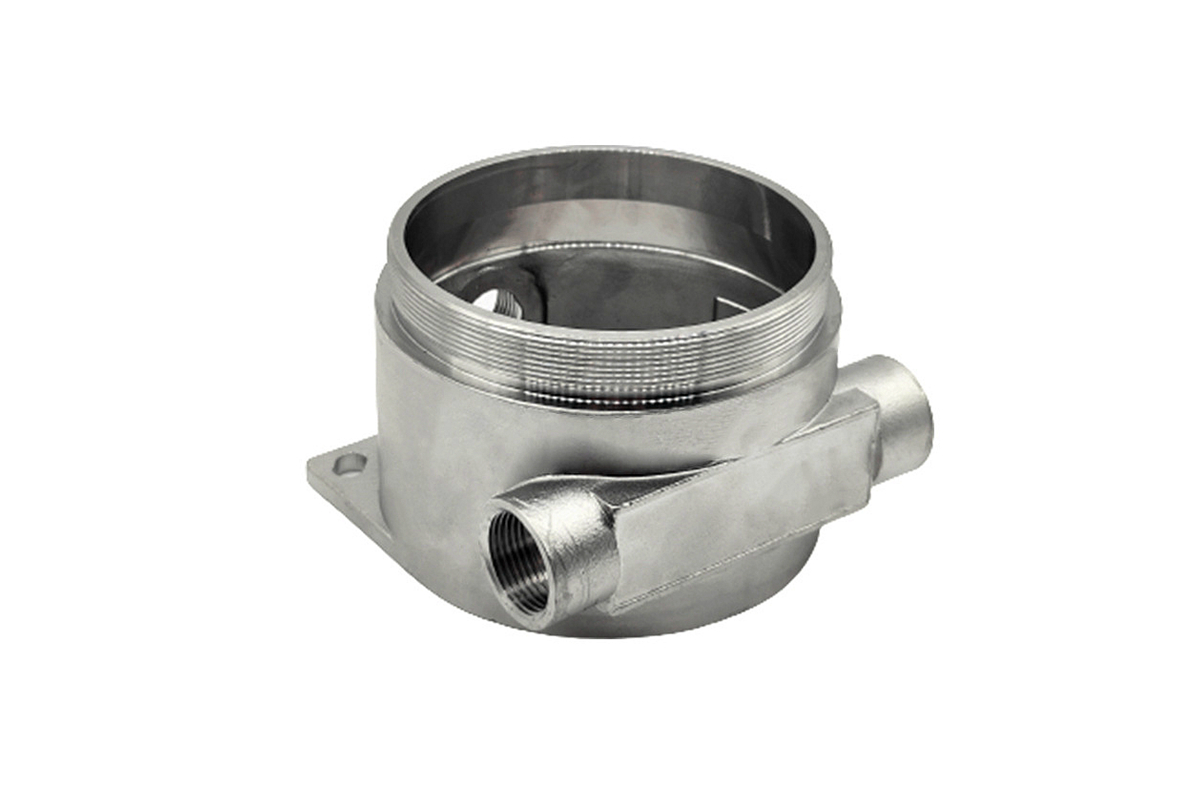
Kern-Technologie: Superlegierung CNC-Bearbeitung von Hastelloy B-2
Unter Nutzung modernster CNC-Bearbeitungszentren mit Hochgeschwindigkeitsspindeln (bis zu 20.000 U/min) erreichen wir eine präzise Bearbeitung von Hastelloy B-2 Reaktorkomponenten. Fortschrittliche Programmiertechniken gewährleisten genaue Maßtoleranzen innerhalb von ±0,01 mm. Optimale Schnittparameter, einschließlich Hartmetallwerkzeugen und kontrollierten Schnittgeschwindigkeiten (50–120 m/min), minimieren den Werkzeugverschleiß und maximieren die Oberflächengüte, wodurch strenge Industriestandards erfüllt werden.
Materialeigenschaften der Hastelloy B-2 Legierung
Die Hastelloy B-2 Legierung eignet sich besonders für stark korrosive chemische Umgebungen und zeichnet sich durch eine außergewöhnliche Beständigkeit gegen Salzsäure- und Chlorwasserstofflösungen aus. Wichtige Eigenschaften sind:
Eigenschaft | Wert |
|---|---|
Schmelzbereich | 1330–1380°C |
Dichte | 9,22 g/cm³ |
Zugfestigkeit (bei 760°C) | 540 MPa |
Streckgrenze (bei 760°C) | 220 MPa |
Dehnung | ≥40% |
Wärmeleitfähigkeit | 11,1 W/m·K |
Korrosionsbeständigkeit | Ausgezeichnet (HCl, H₂SO₄) |
Diese Eigenschaften ermöglichen es Hastelloy B-2 Reaktoren, extremen Bedingungen standzuhalten, wie sie typischerweise in der chemischen Verfahrenstechnik auftreten.
Fallstudie: CNC-gefertigte Hastelloy B-2 Chemieverarbeitungsreaktoren
Projekthintergrund
Ein globaler Chemiehersteller benötigte Hochleistungs-Reaktorgefäße, die stark korrosiven Umgebungen mit konzentrierter Salzsäure und Schwefelsäure standhalten können. Hastelloy B-2 wurde aufgrund seiner nachgewiesenen Korrosionsbeständigkeit und strukturellen Stabilität ausgewählt. Die Komponenten wurden mittels CNC-Bearbeitung gefertigt, um die Einhaltung der ASME- und ASTM-Materialstandards zu gewährleisten.
Typische Reaktormodelle und Anwendungen
Batch-Reaktoren: Präzisionsgefertigte Komponenten für die Handhabung hochkorrosiver Batch-Chemiereaktionen mit starken Säuren und halogenierten Verbindungen.
Kontinuierliche Rührkesselreaktoren (CSTRs): Gefertigte Reaktorgefäße mit konstanter Maßgenauigkeit für zuverlässige kontinuierliche Betriebsabläufe in sauren Lösungen bei erhöhten Temperaturen.
Strömungsrohrreaktoren (PFRs): CNC-gefertigte Rohre und Fittings, die für gleichmäßigen Durchfluss und chemische Reaktionseffizienz in Umgebungen über 800°C ausgelegt sind.
Katalytische Reaktoren: Maßgeschneiderte Komponenten, präzise bearbeitet für katalytische Prozesse, die Beständigkeit gegen chemischen Angriff und thermische Wechselbelastung erfordern.
Diese Reaktormodelle verbessern die Betriebszuverlässigkeit in chemischen Herstellungsprozessen erheblich.
Herstellungslösungen für Reaktorkomponenten
CNC-Bearbeitungsprozess Hastelloy B-2 Komponenten werden auf fortschrittlichen Mehrachsen-CNC-Bearbeitungszentren bearbeitet. Präzisionsschneidwerkzeuge mit Hartmetalleinsätzen, die bei kontrollierten Vorschubgeschwindigkeiten (0,1–0,3 mm/U) und optimierten Spindeldrehzahlen arbeiten, erreichen Oberflächengüten bis zu Ra 0,8 µm und gewährleisten Maßgenauigkeiten innerhalb von ±0,01 mm.
Nachbearbeitung Bearbeitete Teile durchlaufen Wärmebehandlungsprozesse, einschließlich Lösungsglühen bei 1065°C mit anschließender schneller Abkühlung, um die Kornstruktur zu verfeinern, die Korrosionsbeständigkeit zu verbessern und die mechanischen Eigenschaften zu optimieren.
Oberflächenbehandlung Komponenten erhalten spezielle Passivierungsbehandlungen, um Oberflächenverunreinigungen zu entfernen und die Korrosionsbeständigkeit zu verbessern, entsprechend den ASTM A967 Standards. Zusätzliche Elektropolierprozesse erhöhen die Oberflächenglätte und Korrosionsbeständigkeit, was für chemisch aggressive Umgebungen entscheidend ist.
Prüfung und Inspektion Strenge Prüfungen umfassen die Maßverifikation mittels Koordinatenmessmaschinen (CMM), zerstörungsfreie Bewertungen via Ultraschallprüfung und Materialverifikation durch spektroskopische Analyse, um sicherzustellen, dass die Komponenten Industriestandards erfüllen oder übertreffen.
Kern-Herausforderungen bei der Fertigung von Hastelloy B-2 Reaktoren
Die Herstellung von Hastelloy B-2 Reaktorkomponenten erforderte die Bewältigung kritischer Herausforderungen, darunter:
Kontrolle der Maßtoleranzen auf ±0,01 mm Präzision.
Minimierung bearbeitungsbedingter Spannungen, um Verzug oder Risse zu verhindern.
Reduzierung des Werkzeugverschleißes, verursacht durch die hohe Kaltverfestigungsrate der Legierung, gesteuert durch optimale Werkzeuge und Schnittparameter.
Ergebnisse und Verifikation
Die gelieferten CNC-gefertigten Hastelloy B-2 Reaktorkomponenten zeigten eine überlegene Leistung in den chemischen Verarbeitungsanwendungen des Kunden:
Verifizierte Maßgenauigkeit innerhalb von ±0,01 mm durch fortschrittliche CMM-Inspektionen.
Außergewöhnliche Korrosionsbeständigkeit, demonstriert durch strenge Korrosionstests, die die Standard ASTM G28 Anforderungen übertrafen.
Dokumentierte mechanische Festigkeit, verifiziert durch Zugversuche, die die spezifizierten Streckgrenzen von ≥220 MPa bei hohen Temperaturen erfüllten.
FAQs
Welche Vorteile bietet die CNC-Bearbeitung für Hastelloy B-2 Reaktorkomponenten?
Wie schneidet Hastelloy B-2 in hochkorrosiven chemischen Umgebungen ab?
Welche Prüfverfahren gewährleisten die Qualität von CNC-gefertigten Hastelloy B-2 Komponenten?
Können Sie Hastelloy B-2 Reaktorkomponenten basierend auf einzigartigen chemischen Verarbeitungsanforderungen anpassen?
Welche Oberflächenbehandlungsmethoden verbessern die Korrosionsbeständigkeit von Hastelloy B-2 Teilen?
2/2
