
Honeywell: Fallstudie zum sekundären Turbinenleitschaufelgehäuse mit equiaxialer Kristallgusstechnik
Einleitung
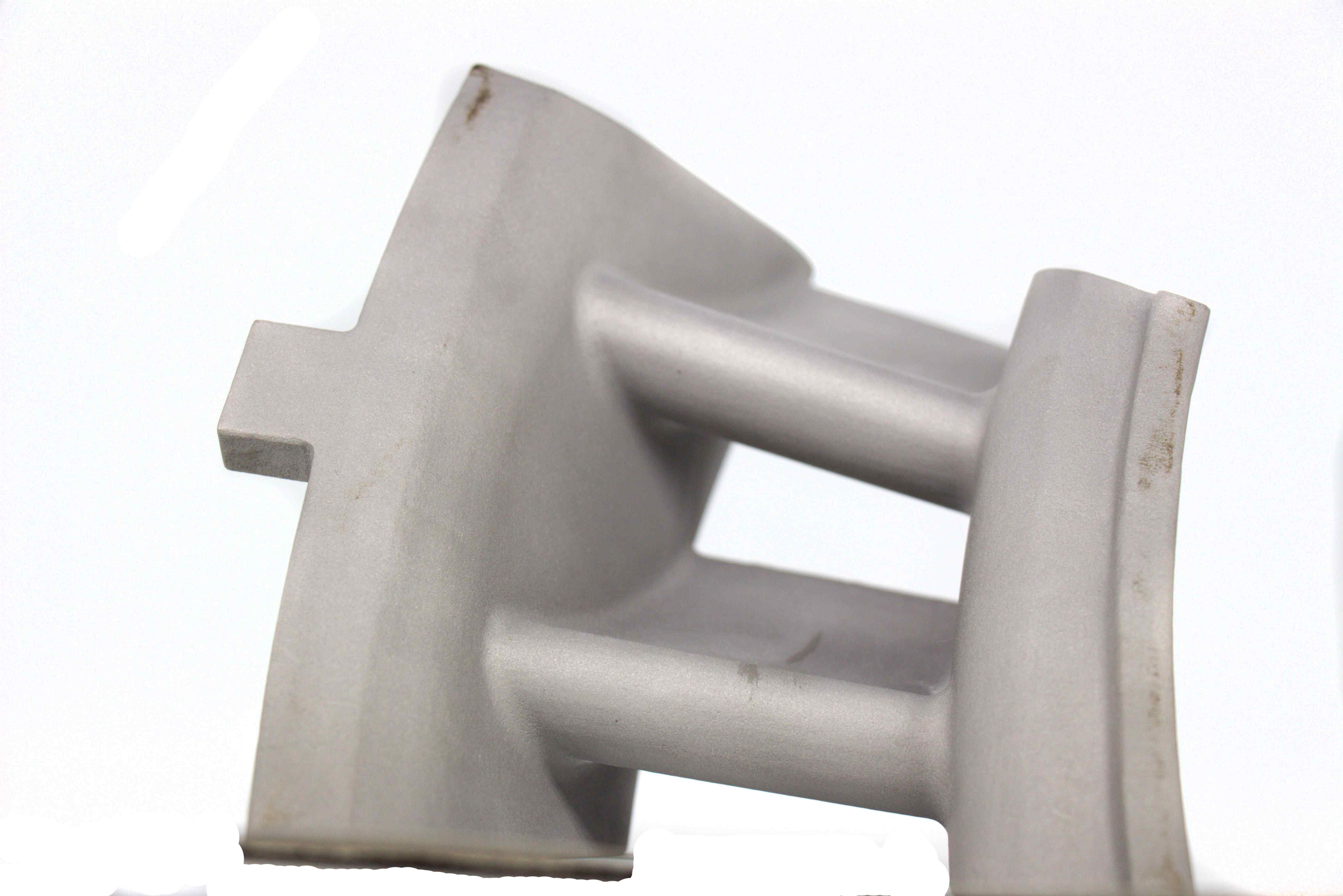
In der heutigen Luftfahrtindustrie, in der Kraftstoffeffizienz und niedrigere Emissionen zunehmend an Bedeutung gewinnen, waren das Design und die Fertigung von Turbinenkomponenten noch nie so entscheidend. Dabei spielt die sekundäre Turbinenleitschaufel eine vitale Rolle bei der Formung des Luftstroms stromabwärts der Turbinenschaufeln der ersten Stufe und gewährleistet unter extremen Bedingungen die Effizienz des Triebwerks. Honeywell, ein renommierter Hersteller von Luftfahrttriebwerken, hat kürzlich ein fortschrittliches Programm zur Optimierung der Produktion sekundärer Turbinenleitschaufeln mittels equiaxialer Kristallgusstechnik gestartet. Diese Fallstudie untersucht die ingenieurtechnischen Strategien, Fertigungsprozesse und Qualitätskontrollen, die in dieses Projekt involviert sind.
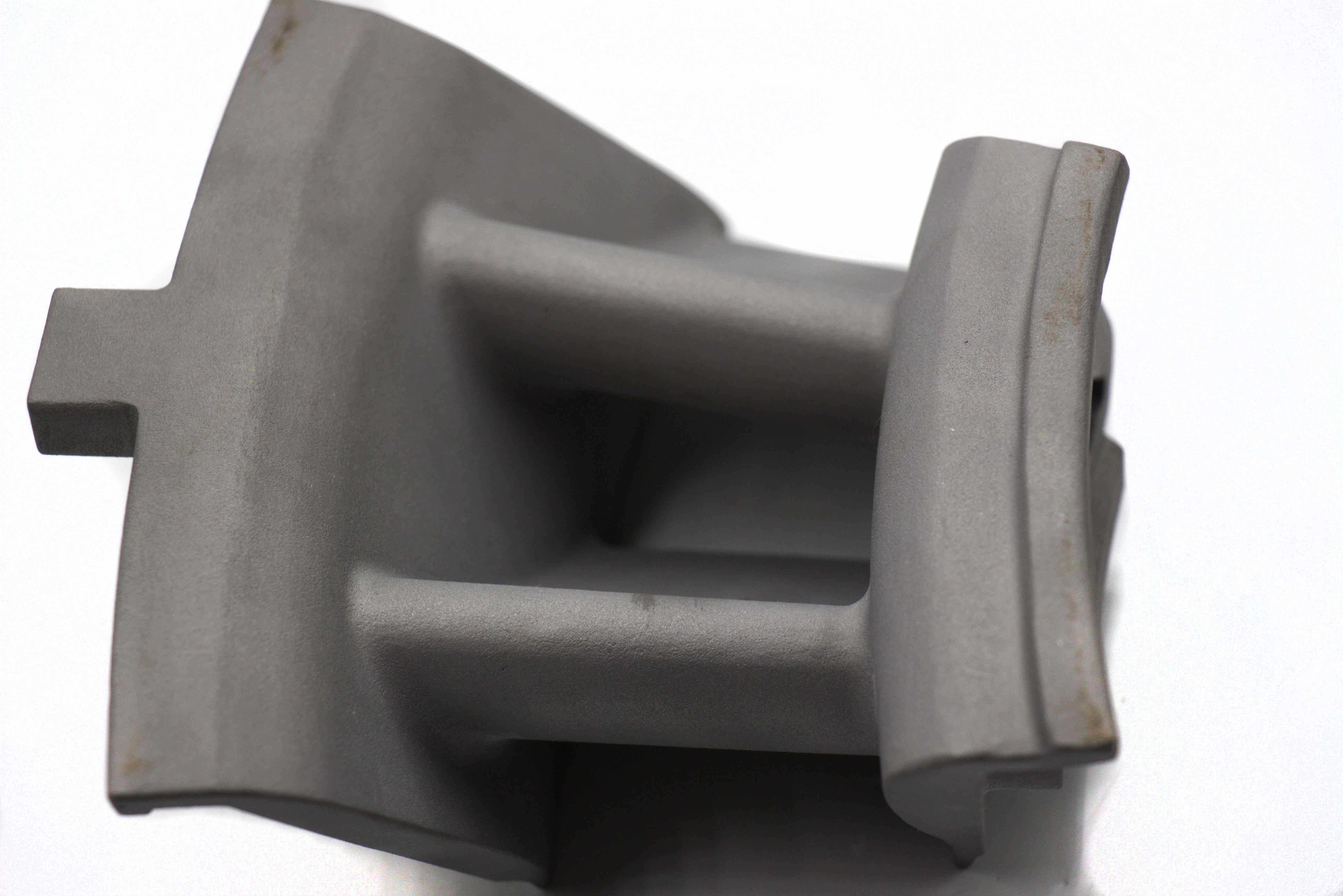
Hintergrund und Konstruktionsanforderungen des Honeywell-Projekts
Die HTF7000-Serie von Honeywell, die eine Reihe von Geschäftsreiseflugzeugen antreibt, erfordert sekundäre Turbinenleitschaufeln, die zuverlässig in rauen Umgebungen operieren können. Diese Leitschaufeln befinden sich stromabwärts der Schaufeln der ersten Stufe und sind Temperaturen zwischen 110 °C und 1150 °C sowie schwankenden thermischen und mechanischen Belastungen ausgesetzt. Zu den wichtigsten Konstruktionsanforderungen gehörten:
Ausgezeichnete Oxidations- und Korrosionsbeständigkeit
Lange Lebensdauer bei Low-Cycle- und High-Cycle-Ermüdung
Präzises aerodynamisches Profil und optimierte interne Kühlkanäle
Kosteneffiziente Produktion für Wettbewerbsfähigkeit im Markt
Nach umfangreichen Materialbewertungen wählten die Ingenieure von Honeywell Legierungen wie Inconel 738 und Rene 77, die beide für ihre robuste Hochtemperaturleistung bekannt sind. Die Entscheidung für den Einsatz von Equiaxialem Kristallguss aus Superlegierungen wurde durch eine Kombination aus Anforderungen an die mechanische Leistung und Kostenoptimierung getrieben. Im Gegensatz zu einkristallinen oder gerichtet erstarrten Schaufeln können sekundäre Leitschaufeln bei entsprechender Kontrolle Korn grenzen tolerieren, was den equiaxialen Guss zu einer pragmatischen Wahl macht.
Prozessdesign für equiaxialen Kristallguss
Logik des Prozessdesigns
Die Wahl des equiaxialen Gusses bietet mehrere Vorteile:
Erhöhte Zähigkeit aufgrund einer Mehrkornstruktur
Geringere Herstellungskosten im Vergleich zum Einkristallguss
Größere Flexibilität bei der Geometrie, insbesondere für komplexe Kühlfunktionen der Leitschaufeln
Angesichts dieser Faktoren passte das Honeywell-Team den Prozess an, um eine optimale Gefügesteuerung zu erreichen, wobei der Fokus auf der Einheitlichkeit der Korngröße und minimaler Seigerung lag.
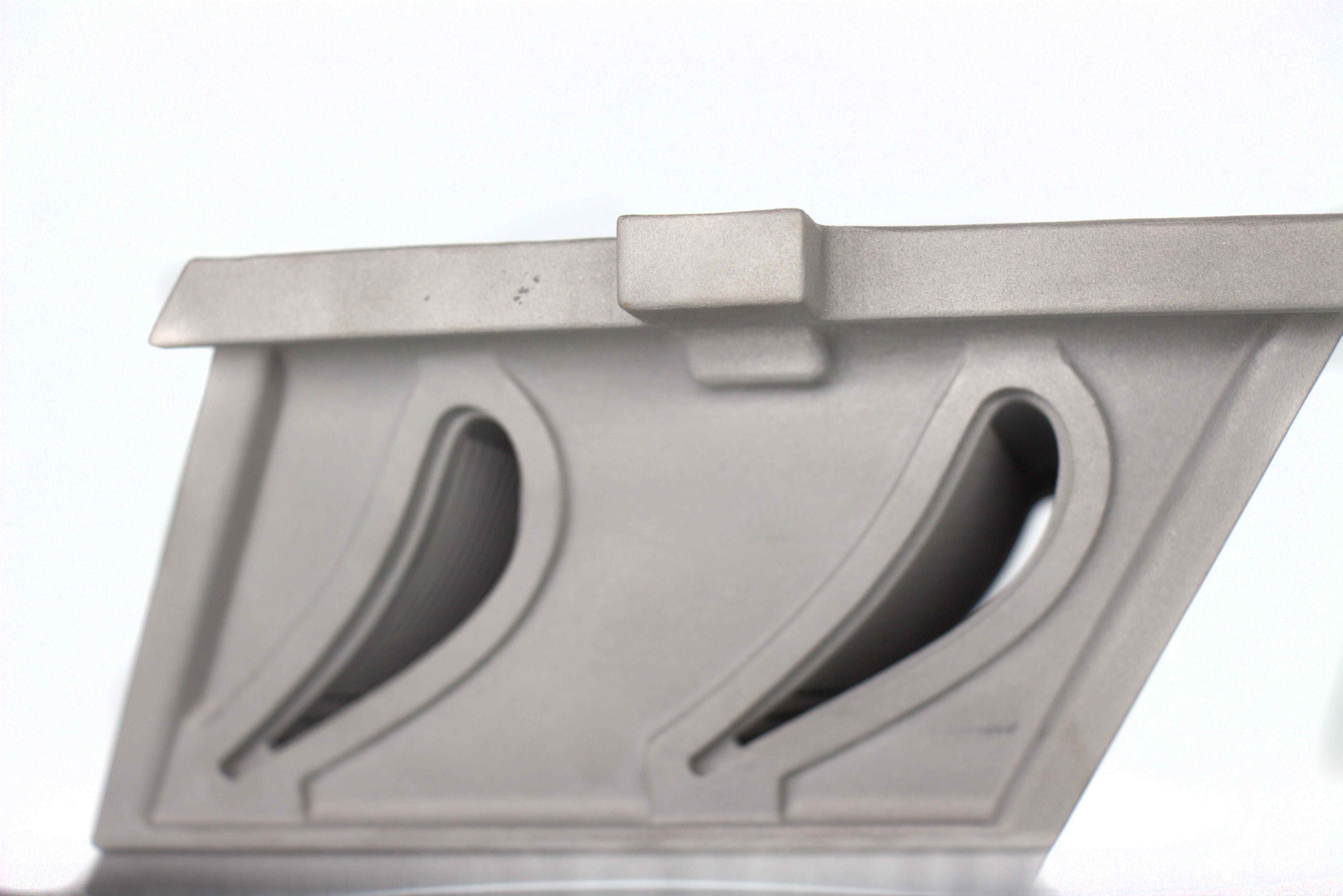
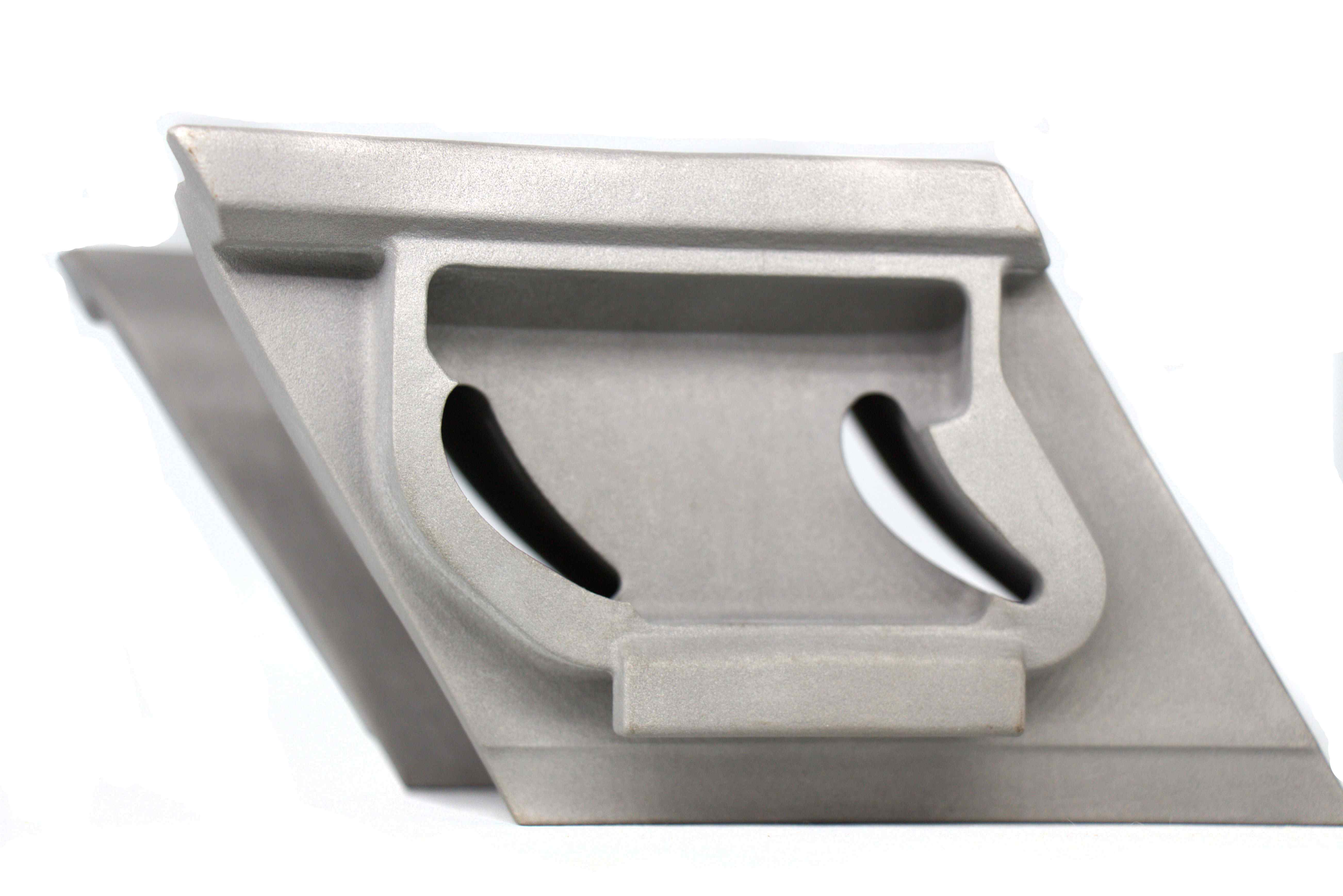
Vakuumschmelzen und Vorbereitung der Keramikschale
Im Kern des Fertigungsprozesses steht das fortschrittliche Vakuum-Feingießen. Der Arbeitsablauf beginnt mit dem Vakuumschmelzen der ausgewählten Superlegierungsblöcke, um eine hohe chemische Reinheit zu gewährleisten. Bei der Vorbereitung der Keramikform werden optimierte Verbundschalensysteme aus Y2O3 + Al2O3 verwendet, um wiederholten thermischen Zyklen und aggressiver Schmelzmetallchemie standzuhalten.
Zu den wichtigsten Prozessparametern gehören:
Legierungsschmelztemperatur: 1600–1650 °C
Vorheiztemperatur der Form: 1450–1500 °C
Kontrollierte Gießrate zur Minimierung von Turbulenzen und eingeschlossenem Gas
An die Ziele der Kornstruktur angepasste Abkühlrate
Das Gussdesign beinhaltet zudem proprietäre Anschnitt- und Steigersystemkonfigurationen, um die gerichtete Erstarrung innerhalb des equiaxialen Bereichs zu fördern.
Fehlerkontrolle und Inspektionsprozesse
Typische Fehlerarten
Die Fehlerkontrolle ist von größter Bedeutung, um die mechanische Integrität sekundärer Turbinenleitschaufeln zu gewährleisten. Zu den wichtigsten Fehlern, die eliminiert werden sollen, gehören:
Schrumpfporen
Nichtmetallische Einschlüsse
Grobe oder nicht einheitliche Kornstruktur
Oxidation der Oberfläche und Keramikeinschlüsse
Inspektionstechniken
Honeywell hat ein mehrstufiges Inspektionsprotokoll unter Verwendung fortschrittlicher zerstörungsfreier Prüfung (ZfP) und Metallographie eingeführt:
Inspektionsmethode | Zielfehler | Beispielgerät | Abnahmekriterien |
|---|---|---|---|
Poren, Schrumpfhohlräume | Industrielles Röntgensystem | gemäß AMS STD | |
Spurenelementverunreinigungen | GDMS-Spektrometer | < 0,01 % Verunreinigung | |
Metallographische Mikroskopie | Korngröße und Seigerung | Optisches Mikroskop | Konform mit ASTM E112 |
CT-Scanning | Integrität der internen Kühlkanäle | Industrieller CT-Scanner | Einhaltung der Konstruktionsspezifikation |
SEM + EDS | Oberflächeneinschlüsse und Oxidschichten | Hochauflösendes SEM | Keine fremden Phasen erlaubt |
Dieses robuste Inspektionsregime stellt sicher, dass jede Leitschaufel die strengen Standards von Honeywell und der Luftfahrtindustrie erfüllt.
Nachbearbeitungstechniken
Heißisostatisches Pressen (HIP)
Nach dem Guss werden die Bauteile einem Heißisostatischen Pressen (HIP) unterzogen, um Mikroporosität zu eliminieren und das innere Gefüge zu homogenisieren. Die Prozessbedingungen werden präzise gesteuert:
Temperatur: 1180–1220 °C
Druck: 100–150 MPa
Haltedauer: 3–4 Stunden
HIP verbessert die Ermüdungsleistung erheblich, was angesichts der zyklischen Belastungsbedingungen, denen sekundäre Leitschaufeln ausgesetzt sind, besonders wichtig ist.
Wärmebehandlung
Die anschließende Wärmebehandlung** verfeinert das Legierungsgefüge weiter:
Lösungsglühen bei 1190–1210 °C zum Auflösen unerwünschter Phasen
Kontrolliertes Abkühlen zur Anpassung der γ/γ'-Morphologie
Auslagerungsbehandlungen bei 850–900 °C zur Optimierung der Hochtemperaturfestigkeit und Ermüdungsbeständigkeit
Diese Schritte sind entscheidend, um die Zielwerte für Kriech- und Oxidationsbeständigkeit zu erreichen.
Oberflächenbehandlung: TBC und Oberflächenkonditionierung
Über die kernmetallurgischen Eigenschaften hinaus ist der Oberflächenschutz für sekundäre Turbinenleitschaufeln aufgrund der prolonged Exposition gegenüber heißen Gasströmen und korrosiven Umgebungen unerlässlich. Honeywell setzt fortschrittliche Systeme für Wärmedämmschichten (TBC) ein, um diesen Schutz zu bieten.
Das TBC-System besteht aus:
Bond Coat: typischerweise MCrAlY, bietet Oxidationsbeständigkeit und eine Diffusionsbarriere
Keramische Deckschicht: yttriumstabilisiertes Zirkoniumdioxid (YSZ), 100–250 µm dick, aufgetragen mittels Luftplasmaspritzen oder Elektronenstrahl-Physikalischer Gasphasenabscheidung (EB-PVD)
Diese Beschichtungen reduzieren die Temperatur der Metalloberfläche effektiv um 100–150 °C und verlängern so die Lebensdauer der Leitschaufel erheblich.
Zusätzlich durchlaufen die Leitschaufeln eine präzise Oberflächenkonditionierung:
Entfernung von Keramikrückständen von inneren und äußeren Oberflächen
Polieren zur Erzielung einer Oberflächenrauheit von Ra < 1,5 µm, wo erforderlich
Auftragen von Antioxidationsbeschichtungen in ausgewählten Bereichen zur Verhinderung von Heißkorrosion
Dieser umfassende Ansatz gewährleistet optimale Leistung und Zuverlässigkeit im Betrieb.
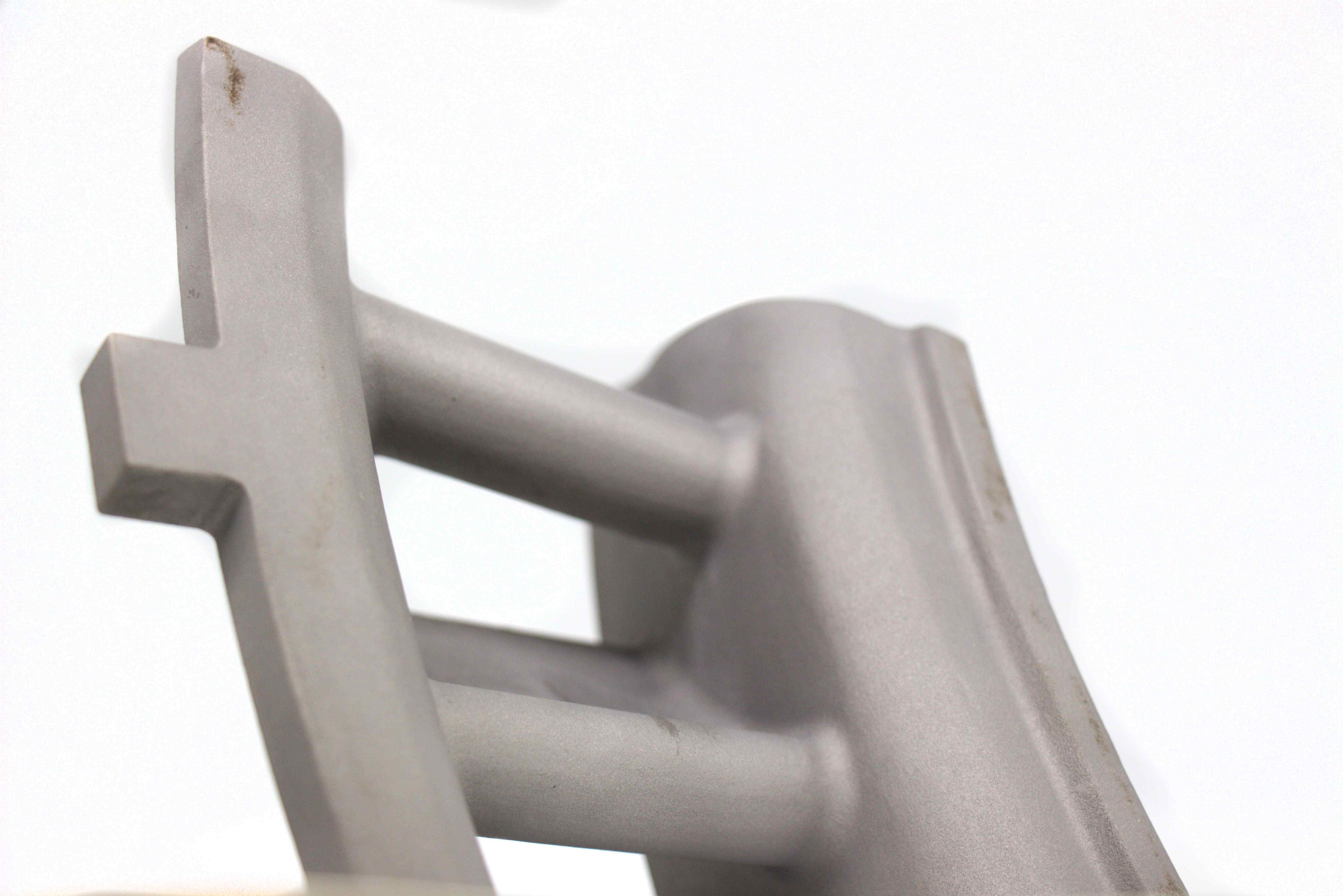
Endinspektion und Qualifizierung
Der Qualitätssicherungsprozess von Honeywell integriert rigorose Inspektions- und Qualifizierungsschritte, um die Einhaltung interner und branchenweiter Standards zu gewährleisten.
Mechanische Prüfung
Jede Produktionscharge wird folgenden Tests unterzogen:
Zugprüfung bei Raumtemperatur und erhöhten Temperaturen
Kriechprüfung zur Validierung der langfristigen Hochtemperaturfestigkeit
Ermüdungsprüfung unter sowohl Low-Cycle- als auch High-Cycle-Belastungsbedingungen
Zerstörungsfreie Bewertung (ZfB)
Fortschrittliche ZfB-Techniken gewährleisten die Bauteilintegrität:
100%ige Röntgeninspektion** auf interne Porosität und Schrumpfung
Industrielles CT-Scanning zur Validierung der Geometrie der Kühldurchgänge und Erkennung potenzieller Fehler
Wirbelstromprüfung zur Bestätigung der Oberflächenintegrität
Abschließende Sichtprüfung durch erfahrene Techniker
Zertifizierung
Leitschaufeln werden zertifiziert, um Folgendes zu erfüllen:
Interne Qualitätsstandards von Honeywell
SAE Aerospace Material Specifications (AMS)
ASTM- und ISO-Standards für Luftfahrtgussteile
Nur Bauteile, die alle Inspektionen bestehen, werden für den Triebwerkszusammenbau freigegeben.
Anwendungsergebnisse bei Honeywell
Die neu optimierten sekundären Turbinenleitschaufeln mit equiaxialer Kristallstruktur wurden bereits in mehrere Triebwerksplattformen von Honeywell integriert, darunter die Serien HTF7000 und TPE331. Das Fertigungsteam erzielte beeindruckende Ergebnisse:
15–20 % Reduzierung der Produktionskosten im Vergleich zu früheren Methoden
10–15 % Erhöhung der Bauteillebensdauer durch verbesserte Gefügesteuerung und Oberflächenschutz
Verbesserte Konsistenz beim aerodynamischen Profil und der Genauigkeit der Kühlkanäle
Diese Gewinne tragen direkt zur Triebwerkseffizienz, reduzierten Wartungskosten und einer erhöhten Kundenzufriedenheit bei.
Feldleistungsdaten aus operativen Triebwerken haben die Fertigungsverbesserungen validiert, wobei die Lebensdauer der Leitschaufeln die prognostizierten Wartungsintervalle übertrifft und eine hervorragende Zuverlässigkeit in rauen Betriebsumgebungen beibehält.
Branchentrends und Zukunftsausblick
Mit Blick auf die Zukunft ist der Prozess des equiaxialen Kristallgusses bereit, sich auf mehrere spannende Weise weiterzuentwickeln.
Smarte Fertigung
Die Integration digitaler Zwillinge und KI-gestützter Prozessüberwachung verspricht, die Gussqualität und Ausbeute weiter zu verfeinern.
Hybride Fertigung
Die Kombination von equiaxialem Guss mit präziser CNC-Bearbeitung von Superlegierungen und 3D-Druck von Superlegierungen** ermöglicht komplexere Leitschaufelgeometrien und leistungsoptimierte Designs.
Fortgeschrittene Materialien
Forschung zu neuen Legierungszusammensetzungen und TBC-Systemen der nächsten Generation wird die Bauteilleistung noch weiter vorantreiben und heißere sowie effizientere Triebwerke unterstützen.
Für Ingenieure wie mich ist es eine aufregende Zeit, an der Spitze solcher Innovationen zu stehen und die Zukunft der Luftfahrtantriebe durch Material- und Fertigungsexzellenz mitzugestalten.
Zusammenfassung und Reflexion des Ingenieurs
Das Honeywell-Projekt für sekundäre Turbinenleitschaufeln exemplifiziert die kraftvolle Synergie traditioneller Handwerkskunst und modernster Technologie. Durch sorgfältiges Prozessdesign, akribische Qualitätskontrolle und innovative Nachbearbeitung lieferte das Team ein Bauteil, das die anspruchsvollen Anforderungen heutiger Triebwerke erfüllt und gleichzeitig die kommerzielle Wettbewerbsfähigkeit bewahrt.
Wenn wir in die Zukunft blicken, wird die kontinuierliche Entwicklung von Gusstechnologien und Werkstoffwissenschaften weiterhin neue Möglichkeiten eröffnen. Für jetzt stehen diese equiaxialen Kristall-Leitschaufeln als Zeugnis dafür, was durch durchdachtes Engineering und unerschütterliche Aufmerksamkeit für Details erreicht werden kann.
Häufig gestellte Fragen (FAQs)
Welche Vorteile bietet der equiaxiale Kristallguss für Turbinenleitschaufeln?
Warum hat sich Honeywell für den equiaxialen Guss bei sekundären Turbinenleitschaufeln entschieden?
Wie verbessert TBC die Leistung sekundärer Turbinenleitschaufeln?
Welche Inspektionsmethoden gewährleisten die Qualität von Leitschaufeln in Luftfahrtanwendungen?
Welche Legierungen werden üblicherweise in equiaxial gegossenen sekundären Turbinenleitschaufeln verwendet?
