
Nimonic-Legierung Hochtemperatur-Luftfahrtteile Kundenfabrik für den Luftfahrtgebrauch
Einführung in Nimonic-Legierungen für Luftfahrtkomponenten
Nimonic-Legierungen sind unverzichtbare Materialien in der Luftfahrtfertigung, bekannt für überlegene mechanische Festigkeit, hervorragende Kriechbeständigkeit und Haltbarkeit bei hohen Temperaturen. Bei Neway AeroTech sind wir auf kundenspezifische Luftfahrtkomponenten aus fortschrittlichen Nimonic-Legierungen spezialisiert, wobei wir modernste Vakuum-Feingußverfahren und Präzisionsschmieden von Superlegierungen einsetzen.
Unser Engagement für Qualität und Präzision gewährleistet die Herstellung von Komponenten, die strengen Luftfahrtstandards entsprechen und die Zuverlässigkeit und Leistung selbst unter extremen Betriebsbedingungen verbessern. Wir liefern maßgeschneiderte Nimonic-Lösungen, die fortschrittliches Luftfahrt-Engineering unterstützen und die Lebensdauer der Komponenten verlängern.
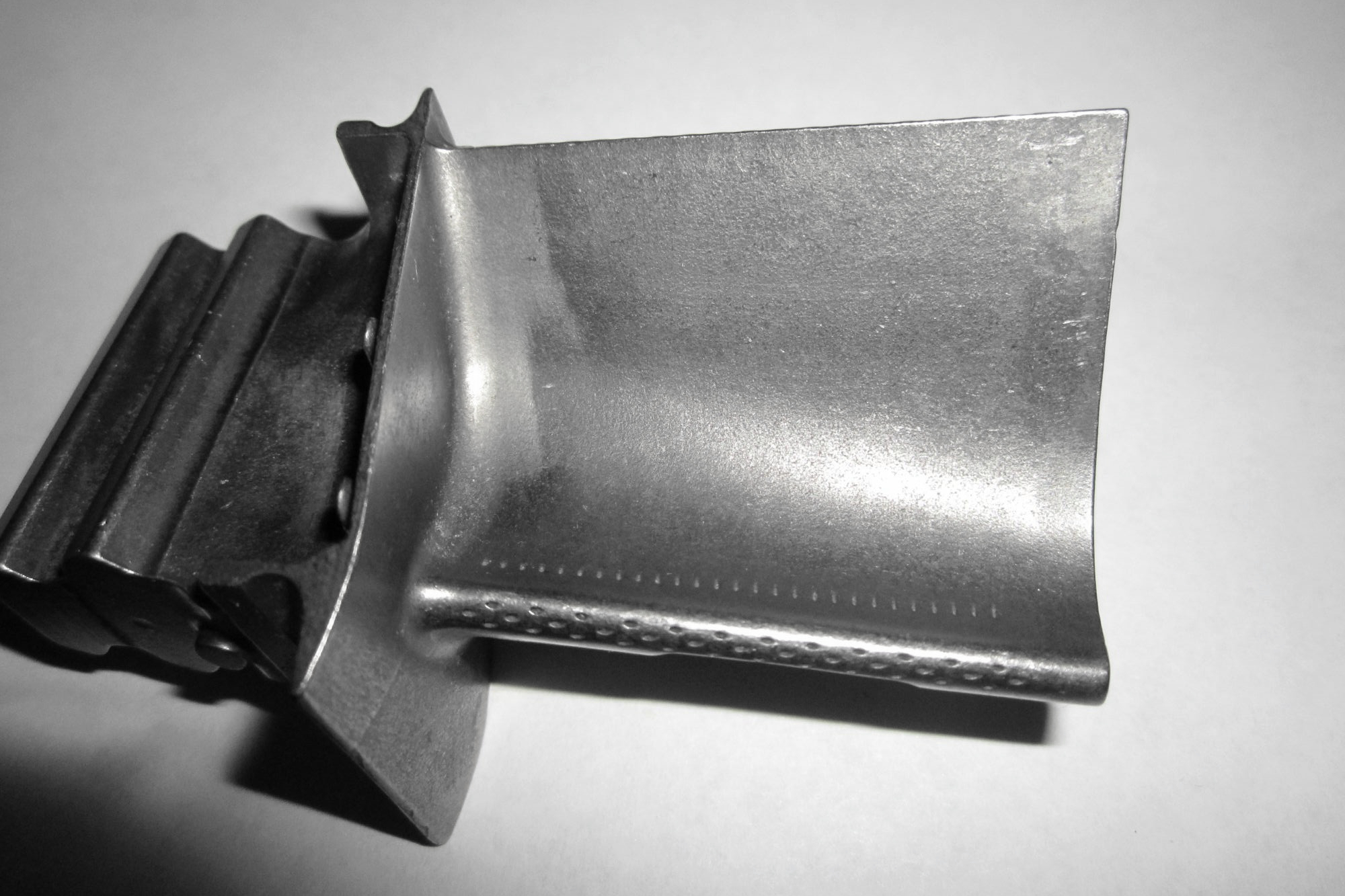
Wesentliche Herausforderungen bei der Herstellung von Nimonic-Luftfahrtteilen
Die Herstellung von Luftfahrtqualitäts-Komponenten aus Nimonic-Legierung umfasst die Bewältigung mehrerer technischer Herausforderungen:
Hochtemperaturfestigkeit: Gewährleistung der strukturellen Integrität bei Betriebstemperaturen über 1100°C.
Kriechbeständigkeit: Aufrechterhaltung stabiler Mikrostrukturen während längerer Belastung durch mechanische Spannungen und erhöhte Temperaturen.
Bearbeitbarkeitsprobleme: Umgang mit schnellen Kaltverfestigungseigenschaften, die spezielle Schneidwerkzeuge und Bearbeitungsstrategien erfordern.
Oxidation und Korrosion: Gewährleistung einer zuverlässigen Leistung gegen Oxidation und Korrosion in rauen Luftfahrtumgebungen.
Detaillierte Nimonic-Legierungsfertigungsverfahren
Vakuum-Feinguß
Präzisionswachsmodelle replizieren komplexe Luftfahrtgeometrien.
Feuerfeste Keramikformen werden durch Beschichtung der Modelle gebildet, gefolgt von Wachsentfernung in Autoklaven (ca. 180°C).
Geschmolzene Nimonic-Legierungen wurden unter Vakuumbedingungen (<0,01 Pa) gegossen, um Kontamination zu vermeiden.
Kontrollierte Abkühlung (ca. 50°C/Stunde), um innere Spannungen und Verzug zu minimieren.
Präzisionsschmieden
Nimonic-Brammen werden gleichmäßig auf Schmiedetemperaturen (950°C–1150°C) erhitzt.
Isotherme Gesenke formen Komponenten präzise und gewährleisten hohe Maßgenauigkeit und minimalen Materialverschnitt.
Optimierte Abkühlraten sichern verbesserte mechanische Eigenschaften und Ermüdungsbeständigkeit.
Vergleichende Übersicht der Nimonic-Fertigungsverfahren
Verfahren | Maßgenauigkeit | Oberflächenrauheit | Produktionsrate | Komplexitätsfähigkeit |
|---|---|---|---|---|
Vakuum-Feinguß | ±0,15 mm | Ra 3,2–6,3 µm | Mäßig | Hoch |
Präzisionsschmieden | ±0,10 mm | Ra 1,6–3,2 µm | Mäßig | Mäßig |
CNC-Bearbeitung | ±0,01 mm | Ra 0,8–3,2 µm | Mäßig | Mäßig |
SLM-3D-Druck | ±0,05 mm | Ra 6,3–12,5 µm | Schnell | Sehr hoch |
Strategische Auswahl von Fertigungsverfahren für Nimonic-Luftfahrtkomponenten
Vakuum-Feinguß: Bevorzugt für komplexe Formen und mittlere Stückzahlen, erreicht Maßgenauigkeiten von ±0,15 mm mit Kosteneffizienz.
Präzisionsschmieden: Ideal für strukturell kritische Komponenten, die überlegene Festigkeit und Oberflächenintegrität erfordern, mit Genauigkeiten bis zu ±0,10 mm.
CNC-Bearbeitung: Empfohlen für das Fertigbearbeiten hochpräziser Oberflächen, bietet Genauigkeiten bis zu ±0,01 mm und überlegene Oberflächengüten.
SLM-3D-Druck: Geeignet für komplexe Geometrien, schnellen Prototypenbau und präzise interne Strukturen, erreicht Toleranzen innerhalb von ±0,05 mm.
Nimonic-Legierungsleistungsmatrix für Luftfahrtanwendungen
Legierung | Zugfestigkeit (MPa) | Streckgrenze (MPa) | Max. Betriebstemp. (°C) | Kriechbeständigkeit | Luftfahrtanwendungen |
|---|---|---|---|---|---|
750 | 275 | 1050 | Gut | Turbinenschaufelträger | |
960 | 600 | 815 | Hervorragend | Auspuffventile | |
1180 | 750 | 920 | Überlegen | Hochleistungsscheiben | |
1150 | 800 | 950 | Außergewöhnlich | Turbinenschaufelprofile | |
1100 | 850 | 1010 | Hervorragend | Gasturbinenschaufeln | |
1000 | 585 | 950 | Überlegen | Brennkammerauskleidungen |
Optimale Nimonic-Legierungsauswahl für Luftfahrtanwendungen
Nimonic 75: Ideal für Anwendungen mit mittlerer Festigkeit, die zuverlässige Leistung bei Temperaturen bis zu 1050°C erfordern, geeignet für Turbinenschaufelträgerstrukturen.
Nimonic 80A: Optimale Wahl für Auspuffventile, die hervorragende Oxidationsbeständigkeit und Streckgrenze (600 MPa) bei Betriebstemperaturen von 815°C benötigen.
Nimonic 90: Bevorzugt für Hochleistungsturbinenscheiben aufgrund überlegener Zugfestigkeit (1180 MPa) und außergewöhnlicher Ermüdungsbeständigkeit bis zu 920°C.
Nimonic 105: Ausgewählt für Turbinenprofile, die hohe Festigkeit (1150 MPa Zugfestigkeit) und ausgezeichnete Kriechbeständigkeit bei 950°C erfordern.
Nimonic 115: Am besten geeignet für Gasturbinenschaufeln, bietet außergewöhnliche Streckgrenze (850 MPa) und Oxidationsbeständigkeit bis zu 1010°C.
Nimonic 263: Empfohlen für Brennkammerauskleidungen, die gute Zugfestigkeitseigenschaften (1000 MPa) und Korrosionsbeständigkeit bei Betriebstemperaturen um 950°C benötigen.
Kritische Nachbearbeitungstechniken für Nimonic-Luftfahrtkomponenten
Heißisostatisches Pressen (HIP): Beseitigt innere Porosität und verbessert die Ermüdungsbeständigkeit durch Drücke von ca. 150 MPa bei Temperaturen um 1200°C.
Wärmedämmschicht (TBC): Bietet essentielle Wärmeisolierung, reduziert Oberflächentemperaturen um ~200°C, entscheidend für Turbinenschaufeln und Brennkammern.
Funkenerosives Bearbeiten (EDM): Erreicht präzise interne Kanäle und komplexe Geometrien mit Toleranzen bis zu ±0,005 mm.
Wärmebehandlung: Optimiert Mikrostrukturen, verbessert mechanische Eigenschaften und Zuverlässigkeit bei Temperaturen über 900°C signifikant.
Branchenanwendung und Fallanalyse: Nimonic-Turbinenscheibenproduktion
Neway AeroTech fertigte erfolgreich kundenspezifische Nimonic-90-Turbinenscheiben für den Luftfahrtgebrauch, unter Einsatz von Präzisionsschmieden kombiniert mit HIP und spezieller Wärmebehandlung. Diese Kombination verbesserte die Ermüdungsfestigkeit, Maßgenauigkeit (±0,10 mm) und Kriechbeständigkeit der Scheiben signifikant.
Unsere bewährte Expertise und modernste Einrichtungen gewährleisten die Einhaltung strenger Luftfahrtqualitätsstandards und bieten unübertroffene Zuverlässigkeit und verlängerte Betriebslebensdauer in anspruchsvollen Luftfahrtumgebungen.
FAQs zur Herstellung von Nimonic-Luftfahrtteilen
Welche typischen Lieferzeiten können Sie für kundenspezifische Nimonic-Luftfahrtkomponenten anbieten?
Kann Ihre Einrichtung Kleinserienaufträge und schnellen Prototypenbau für Luftfahrtanwendungen bearbeiten?
Welchen Luftfahrtzertifizierungen und Qualitätsstandards entspricht Ihre Nimonic-Fertigung?
Welche Nachbearbeitungsbehandlungen empfehlen Sie, um die Leistung und Lebensdauer von Nimonic-Komponenten zu verbessern?
Bieten Sie technische Unterstützung für Nimonic-Legierungsauswahl und Komponentendesignoptimierung an?
