
Nickellegierungen CMSX-6 Turbinenschaufel Einkristallguss Fabrik
Einführung
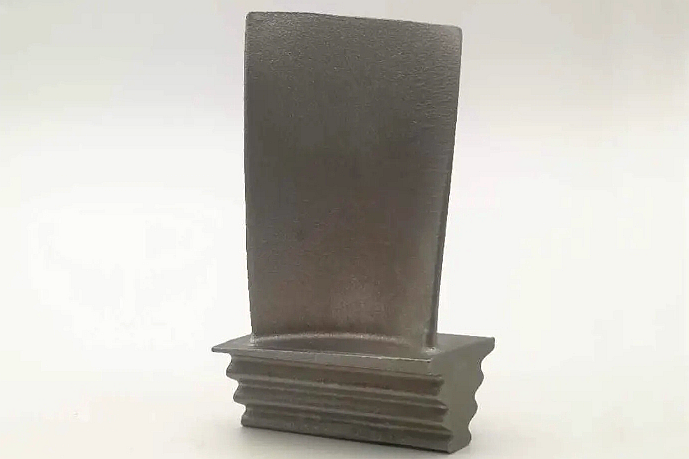
Nickellegierungen wie CMSX-6 bieten hervorragende Hochtemperaturstabilität und überlegene Ermüdungsbeständigkeit, was sie ideal für Turbinenschaufelanwendungen macht. Durch den Einsatz fortschrittlicher Einkristallguss-Techniken richtet Neway AeroTech Kristallstrukturen präzise aus und maximiert so die Bauteileffizienz und Lebensdauer unter den extremen Betriebsbedingungen, die in Luftfahrtantriebssystemen und industriellen Gasturbinen üblich sind.
Neway AeroTech ist auf den CMSX-6 Einkristallguss spezialisiert und nutzt strenge Prozesskontrollen und rigorose Qualitätsstandards. Unsere Expertise stellt sicher, dass Turbinenschaufeln außergewöhnliche Leistung, strukturelle Integrität und Zuverlässigkeit bieten, selbst in den anspruchsvollen thermischen Umgebungen moderner Luftfahrtantriebe und Kraftwerksanlagen.
Wesentliche Fertigungsherausforderungen für die CMSX-6-Legierung
Hohe Schmelztemperatur (~1350°C) erfordert eine präzise Temperaturkontrolle.
Präzise gerichtete Erstarrung zur Vermeidung von Korndefekten.
Minimierung von Mikroporosität und inneren Spannungen in Gussteilen.
Erreichen strenger Maßgenauigkeit innerhalb von ±0,05 mm Toleranzen.
Übersicht über den CMSX-6 Einkristallgussprozess
Das CMSX-6 Einkristallgussverfahren umfasst:
Wachsmodellherstellung: Hochpräzise Wachsformen werden durch Spritzguss hergestellt.
Keramikschalenbildung: Auftragung mehrerer Keramikschlickerschichten und Sand, sorgfältig getrocknet und ausgehärtet.
Wachsentfernung (Entwachsen): Autoklavprozess bei etwa 150°C, wobei die Integrität der Keramikschale erhalten bleibt.
Vakuumschmelzen und Gießen: CMSX-6-Legierung wird unter Vakuumbedingungen (<10⁻³ Pa) geschmolzen, gefolgt von kontrollierter gerichteter Abkühlung bei ~4-6°C/Minute.
Einkristallwachstum: Ein Impfkristall initiiert kontrolliertes Einkristallwachstum entlang bevorzugter kristallografischer Richtungen, typischerweise <001>.
Vergleichende Analyse von Fertigungstechniken
Verfahren | Kornstruktur | Zugfestigkeit (MPa) | Kriechbeständigkeit | Anisotropie | Kostenniveau |
|---|---|---|---|---|---|
Einkristallguss | Einkristall | Hervorragend (~1070 MPa) | Überlegen | Hoch (optimierte Richtungsabhängigkeit) | Hoch |
Gerichtete Erstarrung | Säulenförmige Körner | Sehr gut (~950 MPa) | Hoch | Mäßig (gerichtete Festigkeit) | Mäßig |
Gleichachsiger Guss | Polykristallin, zufällig | Gut (~830 MPa) | Mäßig | Niedrig (gleichmäßige Eigenschaften) | Niedrig |
Pulvermetallurgie | Feinkörnig | Hervorragend (~1200 MPa) | Sehr hoch | Niedrig (konsistente Feinkörnigkeit) | Sehr hoch |
Strategie zur Auswahl des Turbinenschaufelgussverfahrens
Einkristallguss ist optimal für Anwendungen, die maximale Kriechbeständigkeit und hohe Ermüdungsfestigkeit bei Temperaturen bis zu ~1140°C erfordern.
Gerichteter Guss von Superlegierungen eignet sich für Schaufeln, die zu etwas geringeren Kosten zuverlässige Eigenschaften benötigen und für Temperaturen um 1100°C geeignet sind.
Gleichachsiger Guss von Superlegierungen bietet eine wirtschaftliche Anwendungsproduktion unter weniger extremen Betriebstemperaturen (~1050°C).
Pulvermetallurgie ist ideal für hochbelastete Turbinenscheiben, die Zugfestigkeiten über 1200 MPa und außergewöhnliche Ermüdungsbeständigkeit bei Premiumkosten erfordern.
Leistungsmatrix der CMSX-6-Legierung
Legierung | Max. Betriebstemp. (°C) | Zugfestigkeit (MPa) | Kriechbeständigkeit | Oxidationsbeständigkeit |
|---|---|---|---|---|
1140 | 1070 | Hervorragend bei anhaltend hohen Temperaturen | Überlegene Oxidationsstabilität bei 1100°C+ | |
1150 | 1100 | Überlegen für extreme Temperaturen | Außergewöhnliche Langzeitoxidationsbeständigkeit | |
1100 | 1080 | Hohe Kriechfestigkeit | Hervorragende Oxidationsbeständigkeit | |
1150 | 1150 | Überlegen unter hoher Belastung | Hervorragende Oxidationsbeständigkeit | |
980 | 980 | Sehr gut für Anwendungen bei mäßigen Temperaturen | Gute Oxidationsbeständigkeit | |
1140 | 1120 | Für Luftfahrtanwendungen optimiert | Hervorragende Stabilität unter oxidativen Bedingungen |
Begründung für die CMSX-6-Materialauswahl
CMSX-6 ist ideal für Turbinenschaufeln, die hervorragende Kriechfestigkeit und Oxidationsbeständigkeit bei Betriebstemperaturen um 1140°C benötigen.
CMSX-8 überzeugt bei höheren thermischen Anforderungen (1150°C) durch eine ausgewogene Kombination aus Festigkeit, Oxidationsbeständigkeit und Langzeitkriechbeständigkeit.
CMSX-4 bietet starke, zuverlässige Leistung bei etwas niedrigeren Betriebstemperaturen (~1100°C) und wird häufig für Luftfahrtantriebe gewählt.
Rene N5 liefert Spitzenleistung in Luftfahrtantriebsanwendungen und maximiert Festigkeit und Kriechbeständigkeit (~1150°C).
Inconel 738 ist wirtschaftlich effektiv für Anwendungen um 980°C und bietet ausgewogene Eigenschaften bei reduzierten Fertigungskosten.
PWA 1484 adressiert speziell Luftfahrt-Strahltriebwerke und gewährleistet außergewöhnliche Kriechfestigkeit und thermische Stabilität (~1140°C).
Wesentliche Nachbearbeitungstechniken
Heißisostatisches Pressen (HIP): Beseitigt Mikroporosität bei ~1150°C und 100 MPa und verbessert die Ermüdungslebensdauer erheblich.
Wärmedämmschicht (TBC): Keramisches yttriumstabilisiertes Zirkoniumoxid (~250 µm), das die Oberflächentemperatur um ~150°C senkt.
Präzisions-CNC-Bearbeitung: Erreicht enge Maßtoleranzen innerhalb von ±0,01 mm, entscheidend für den Einbau von Turbinenschaufeln.
Funkenerosives Bearbeiten (EDM): Präzisionsfertigung komplexer Schaufelmerkmale mit einer Genauigkeit von ±0,005 mm.
Branchenanwendungen und Fallanalyse
Die von Neway AeroTech hergestellten CMSX-6 Einkristall-Turbinenschaufeln werden umfassend in Luftfahrtantrieben und Gasturbinen eingesetzt. Insbesondere Schaufeln, die für eine Luftfahrt-Gasturbine hergestellt wurden, die konstant bei 1100°C betrieben wird, erreichten im Vergleich zu konventionellen Legierungen eine um etwa 20 % verlängerte Lebensdauer, was die überlegene Kriechleistung und Oxidationsbeständigkeit demonstriert.
Häufig gestellte Fragen (FAQs)
Welche Maßtoleranzen kann Neway AeroTech mit CMSX-6 Turbinenschaufelguss erreichen?
Wie verbessert der Einkristallguss die Lebensdauer von CMSX-6 Legierungsturbinenschaufeln?
Welche Nachbearbeitungstechnologien wendet Neway AeroTech auf CMSX-6 Turbinenschaufeln an?
Was ist die empfohlene maximale Betriebstemperatur für CMSX-6 Turbinenschaufeln?
Wie stellt Neway AeroTech die Qualitätskontrolle bei der Herstellung von CMSX-6 Turbinenschaufeln sicher?
