
Monel 401 Ventilkomponenten Äquiaxiale Kristallguss Lieferant
Einführung
Monel 401, eine Nickel-Kupfer-Legierung, bekannt für ihre hervorragenden mechanischen Eigenschaften, Schweißbarkeit und Beständigkeit gegen Korrosion und Oxidation, ist ideal für Ventilkomponenten in der chemischen Verarbeitung, der Schifffahrt sowie der Öl- und Gasindustrie. Bei Neway AeroTech setzen wir fortschrittliche äquiaxiale Kristallguss-Techniken ein, um Monel 401 Ventilkomponenten mit ausgezeichneter mikrostruktureller Gleichmäßigkeit, präziser Maßhaltigkeit und außergewöhnlicher Haltbarkeit unter rauen industriellen Bedingungen herzustellen.
Unsere strenge Qualitätskontrolle stellt sicher, dass Monel 401 Ventilkomponenten überlegene Leistung, lange Betriebsdauer und optimale Zuverlässigkeit bieten und die strengen Industriestandards für anspruchsvolle Umgebungen mit korrosiven Fluiden und erhöhten Drücken erfüllen.
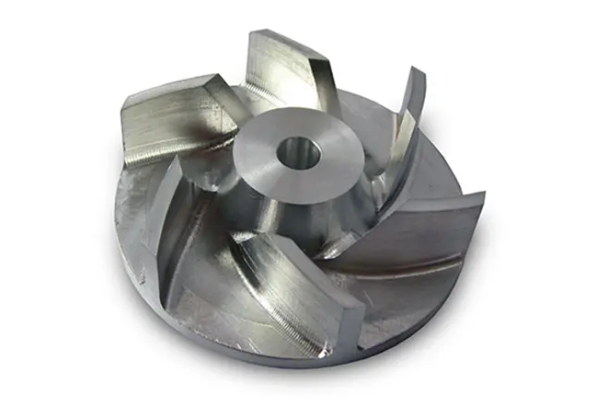
Wesentliche Fertigungsherausforderungen für Monel 401 Äquiaxialguss
Kontrollierte Legierungszusammensetzung zur Aufrechterhaltung gleichmäßiger Korrosionsbeständigkeit.
Steuerung der Legierungsfließfähigkeit während des Gießens zur Minimierung von Fehlern.
Minimierung von Porosität und Einschlüssen für den Einsatz unter Hochdruckbedingungen.
Präzise Maßtoleranzen innerhalb von ±0,05 mm für eine genaue Komponentenintegration.
Äquiaxiale Kristallguss-Prozess für Monel 401 Ventilkomponenten
Der äquiaxiale Kristallguss-Prozess für Monel 401 Ventilkomponenten umfasst:
Wachsmodellherstellung: Präzisionswachsformen, hergestellt durch hochgenaues Spritzgießen.
Keramikschalenbildung: Aufbringen und gründliches Trocknen mehrerer Keramikschlickerschichten und feinkörniger Sandbeschichtungen.
Wachsentfernung (Entwachsen): Dampfautoklavierung bei etwa 150°C gewährleistet eine saubere Wachsentfernung ohne Beeinträchtigung der Schalenintegrität.
Vakuumschmelzen und -gießen: Monel 401-Legierung wird unter Vakuum (<10⁻³ Pa) geschmolzen und präzise in Keramikformen gegossen.
Äquiaxiale Erstarrung: Kontrollierte Abkühlrate (~6-8°C/min) fördert die Bildung gleichmäßiger, zufällig orientierter äquiaxialer Körner.
Schalenentfernung und Endbearbeitung: Entfernung der Keramikschale, gefolgt von detaillierter Endbearbeitung, Bearbeitung und Inspektionen.
Vergleichende Analyse von Ventilkomponenten-Fertigungsmethoden
Verfahren | Kornstruktur | Maßgenauigkeit | Korrosionsbeständigkeit | Mechanische Festigkeit | Kostenniveau |
|---|---|---|---|---|---|
�quiaxialer Kristallguss | Zufällig polykristallin | ±0,05 mm | Ausgezeichnet | Gut (gleichmäßige Festigkeit) | Mittel |
Einkristallguss | Einkristall | ±0,03 mm | Überlegen | Ausgezeichnet (gerichtet) | Hoch |
Sandguss | Zufällig polykristallin | ±0,5 mm | Mittel | Mittel | Niedrig |
CNC-Bearbeitung | Aus Blockmaterial bearbeitet | ±0,01 mm | Gut | Ausgezeichnet (gleichmäßig) | Hoch |
Strategie zur Auswahl des Gussverfahrens für Ventilkomponenten
Äquiaxialer Kristallguss ist ideal für Ventilteile, die gleichmäßige Eigenschaften, gute Festigkeit und kosteneffiziente Produktion benötigen.
Einkristallguss eignet sich am besten für Hochleistungsanwendungen, die überlegene gerichtete Festigkeit und Kriechbeständigkeit erfordern.
Sandguss geeignet für einfachere Geometrien mit mittleren Präzisionsanforderungen.
CNC-Bearbeitung optimal für komplexe Komponenten, die extrem enge Toleranzen und außergewöhnliche Oberflächengüten benötigen.
Monel 401 Materialleistungsmatrix
Material | Zugfestigkeit (MPa) | Max. Temp. (°C) | Korrosionsbeständigkeit | Primäre Anwendungen |
|---|---|---|---|---|
620 | 450 | Ausgezeichnete Beständigkeit gegen saure und alkalische Umgebungen | Ventilkomponenten, Marinearmaturen | |
550 | 480 | Überlegene marine und chemische Korrosionsbeständigkeit | Marineventile, chemische Verarbeitungsteile | |
1100 | 500 | Hohe Festigkeit, verbesserte Härte und Korrosionsbeständigkeit | Hochdruck-Ventilteile | |
750 | 1038 | Außergewöhnliche chemische Korrosionsbeständigkeit | Chemiereaktoren, Ventile | |
930 | 980 | Ausgezeichnete Oxidations- und Korrosionsbeständigkeit | Turbinenschaufeln, Abgassysteme | |
890 | 800 | Hervorragende Verschleiß- und Korrosionsbeständigkeit | Ventilsitze, Spindeln, Trims |
Begründung für die Materialauswahl von Monel 401
Monel 401: Ausgewählt für ausgezeichnete Festigkeit und gleichmäßige Korrosionsbeständigkeit in sauren und alkalischen Ventilanwendungen.
Monel 400: Ideal für marine und allgemeine chemische Umgebungen, mit einem Gleichgewicht aus Leistung und Kosten.
Monel K500: Ausgewählt für kritische Ventilanwendungen, die hohe Festigkeit und Härte benötigen.
Hastelloy C-276: Bevorzugt für extreme chemische Korrosionsbedingungen.
Inconel 625: Optimal für Hochtemperatur-Korrosionsbeständigkeit in Turbinen- und Abgasventilen.
Stellite 6: Bietet überlegene Verschleißbeständigkeit für Ventilsitze und -spindeln.
Wesentliche Nachbearbeitungstechniken
Heißisostatisches Pressen (HIP): Reduziert Mikroporosität bei ~1150°C, 100 MPa und verbessert die mechanische Zuverlässigkeit erheblich.
Präzisions-CNC-Bearbeitung: Gewährleistet enge Maßtoleranzen innerhalb von ±0,01 mm, entscheidend für Montage und Funktion.
Wärmedämmschicht (TBC): Verbessert die Wärmedämmung und verlängert die Lebensdauer in heißen Betriebsumgebungen.
Materialprüfung & Analyse: Umfassende metallurgische Analyse zur Sicherstellung gleichbleibender Legierungsqualität und -leistung.
Branchenanwendungen und Fallstudie
Monel 401 äquiaxial gegossene Ventilkomponenten von Neway AeroTech werden umfassend in der chemischen Verarbeitung, der Schifffahrt sowie der Öl- und Gasindustrie eingesetzt. In einem bemerkenswerten Projekt der chemischen Industrie mit korrosiven Laugenlösungen verlängerten Monel 401 Ventilkomponenten die Betriebsdauer im Vergleich zu herkömmlichen Materialien um etwa 25 % und reduzierten Ausfallzeiten und Wartungskosten erheblich.
FAQs
Welche Präzision kann Neway AeroTech mit Monel 401 äquiaxial gegossenen Ventilkomponenten erreichen?
Warum äquiaxialen Kristallguss für die Herstellung von Monel 401 Ventilteilen wählen?
Wie schneidet Monel 401 im Vergleich zu Monel 400 in Ventilanwendungen ab?
Welche Branchen profitieren am meisten von Monel 401 Ventilkomponenten?
Wie stellt Neway AeroTech gleichbleibende Qualität und Korrosionsbeständigkeit in der Monel 401 Ventilfertigung sicher?
