
Hochtemperaturlegierungen CMSX-8 Turbinenschaufel Einkristallguss Unternehmen
Einführung
Hochtemperaturlegierungen wie CMSX-8 bieten außergewöhnliche Kriechfestigkeit und Oxidationsbeständigkeit, ideal für fortschrittliche Turbinenschaufelanwendungen. Durch die Nutzung von Einkristallguss-Technologie erreichen diese Legierungen eine präzise atomare Ausrichtung, was die mechanischen Eigenschaften erheblich verbessert und eine optimale Leistung in Luft- und Raumfahrturbinen sowie industriellen Gasturbinen gewährleistet, die im Dauerbetrieb bei Temperaturen von bis zu 1150°C eingesetzt werden.
Neway AeroTech ist auf CMSX-8-Einkristallguss spezialisiert und setzt dabei auf sorgfältige Kontrolle der Mikrostrukturintegrität und der gerichteten Erstarrung. Dieser strenge Ansatz führt zu Turbinenschaufeln, die eine verbesserte Ermüdungsbeständigkeit, eine verlängerte Lebensdauer und eine zuverlässige Funktionalität in extremen thermischen und mechanischen Belastungsumgebungen aufweisen, die für Luftfahrtantriebssysteme und Energieerzeugungsanlagen entscheidend sind.
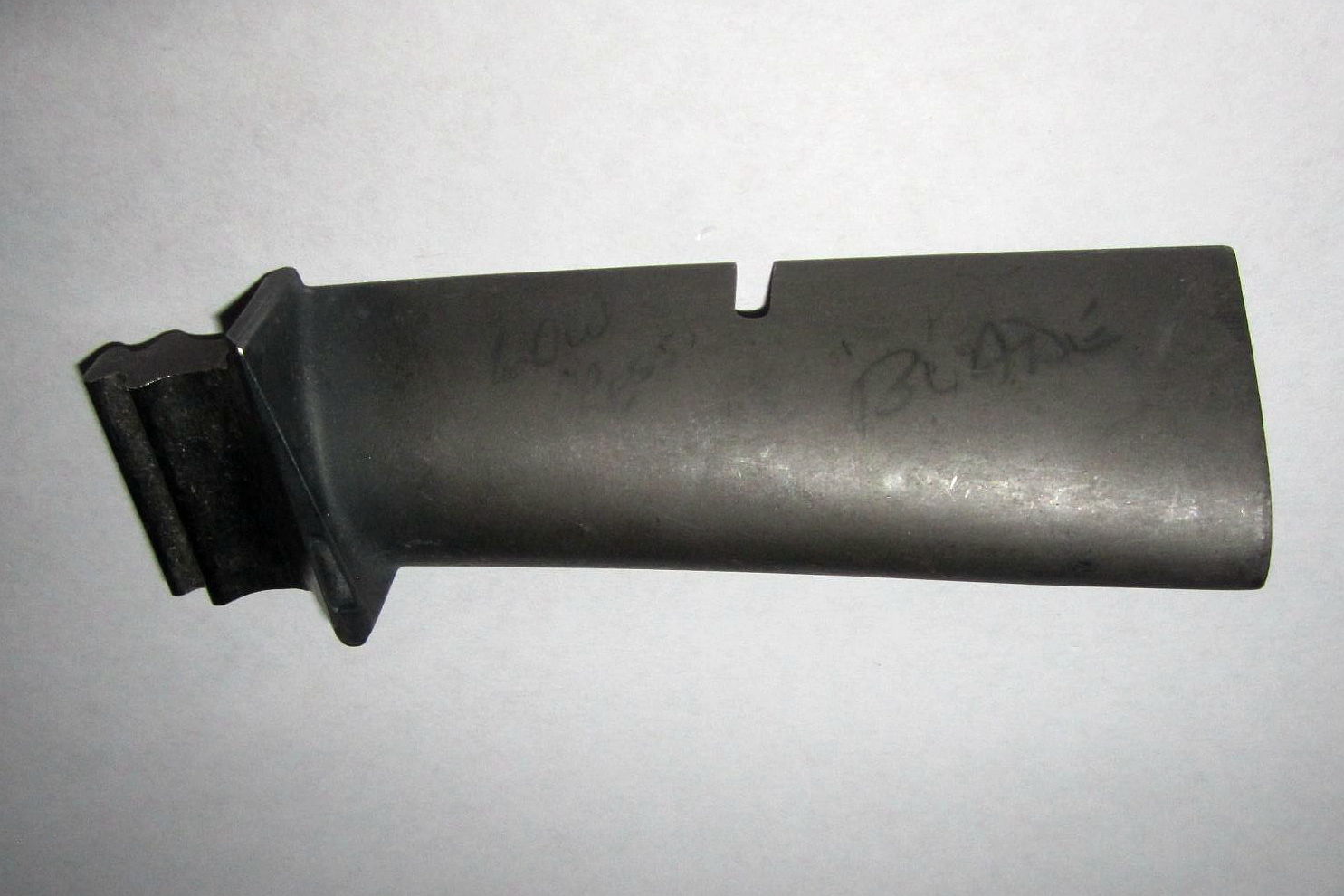
Wesentliche Herausforderungen bei der CMSX-8-Legierungsherstellung
Hoher Schmelzpunkt (~1360°C) erfordert präzises Wärmemanagement.
Kontrollierte gerichtete Erstarrung zur Erzielung fehlerfreier Einkristalle.
Minimierung von Mikroporosität und verbleibenden inneren Spannungen während des Gießens.
Konsequente Einhaltung von Maßtoleranzen innerhalb von ±0,05 mm.
Übersicht über den CMSX-8-Einkristallgussprozess
Der Einkristallgussprozess für CMSX-8 umfasst:
Wachsmodellherstellung: Erstellung präziser Wachsformen durch Spritzguss.
Formschalenbildung (Feinguss): Auftrag von keramischen Schlickerschichten und Sandbeschichtung, sorgfältig getrocknet und gehärtet.
Wachsentfernung (Entwachsen): Durchführung im Dampfautoklav bei 150°C unter Wahrung der Schalenintegrität.
Vakuumschmelzen und -gießen: Schmelzen der Legierung unter Hochvakuum (<10⁻³ Pa) zur Vermeidung von Verunreinigungen, gefolgt von kontrollierter Erstarrung durch gerichtete Abkühlung mit ~5°C/Minute.
Einkristallbildung: Verwendung eines Impfkristalls, um ein gleichmäßiges Einkristallwachstum mit der gewünschten Orientierung, typischerweise <001>, zu fördern.
Vergleichende Analyse von Fertigungstechniken
Prozess | Kornstruktur | Hochtemperaturfestigkeit | Kriechbeständigkeit | Anisotropie | Produktionskosten |
|---|---|---|---|---|---|
Einkristallguss | Einkristall | Ausgezeichnet (1100 MPa) | Überlegen | Hoch (richtungsoptimiert) | Hoch |
Gerichtete Erstarrung | Säulenförmige Körner | Sehr gut (~1000 MPa) | Hoch | Mäßig (gerichtete Festigkeit) | Mäßig |
Gleichachsiger Guss | Polykristallin, zufällig | Gut (~850 MPa) | Mäßig | Niedrig (isotrope Eigenschaften) | Niedrig |
Pulvermetallurgie | Feinkörnig | Ausgezeichnet (>1200 MPa) | Sehr hoch | Niedrig (gleichmäßige Feinkornmikrostruktur) | Sehr hoch |
Auswahlstrategie für Turbinenschaufelgussverfahren
Einkristallguss erreicht maximale Kriechfestigkeit und Ermüdungslebensdauer für kritische Hochtemperatur-Turbinenschaufeln, die bei etwa 1150°C betrieben werden.
Superlegierungs-Gerichteter Guss erzeugt säulenförmige Kornstrukturen und bietet eine starke Leistung bei etwas geringeren Kosten und Temperaturen bis zu 1100°C.
Superlegierungs-Gleichachsiger Kristallguss liefert zuverlässige Eigenschaften bei reduzierten Kosten und eignet sich für weniger anspruchsvolle Anwendungen unter 1050°C.
Pulvermetallurgische Turbinenscheibenfertigung bietet überlegene Ermüdungsbeständigkeit und hohe Zugfestigkeit (1200+ MPa), jedoch bei deutlich erhöhten Produktionskosten.
CMSX-8 Materialleistungsmatrix
Legierung | Max. Temp. (°C) | Zugfestigkeit (MPa) | Kriechbeständigkeit | Oxidationsbeständigkeit |
|---|---|---|---|---|
1150 | 1100 | Ausgezeichnet für Turbinenschaufeln, überlegene Langzeitstabilität. | Überlegene Oxidationsbeständigkeit für extreme thermische Zyklen. | |
1100 | 1080 | Hoch, etwas geringere Kriechfestigkeit als CMSX-8. | Ausgezeichnete Beständigkeit, weit verbreitet in Flugzeugtriebwerken. | |
1160 | 1150 | Außergewöhnliche Kriechfestigkeit, geeignet für Hochlastanwendungen. | Überlegen, ausgezeichnete Stabilität unter aggressiven Oxidationsbedingungen. | |
1150 | 1150 | Überlegene Langzeit-Kriechleistung unter Hochbelastungsbedingungen. | Hervorragende Oxidationsbeständigkeit in Luftfahrtantriebssystemen. | |
1050 | 980 | Ausgezeichnete Kriechbeständigkeit, effektiv für Turbinen mittlerer Temperatur. | Gute Oxidationsbeständigkeit bei mittleren Betriebstemperaturen. | |
1140 | 1120 | Überlegene Kriechbeständigkeit, optimiert für Strahltriebwerkskomponenten. | Ausgezeichnet, ideal für langandauernde Hochtemperaturexposition. |
Begründung für die CMSX-8-Materialauswahl
CMSX-8 wird für seine überlegene Kriechbeständigkeit und Oxidationsstabilität gewählt, ideal für Luft- und Raumfahrt-Turbinenschaufeln bei ~1150°C.
CMSX-4 eignet sich für Anwendungen mit etwas niedrigeren Temperaturen (~1100°C), die eine ausgewogene Kriechfestigkeit und Oxidationsbeständigkeit benötigen.
CMSX-10 bietet maximale Kriechleistung bei erhöhten Temperaturen (~1160°C), ausgezeichnet für Hochlast-Turbinenkomponenten.
Rene N5 ist optimal für Flugzeugtriebwerke und bietet außergewöhnliche Kriechbeständigkeit und Oxidationsschutz bei etwa 1150°C.
Inconel 713C dient effektiv Turbinen mittlerer Temperatur (~1050°C), wo Kosteneffizienz und zuverlässige Kriechleistung im Gleichgewicht stehen.
PWA 1484 ist speziell für Hochleistungs-Strahltriebwerke (~1140°C) entwickelt und gewährleistet überlegene Langzeit-Kriechstabilität und Oxidationsbeständigkeit.
Wesentliche Nachbearbeitungstechniken
Heißisostatisches Pressen (HIP): Beseitigt Mikroporosität bei ~1150°C, 100 MPa und verbessert die Ermüdungsbeständigkeit erheblich.
Wärmedämmschicht (TBC): Yttriumstabilisierte Zirkonoxidbeschichtung (~250 µm), die die Schaufeloberflächentemperatur um ~150°C senkt.
Superlegierungs-CNC-Bearbeitung: Präzisionsnachbearbeitung auf Maßtoleranzen innerhalb von ±0,01 mm, um den exakten Komponentensitz sicherzustellen.
Funkenerosives Bearbeiten (EDM): Hochpräzisionsbearbeitung komplexer Merkmale mit Maßgenauigkeit innerhalb von ±0,005 mm.
Branchenanwendungen und Fallstudie
Von Neway AeroTech hergestellte CMSX-8-Einkristall-Turbinenschaufeln werden umfassend in Luft- und Raumfahrtantrieben sowie industriellen Gasturbinen eingesetzt. Ein bemerkenswerter Fall umfasst Turbinenschaufeln für ein kommerzielles Strahltriebwerk, das konstant bei Temperaturen um 1100°C arbeitet, was zu einer Lebensdauerverlängerung der Komponente von etwa 25 % im Vergleich zu herkömmlichen Legierungsschaufeln führte.
FAQs
Welche Maßtoleranzen können beim CMSX-8-Turbinenschaufelguss erreicht werden?
Wie verbessert der Einkristallguss die Leistung und Haltbarkeit von Turbinenschaufeln?
Welche Nachbearbeitungstechnologien sind für die Hochtemperatur-Turbinenschaufelfertigung unerlässlich?
Welche maximale Betriebstemperatur kann die CMSX-8-Legierung zuverlässig aushalten?
Wie stellen Sie Qualität und Konsistenz in der CMSX-8-Turbinenschaufelproduktion sicher?
