
Unternehmen für maßgeschneiderte Nimonic-Superlegierungs-Komponenten für Energie-Gasturbinen-Brennka...
Einführung in Nimonic-Komponenten für Gasturbinen-Brennkammern
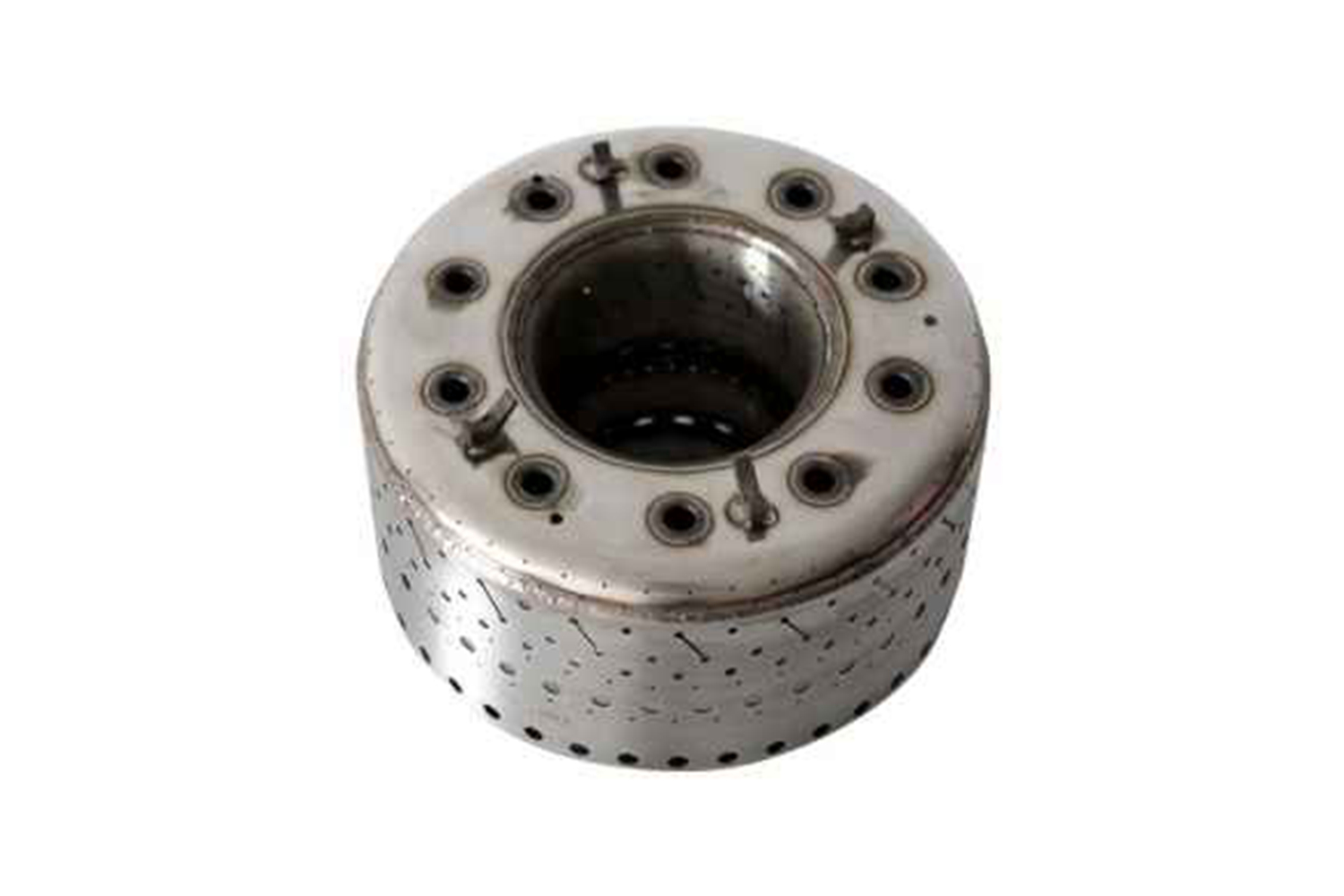
Nimonic-Superlegierungen, gekennzeichnet durch außergewöhnliche thermische Stabilität und überlegene Kriechbeständigkeit, sind ideale Materialien für Gasturbinen-Brennkammerkomponenten. Bei Neway AeroTech sind wir auf die Herstellung hochwertiger Nimonic-Legierungskomponenten spezialisiert, die speziell für anspruchsvolle Energieanwendungen zugeschnitten sind. Durch den Einsatz von fortschrittlichem Vakuum-Fein- bzw. Präzisionsguss und präziser gerichteter Erstarrungsguss liefern wir Komponenten mit herausragender Zuverlässigkeit und Haltbarkeit.
Unsere Expertise stellt sicher, dass Nimonic-Komponenten strenge Leistungskriterien unter extremen Betriebsbedingungen, wie sie für Gasturbinen im Energiesektor typisch sind, erfüllen.
Kern-Herausforderungen bei der Herstellung von Nimonic-Komponenten
Die Herstellung von Hochtemperatur-Nimonic-Komponenten stellt mehrere kritische Herausforderungen dar:
Thermische Stabilität: Aufrechterhaltung der mechanischen Eigenschaften bei Betriebstemperaturen über 1000°C.
Kriechbeständigkeit: Sicherstellen, dass Komponenten unter kontinuierlicher Belastung bei erhöhten Temperaturen keine Verformung aufweisen.
Korrosion und Oxidation: Schutz vor Hochtemperaturkorrosion und oxidativen Umgebungen.
Präzisionsanforderungen: Erreichen strenger Maßtoleranzen (±0,10 mm) für komplexe Geometrien.
Detaillierte Erläuterung der Herstellungsprozesse
Vakuum-Feinguss
Präzise Wachsmodellbildung repliziert komplexe Komponentengeometrien.
Erstellung einer keramischen Schalengussform, gefolgt von der Wachsentfernung bei etwa 180°C.
Legierungsguss erfolgt unter Vakuum (<0,01 Pa), minimiert Verunreinigungen und gewährleistet metallurgische Reinheit.
Kontrollierte Abkühlung (25–35°C/Stunde), um innere Spannungen zu mindern und die Maßgenauigkeit zu verbessern.
Gerichtete Erstarrung (Directional Solidification)
Kontrollierte Temperaturgradienten (20–50°C/cm) werden verwendet, um die Kornstruktur auszurichten.
Verbessert die Kriechbeständigkeit und die Ermüdungslebensdauer der Komponente durch gerichtete Kornausrichtung.
Langsame Abkühlraten (20–35°C/Stunde), um innere Defekte und Porosität zu minimieren.
Vergleich gängiger Herstellungsprozesse
Verfahren | Maßgenauigkeit | Oberflächengüte | Effizienz | Komplexitätsfähigkeit |
|---|---|---|---|---|
Vakuum-Feinguss | ±0,15 mm | Ra 3,2–6,3 µm | Mittel | Hoch |
Gerichtete Erstarrung | ±0,20 mm | Ra 6,3–12,5 µm | Mittel | Mittel |
CNC-Bearbeitung | ±0,01 mm | Ra 0,8–3,2 µm | Mittel | Mittel |
SLM-3D-Druck | ±0,05 mm | Ra 6,3–12,5 µm | Hoch | Sehr hoch |
Strategie zur Auswahl des Herstellungsprozesses für Nimonic-Teile
Vakuum-Feinguss: Empfohlen für detaillierte, komplexe Geometrien, die eine Präzision von etwa ±0,15 mm und hohe metallurgische Qualität erfordern.
Gerichtete Erstarrung: Ideal zur Verbesserung der Kriechfestigkeit und Ermüdungsbeständigkeit, geeignet für eine Genauigkeit von ±0,20 mm.
CNC-Bearbeitung: Bevorzugt für präzise Endbearbeitung kritischer Merkmale, erreicht Toleranzen innerhalb von ±0,01 mm.
SLM-3D-Druck: Hervorragend für schnelle Prototypenfertigung und komplexe interne Strukturen, bietet eine Präzision von ±0,05 mm.
Materialanalyse-Matrix für Nimonic-Legierungen
Material | Zugfestigkeit (MPa) | Streckgrenze (MPa) | Max. Betriebstemp. (°C) | Oxidationsbeständigkeit | Typische Anwendungen |
|---|---|---|---|---|---|
1160 | 815 | 920 | Überlegen | Turbinenschaufeln, Scheiben | |
1050 | 585 | 815 | Ausgezeichnet | Brennkammern, Befestigungselemente | |
1000 | 620 | 900 | Hervorragend | Brennkammerauskleidungen, Abgasleitungen | |
1200 | 880 | 950 | Außergewöhnlich | Hochdruckturbinenkomponenten | |
1065 | 750 | 820 | Überlegen | Brennkammersegmente, Leitschaufeln | |
750 | 275 | 800 | Gut | Strukturelle Halterungen, Hitzeschilde |
Materialauswahlstrategie
Nimonic 90: Bevorzugt für Turbinenschaufeln und -scheiben, die hohe Zugfestigkeit (1160 MPa) und Kriechbeständigkeit bis 920°C erfordern.
Nimonic 80A: Optimal für Brennkammern und Befestigungselemente aufgrund ausgezeichneter Festigkeit (1050 MPa Zugfestigkeit) und Oxidationsbeständigkeit bei 815°C.
Nimonic 263: Ideal für Brennkammerauskleidungen und Abgasleitungen, die robuste Leistung (1000 MPa Zugfestigkeit) bei Temperaturen von 900°C bieten.
Nimonic 105: Empfohlen für Hochdruckturbinenkomponenten, die außergewöhnliche Festigkeit (1200 MPa Zugfestigkeit) und Stabilität bei 950°C benötigen.
Nimonic PE16: Ausgewählt für Brennkammersegmente und Leitschaufeln aufgrund überlegener mechanischer Eigenschaften (1065 MPa Zugfestigkeit) bei 820°C.
Nimonic 75: Geeignet für strukturelle Halterungen und Hitzeschilde aufgrund guter thermischer Stabilität und kosteneffektiver Leistung bei 800°C.
Wichtige Nachbearbeitungstechnologien
Heißisostatisches Pressen (HIP): Beseitigt innere Porosität und verbessert die Ermüdungs- und Kriechleistung bei etwa 1200°C und 150 MPa erheblich.
Wärmedämmschicht (TBC): Reduziert Oberflächentemperaturen um etwa 200°C und verlängert die Lebensdauer der Komponente erheblich.
Funkenerosives Bearbeiten (EDM): Ermöglicht die präzise Herstellung komplexer interner Geometrien mit einer Genauigkeit von ±0,005 mm.
Wärmebehandlung: Verbessert die mikrostrukturelle Stabilität und steigert Festigkeit und Korrosionsbeständigkeit.
Branchenanwendung und Fallanalyse
Neway AeroTech lieferte maßgeschneiderte Nimonic-90-Brennkammerkomponenten für einen globalen Energie-OEM. Durch den Einsatz von Vakuum-Feinguss, HIP und TBC erreichten wir eine Maßgenauigkeit innerhalb von ±0,15 mm, überlegene Kriechbeständigkeit und außergewöhnliche Haltbarkeit, was die Lebensdauer der Komponente bei anhaltenden Betriebstemperaturen von 920°C erheblich verlängerte.
Unsere umfassenden Fähigkeiten, strenge Qualitätskontrolle und fundierte Materialexpertise machen uns zu einem vertrauenswürdigen Partner für Hochleistungs-Nimonic-Komponenten.
FAQs
Welche typischen Lieferzeiten können Sie für maßgeschneiderte Nimonic-Turbinenkomponenten anbieten?
Kann Ihr Unternehmen Prototypenfertigung und Kleinserienproduktion von Nimonic-Komponenten bewältigen?
Welche Branchenzertifizierungen erfüllen Ihre Nimonic-Superlegierungsteile?
Welche Nachbearbeitungstechniken verbessern die Leistung von Nimonic-Legierungen am besten?
Bieten Sie technische Unterstützung bei der Legierungsauswahl und Optimierung des Brennkammerdesigns an?
