
Chemische Verarbeitung Hastelloy Hochkorrosionspumpe Äquiaxiale Kristallguss
Einführung in Hastelloy-Pumpen für anspruchsvolle chemische Verfahren
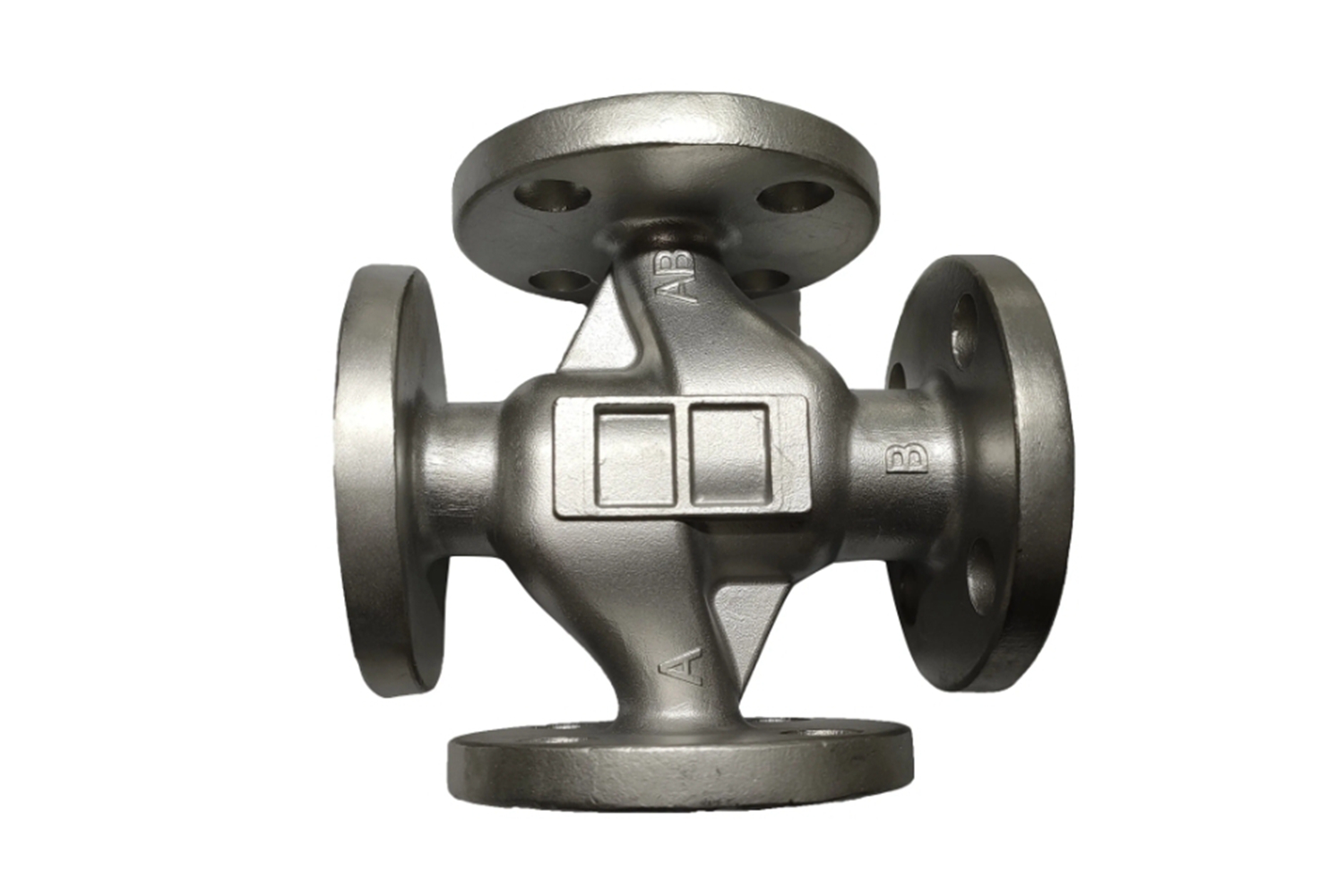
Anwendungen in der chemischen Verfahrenstechnik erfordern außergewöhnliche Korrosionsbeständigkeit und strukturelle Integrität von Pumpenkomponenten, insbesondere bei der Handhabung aggressiver Medien. Neway AeroTech bietet spezialisierten äquiaxialen Kristallguss von maßgeschneiderten Hastelloy-Legierungs-Pumpenkomponenten, einschließlich kritischer Legierungen wie Hastelloy C-276 und Hastelloy B-2. Unser äquiaxialer Gussprozess liefert Pumpenkomponenten, die sich durch überlegene Korrosionsbeständigkeit, gleichmäßige Mikrostruktur und außergewöhnliche Haltbarkeit in anspruchsvollen chemischen Umgebungen auszeichnen.
Wir sind bestrebt, präzisionsgefertigte Hastelloy-Pumpenlösungen bereitzustellen, die auf die anspruchsvollsten Anforderungen der chemischen Verfahrenstechnik zugeschnitten sind.
Kernherausforderungen beim äquiaxialen Kristallguss von Hastelloy
Die Herstellung von Hastelloy-Pumpen durch äquiaxialen Kristallguss steht vor mehreren zentralen Herausforderungen:
Korrosionsverhalten: Aufrechterhaltung einer konsistenten und feinkörnigen Mikrostruktur (<100 µm Korngröße), die für eine verbesserte Beständigkeit gegenüber korrosiven Chemikalien wesentlich ist.
Maßhaltigkeit: Erzielung präziser Abmessungen innerhalb von Toleranzen von ±0,15 mm für kritische Laufrad- und Gehäusespalten.
Oberflächenqualität: Sicherstellung glatter Oberflächen (Ra 3,2–6,3 µm), um Flüssigkeitsturbulenzen zu reduzieren und korrosionsbedingte Erosion zu verhindern.
Materialreinheit: Erzielung hochreiner Legierungszusammensetzungen unter Vakuum (<0,1 Pa), um interne Defekte und Einschlüsse zu minimieren.
Detaillierter Hastelloy-äquiaxialer Kristallgussprozess
Wachsmodellherstellung
Hochpräzise Wachsformen replizieren exakte Pumpengeometrien und halten die Genauigkeit innerhalb einer Toleranz von ±0,1 mm ein.
Keramikschalenherstellung
Haltbare Keramikschalen, typischerweise 6–12 mm dick, werden durch schichtweises Eintauchen in Schlicker gebildet und halten den Temperaturen von geschmolzenem Hastelloy (~1350°C) stand.
Vakuumschmelzen & Äquiaxialer Guss
Vakuuminduktionsschmelzen wird bei Drücken <0,1 Pa durchgeführt, um reine, oxidationsfreie Hastelloy-Legierungen sicherzustellen.
Kontrollierte Erstarrung fördert gleichmäßige äquiaxiale Kornstrukturen mit optimalen Korngrößen (<100 µm).
Endbearbeitung
Entfernung der Keramikschalenformen durch chemische und mechanische Methoden.
Präzisions-CNC-Bearbeitung erreicht finale Toleranzen (±0,15 mm) und glatte Oberflächenbeschaffenheiten (Ra 3,2–6,3 µm).
Vergleich von Pumpenfertigungsverfahren
Verfahren | Maßgenauigkeit | Oberflächengüte | Kornstruktur | Produktionseffizienz |
|---|---|---|---|---|
Äquiaxialer Kristallguss | ±0,15 mm | Ra 3,2–6,3 µm | Gleichmäßig (~100 µm) | Mittel–Hoch |
Vakuum-Feinguß | ±0,15 mm | Ra 3,2–6,3 µm | Gemischt | Mittel–Hoch |
Präzisionsschmieden | ±0,2 mm | Ra 6,3–12,5 µm | Gerichtet | Hoch |
CNC-Bearbeitung | ±0,005 mm | Ra 0,8–1,6 µm | N/A | Mittel |
Strategie zur Auswahl des Fertigungsverfahrens
Äquiaxialer Kristallguss: Ideal für Hastelloy-Pumpenlaufräder und -gehäuse, die gleichmäßige korrosionsbeständige Mikrostrukturen und konsistente Toleranzen (±0,15 mm) erfordern.
Vakuum-Feinguß: Geeignet für komplexe Pumpenkomponenten mit anspruchsvollen Geometrien und ausgezeichneter Korrosionsbeständigkeit.
Präzisionsschmieden: Empfohlen für strukturell anspruchsvolle Pumpenwellen und -gehäuse mit gerichteter Festigkeit und akzeptablen Toleranzen.
CNC-Bearbeitung: Wesentlich für kritische Dichtflächen und hochpräzise Komponenten, die überlegene Maßgenauigkeit (±0,005 mm) erfordern.
Hastelloy-Legierungs-Materialleistungsmatrix
Legierung | Zugfestigkeit | Streckgrenze | Korrosionsbeständigkeit | Max. Betriebstemperatur | Pumpenanwendung |
|---|---|---|---|---|---|
750 MPa | 350 MPa | Ausgezeichnet (Säuren, Chloride) | 1038°C | Hochkorrosions-Pumpenlaufräder | |
760 MPa | 350 MPa | Überlegen (HCl-Umgebungen) | 1000°C | Spezielle säurebeständige Pumpen | |
690 MPa | 310 MPa | Überlegen (Gemischte Chemikalien) | 982°C | Chemiemischer, allgemeine Ventile | |
655 MPa | 280 MPa | Ausgezeichnet (Gemischte aggressive Medien) | 1000°C | Chemiepumpengehäuse, Laufräder | |
785 MPa | 385 MPa | Sehr gut (Hochtemperaturoxidation) | 1200°C | Hochtemperatur-Chemieverfahrenspumpen | |
700 MPa | 280 MPa | Ausgezeichnet (Fluoridsalze) | 1000°C | Fluoridbasierte Chemiepumpen |
Hastelloy-Legierungsauswahlstrategie
Hastelloy C-276: Am besten für anspruchsvolle chloridreiche Umgebungen geeignet, passend für Pumpenlaufräder mit hohem Korrosionsrisiko.
Hastelloy B-2: Optimal für die Handhabung von Salzsäure, bietet außergewöhnliche Haltbarkeit und Langlebigkeit für kritische Pumpenteile.
Hastelloy C-22: Gewählt für Pumpen, die gemischten aggressiven chemischen Umgebungen ausgesetzt sind, bietet ausgewogene Korrosionsbeständigkeit.
Hastelloy G-30: Geeignet für Laufräder und Gehäuse, die komplexen, hochaggressiven Chemikalienmischungen ausgesetzt sind.
Hastelloy X: Empfohlen für Hochtemperatur-Chemieverfahrenspumpenkomponenten mit ausgezeichneter Oxidationsbeständigkeit.
Hastelloy N: Bevorzugt für spezialisierte Fluoridsalz-Verarbeitungsanlagen, bietet außergewöhnliche Zuverlässigkeit.
Wichtige Nachbearbeitungstechnologien
Wärmebehandlung: Verbessert die mechanische Leistung und Korrosionsbeständigkeit.
Heißisostatisches Pressen (HIP): Beseitigt innere Porosität und verbessert die strukturelle Integrität.
Präzisions-CNC-Bearbeitung: Bietet die engen Toleranzen (±0,005 mm), die für Dichtflächen erforderlich sind.
Oberflächenpassivierung & Beschichtungen: Verbessert die Oberflächenkorrosionsbeständigkeit und verlängert die Betriebslebensdauer.
Branchenfallstudie: Hastelloy-Pumpenkomponenten in der chemischen Verfahrenstechnik
Neway AeroTech lieferte kürzlich hochwertige Hastelloy C-276-Pumpenlaufräder und -gehäuse für ein globales Chemieverfahrensunternehmen. Unsere fortschrittlichen äquiaxialen Kristallgusstechniken produzierten Komponenten mit Korngrößen unter 100 µm und erreichten Präzisionstoleranzen (±0,15 mm) sowie überlegene Korrosionsbeständigkeit. Diese Komponenten verbesserten die Pumpenleistung, Zuverlässigkeit und Lebensdauer in hochkorrosiven chemischen Umgebungen erheblich.
Unsere bewährten Fähigkeiten unterstreichen unsere Führungsposition in der Herstellung von Hochkorrosions-Hastelloy-Pumpen.
FAQs
Was sind Ihre Lieferzeiten für äquiaxial gegossene Hastelloy-Pumpenteile?
Können Sie kundenspezifische und kleinvolumige Hastelloy-Pumpenkomponentenaufträge bearbeiten?
Wie stellen Sie eine konsistente Korrosionsbeständigkeit in Hastelloy-Gussteilen sicher?
Welche Zertifizierungen und Qualitätsstandards erfüllen Ihre Pumpenkomponenten?
Bieten Sie Materialauswahlunterstützung für spezifische Anwendungen in der chemischen Verfahrenstechnik?
