
Automobil-Turboladerkomponenten Rene Vakuum-Feingußgießerei
Einführung in Rene-Legierungs-Turboladerkomponenten
Automobil-Turboladerkomponenten erfordern hochwertige Legierungen, um extremen thermischen Bedingungen, Rotationsbelastungen und Ermüdungsbeanspruchungen standzuhalten. Neway AeroTech ist eine spezialisierte Rene-Legierungs-Vakuum-Feingußgießerei, die präzisionsgegossene Turboladerkomponenten speziell für Hochleistungs-Automobilanwendungen fachmännisch herstellt. Durch die Verwendung hochwertiger Rene-Legierungen, einschließlich Rene 41 und Rene 80, gewährleisten wir unübertroffene Haltbarkeit, Temperaturbeständigkeit und Betriebszuverlässigkeit.
Unsere branchenführende Gießereiexpertise positioniert uns als bevorzugten Lieferanten für anspruchsvolle Automobil-Turboladeranwendungen.
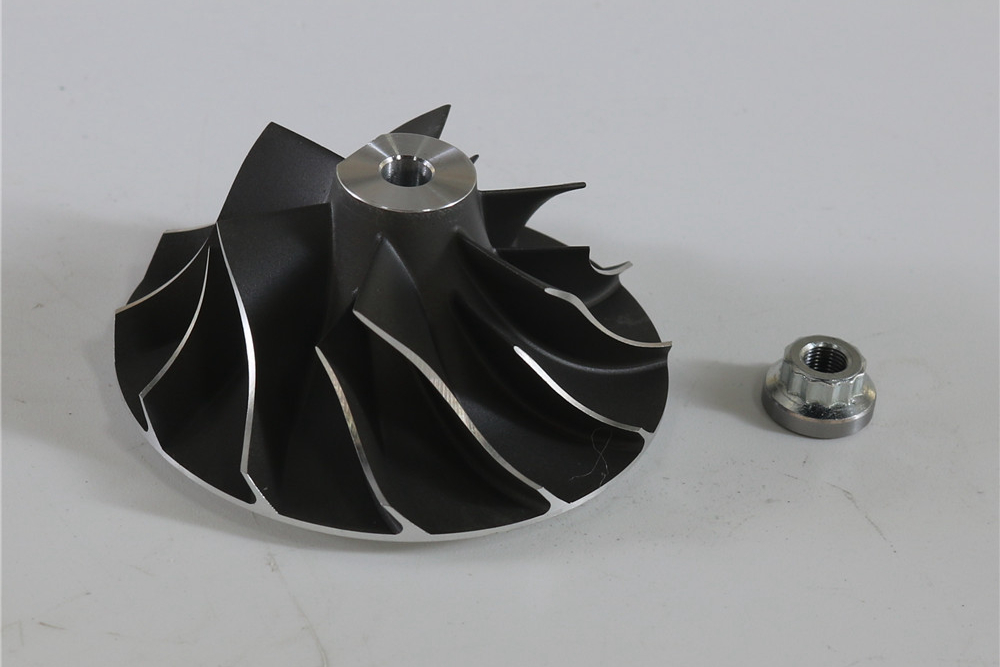
Wichtige Fertigungsherausforderungen beim Gießen von Rene-Legierungen
Die Komplexität beim Vakuum-Feinguß von Rene-Legierungs-Turboladerkomponenten umfasst:
Hochtemperaturstabilität: Erforderliche Betriebsstabilität über 950°C.
Maßgenauigkeit: Einhaltung von Toleranzen innerhalb von ±0,15 mm für komplexe Geometrien.
Oberflächenintegrität: Erzielung gleichmäßiger Oberflächengüten (Ra 3,2–6,3 µm), um aerodynamische Verluste zu reduzieren.
Materialreinheit: Kontrolle von Legierungsverunreinigungen unter 0,01 % unter strengen Vakuumbedingungen (<0,1 Pa).
Detaillierter Rene-Legierungs-Vakuum-Feingußprozess
Wachsmodellherstellung
Hochpräzise Werkzeuge erzeugen Wachsmodelle, die komplexe Turboladergeometrien genau innerhalb einer Toleranz von ±0,1 mm nachbilden.
Keramikschalenformung
Die Modelle werden wiederholt mit spezieller Keramikschlicker beschichtet, wodurch Schalenschichten mit einer Dicke von 6–10 mm aufgebaut werden, um geschmolzene Rene-Legierungen (~1400°C) zu verarbeiten.
Vakuumschmelzen und -gießen
Rene-Legierungen werden in einer kontrollierten Kammerumgebung (<0,1 Pa) vakuuminduktionsgeschmolzen, um Gasverschmutzung zu eliminieren.
Die geschmolzene Legierung wird präzise in Keramikformen gegossen, wodurch nahezu endkonturnahe Formen entstehen.
Endbearbeitungsvorgänge
Keramikschalen werden mechanisch oder chemisch entfernt.
Die CNC-Präzisionsbearbeitung gewährleistet eine Bauteilgenauigkeit von ±0,15 mm und eine Oberflächenqualität von Ra 3,2–6,3 µm.
Vergleich von Fertigungsprozessen für Turboladerkomponenten
Fertigungsprozess | Präzision | Oberflächengüte | Komplexitätshandhabung | Produktionseffizienz |
|---|---|---|---|---|
Vakuum-Feinguß | ±0,15 mm | Ra 3,2–6,3 µm | Hoch | Mittel–Hoch |
CNC-Bearbeitung | ±0,005 mm | Ra 0,8–1,6 µm | Mittel | Mittel |
Selektives Laserschmelzen (SLM) | ±0,10 mm | Ra 6,3–12,5 µm | Hoch | Mittel |
Schmieden | ±0,2 mm | Ra 6,3–12,5 µm | Mittel | Hoch |
Strategie zur Auswahl des Fertigungsprozesses
Vakuum-Feinguß: Ideal für komplex geformte Rene-Legierungs-Turboladerteile, die eine konsistente Maßgenauigkeit (~±0,15 mm) erfordern.
CNC-Bearbeitung: Optimal für Hochpräzisions-Endbearbeitungsanwendungen, bei denen extrem enge Toleranzen (±0,005 mm) erforderlich sind.
Selektives Laserschmelzen (SLM): Geeignet für Rapid Prototyping und die Herstellung von Teilen mit komplexen internen Kühlmerkmalen.
Präzisionsschmieden: Effektiv für die Herstellung von Teilen, die eine hohe strukturelle Integrität bei leicht reduzierten Genauigkeitsniveaus (±0,2 mm) erfordern.
Rene-Legierungs-Materialleistungsmatrix
Rene-Legierung | Zugfestigkeit | Streckgrenze | Max. Temp. | Ermüdungsbeständigkeit | Automobilanwendung |
|---|---|---|---|---|---|
1240 MPa | 860 MPa | 980°C | Ausgezeichnet | Hochleistungs-Turbinenräder | |
1300 MPa | 850 MPa | 950°C | Hervorragend | Turboladerscheiben | |
1200 MPa | 840 MPa | 900°C | Außergewöhnlich | Auspuffturbinenräder | |
1450 MPa | 960 MPa | 870°C | Hervorragend | Hochbelastete Rotorkomponenten | |
1550 MPa | 1000 MPa | 850°C | Hervorragend | Fortschrittliche Turbinenkomponenten | |
1300 MPa | 900 MPa | 1050°C | Hervorragend | Hochtemperatur-Turbinenteile |
Strategie zur Auswahl von Rene-Legierungen
Rene 41: Ausgewählt für Turboladerräder, die bei kontinuierlichen Temperaturen bis zu 980°C betrieben werden und eine ausgezeichnete Ermüdungsbeständigkeit gewährleisten.
Rene 80: Ideal für Automobilscheiben, die Hochtemperaturfestigkeit und Zuverlässigkeit bei 950°C erfordern.
Rene 77: Gewählt für Turbinenräder, die eine robuste Ermüdungslebensdauer bei Betriebstemperaturen um 900°C benötigen.
Rene 88: Optimal für hochbelastete Rotorkomponenten, die eine überlegene mechanische Festigkeit (1450 MPa Zugfestigkeit) bei 870°C benötigen.
Rene 142: Am besten geeignet für kritische Turboladerkomponenten, die maximale Festigkeit (1550 MPa) bei Temperaturen bis zu 850°C erfordern.
Rene N5: Ideal für Turbinenteile, die extremen Hitzebedingungen ausgesetzt sind und zuverlässig bei Temperaturen bis zu 1050°C arbeiten.
Wichtige Nachbearbeitungstechnologien
Wärmebehandlung: Maximiert die mechanischen Eigenschaften und die Ermüdungslebensdauer von Turboladerkomponenten.
Heißisostatisches Pressen (HIP): Beseitigt innere Porosität und gewährleistet Zuverlässigkeit und strukturelle Integrität.
Wärmedämmschicht (TBC): Reduziert die Hitzeeinwirkung auf Komponenten und verlängert Lebensdauer und Leistung.
Dynamisches Auswuchten: Minimiert Vibrationen und gewährleistet einen zuverlässigen Hochgeschwindigkeitsbetrieb.
Branchenfallstudie: Präzisions-Rene-Legierungs-Turboladerkomponenten
Neway AeroTech hat kürzlich ein Rene-80-Turboladerscheibenprojekt für einen bedeutenden Automobilhersteller abgeschlossen. Durch den Einsatz von fortschrittlichem Vakuum-Feinguß, HIP-Behandlung und dynamischem Auswuchten erzielten wir eine außergewöhnliche Maßgenauigkeit (±0,15 mm), Hochtemperaturfestigkeit (1300 MPa) und hervorragende Ermüdungsbeständigkeit. Diese Eigenschaften verbesserten die Turboladerleistung erheblich und erfüllten die strengen Standards der Automobilindustrie.
Unsere umfassenden Rene-Legierungs-Gießfähigkeiten bekräftigen unsere Führungsposition in der Herstellung von Automobil-Turboladerkomponenten.
FAQs
Wie ist Ihre typische Lieferzeit für Rene-Legierungs-Turboladerkomponenten?
Können Sie Prototypen oder kleine Produktionschargen mit Vakuum-Feinguß herstellen?
Welche Automobilindustriestandards und Zertifizierungen erfüllen Ihre Rene-Legierungskomponenten?
Bieten Sie Materialauswahlberatung an, die auf spezifische Turboladeranwendungen zugeschnitten ist?
Welche Qualitätssicherungsmethoden verwenden Sie, um die Leistung von gegossenen Rene-Legierungsteilen zu validieren?
