Vacuum Investment Casting for Turbine Nozzle Guide Vane RFQs
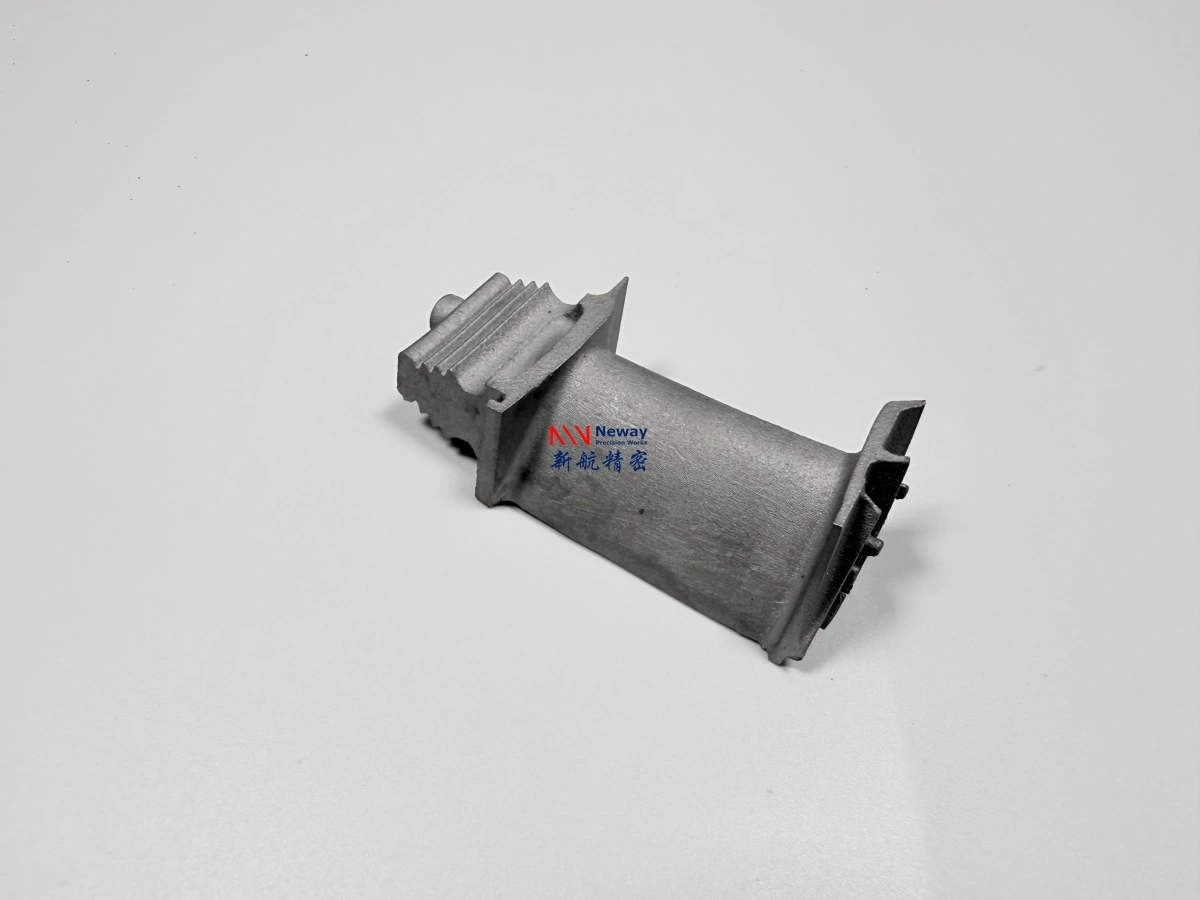
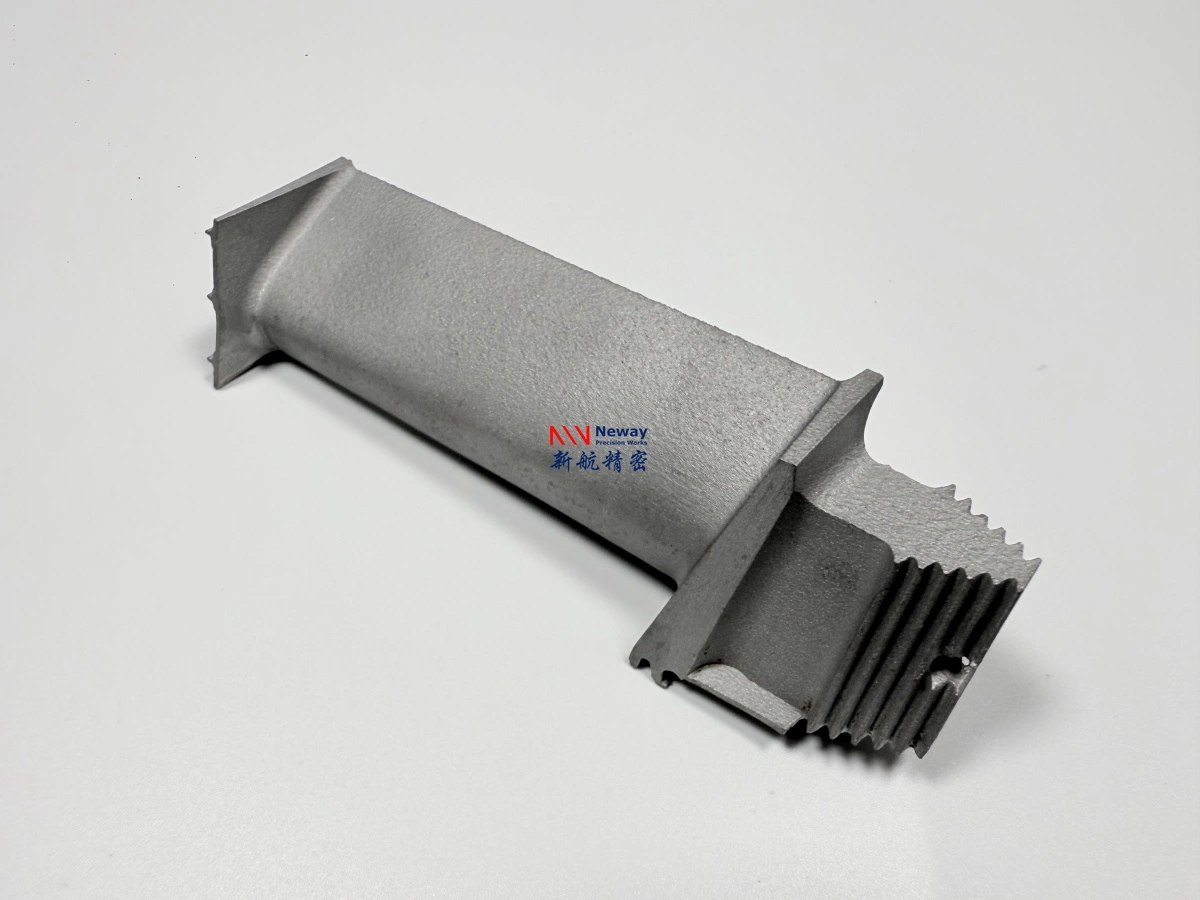
A nozzle guide vane RFQ is different from a rotating blade RFQ because the purchasing risk sits in static vane segment geometry: thin airfoil walls, ceramic core support, platform control, seal faces, flow-path alignment, and inspection evidence for internal and surface features. Buyers should not ask only for a superalloy casting price. They should define whether the supplier is quoting a vacuum-cast NGV blank, a machined vane segment, or a documented component package with X-ray, possible CT review, CMM, FPI and material records.
NewayAeroTech can review custom nozzle guide vane, turbine nozzle, vane segment and static hot-section component projects from drawings, 3D models, sample references, material notes, quantities, wall-thickness concerns, platform tolerances, heat treatment requirements, coating-preparation boundaries and inspection standards. The review usually starts with vacuum investment casting and may connect alloy selection, ceramic core feasibility, heat treatment, HIP treatment, superalloy CNC machining, EDM, CMM inspection, FPI, X-ray inspection, metallography and chemical analysis, depending on project requirements.
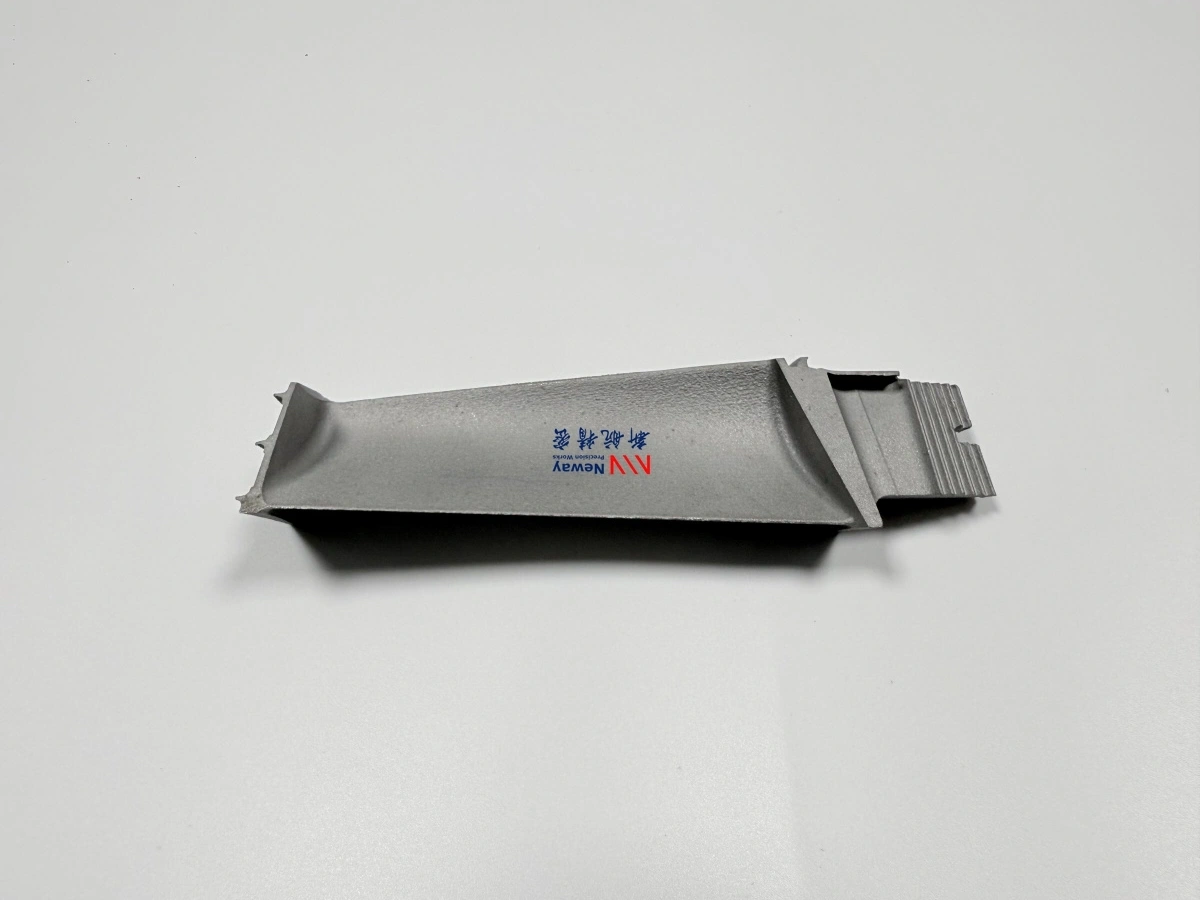
NGV Segment and Static Vane Boundary
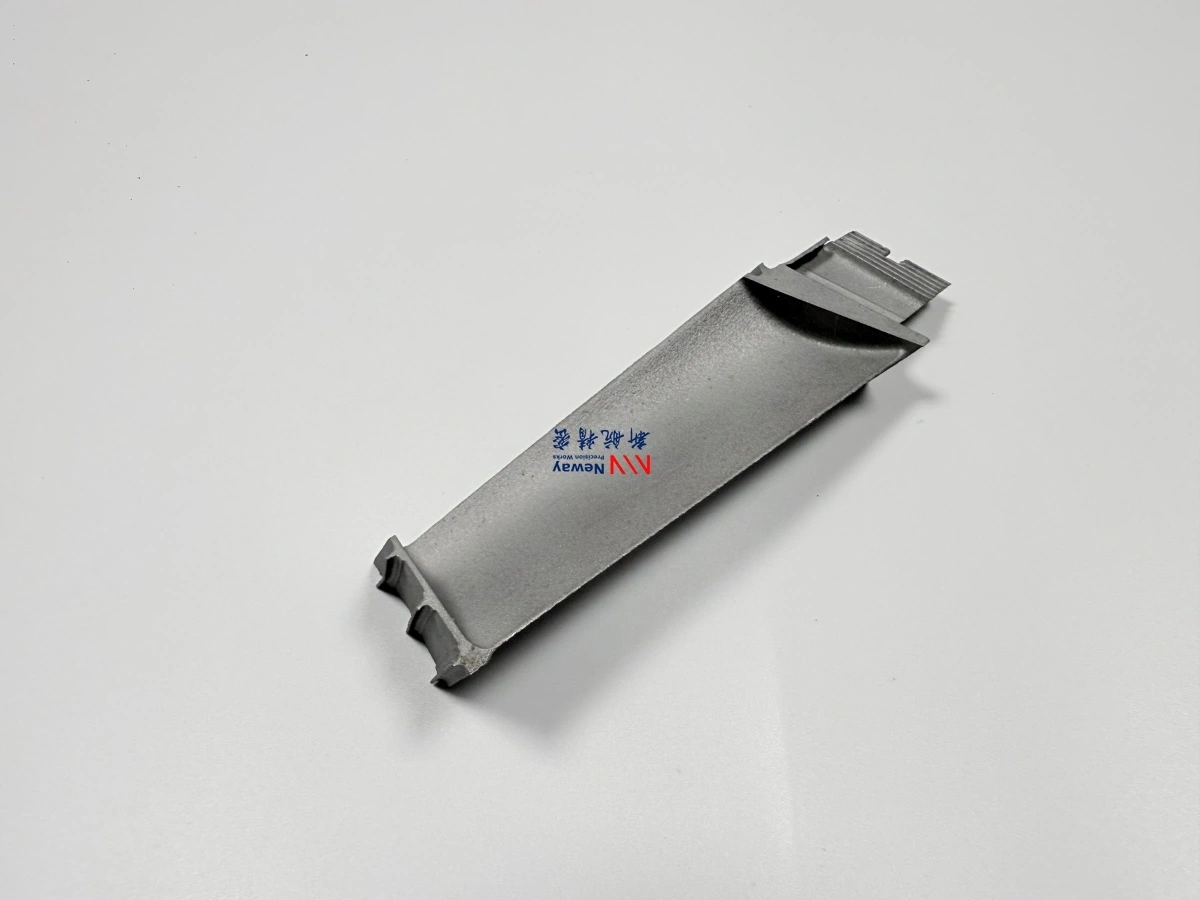
The RFQ should state whether the part is a single nozzle guide vane, an integral vane segment, a shrouded vane, a turbine nozzle component, or another static hot gas path component. This distinction affects tooling split, wax assembly, shell support, core holding, platform machining and inspection access. A buyer asking for an NGV casting may need only a blank for internal processing, while another buyer may expect seal faces, platform datums, flow-path surfaces and dimensional evidence to be managed by the supplier.
Static vane projects often include surfaces that do not rotate but still control engine or turbine flow-path function. Platform edges, shroud interfaces, seal faces, gas-path contours, inner and outer bands, and mounting features can be more important than the general outline of the vane. NewayAeroTech can review these boundaries when the buyer identifies functional surfaces and separates casting allowance from final machining or finishing responsibility.
NGV Feature | Quote Risk | Evidence Needed Before Order |
|---|---|---|
Airfoil and flow path | Thin sections and surface contour can affect wax control, shell support, cleanup and CMM strategy. | 3D model, drawing tolerance, surface-finish note and flow-path datum reference. |
Inner and outer platforms | Platforms may control assembly, sealing, machining stock and distortion review. | Critical faces, stock allowance, flatness requirement and inspection timing. |
Seal faces and shroud interfaces | These areas may require machining or finishing that is not included in a casting-only quote. | Delivery condition, datum scheme, surface finish and CMM reporting requirement. |
Core-formed passages or cavities | Core support, wall thickness and internal quality can drive route feasibility. | Section view, minimum wall notes, core references and X-ray or CT expectation. |
Thin-Wall and Ceramic Core Review
Thin-wall NGV geometry should be reviewed before a supplier commits to price or delivery condition. Vacuum investment casting can support complex superalloy static vanes, but the buyer should identify minimum wall regions, thick-to-thin transitions, trailing edge concerns, platform-to-airfoil junctions and any core-formed features. A drawing that hides section changes or lacks section views can leave the supplier guessing about core stability, metal feed, shell strength and inspection method.
Ceramic core planning is especially important when the vane has internal passages, cooling features or cavity geometry. The RFQ should explain whether the core geometry is fully defined by the buyer, whether a sample is only a reference, and whether internal conformance needs X-ray, CT discussion, sectioning on sample parts, or other buyer-approved evidence. NewayAeroTech can review core-related manufacturing risk, but acceptance rules must be defined by the customer's technical documents.
Core and Wall Issue | Manufacturing Concern | Buyer Input Needed |
|---|---|---|
Minimum wall thickness | Thin areas can affect fill, cleanup allowance, distortion and inspection sensitivity. | Section drawings, model slices, tolerance notes and critical wall locations. |
Ceramic core support | Core shift or breakage risk depends on cavity shape, support points and casting route. | Core geometry, internal passage expectation and accepted evidence method. |
Platform-to-airfoil transition | Thick-to-thin transitions may create shrinkage or dimensional risk. | Section views, local inspection requirement and X-ray acceptance notes. |
Trailing edge and flow-path surfaces | Local cleanup, wall loss and surface acceptance can change yield assumptions. | Surface finish notes, critical contours and whether final finishing is included. |
Platform, Seal Face and Flow-Path Datums
NGV RFQs often fail when the buyer provides a model but does not identify datum logic. A static vane segment may need platform faces machined after casting, seal faces protected during cleanup, and flow-path contours inspected relative to defined references. If the supplier does not know which face sets the datum, CMM inspection may measure the wrong relationship even when the casting looks acceptable.
Buyers should mark the faces that control assembly, sealing and gas-path alignment. They should also clarify whether the quote includes CNC machining, EDM, local grinding, coating preparation, or only casting cleanup. NewayAeroTech can review machining access and CMM planning when the drawing shows datum references, stock allowance and surfaces that must remain under buyer control for later processing.
Alloy and Vacuum Casting Route Fit
Common NGV and turbine nozzle RFQs may involve nickel-based or cobalt-based superalloys such as IN738LC, IN713LC, Rene 80, FSX-414, Haynes 188 or customer-specified high-temperature alloys. The alloy must be connected to component function, wall section, heat treatment condition, corrosion or oxidation environment, and required inspection evidence. A material name without application and delivery condition does not give enough basis for a responsible quote.
For many static vane applications, vacuum investment casting is the base route because it supports complex geometry and superalloy material requirements. Some projects may also require heat treatment, HIP, machining, EDM, coating preparation or additional material testing. The buyer should avoid mixing route assumptions from rotating blade projects into NGV work; the key question here is not root machining or rotating blade delivery, but core accuracy, wall integrity, platform control and flow-path release evidence.
NGV Route Decision | Best Fit Scenario | Scope Note for RFQ |
|---|---|---|
Vacuum-cast NGV blank | Buyer controls machining, coating and final validation after receiving the casting. | Define cleanup level, basic inspection, alloy grade and surfaces left for later work. |
Cast plus thermal processing | Buyer wants heat treatment or HIP included before machining or inspection release. | State heat treatment requirement, HIP expectation and material evidence needed. |
Cast plus platform machining | Seal faces, bands, mounting surfaces or datum pads require supplier machining. | Provide datum scheme, tolerance table, stock allowance and CMM report requirement. |
Documented static vane package | Buyer needs casting, selected post-processing, inspection evidence and release records. | Define X-ray, CT discussion, FPI, CMM, material verification and delivery condition. |
X-Ray, CT, CMM and FPI Release Evidence
Inspection planning for NGV castings should reflect the geometry rather than a generic report list. X-ray inspection is often discussed for internal casting quality, shrinkage risk and core-related concerns. CT may be considered when internal geometry, thin-wall sections or core-formed features require a deeper dimensional or internal review and the buyer's requirement supports that method. FPI helps identify surface-breaking indications after casting cleanup or machining. CMM inspection confirms platform faces, seal surfaces, datum relationships and flow-path dimensions when the scope includes machined or controlled surfaces.
The buyer should decide which evidence is required before order release. Adding inspection after casting can create disagreement over acceptance limits, report format and cost responsibility. NewayAeroTech can quote inspection support when the RFQ states which areas are critical, which method is required, and whether reports are needed for first article, trial lot or each batch.
Evidence Method | NGV Question It Answers | Best Timing |
|---|---|---|
X-ray inspection | Are internal casting regions, platform transitions and core-related areas acceptable under the buyer's rule? | After casting and cleanup, before downstream machining when internal quality is a release point. |
CT discussion | Does the internal passage, thin wall or core-formed geometry need additional visibility? | During RFQ planning for complex passages or when the buyer specifies CT-style evidence. |
CMM inspection | Do platforms, seal faces, datum pads and flow-path surfaces match the controlled geometry? | After machining or at the delivery condition being purchased. |
FPI / DPI | Are surface indications present on airfoil surfaces, platforms, seal areas or machined faces? | After cleanup and after machining when surface acceptance is part of release. |
RFQ Package for Vacuum-Cast NGV Segments
A strong NGV RFQ includes the 2D drawing, 3D model, material grade, quantity, delivery condition, minimum wall details, section views, ceramic core notes, heat treatment requirement, HIP expectation, machining surfaces, platform and seal-face tolerances, coating-preparation boundary and inspection standard. If the RFQ is based on a sample, explain whether the sample is worn, sectioned, measured, or only used as a geometry reference. The supplier also needs to know if the buyer expects a first-article review before repeat quantity.
NewayAeroTech fits custom NGV and turbine nozzle work where the buyer needs drawing-based manufacturing review, vacuum casting route planning, post-processing coordination and inspection evidence for suitable superalloy static hot-section components. It is not a standard spare-parts catalogue. The buyer remains responsible for final application validation, while the supplier's manufacturing responsibility should be tied to the agreed drawing, delivery condition and report package.
Related FAQs
What Is the Function of a Nozzle Guide Vane Stage 2 in Small Aero Engines?
How Are Inconel 713LC NGV2 Parts Manufactured by Vacuum Casting and CNC Machining?
What are the benefits of integrated casting services for single crystal guide blades?
What testing methods ensure the quality of single crystal guide blades?
Why is Hot Isostatic Pressing Essential in Post-Processing Single Crystal Guide Vanes?
How does directional solidification improve single crystal guide vane performance?
For vacuum investment casting of nozzle guide vanes or turbine nozzle segments, send drawings, models, alloy notes, wall-section details, platform and seal-face requirements, post-processing scope and inspection standards. NewayAeroTech can review the project and suggest a suitable custom manufacturing route for superalloy static hot-section components.