Why Is Inconel 713LC Used for UAV Engine NGV2 Components?
Why Is Inconel 713LC Used for UAV Engine NGV2 Components?
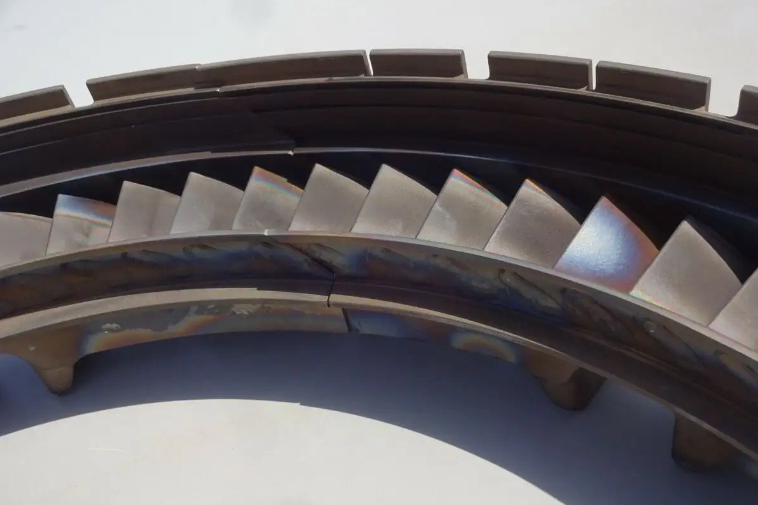
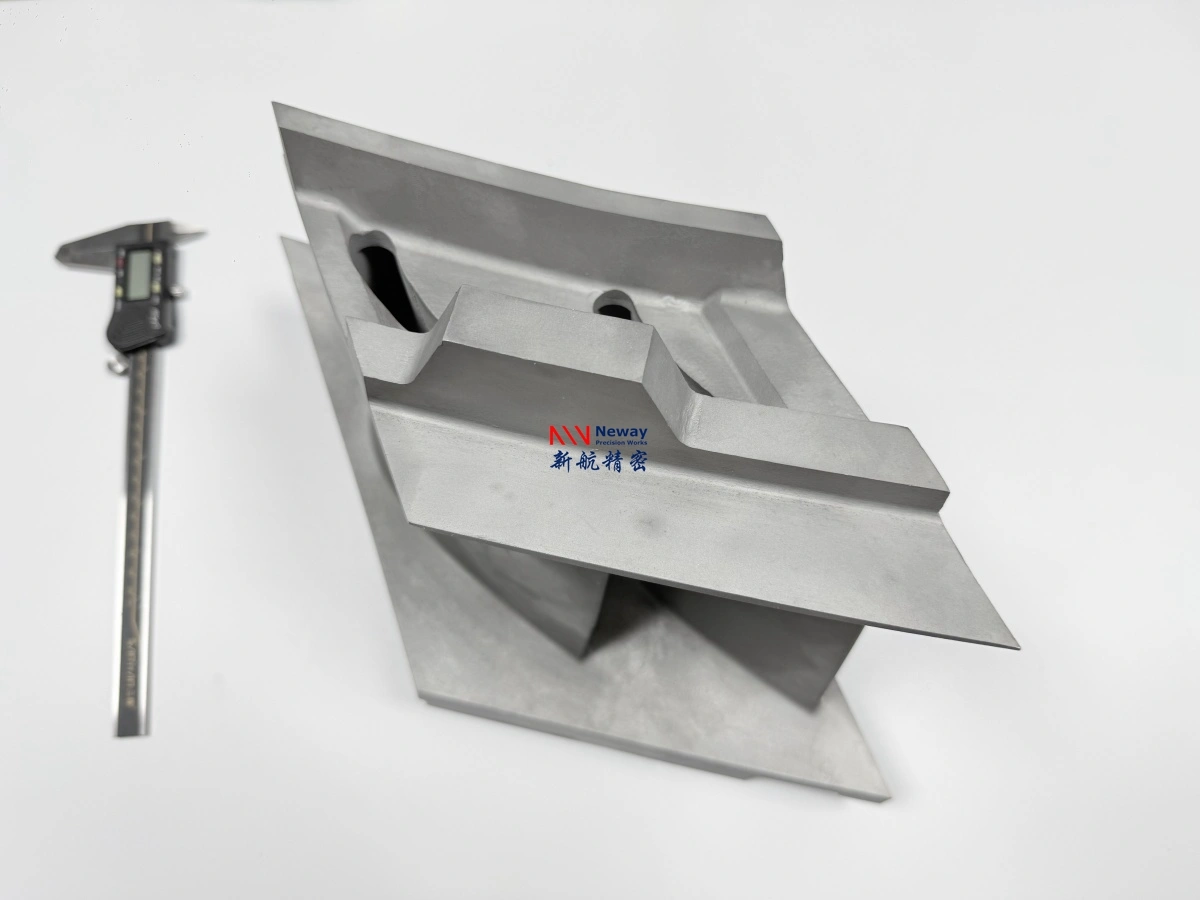
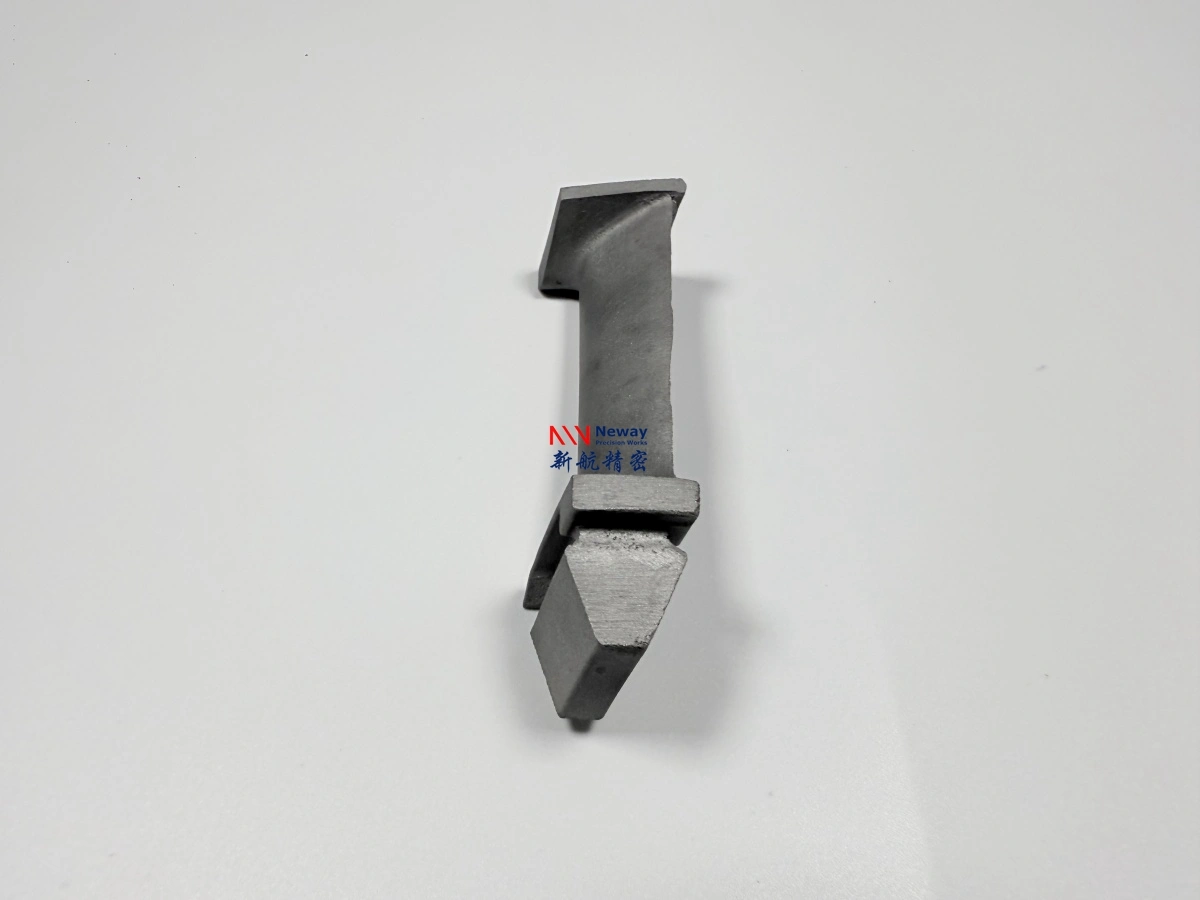
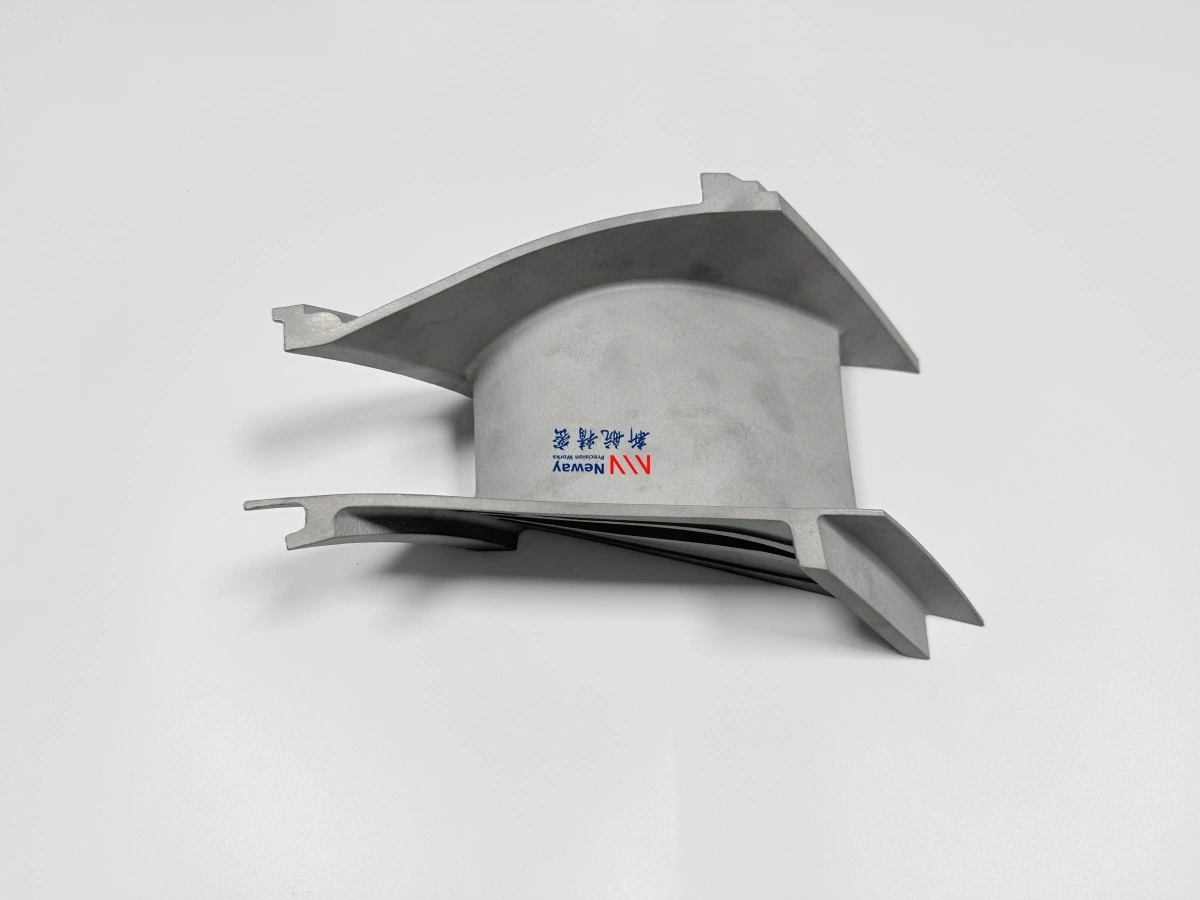
Inconel 713LC is used for UAV engine NGV2 components because it is a nickel-based casting superalloy suitable for high-temperature nozzle guide vanes, turbine vanes, and other static hot-section parts. Compared with ordinary stainless steel or low-temperature alloys, IN713LC provides better high-temperature strength, oxidation resistance, creep resistance, and casting suitability for compact turbine vane geometries.
For UAV turbojet and UCAV turbofan engines, NGV2 components work in hot gas flow and must maintain vane profile, throat area, platform geometry, and assembly position during thermal cycling. This makes Inconel alloy and high-temperature Superalloys important material choices for custom NGV2 manufacturing.
1. Direct Answer: Why Is Inconel 713LC Used for NGV2?
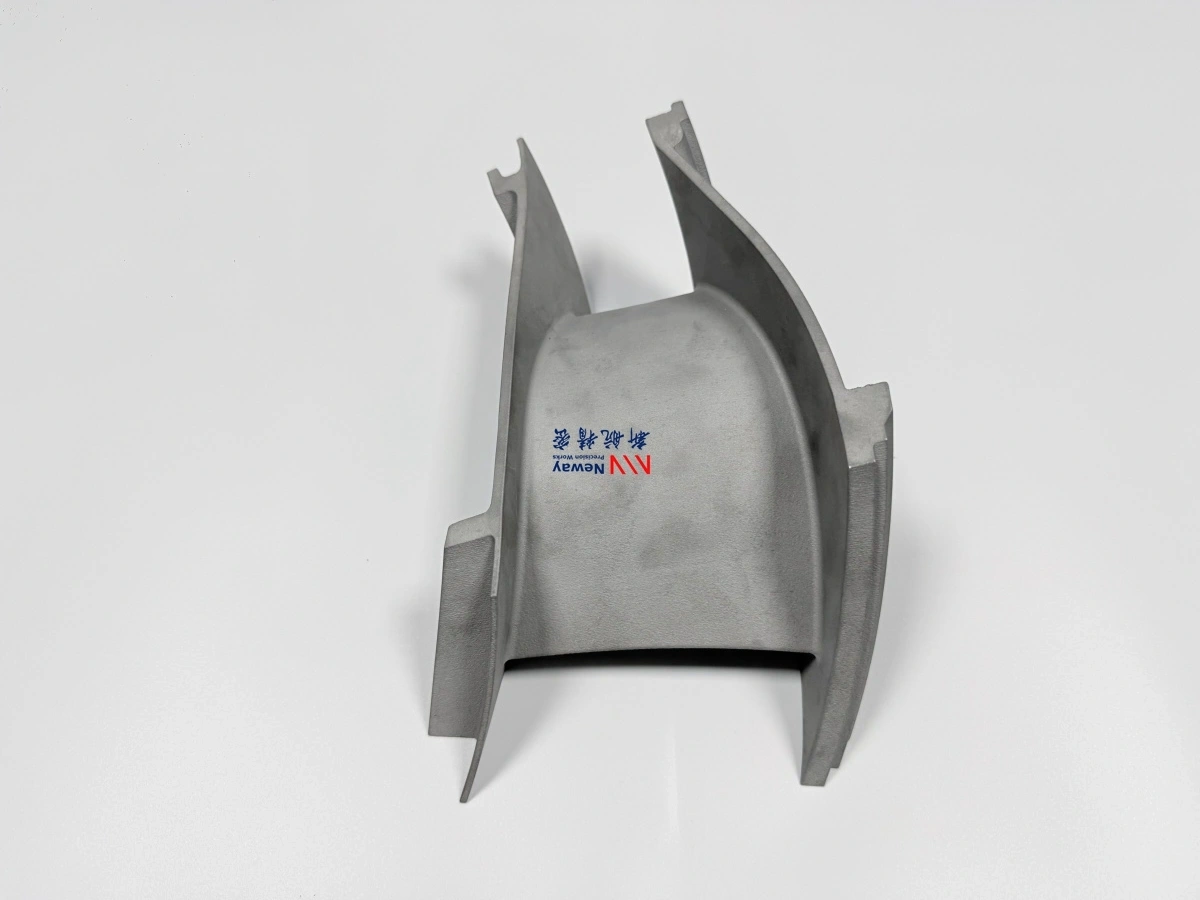
Inconel 713LC is used for UAV engine NGV2 components because NGV2 is a hot-section stationary vane that must withstand high-temperature gas, oxidation, thermal fatigue, and dimensional stress. IN713LC is designed for cast turbine components, making it suitable for complex nozzle guide vane airfoils, small vane passages, inner and outer platforms, and near-net casting structures.
NGV2 Requirement | Why It Matters | How Inconel 713LC Helps |
|---|---|---|
High-temperature strength | NGV2 is exposed to hot combustion gas and turbine-stage thermal load. | Maintains better strength and stability than ordinary stainless steel in hot-section service. |
Oxidation resistance | Hot gas flow can oxidize and degrade unsuitable materials. | Provides improved resistance to oxidation in turbine environments. |
Thermal fatigue resistance | Start-stop cycles create repeated heating and cooling stress. | Helps reduce crack risk when casting, heat treatment, and inspection are properly controlled. |
Casting suitability | NGV2 has complex airfoil profiles, narrow passages, platforms, and thin features. | Supports near-net vacuum investment casting of compact turbine vane geometry. |
Dimensional stability | Vane angle, throat area, and platform fit affect engine performance. | Supports stable hot-section geometry when combined with proper process control. |
2. Why Does NGV2 Need Superalloy Materials?
NGV2 needs superalloy materials because the part is installed in the turbine hot section, where it receives high-temperature gas from the upstream combustion and turbine stages. Ordinary stainless steel, carbon steel, aluminum alloy, or low-temperature nickel alloys are usually not suitable for this environment because they may lose strength, oxidize quickly, deform, or crack under thermal cycling.
In a UAV engine, the NGV2 component is often small but highly loaded. The vane must remain dimensionally accurate while guiding hot gas into the downstream rotor. If the material is not suitable, throat area variation, vane distortion, oxidation damage, or cracking can reduce turbine efficiency and shorten engine life.
Material Risk | Effect on NGV2 | Why Superalloy Selection Matters |
|---|---|---|
Low high-temperature strength | Vane distortion or platform deformation. | Can change gas flow angle and rotor-stage matching. |
Poor oxidation resistance | Surface degradation, scale formation, and airfoil damage. | Can increase flow loss and reduce component life. |
Thermal fatigue cracking | Cracks at airfoil edges, fillets, platforms, or thin sections. | Can lead to premature hot-section failure. |
Unstable geometry | Throat area, vane angle, and assembly fit may drift during service. | Can affect thrust, fuel efficiency, and turbine stability. |
3. How Does Inconel 713LC Support High-Temperature Strength?
Inconel 713LC supports high-temperature strength by maintaining structural stability in turbine hot-section environments. For NGV2 parts, this is important because the vane airfoils and platforms must resist deformation while exposed to hot gas, pressure gradients, and cyclic thermal stress.
High-temperature strength is especially important for small aero engines because the component size is compact and the vane passages are narrow. Even a small amount of deformation can change the gas path, reduce turbine efficiency, or create uneven downstream rotor loading.
High-Temperature Requirement | NGV2 Performance Impact | Manufacturing Control |
|---|---|---|
Airfoil stability | Maintains the designed gas-turning angle. | Controlled casting, heat treatment, and profile inspection. |
Platform strength | Maintains mounting and sealing geometry. | Machining datum control and dimensional inspection. |
Throat area stability | Maintains mass flow and turbine stage performance. | Passage measurement and casting correction feedback. |
Resistance to deformation | Reduces risk of flow instability and assembly interference. | Material selection, section design, and thermal processing control. |
4. How Does Inconel 713LC Improve Oxidation Resistance?
NGV2 components are exposed to hot combustion gas, so oxidation resistance is essential. Inconel 713LC offers better oxidation resistance than ordinary steels in high-temperature turbine environments, helping protect the vane surface and platform features from rapid degradation.
Oxidation can change vane surface roughness, reduce section thickness, weaken edges, and affect gas flow quality. For UAV engine NGV2 components, oxidation resistance helps maintain airfoil integrity, flow passage consistency, and longer hot-section service reliability.
5. Why Is Inconel 713LC Suitable for Vacuum Investment Casting?
Inconel 713LC is suitable for vacuum investment casting because NGV2 components often have complex vane airfoils, small passages, thin walls, inner and outer platforms, and near-net shapes that are difficult to machine fully from solid stock. Casting allows the main aerodynamic geometry to be formed near net shape before final machining and inspection.
Vacuum Investment Castings are commonly used for complex superalloy hot-section parts because they can produce precise shapes while reducing excessive machining on difficult-to-cut materials. For static NGV2 components, Equiaxed Crystal Casting can also support cast vane structures where single-crystal performance is not required.
Casting Feature | Why It Matters for NGV2 | Control Requirement |
|---|---|---|
Airfoil profile | Controls gas direction and turbine efficiency. | Wax pattern accuracy, mold control, and profile inspection. |
Throat area | Affects flow rate, pressure distribution, and stage matching. | Passage consistency, shrinkage compensation, and dimensional measurement. |
Thin sections | Reduce weight but increase casting and deformation risk. | Filling control, shell design, and deformation feedback. |
Inner and outer platforms | Provide assembly interface and sealing function. | Machining allowance, datum planning, and platform flatness control. |
Near-net shape | Reduces machining time on difficult superalloy material. | Tooling correction and first article inspection. |
6. What Should Be Considered When Machining Inconel 713LC NGV2 Parts?
Inconel 713LC is difficult to machine compared with ordinary steel or aluminum because of its high-temperature strength and work-hardening tendency. When machining NGV2 components, the supplier must control tool wear, burrs, thin-wall deformation, surface integrity, and datum alignment between the casting and final machined features.
Critical machined areas may include mounting faces, sealing surfaces, platform edges, holes, slots, and inspection datums. For NGV2 parts, machining should support both aerodynamic performance and assembly fit, not only basic dimensional tolerance.
Machining Concern | Why It Matters | Control Method |
|---|---|---|
Tool wear | Can cause dimensional drift and poor surface finish. | Use suitable tooling, cutting parameters, coolant strategy, and tool-life control. |
Burr formation | Burrs near vane passages, edges, or holes can affect assembly and flow. | Controlled deburring and inspection under magnification where required. |
Thin-wall deformation | Small vane platforms and thin edges may move during clamping or cutting. | Stable fixturing, low-stress machining sequence, and intermediate inspection. |
Surface integrity | Machining damage can become a crack initiation point under thermal cycling. | Control tool condition, avoid overheating, and inspect critical surfaces. |
Datum alignment | Incorrect datum selection can shift the vane profile relative to assembly features. | Align casting, machining, and inspection datums with functional requirements. |
7. Why Are Heat Treatment and Material Testing Important?
Superalloy Heat Treatment may be required to stabilize the material structure, support high-temperature properties, and reduce process-related stress after casting. The heat treatment condition should follow the material standard, drawing requirement, or customer-approved process specification.
Superalloy Material Testing and Analysis is also important for confirming alloy chemistry, microstructure, defects, hardness, and hot-section suitability. For UAV engine NGV2 parts, testing and inspection are especially useful when the component is used for engine validation, flight-related development, or repeat production.
Quality Step | What It Verifies | Why It Matters for IN713LC NGV2 |
|---|---|---|
Material verification | Confirms alloy chemistry and material traceability. | Ensures the component is made from the required IN713LC material. |
Heat treatment record | Documents thermal process condition and batch traceability. | Supports stable high-temperature material performance. |
Microstructure review | Checks casting and heat treatment condition. | Helps evaluate suitability for hot-section service. |
FPI / crack inspection | Detects surface-breaking cracks or discontinuities. | Important for thin vane edges, fillets, platforms, and machined transitions. |
X-ray or CT inspection | Checks internal porosity, shrinkage, and hidden defects. | Useful for high-reliability turbine vane castings. |
8. How Does Inconel 713LC Compare with Lower-Temperature Alloys?
Compared with stainless steel, carbon steel, aluminum alloy, or general-purpose lower-temperature alloys, Inconel 713LC is better suited for UAV engine NGV2 components because it is designed for cast high-temperature turbine parts. Lower-temperature alloys may be easier to machine or cheaper to buy, but they usually cannot provide the same resistance to hot gas, oxidation, thermal fatigue, and deformation.
Material Type | Possible Advantage | Limitation for UAV Engine NGV2 |
|---|---|---|
Ordinary stainless steel | Lower cost and easier sourcing. | Limited high-temperature strength and oxidation resistance for turbine hot-section service. |
Aluminum alloy | Lightweight and easy to machine. | Not suitable for direct turbine hot gas exposure. |
General nickel alloy | Better heat resistance than stainless steel in some applications. | May not match the casting and high-temperature hot-section balance of IN713LC. |
Inconel 713LC | High-temperature cast superalloy for turbine hot-section components. | More difficult to cast and machine, requiring experienced process control. |
9. What RFQ Details Are Needed for Inconel 713LC NGV2 Components?
For an Inconel 713LC NGV casting supplier to evaluate a UAV engine NGV2 project, buyers should provide the material standard, heat treatment condition, coating requirement, drawing, 3D model, inspection standard, quantity, and engine application. If the part is for prototype development, the supplier should also know whether the goal is fit checking, engine testing, performance validation, or production preparation.
RFQ Information | Recommended Input | Why It Matters |
|---|---|---|
Material standard | Inconel 713LC, IN713LC, customer standard, or approved equivalent. | Confirms alloy chemistry, casting route, and documentation needs. |
Heat treatment condition | As-cast, heat-treated, customer-specified condition, or supplier-recommended route. | Affects high-temperature strength, stability, and inspection planning. |
Coating requirement | No coating, oxidation-resistant coating, TBC, or coating preparation only. | Affects surface preparation, coating allowance, and final dimensions. |
Geometry data | STEP, X_T, 2D drawing, throat area requirement, and critical airfoil dimensions. | Supports casting tooling, machining planning, and aerodynamic inspection. |
Inspection standard | CMM, 3D scan, FPI, X-ray, CT, material report, heat treatment report, FAI, or COC. | Defines quality-control cost, lead time, and acceptance criteria. |
Quantity and stage | Prototype, first article, engine test batch, pilot batch, or repeat production. | Determines tooling strategy, process validation level, and unit price. |
10. Summary
Inconel 713LC is used for UAV engine NGV2 components because it is a nickel-based casting superalloy suitable for high-temperature nozzle guide vanes, turbine vanes, and static hot-section parts. It provides the high-temperature strength, oxidation resistance, thermal fatigue resistance, and casting suitability needed for compact UAV turbojet and turbofan engine vane components.
For custom Inconel 713LC NGV manufacturing, buyers should confirm the material standard, heat treatment condition, coating requirement, inspection standard, drawings, 3D files, quantity, and engine application. A reliable manufacturing plan should control vacuum investment casting, equiaxed casting feasibility, CNC machining, heat treatment, material testing, airfoil profile accuracy, throat area, and final inspection together.