How GE 9E-Class Turbine Nozzles Vanes Are Manufactured from Inconel, Rene, CMSX, and Nimonic Alloys
How GE 9E-Class Turbine Nozzles, Buckets, and Vanes Are Manufactured from Inconel, Rene, CMSX, and Nimonic Alloys
GE 9E-class gas turbines, including 9171E-type industrial turbine platforms, use high-temperature hot gas path components that must operate under thermal fatigue, oxidation, creep, vibration, erosion, and repeated start-stop cycling. Turbine nozzles, buckets, vanes, shrouds, combustion liners, transition pieces, and sealing components are not ordinary metal parts. They require carefully selected superalloys and controlled manufacturing routes to achieve reliable performance in demanding power generation environments.
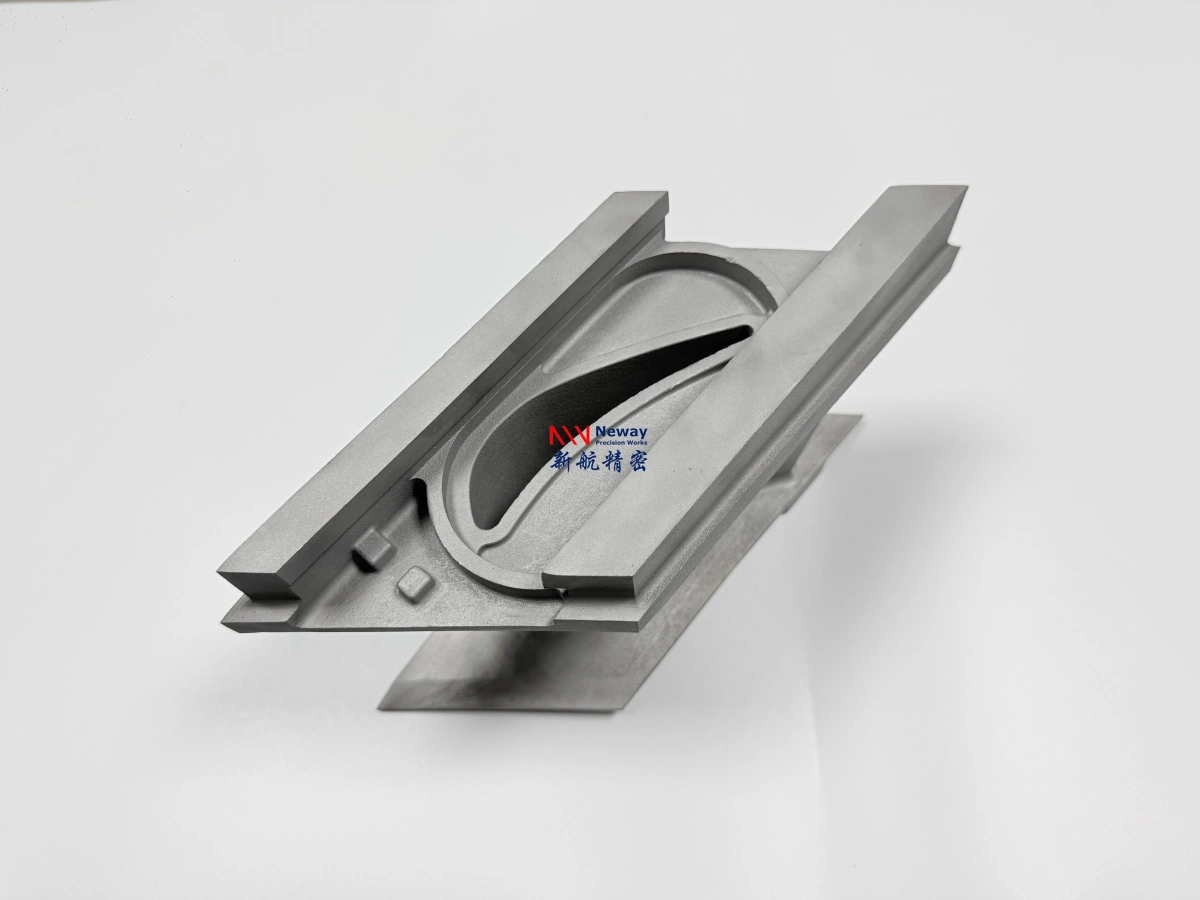
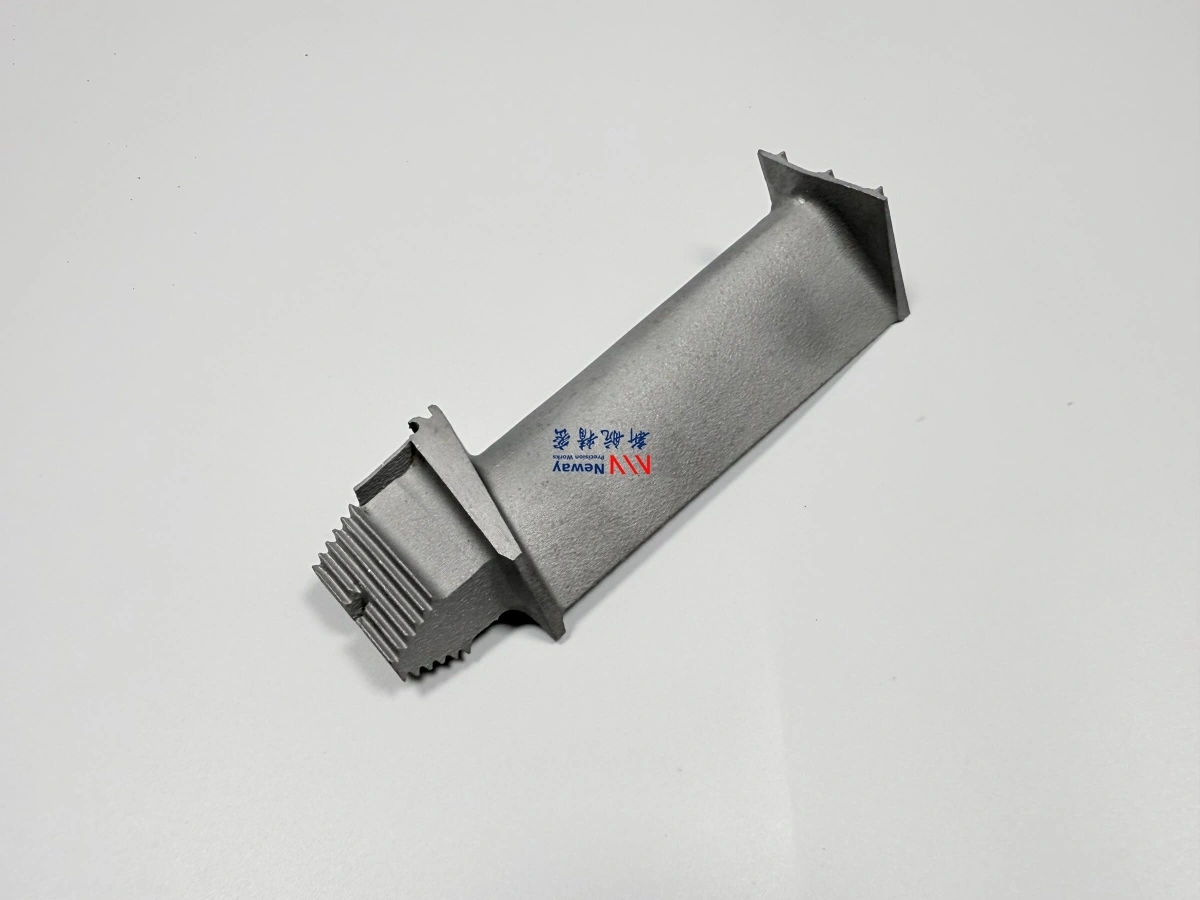
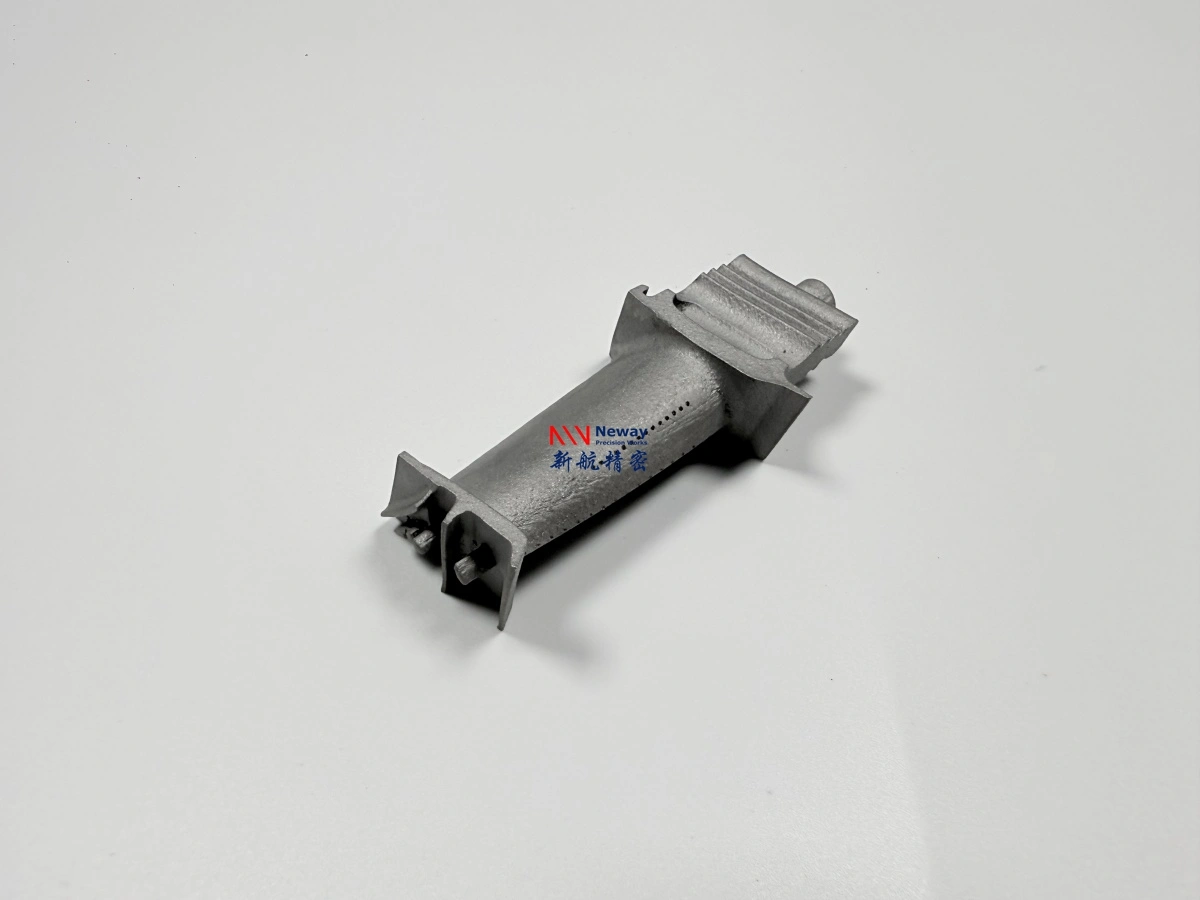
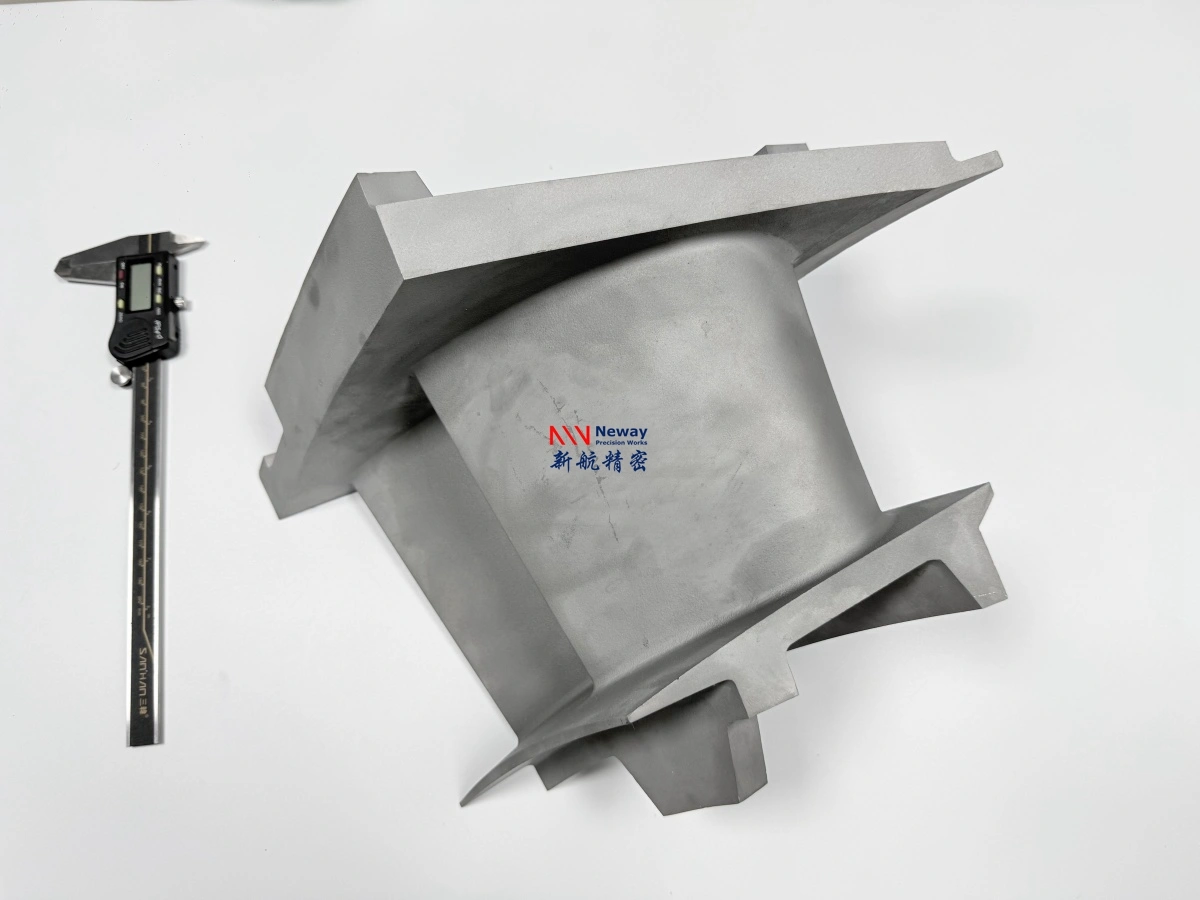
For custom manufacturing projects, alloy selection is closely connected to the part type and process route. A 1st stage bucket may require a different alloy and grain structure than a 2nd stage nozzle or combustion liner. A turbine vane may require precision casting, CNC machining, coating, and inspection, while a turbine blade or bucket may need directional casting or Single Crystal Casting to improve creep resistance in severe hot-section service.
NewayAeroTech supports custom superalloy manufacturing for GE 9E-type, 9171E-class, and E-class gas turbine components using Inconel, Rene, CMSX, Nimonic, Stellite, Hastelloy, and other high-temperature alloy families. Our process routes include Vacuum Investment Casting, Equiaxed Crystal Casting, Superalloy Directional Casting, HIP, heat treatment, CNC machining, EDM, deep hole drilling, coating, welding, and material testing.
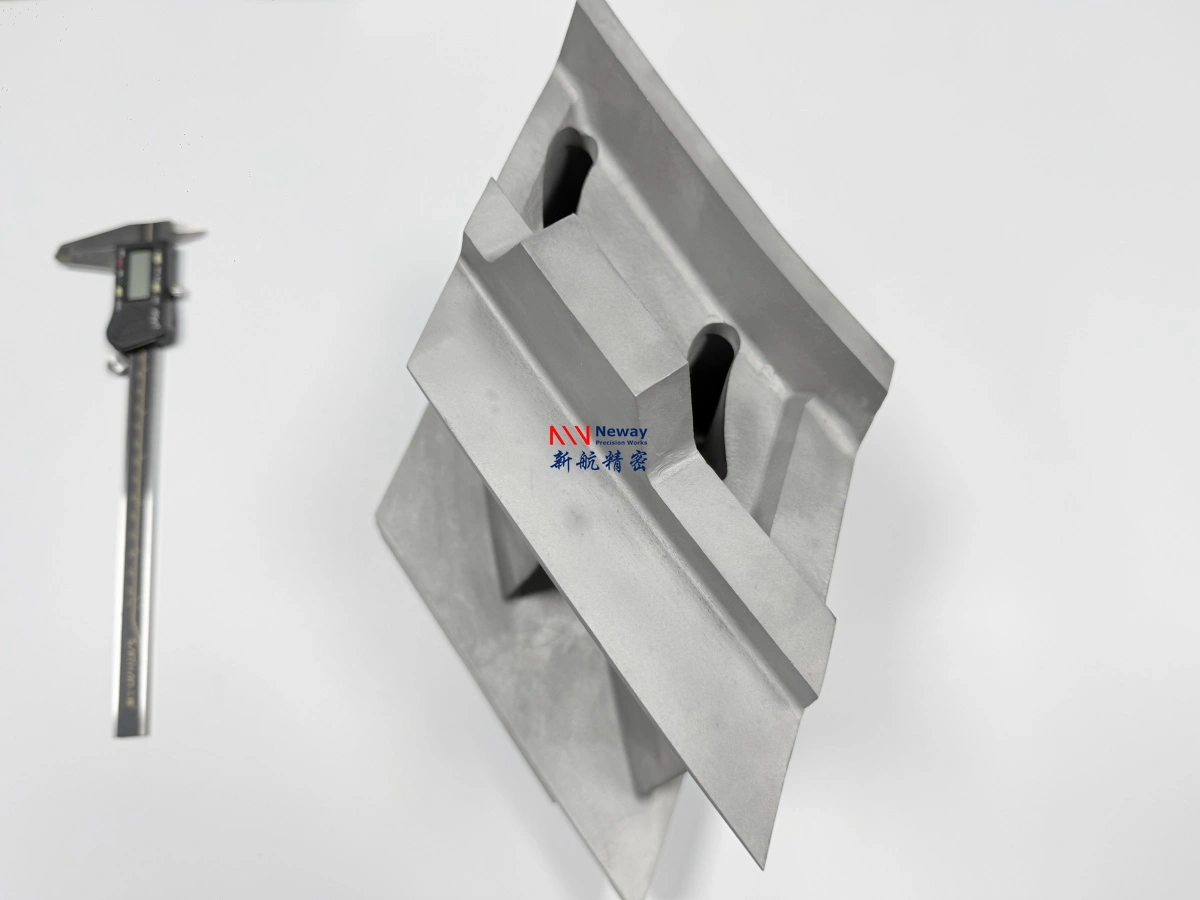
Why Alloy Selection Matters for GE 9E-Class Turbine Parts
The hot section of a GE 9E-class turbine contains parts exposed to different temperature zones and stress conditions. The first stage normally faces the most severe thermal exposure, while later stages may still require high fatigue strength, oxidation resistance, dimensional stability, and wear resistance. Because of this, the best material for one component may not be the best choice for another.
For example, a turbine bucket or blade may require excellent creep strength and fatigue resistance. A nozzle guide vane may require oxidation resistance, airfoil stability, and coating compatibility. A shroud or Z-notch area may require wear-resistant material or hardface welding. A combustion liner or transition component may require strong thermal fatigue resistance and oxidation resistance rather than only high tensile strength.
Selection Factor | Why It Matters | Typical Component Impact |
|---|---|---|
Operating temperature | Determines oxidation, creep, and coating requirements | 1st stage nozzles, buckets, vanes, combustion parts |
Stress direction | Influences whether equiaxed, directional, or single crystal casting is suitable | Turbine buckets, blades, high-stress airfoil parts |
Oxidation and corrosion | Affects alloy selection and coating strategy | Nozzles, liners, transition pieces, hot gas path surfaces |
Wear and contact surfaces | May require Stellite, hardface welding, or wear-resistant surface treatment | Shrouds, Z-notch areas, sealing interfaces |
Manufacturability | Some alloys are better suited for casting, forging, welding, or machining | Complex nozzles, buckets, vanes, and replacement components |
Inconel Alloys for GE 9E Turbine Nozzles, Buckets, and Vanes
Inconel alloys are widely used for high-temperature gas turbine components because they maintain strength and oxidation resistance at elevated temperatures. For GE 9E-class turbine parts, Inconel materials can be used in cast nozzles, guide vanes, turbine blades, buckets, wheels, combustion components, and structural hot-section parts depending on the exact alloy grade and component requirement.
Inconel 713C is commonly considered for cast turbine blades, nozzle guide vanes, and hot-section components where high-temperature strength and castability are important. Inconel 738 and Inconel 738LC are suitable for demanding hot gas path components requiring oxidation resistance, creep performance, and dimensional stability after heat treatment.
Inconel Grade | Typical Turbine Component | Manufacturing Route | Selection Notes |
|---|---|---|---|
Nozzle guide vanes, turbine blades, turbine wheels, hot-section castings | Equiaxed casting, directional casting, heat treatment, CNC finishing | Good castability and high-temperature strength for complex turbine components | |
Gas turbine buckets, vanes, nozzles, shrouds, high-temperature cast parts | Vacuum investment casting, heat treatment, HIP, machining, coating | Useful for hot gas path castings requiring high oxidation and creep resistance | |
Turbine nozzles, guide vanes, blades, buckets, heat-resistant components | Precision casting, HIP, heat treatment, CNC, EDM, TBC-compatible finishing | Lower carbon version often selected for improved casting and hot-section reliability | |
Structural turbine parts, rings, fasteners, combustion-related components | Casting, forging, CNC machining, heat treatment | Strong all-around nickel alloy for high-strength and corrosion-resistant components |
CMSX and Rene Alloys for Single Crystal Turbine Blades and Buckets
For the most demanding turbine blades and buckets, grain boundary control becomes critical. In severe hot-section service, grain boundaries can become weak points under long-term creep and thermal fatigue. This is why directional solidification and single crystal casting are used for selected turbine blades, buckets, and high-temperature airfoil components.
CMSX and Rene single crystal alloys are commonly associated with high-temperature turbine blade applications. CMSX-4, CMSX-10, Rene N5, and Rene N6 can be considered when the project requires high creep strength, controlled crystal orientation, and reliable hot-section performance.
Single Crystal Alloy | Typical Part Type | Manufacturing Focus | Why It Is Selected |
|---|---|---|---|
Single crystal turbine blades, buckets, high-temperature airfoils | Crystal orientation, airfoil control, heat treatment, coating preparation | Suitable for severe creep and thermal fatigue conditions | |
Advanced turbine blade and bucket applications | Single crystal casting, heat treatment, dimensional control, coating | Used where higher thermal capability and creep resistance are required | |
Single crystal blades, vanes, buckets, nozzle-related components | Crystal growth control, HIP, heat treatment, coating compatibility | Good option for high-temperature turbine components requiring stable properties | |
High-performance turbine blades and hot-section airfoils | Single crystal casting, metallurgical inspection, post-processing | Selected for demanding turbine applications requiring controlled microstructure |
Nimonic and Stellite Alloys for Vanes, Wear Areas, and Hot-Section Structures
Not every GE 9E-class hot section component needs a single crystal material. Static vanes, support parts, wear zones, sealing surfaces, and some high-temperature structural parts may use Nimonic or Stellite alloys depending on the operating conditions. These alloy families are useful when strength, oxidation resistance, wear resistance, or surface contact durability is more important than single crystal creep capability.
Nimonic 80A and Nimonic 90 can be used for guide vanes, high-temperature fasteners, rings, and hot-section structural components. Stellite 6 and Stellite 6B are useful for wear-resistant contact areas, sealing surfaces, hardface zones, and Z-notch-related features.
Alloy | Typical Use in Turbine Components | Manufacturing Consideration |
|---|---|---|
High-temperature rings, vanes, fasteners, structural hot-section parts | Requires controlled heat treatment and dimensional inspection | |
Guide vanes, hot-section supports, high-temperature hardware | Suitable for oxidation resistance and strength at elevated temperature | |
Wear surfaces, sealing areas, hardface zones, contact interfaces | Often used where sliding wear, erosion, or hot contact occurs | |
Z-notch areas, shroud contact features, high-wear turbine interfaces | Useful for wear-resistant components and hardface applications |
Hastelloy and Other High-Temperature Alloys for Combustion Components
GE 9E-class hot section manufacturing is not limited to turbine blades and nozzles. Combustion liners, transition pieces, heat shields, ducts, and exhaust-related components also require high-temperature alloy selection. These parts may experience oxidation, thermal cycling, vibration, and local hot spots rather than the same creep loading as rotating turbine buckets.
Hastelloy X is a useful alloy for combustion-related hot-section environments where oxidation resistance and thermal fatigue resistance are important. Depending on the part design, Inconel 625, Inconel 617, Nimonic alloys, and other high-temperature alloys may also be evaluated.
Component | Possible Alloy Direction | Manufacturing Focus |
|---|---|---|
Combustion liner | Hastelloy X, Inconel 625, Inconel 617, Nimonic alloys | Thermal fatigue resistance, forming, welding, oxidation-resistant coating |
Transition piece | Hastelloy X, Inconel 625, high-temperature nickel alloys | Weld integrity, dimensional stability, heat-resistant surface treatment |
Heat shield | Inconel, Hastelloy, Nimonic, or coated superalloy | Thermal protection, coating adhesion, oxidation resistance |
Exhaust-related component | Hastelloy, Inconel, stainless heat-resistant alloys | High-temperature corrosion resistance and weldability |
Matching Part Type, Material, and Manufacturing Process
A reliable GE 9E-class turbine component project should not start from the material name alone. The part type, stage location, service condition, geometry, repair or replacement purpose, inspection level, and target production quantity all affect the manufacturing route. For example, a 1st stage bucket may need single crystal casting, HIP, EDM cooling holes, root machining, and TBC. A 3rd stage nozzle may require precision casting, CNC finishing, and optional coating. A Z-notch wear feature may need hardface welding and surface inspection.
NewayAeroTech helps customers review the process route based on drawings, samples, material specifications, and quality requirements. For some parts, Casting Superalloys is the most suitable route. For high-stress rotating parts, Superalloy Precision Forging or Powder Metallurgy Turbine Disc manufacturing may be more appropriate.
Part Type | Typical Alloy Direction | Process Route | Key Inspection |
|---|---|---|---|
1st stage nozzle | Inconel 713C, Inconel 738LC, Rene alloys | Vacuum investment casting, heat treatment, coating, CMM | Airfoil profile, internal defects, coating quality |
1st stage bucket / blade | CMSX, Rene N5, Rene N6, Inconel 738LC | Directional or single crystal casting, HIP, EDM, TBC | Crystal orientation, root profile, cooling holes, coating |
2nd stage nozzle | Inconel 738, Inconel 713C, Nimonic alloys | Equiaxed or directional casting, CNC, Al-Si or oxidation coating | Dimensional stability, surface protection, assembly fit |
2nd / 3rd stage bucket | Inconel, Rene, Nimonic, Stellite wear areas | Casting, heat treatment, shroud machining, hardface welding | Scalloped tip shroud, Z-notch, wear surface, root fit |
Combustion liner / transition piece | Hastelloy X, Inconel 625, Inconel 617 | Forming, welding, machining, coating, inspection | Weld quality, thermal fatigue risk, oxidation protection |
Post-Processing for Inconel, Rene, CMSX, and Nimonic Turbine Parts
Post-processing is essential for gas turbine superalloy components. A casting or forged blank normally requires additional operations before it can be used as a functional hot-section part. HIP can reduce internal porosity, heat treatment can optimize microstructure, CNC machining can finish root and sealing features, EDM can produce cooling holes and narrow slots, and coating can improve oxidation and thermal resistance.
NewayAeroTech provides integrated post-processing support including Hot Isostatic Pressing (HIP), Heat Treatment, Superalloy CNC Machining, Electrical Discharge Machining (EDM), Superalloy Deep Hole Drilling, Thermal Barrier Coating (TBC), and Superalloy Welding.
Post Process | Purpose | Typical Turbine Part Feature |
|---|---|---|
HIP | Improves density and reduces internal porosity risk | Cast buckets, blades, nozzles, vanes, critical superalloy parts |
Heat treatment | Optimizes microstructure, strength, creep resistance, and stability | Inconel, Rene, CMSX, and Nimonic components |
CNC machining | Finishes datum surfaces, root features, sealing faces, and mounting interfaces | Bucket root, nozzle interface, shroud contact area, diaphragm surfaces |
EDM | Creates cooling holes, small openings, slots, and complex profiles | Airfoil cooling holes, seal slots, complex internal features |
TBC | Reduces thermal exposure on hot gas path surfaces | 1st stage buckets, nozzles, blades, vanes, heat shields |
Superalloy welding | Adds, repairs, or reinforces local wear-resistant areas | Z-notch hardface, sealing surfaces, local repair zones |
Coating Selection for GE 9E Hot Gas Path Components
Coating selection is an important part of turbine nozzle, bucket, and vane manufacturing. Hot gas path surfaces may require oxidation resistance, thermal protection, wear resistance, or corrosion resistance. The coating system must match the alloy, service temperature, surface preparation, and inspection requirements.
For GE 9E-class hot section parts, coating options may include MCrAlY bond coat, thermal barrier coating, Al-Si protective coating, oxidation-resistant coating, and hardface materials for wear surfaces. The coating should be considered early because coating thickness and surface preparation can affect machining allowance, airflow, sealing clearance, and final dimensional inspection.
Coating or Surface System | Typical Use | Engineering Control |
|---|---|---|
MCrAlY bond coat | Bond layer for coated buckets, blades, nozzles, and vanes | Surface preparation, oxidation resistance, coating adhesion |
Thermal barrier coating | Hot gas path surfaces exposed to severe temperature | Coating thickness, adhesion, coverage, surface roughness |
Al-Si protective coating | Selected nozzle, vane, and oxidation-sensitive components | Uniform coverage, surface protection, compatibility with substrate alloy |
Hardface surface | Z-notch, shroud contact, sealing and wear zones | Crack control, bonding quality, wear resistance, final machining |
Oxidation-resistant coating | Combustion liners, transition parts, heat shields, turbine surfaces | Temperature resistance, cycling durability, inspection after coating |
Quality Control for GE 9E-Class Superalloy Turbine Components
Quality control for GE 9E-class turbine nozzles, buckets, and vanes must cover more than final dimensions. For superalloy hot-section parts, quality assurance should include material verification, internal defect detection, surface inspection, microstructure analysis, mechanical property validation, coating inspection, and final dimensional confirmation.
NewayAeroTech provides Material Testing and Analysis for high-temperature alloy components. Depending on project requirements, reports may include CMM inspection, 3D scanning, X-ray inspection, CT inspection, FPI, metallographic microscopy, SEM/EDS, chemical composition analysis, GDMS, ICP-OES, carbon sulfur analysis, tensile testing, coating thickness measurement, and final visual inspection.
Quality Requirement | Inspection Method | Typical Output |
|---|---|---|
Dimensional accuracy | CMM inspection and 3D scanning | CMM report, scan comparison, FAI report |
Internal casting defects | X-ray, CT, ultrasonic testing | NDT report, internal defect evaluation |
Surface cracks | FPI or dye penetrant inspection | Surface defect inspection report |
Alloy chemistry | Spectrometer, GDMS, ICP-OES, carbon sulfur analysis | Material certificate, chemical analysis report |
Microstructure | Metallography, SEM/EDS, EBSD when required | Microstructure report, phase analysis, grain evaluation |
Coating quality | Coating thickness, adhesion, visual and surface inspection | Coating report, surface inspection record |
Manufacturing Support for Power Generation and Turbomachinery Applications
GE 9E-class turbine components are mainly associated with industrial Power Generation applications, but similar high-temperature alloy manufacturing requirements also appear in aerospace engines, turbochargers, marine turbines, energy equipment, and other turbomachinery systems. The same engineering logic applies: select the right alloy, choose the right process route, control defects, machine critical surfaces, protect hot gas path areas, and verify final quality.
In Aerospace and Aviation, turbine blades, vanes, nozzle rings, and combustion components may require more stringent documentation and tighter inspection standards. In Energy applications, long operating life, corrosion resistance, and outage reliability are often the main concerns. NewayAeroTech can support both prototype validation and custom batch manufacturing for high-temperature alloy components.
What Information Is Needed to Quote GE 9E-Class Turbine Nozzles, Buckets, and Vanes?
To quote GE 9E-class turbine nozzles, buckets, vanes, and other hot-section parts accurately, the supplier must understand the component function, material requirement, manufacturing route, tolerance level, coating specification, and inspection documentation. A turbine bucket with cooling holes and TBC coating requires a very different quotation approach from a static vane or combustion liner.
For faster quotation, please provide the following information:
Turbine model or application, such as GE 9E, 9171E, E-class gas turbine, or equivalent turbomachinery platform
Part name and stage, such as 1st stage nozzle, 1st stage bucket, 2nd stage vane, 3rd stage bucket, shroud, liner, or transition piece
Required alloy grade, such as Inconel 713C, Inconel 738LC, CMSX-4, CMSX-10, Rene N5, Nimonic 90, Stellite 6B, or Hastelloy X
3D CAD model, preferably STEP, X_T, IGS, or other editable format
2D drawing with tolerances, datum requirements, cooling holes, coating requirements, surface finish, and inspection notes
Required process route, such as vacuum investment casting, equiaxed casting, directional casting, single crystal casting, forging, CNC machining, EDM, or deep hole drilling
Required post-processing, such as HIP, heat treatment, TBC, MCrAlY bond coat, Al-Si coating, hardface welding, or oxidation-resistant coating
Inspection requirements, such as CMM, FAI, X-ray, CT, FPI, metallography, SEM, GDMS, carbon sulfur analysis, tensile testing, or coating report
Quantity for prototype validation, outage spares, repair support, or production batch
Target delivery schedule and shipping destination
Why Work with NewayAeroTech for GE 9E-Class Superalloy Components?
Custom manufacturing of GE 9E-class turbine nozzles, buckets, and vanes requires experience with superalloy materials, casting structures, heat treatment, machining allowances, coating systems, cooling features, and inspection documentation. The process cannot be treated as a simple casting or machining job because every manufacturing step affects final turbine reliability.
NewayAeroTech provides integrated high-temperature alloy manufacturing support from material selection and process planning to casting, HIP, heat treatment, CNC machining, EDM, deep hole drilling, TBC coating, welding, and final inspection. For Inconel, Rene, CMSX, Nimonic, Stellite, and Hastelloy turbine components, we help customers develop manufacturing routes based on drawings, samples, technical specifications, operating conditions, and quality requirements.
GE 9E and 9171E names are used only to describe turbine-frame application requirements. NewayAeroTech focuses on custom manufacturing of superalloy parts according to customer-provided drawings, samples, specifications, and project requirements.
FAQ
What GE 9E / 9171E gas turbine parts can be custom manufactured from superalloys?
Which manufacturing process is suitable for GE 9E turbine nozzles, buckets, and vanes?
How are cooling holes, coating surfaces, and wear areas manufactured on GE 9E turbine buckets?
What inspection reports are needed for GE 9E / 9171E replacement hot section components?