What inspection reports are needed for GE 9E / 9171E replacement hot section components?
What Inspection Reports Are Needed for GE 9E / 9171E Replacement Hot Section Components?
GE 9E / 9171E replacement hot section components usually require inspection reports covering dimensional accuracy, material chemistry, internal defects, surface cracks, microstructure, coating quality, heat treatment, and final conformity. Typical reports may include CMM inspection, 3D scanning, X-ray inspection, CT inspection, FPI or dye penetrant inspection, material certificate, chemical analysis, metallographic report, SEM/EDS analysis, coating thickness report, heat treatment report, and FAI report.
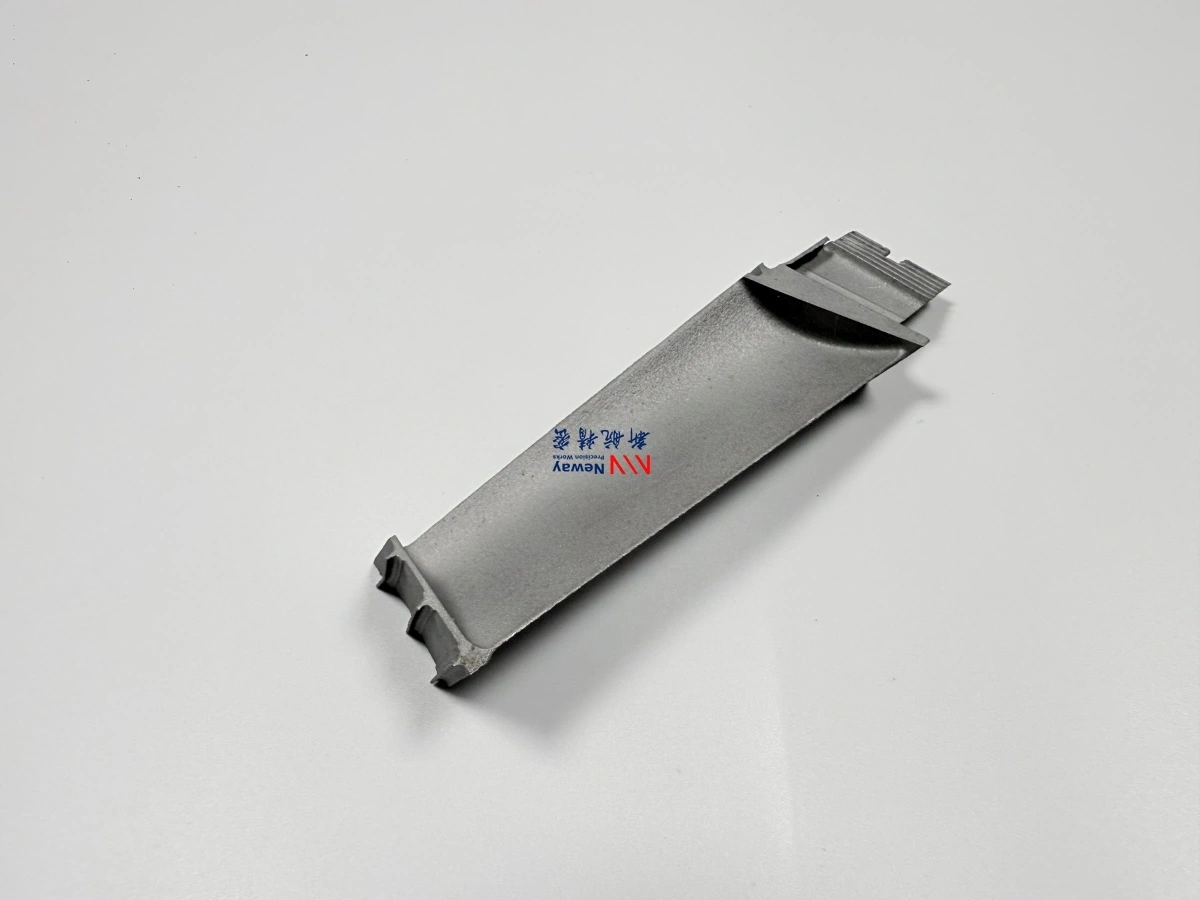
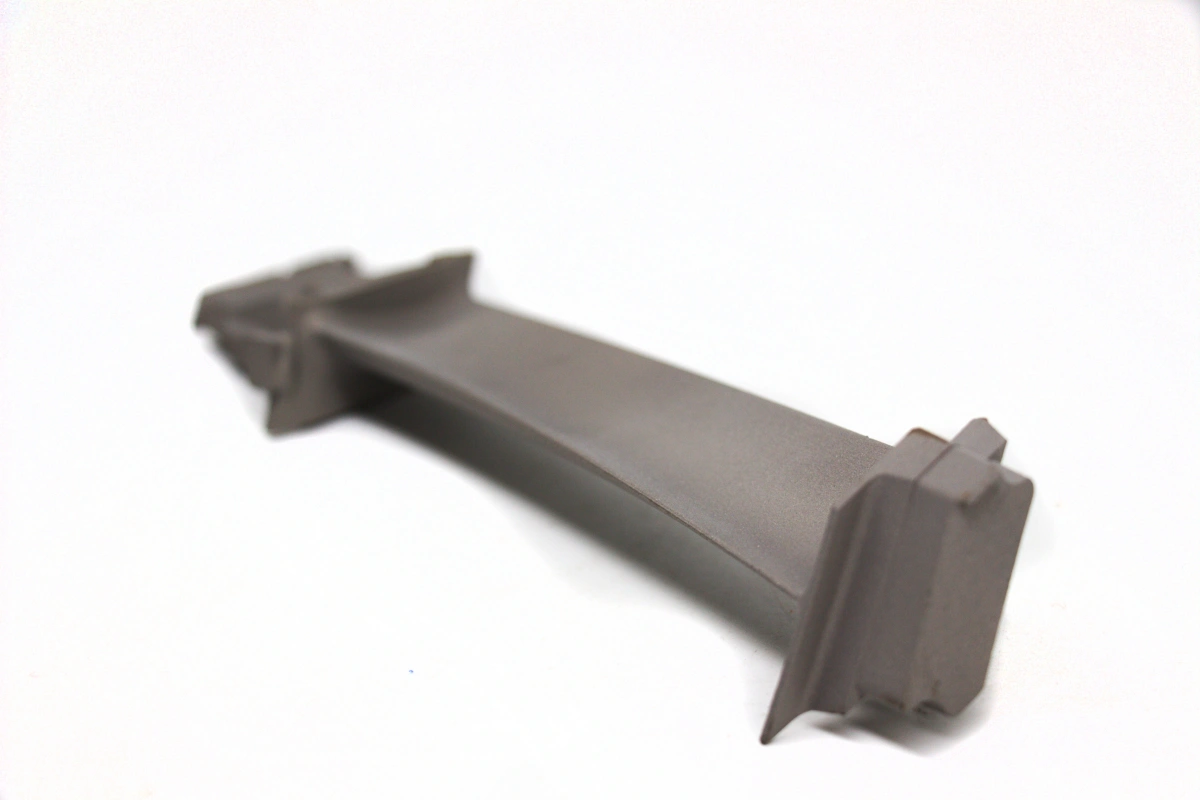
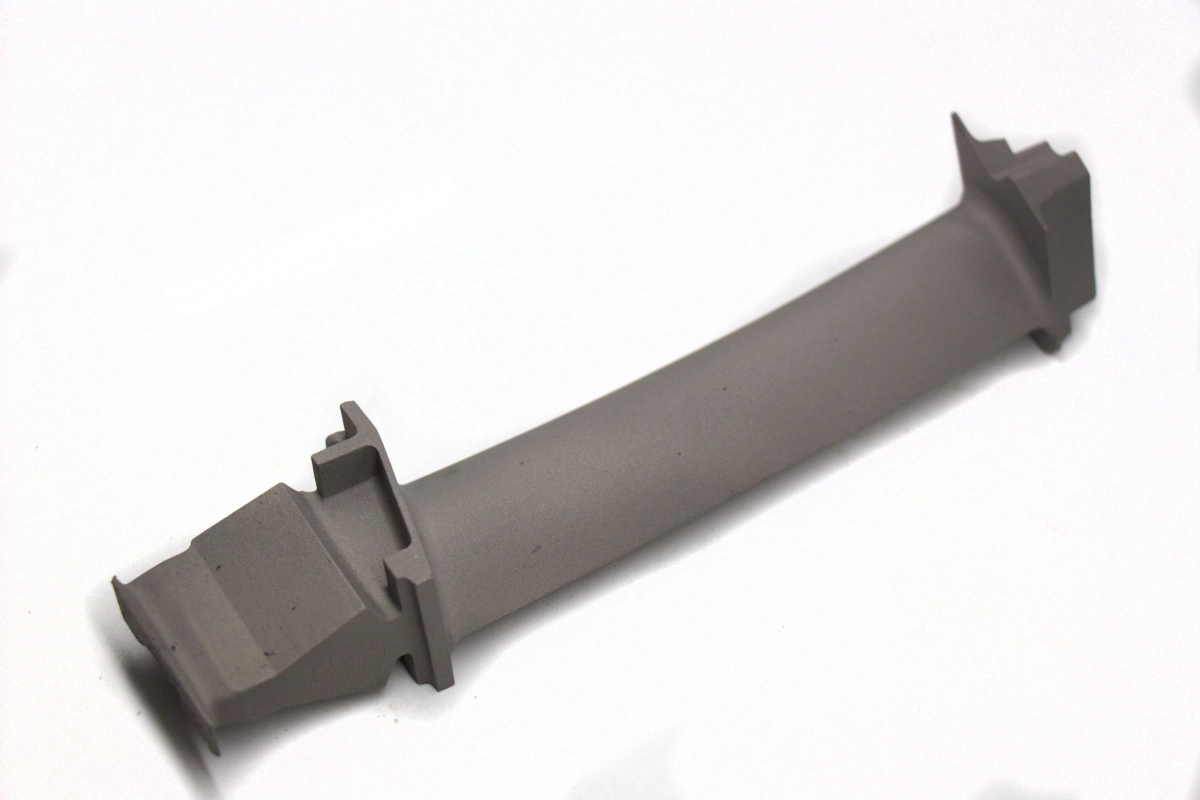
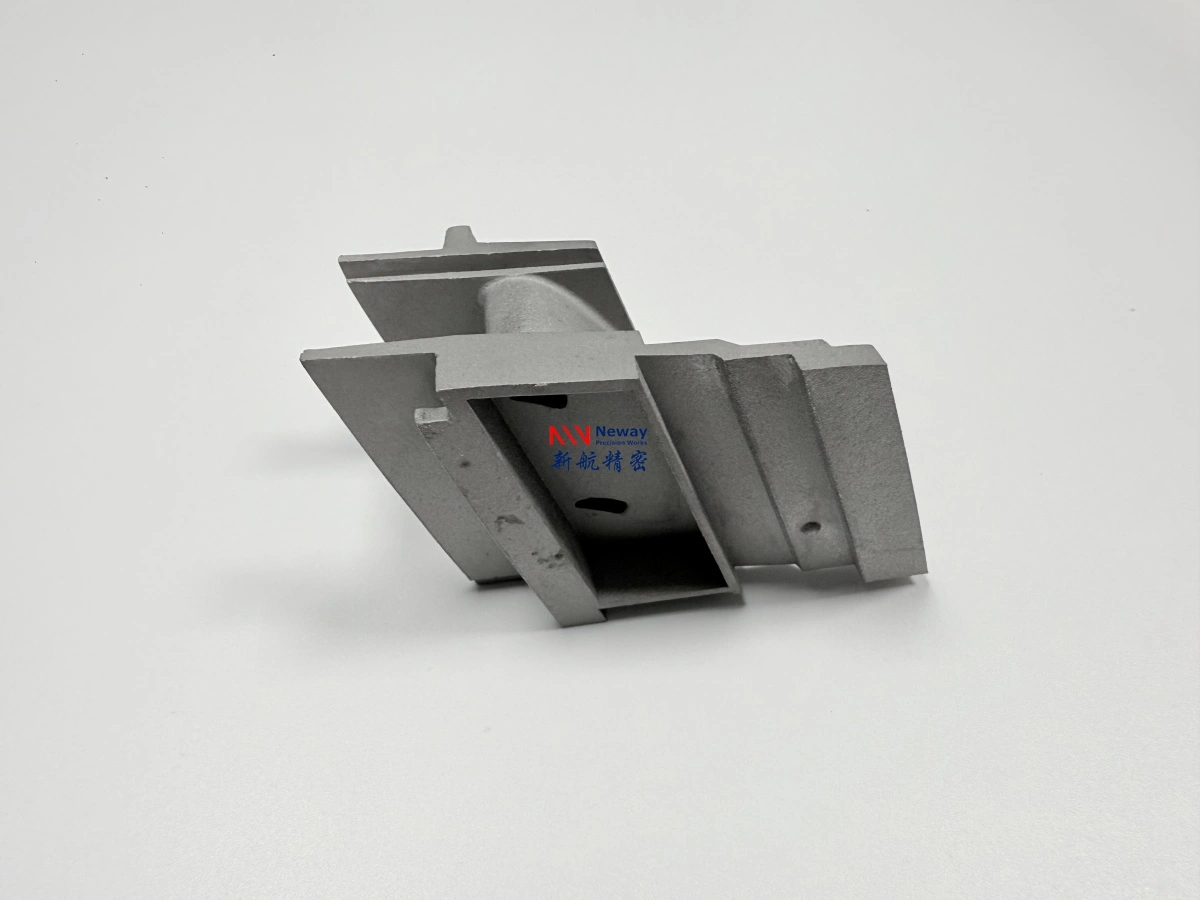
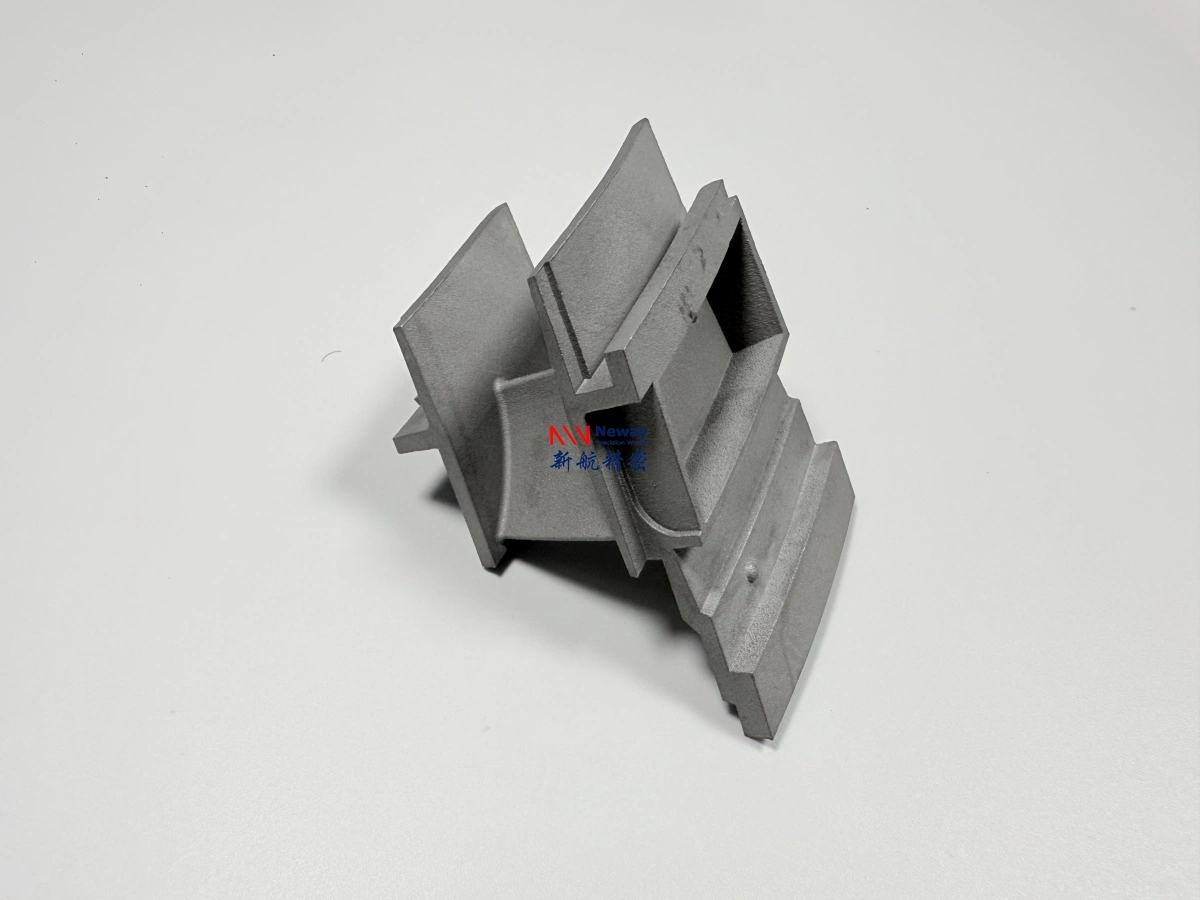
The exact inspection package depends on the part type, stage location, material grade, manufacturing process, coating requirement, and customer specification. For GE 9E-type nozzles, buckets, vanes, shrouds, combustion liners, and transition pieces, NewayAeroTech can support Material Testing and Analysis, dimensional inspection, non-destructive testing, coating inspection, and final quality documentation for custom superalloy components.
1. Common Inspection Reports for GE 9E / 9171E Hot Section Components
Inspection Report | What It Verifies | Typical Application |
|---|---|---|
CMM inspection report | Critical dimensions, datum features, root profile, mounting faces, sealing surfaces, and assembly interfaces | Nozzles, buckets, vanes, shrouds, machined superalloy components |
3D scanning report | Airfoil profile, gas path geometry, surface deviation, and CAD comparison | Blades, buckets, guide vanes, reverse-engineered parts, complex castings |
X-ray inspection report | Internal casting defects such as porosity, shrinkage, inclusions, and cracks | Investment cast nozzles, buckets, vanes, shrouds, and heat shields |
CT inspection report | Internal defects, hidden geometry, cooling passages, wall thickness, and blocked holes | Cooling-hole components, complex airfoils, critical superalloy castings |
FPI / dye penetrant report | Open surface cracks and surface-connected defects after casting, welding, machining, or heat treatment | Hot gas path castings, welded areas, hardface zones, machined surfaces |
Material certificate | Material grade, heat number, chemical composition, and traceability | All custom superalloy replacement components |
Coating inspection report | TBC thickness, bond coat quality, surface coverage, masking accuracy, and coating condition | TBC-coated buckets, nozzles, vanes, heat shields, and combustion parts |
2. Why Dimensional Inspection Is Important for Replacement Hot Section Parts
Dimensional inspection is critical because GE 9E / 9171E hot section components must fit correctly into the turbine assembly. Even when the casting quality is acceptable, the final part can fail inspection if the root profile, platform, mounting face, shroud feature, sealing surface, or bolt interface is not controlled accurately.
CMM inspection is used to verify critical machined dimensions, datum relationships, and assembly interfaces. 3D scanning is useful for airfoil profiles, gas path surfaces, reverse-engineered samples, and complex shapes where many surface points must be compared with the CAD model.
Dimensional Feature | Recommended Inspection Method | Why It Matters |
|---|---|---|
Bucket root | CMM inspection, profile measurement | Controls rotor-slot fit, load transfer, and assembly safety |
Nozzle mounting face | CMM inspection, flatness and position checks | Ensures stable installation and gas path alignment |
Airfoil profile | 3D scanning, profile measurement, CAD comparison | Controls gas flow, aerodynamic performance, and stage consistency |
Shroud feature | CMM inspection, 3D scanning, surface measurement | Controls tip clearance, contact behavior, and sealing performance |
Cooling hole location | Optical inspection, 3D inspection, CT when required | Confirms hole position, angle, and relationship to the airfoil surface |
3. What NDT Reports Are Used for Superalloy Castings?
Non-destructive testing is used to check internal and surface defects without destroying the component. For GE 9E / 9171E replacement hot section parts, NDT is especially important because superalloy castings can contain shrinkage, porosity, inclusions, cracks, or blocked internal features if the casting and post-processing route is not properly controlled.
X-ray inspection is commonly used for internal defect detection in castings. CT inspection provides more detailed three-dimensional internal information and is useful for cooling passages, thin walls, complex airfoils, and blocked-hole evaluation. FPI or dye penetrant inspection is used to detect open surface defects after casting, welding, machining, heat treatment, or coating preparation.
NDT Method | What It Detects | Typical Report Use |
|---|---|---|
X-ray inspection | Porosity, shrinkage, cracks, inclusions, internal casting discontinuities | General internal defect report for cast nozzles, buckets, vanes, and shrouds |
CT inspection | Internal geometry, cooling passage condition, wall thickness, blocked holes, hidden defects | Detailed inspection for complex airfoils and cooling-channel components |
FPI / dye penetrant inspection | Surface cracks, open pores, surface-connected defects | Surface defect report after casting, welding, machining, or heat treatment |
Ultrasonic inspection | Internal discontinuities, bonding issues, material homogeneity problems | Selected forged, machined, or structural superalloy components |
Visual inspection | Surface defects, coating defects, handling damage, obvious dimensional problems | Final quality review before delivery |
4. What Material Verification Reports Are Needed?
Material verification confirms that the replacement hot section component was produced from the required alloy grade. This is important because GE 9E / 9171E turbine nozzles, buckets, vanes, and combustion components may use different superalloy families, including Inconel, CMSX, Rene, Nimonic, Stellite, and Hastelloy materials.
Depending on customer requirements, material verification may include a material certificate, chemical composition report, direct reading spectrometer report, GDMS checking, ICP-OES analysis, and carbon sulfur analyzer checking. For critical turbine parts, material traceability should be linked with heat number, melting batch, and process records.
Material Report | Purpose | Why It Matters |
|---|---|---|
Material certificate | Confirms alloy grade, heat number, and basic traceability | Provides documentation foundation for replacement component manufacturing |
Chemical composition report | Verifies major alloying elements and composition range | Confirms that the part matches the required superalloy grade |
GDMS report | Checks trace elements and high-purity material requirements | Useful for high-temperature alloys where minor elements can affect performance |
ICP-OES report | Measures elemental composition for alloy verification | Supports material compliance and grade confirmation |
Carbon sulfur analysis | Measures carbon and sulfur content | Important because carbon and sulfur can affect strength, casting behavior, and brittleness risk |
5. When Are Metallography, SEM, and Microstructure Reports Required?
Metallography and SEM analysis are used when the customer needs to verify microstructure, phase condition, heat treatment effect, grain structure, or defect morphology. For superalloy hot section parts, microstructure is closely related to creep performance, fatigue resistance, casting quality, and high-temperature stability.
Metallographic microscopy can evaluate grain condition, phase distribution, carbide condition, porosity, and heat treatment results. SEM inspection with EDS can provide high-resolution surface and defect analysis, especially when evaluating fracture, inclusions, coating issues, or local failure mechanisms.
Analysis Method | What It Evaluates | Typical Use Case |
|---|---|---|
Metallographic microscopy | Grain structure, phases, porosity, heat treatment result, casting quality | Cast buckets, nozzles, vanes, superalloy samples, heat-treated parts |
SEM inspection | Surface defects, fracture morphology, inclusions, coating defects, local microstructure | Failure analysis, coating issue review, defect morphology confirmation |
SEM/EDS analysis | Local elemental composition and inclusion identification | Material verification, contamination analysis, inclusion source investigation |
EBSD analysis | Crystal orientation, grain boundary condition, crystallographic structure | Single crystal or directionally solidified turbine components when required |
6. What Coating Inspection Reports Are Needed?
Coating inspection is important for GE 9E / 9171E hot section components because coatings directly affect oxidation resistance, thermal protection, wear behavior, and service life. Buckets, nozzles, vanes, shrouds, heat shields, and combustion parts may require TBC, MCrAlY bond coat, Al-Si protective coating, oxidation-resistant coating, or hardface surface treatment.
For coated components, inspection should verify coating thickness, coverage, adhesion, surface roughness, masking accuracy, and visible defects. Thermal Barrier Coating (TBC) inspection may be especially important for first-stage buckets, nozzles, vanes, and heat shields exposed to severe hot gas flow.
Coating Inspection Item | Purpose | Typical Output |
|---|---|---|
Coating thickness | Confirms TBC, bond coat, Al-Si, or protective coating thickness | Coating thickness report |
Coverage inspection | Checks whether required areas are coated and masked areas remain protected | Visual report and coating coverage record |
Adhesion review | Evaluates whether coating is properly bonded to the substrate | Adhesion test or coating quality record when required |
Surface roughness | Confirms functional surface condition after coating | Roughness report |
Crack or spallation inspection | Checks visible coating damage, cracks, peeling, or defects | Final surface inspection report |
7. What Documents Should Be Included with Final Delivery?
The final delivery documents should match the purchase order, drawing, and customer quality requirements. For GE 9E / 9171E replacement hot section components, documentation should be confirmed before production starts so that no required report is missed after manufacturing.
Typical delivery documents may include material certificate, process records, heat treatment report, HIP report, dimensional inspection report, CMM report, NDT report, coating inspection report, FAI report, and final certificate of conformity. For critical parts, the customer may also request traceability records, photo documentation, special process certificates, or sample inspection plans.
Final Document | When It Is Needed |
|---|---|
Material certificate | Needed for material traceability and alloy grade confirmation |
Heat treatment report | Needed when parts require solution treatment, aging, stress relief, or customer-specified thermal processing |
HIP report | Needed when HIP is required for critical castings or density improvement |
CMM report | Needed for machined roots, mounting faces, datum surfaces, and critical assembly dimensions |
NDT report | Needed for internal defect or surface crack verification |
Coating report | Needed when TBC, MCrAlY, Al-Si, oxidation coating, or hardface surface treatment is applied |
FAI report | Needed for first production batch, new tooling, new revision, or qualification order |
Certificate of conformity | Needed to confirm that delivered parts were manufactured according to agreed requirements |
8. Practical Engineering Recommendation
For GE 9E / 9171E replacement hot section components, buyers should define the required inspection reports before quotation and production. A turbine bucket with cooling holes and TBC coating may require CMM, CT, FPI, coating thickness, heat treatment, and material reports. A static nozzle or shroud may require a different inspection package depending on geometry, alloy, and service condition.
For faster technical evaluation, provide the turbine model, part name and stage, 3D CAD file, 2D drawing, material grade, coating specification, post-processing requirement, inspection standard, report requirements, quantity, and delivery target. NewayAeroTech can review the component and recommend a practical inspection and documentation plan for GE 9E-type, 9171E-class, and other E-class hot section component applications.
GE 9E and 9171E names are used only to describe turbine-frame application requirements. NewayAeroTech focuses on custom manufacturing of superalloy parts according to customer-provided drawings, samples, specifications, and project requirements.