What GE 9E / 9171E gas turbine parts can be custom manufactured from superalloys?
What GE 9E / 9171E Gas Turbine Parts Can Be Custom Manufactured from Superalloys?
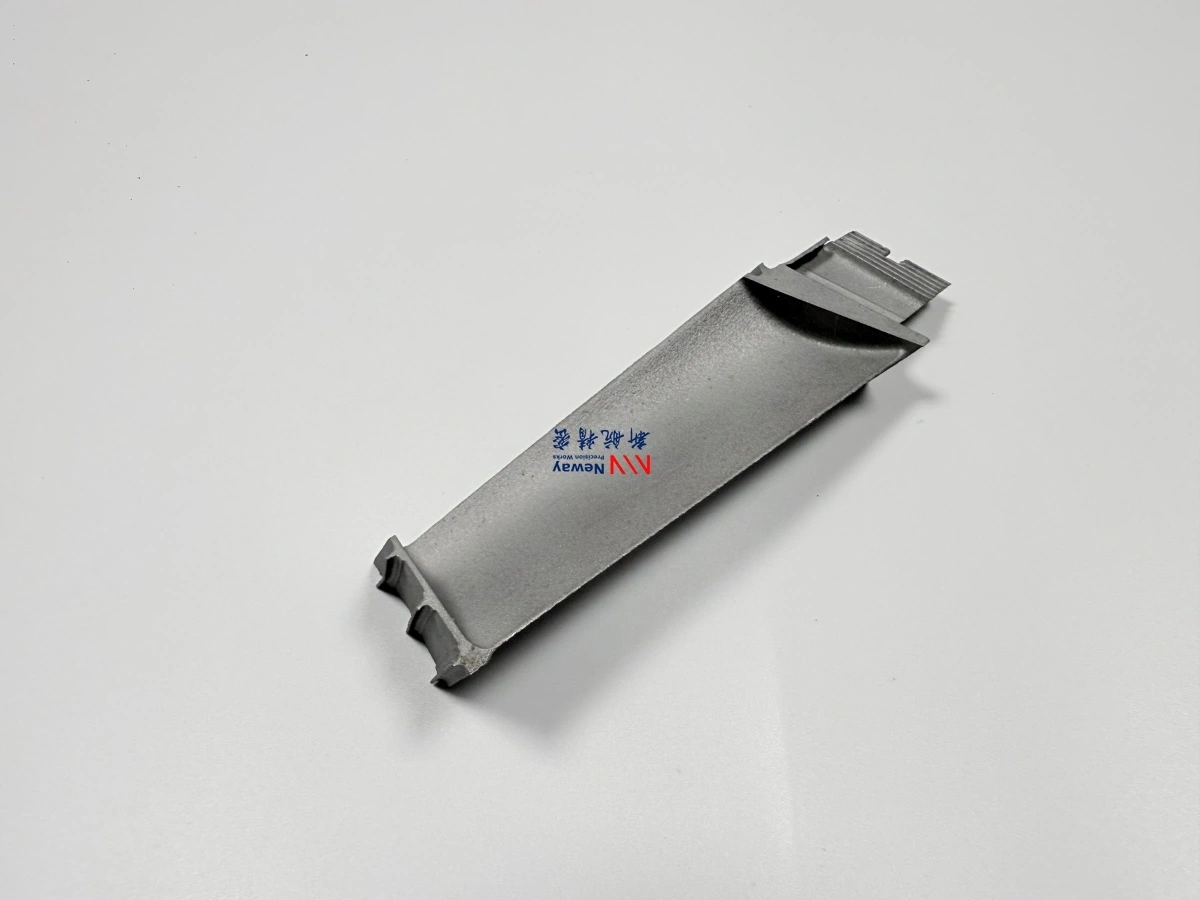
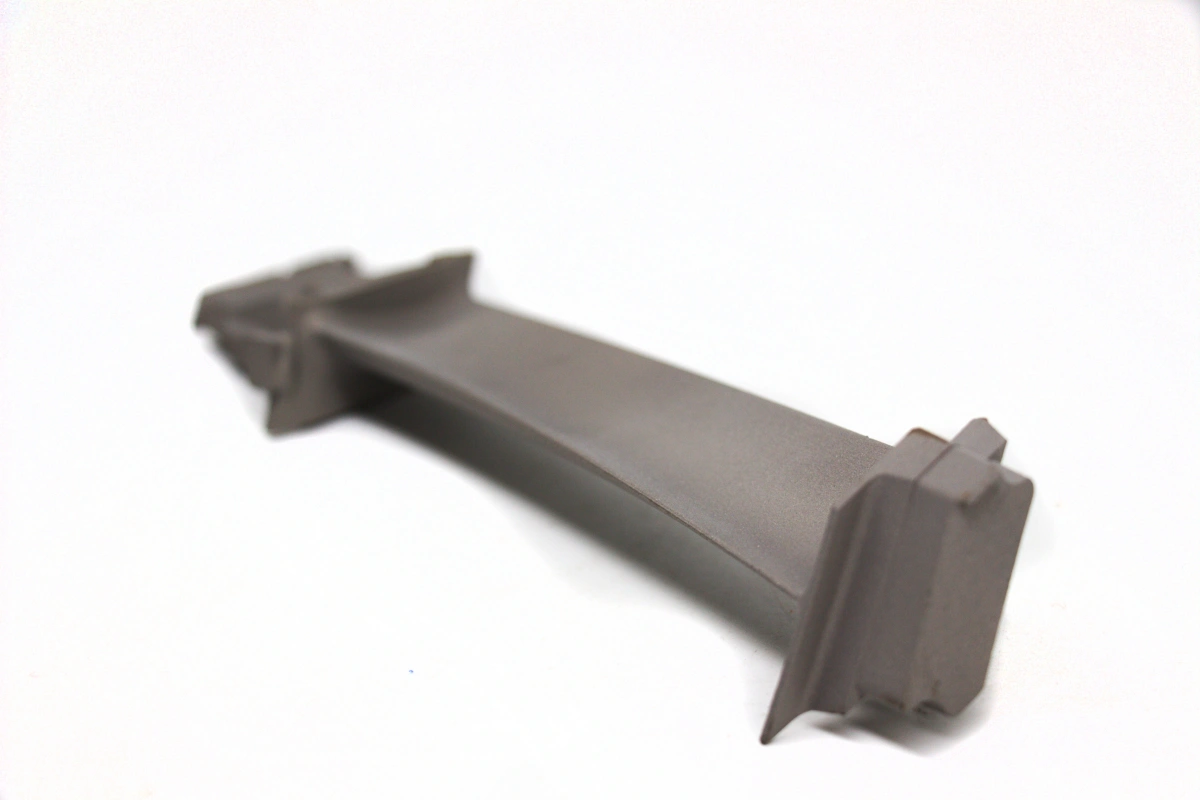
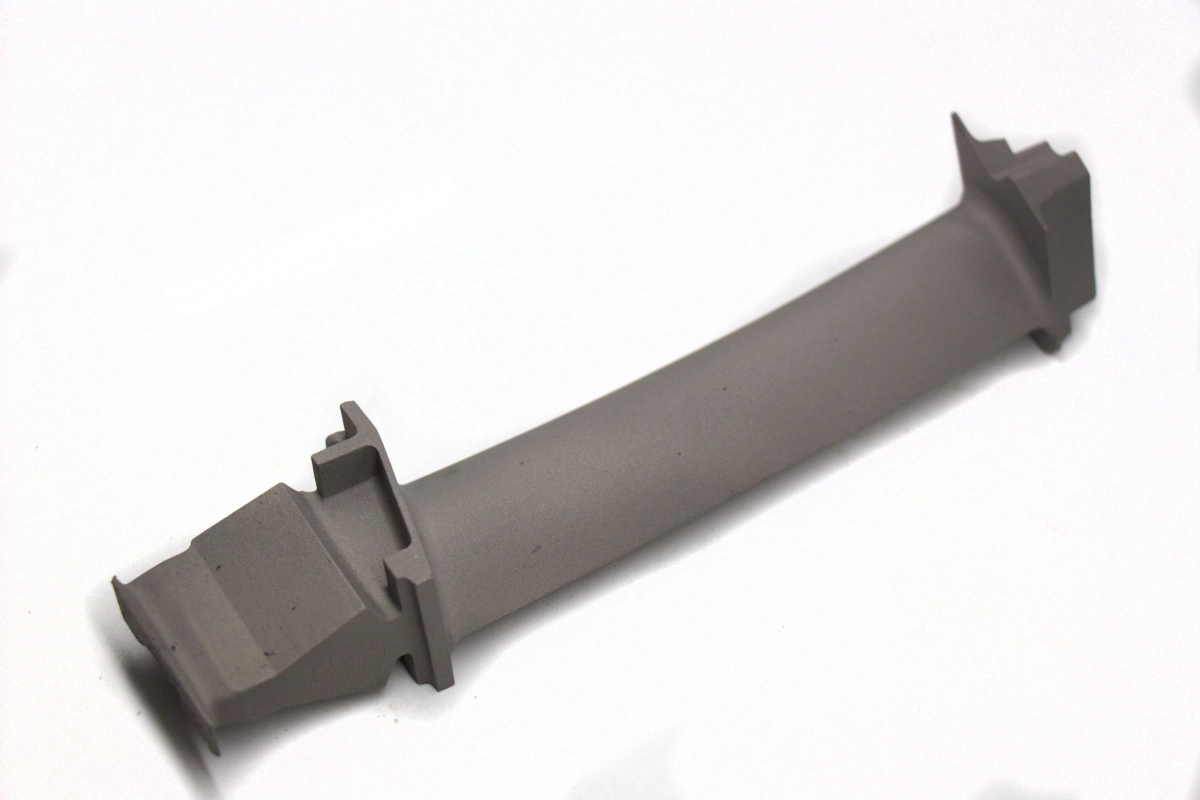
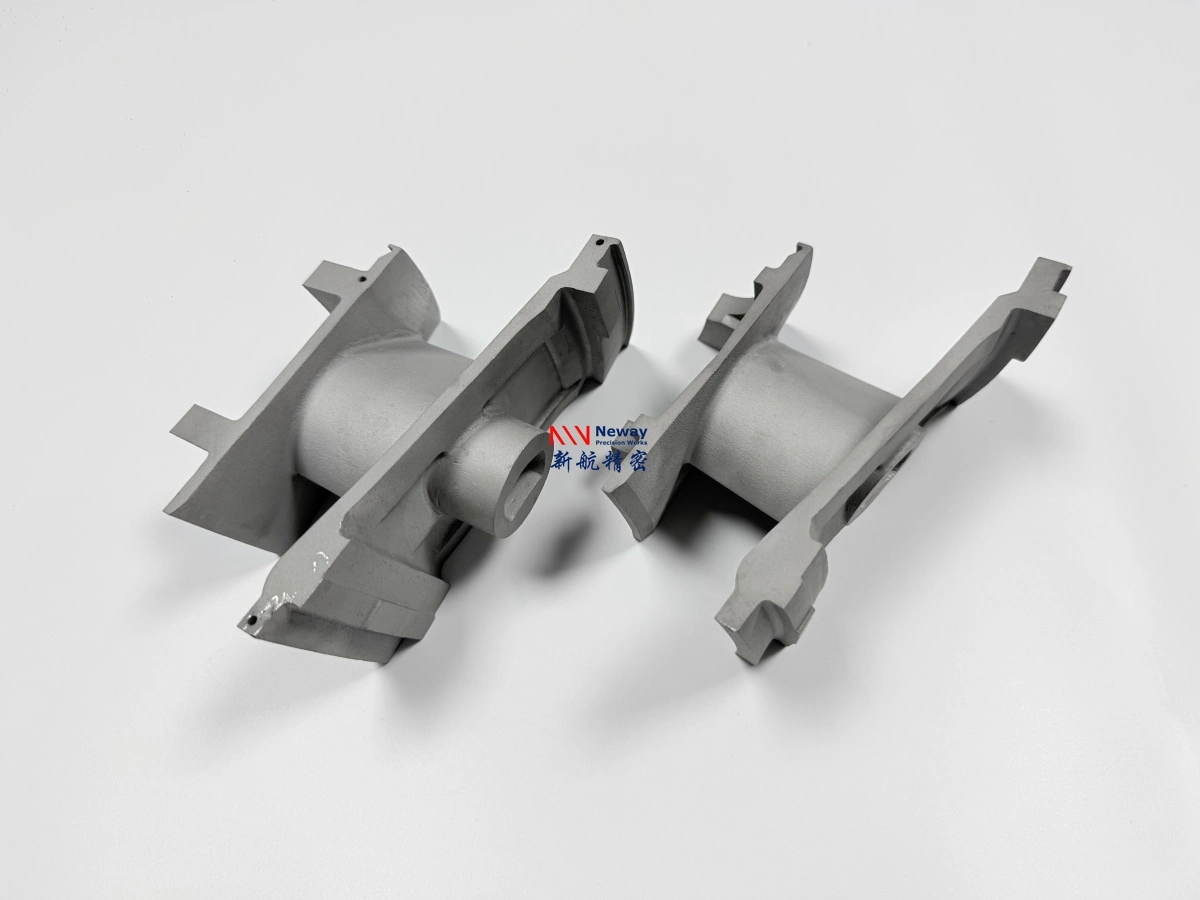
GE 9E / 9171E gas turbine hot section parts that can be custom manufactured from superalloys include 1st stage nozzles, 1st stage buckets, 2nd stage nozzles, 2nd stage buckets, 3rd stage nozzles, 3rd stage buckets, guide vanes, shroud segments, combustion liners, transition pieces, heat shields, sealing parts, and wear-resistant contact components.
For custom manufacturing, these parts are usually produced according to customer drawings, samples, turbine-frame requirements, material specifications, and inspection standards. Depending on the component type, NewayAeroTech can support Vacuum Investment Casting, Equiaxed Crystal Casting, Superalloy Directional Casting, Single Crystal Casting, CNC machining, EDM, HIP, heat treatment, coating, and final inspection.
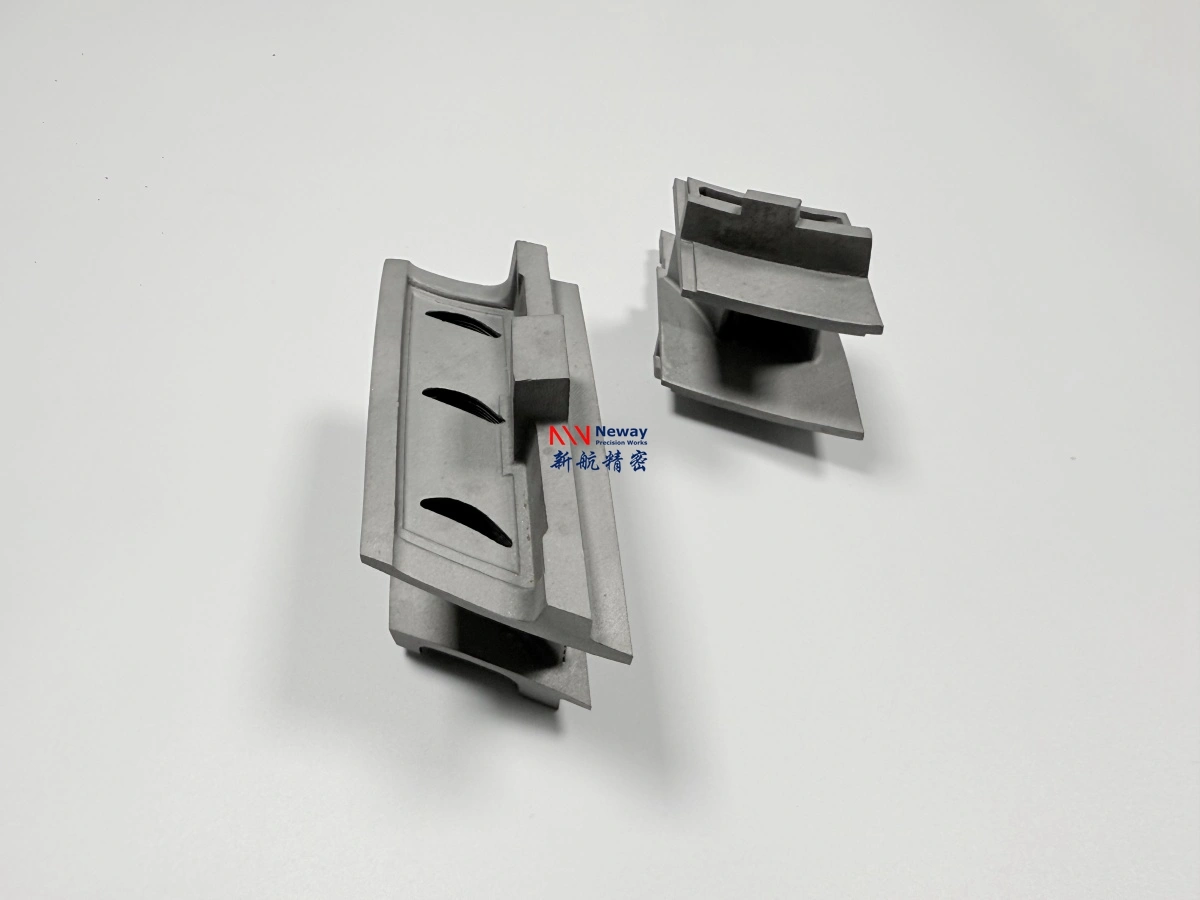
1. Typical GE 9E / 9171E Hot Section Parts for Custom Manufacturing
Part Type | Typical Manufacturing Route | Engineering Focus |
|---|---|---|
1st stage nozzle | Vacuum investment casting, heat treatment, coating, CNC finishing | Airfoil accuracy, oxidation resistance, gas path profile, coating quality |
1st stage bucket / blade | Directional casting or single crystal casting, HIP, heat treatment, EDM cooling holes, TBC | Creep resistance, root fit, cooling efficiency, fatigue performance, coating adhesion |
2nd stage nozzle | Equiaxed or directional casting, CNC machining, protective coating | Dimensional stability, surface protection, airfoil profile, assembly fit |
2nd stage bucket | Superalloy casting, heat treatment, shroud machining, hardface welding | Scalloped tip shroud, Z-notch wear area, root accuracy, contact surface durability |
3rd stage nozzle / bucket | Precision casting, CNC machining, optional coating, dimensional inspection | Aerodynamic surface, assembly interface, fatigue resistance, repeatable fit |
Guide vane | Investment casting, heat treatment, CNC finishing, coating if required | Vane profile, gas flow direction, mounting surface accuracy, internal defect control |
Shroud segment | Superalloy casting, CNC machining, wear-resistant surface treatment | Tip clearance, sealing surface, wear zone, thermal stability |
Combustion liner / transition piece | High-temperature alloy forming, welding, machining, heat treatment, coating | Thermal fatigue resistance, oxidation resistance, weld integrity, distortion control |
2. Why GE 9E Hot Section Parts Require Superalloys
GE 9E / 9171E hot section components work in high-temperature gas flow and must resist oxidation, creep, thermal fatigue, vibration, erosion, and repeated start-stop cycling. Ordinary stainless steels or low-alloy steels usually cannot provide the required long-term thermal strength and oxidation resistance for critical hot gas path components.
Nickel-based and cobalt-based superalloys are commonly selected because they maintain mechanical properties at elevated temperature. Depending on the part location, materials such as Inconel 713C, Inconel 738LC, CMSX-4, Rene N5, Nimonic 90, and Stellite 6B may be evaluated.
3. Which Parts Are Best Suited for Casting?
Most GE 9E-type nozzles, vanes, shrouds, buckets, and complex hot gas path parts are suitable for casting because they include curved airfoils, thin walls, platforms, shrouds, internal features, and difficult gas path geometry. Casting allows the part to be produced near net shape before CNC machining and coating.
For many static components, Equiaxed Crystal Casting can provide a practical manufacturing route. For parts with higher thermal and stress requirements, Superalloy Directional Casting or Single Crystal Casting may be required.
Part | Suitable Casting Route | Reason |
|---|---|---|
Nozzle guide vane | Vacuum investment casting, equiaxed casting, directional casting | Supports complex airfoil shape and gas path profile |
Turbine blade / bucket | Directional casting or single crystal casting when required | Improves creep resistance and high-temperature performance |
Shroud segment | Equiaxed casting or investment casting | Supports complex sealing geometry and wear areas |
Heat shield | Investment casting or fabricated high-temperature alloy route | Provides oxidation resistance and thermal protection |
Transition component | Fabrication, welding, casting, or hybrid route | Depends on wall thickness, geometry, alloy, and thermal fatigue requirement |
4. Which Parts Require CNC, EDM, or Deep Hole Drilling After Casting?
As-cast superalloy parts usually require post-machining before final use. For GE 9E / 9171E nozzles, buckets, and vanes, CNC machining is often required for root profiles, mounting faces, sealing surfaces, shroud contact areas, bolt holes, and datum surfaces.
Cooling holes, narrow slots, angled features, and small openings may require Electrical Discharge Machining (EDM) or Superalloy Deep Hole Drilling. These processes are especially important for nickel-based superalloys because conventional machining can be difficult when holes are small, deep, angled, or located on curved airfoil surfaces.
Feature | Recommended Process | Manufacturing Purpose |
|---|---|---|
Bucket root | Controls fit, contact surface, and assembly accuracy | |
Nozzle mounting face | CNC machining | Ensures stable installation and gas path alignment |
Cooling holes | EDM, deep hole drilling, or laser drilling depending on geometry | Creates controlled cooling paths for hot gas path reliability |
Shroud and Z-notch area | CNC machining, hardface welding, surface inspection | Controls wear resistance, shroud geometry, and contact behavior |
Sealing surface | CNC machining and surface finishing | Improves sealing performance and assembly repeatability |
5. What Post-Processing Is Used for GE 9E Hot Section Parts?
Post-processing is critical for custom GE 9E / 9171E hot section components. Casting or forming creates the basic shape, but final performance depends on internal density, microstructure, dimensional accuracy, coating quality, and surface integrity.
Common post-processing methods include Hot Isostatic Pressing (HIP), Heat Treatment, Thermal Barrier Coating (TBC), MCrAlY bond coat, Al-Si protective coating, oxidation-resistant coating, and wear-resistant hardface processing. For selected Z-notch, shroud, or sealing areas, Superalloy Welding may also be used.
6. What Inspection Is Needed for Custom GE 9E / 9171E Parts?
Inspection requirements depend on part function and customer specifications. For turbine nozzles, buckets, vanes, and shrouds, inspection should verify dimensions, material chemistry, internal defects, surface cracks, microstructure, coating quality, and final documentation.
NewayAeroTech provides Material Testing and Analysis for high-temperature alloy parts. Typical reports may include CMM inspection, 3D scanning, X-ray inspection, CT inspection, FPI, metallographic analysis, SEM/EDS, chemical composition analysis, tensile testing, coating thickness inspection, and final visual inspection.
Inspection Item | Typical Method | Purpose |
|---|---|---|
Dimensional accuracy | CMM inspection, 3D scanning | Checks root, airfoil, platform, mounting, and sealing features |
Internal casting defects | X-ray, CT, ultrasonic inspection | Detects porosity, shrinkage, cracks, and inclusions |
Surface cracks | FPI or dye penetrant inspection | Finds open defects after casting, welding, machining, or heat treatment |
Material verification | Spectrometer, GDMS, ICP-OES, carbon sulfur analysis | Confirms alloy grade and critical element control |
Coating quality | Coating thickness, adhesion review, surface inspection | Confirms TBC, bond coat, Al-Si, or hardface surface quality |
7. What Information Should Buyers Provide Before Quotation?
To quote GE 9E / 9171E gas turbine parts accurately, buyers should provide enough information for material selection, process planning, tooling evaluation, machining allowance, coating review, and inspection planning.
Required Information | Why It Matters |
|---|---|
Turbine model or application | Confirms whether the part is for GE 9E, 9171E, E-class gas turbine, or another platform |
Part name and stage | Clarifies whether the part is a 1st stage nozzle, bucket, vane, shroud, liner, or transition piece |
3D CAD file | Supports geometry review, tooling design, machining planning, and quotation |
2D drawing | Defines tolerances, datums, coating notes, inspection standards, and critical features |
Material grade | Determines casting route, heat treatment, machining difficulty, and coating compatibility |
Post-processing requirement | Confirms whether HIP, heat treatment, TBC, EDM, welding, or surface treatment is required |
Inspection requirement | Ensures required CMM, X-ray, CT, FPI, material, or coating reports are included |
Quantity and delivery target | Helps evaluate tooling cost, batch process, lead time, and production planning |
8. Practical Engineering Recommendation
For GE 9E / 9171E gas turbine hot section parts, buyers should not select a manufacturing route based only on the part name. A nozzle, bucket, vane, shroud, liner, or transition piece may require different materials, casting structures, machining methods, coating systems, and inspection plans depending on its stage and operating environment.
For faster technical evaluation, provide the turbine model, part name, 3D CAD file, 2D drawing, material grade, coating requirement, post-processing requirement, inspection standard, and quantity. NewayAeroTech can review the component and recommend a practical custom superalloy manufacturing route for GE 9E-type, 9171E-class, and other E-class gas turbine applications.
GE 9E and 9171E names are used only to describe turbine-frame application requirements. NewayAeroTech focuses on custom manufacturing of superalloy parts according to customer-provided drawings, samples, specifications, and project requirements.