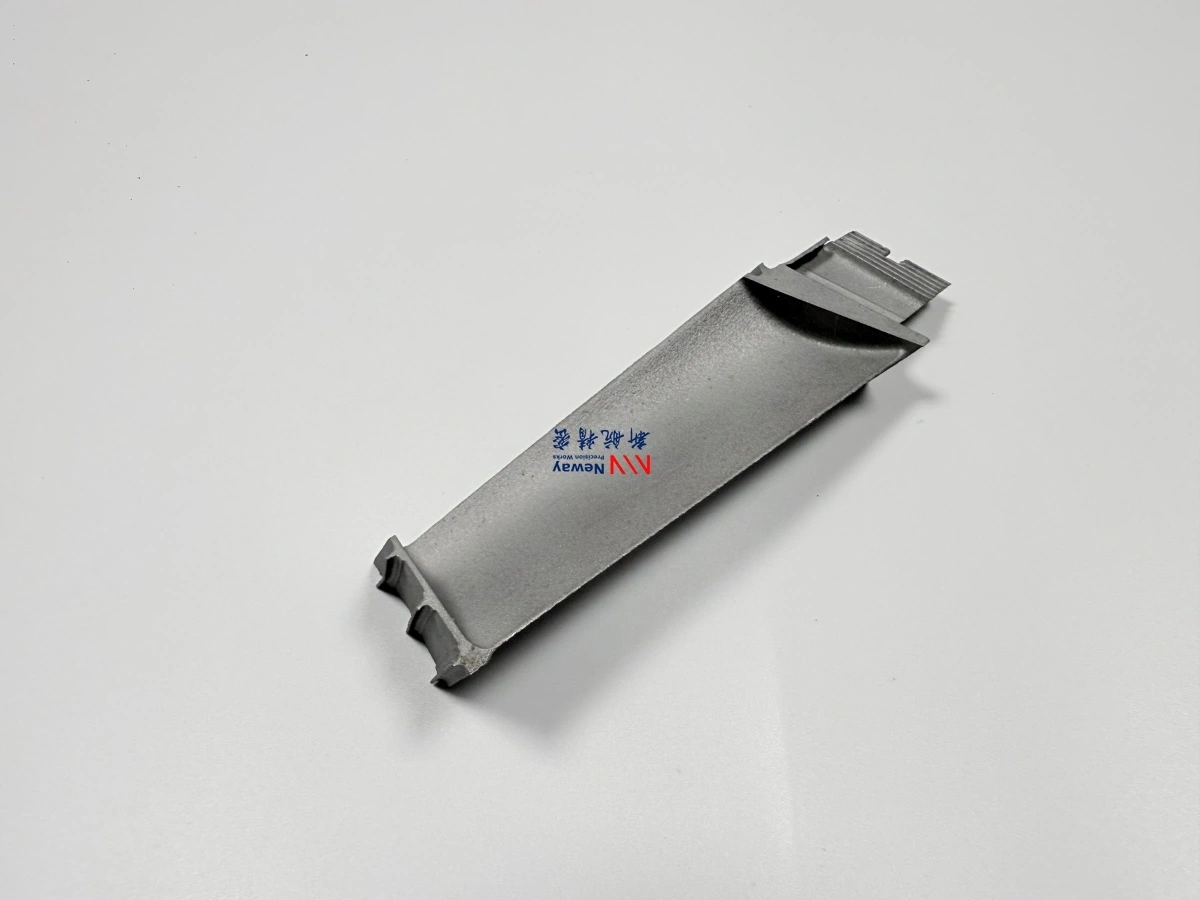
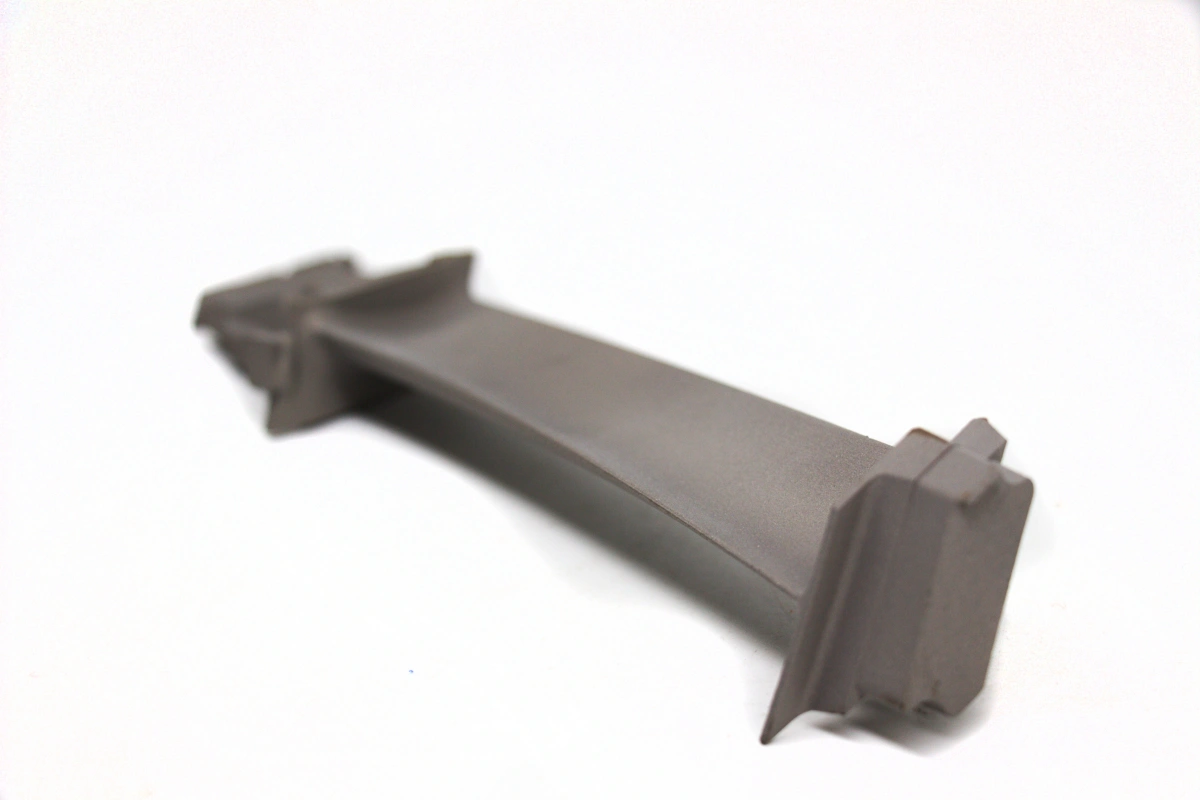
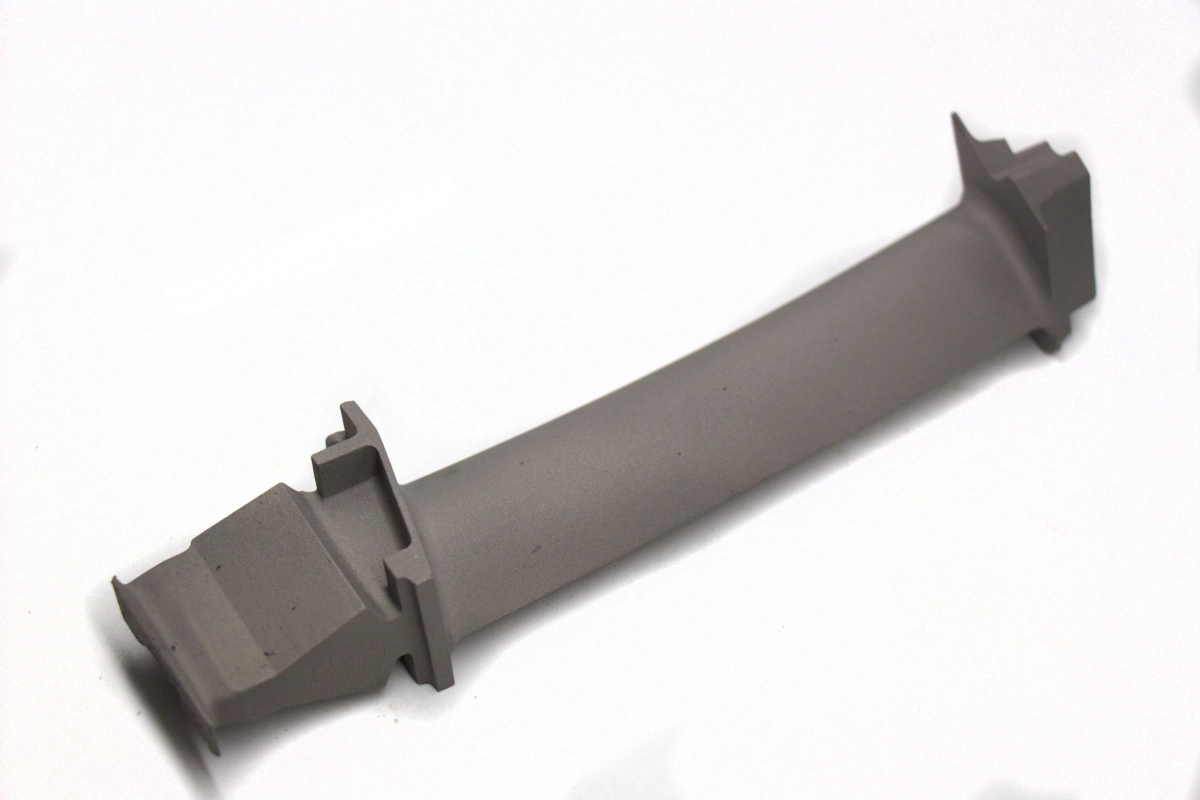
What materials are used for GE 9E hot gas path components?
What Materials Are Used for GE 9E Hot Gas Path Components?
GE 9E hot gas path components are usually manufactured from nickel-based superalloys, cobalt-based alloys, single crystal alloys, and other high-temperature materials. Common material families include Inconel, CMSX, Rene, Nimonic, Stellite, and Hastelloy alloys. The final material choice depends on the part type, stage location, operating temperature, stress level, oxidation risk, coating requirement, and inspection standard.
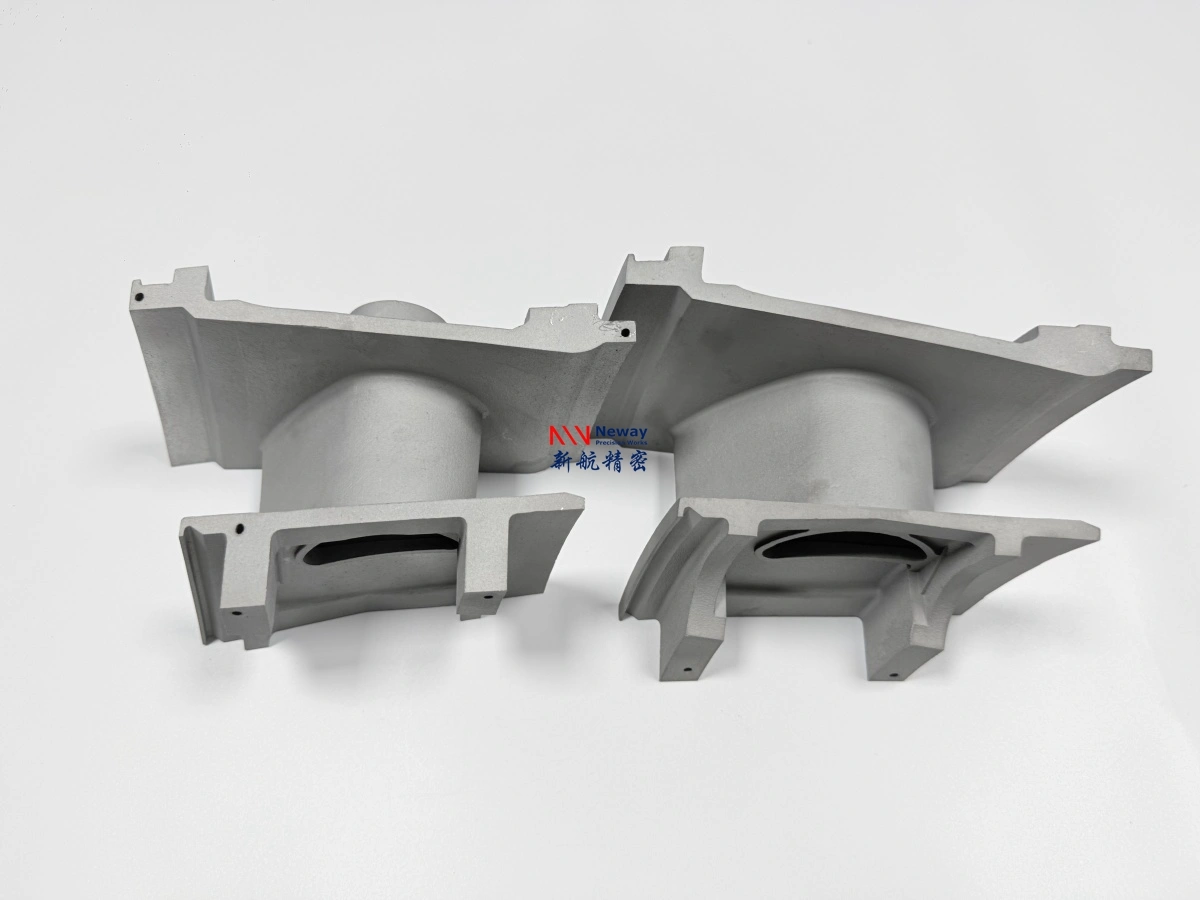
For GE 9E / 9171E hot section parts, nozzles, buckets, vanes, shrouds, combustion liners, transition pieces, and heat shields may require different alloy grades. NewayAeroTech can support custom superalloy component manufacturing through Vacuum Investment Casting, Equiaxed Crystal Casting, Superalloy Directional Casting, Single Crystal Casting, CNC machining, EDM, HIP, heat treatment, coating, and final inspection.
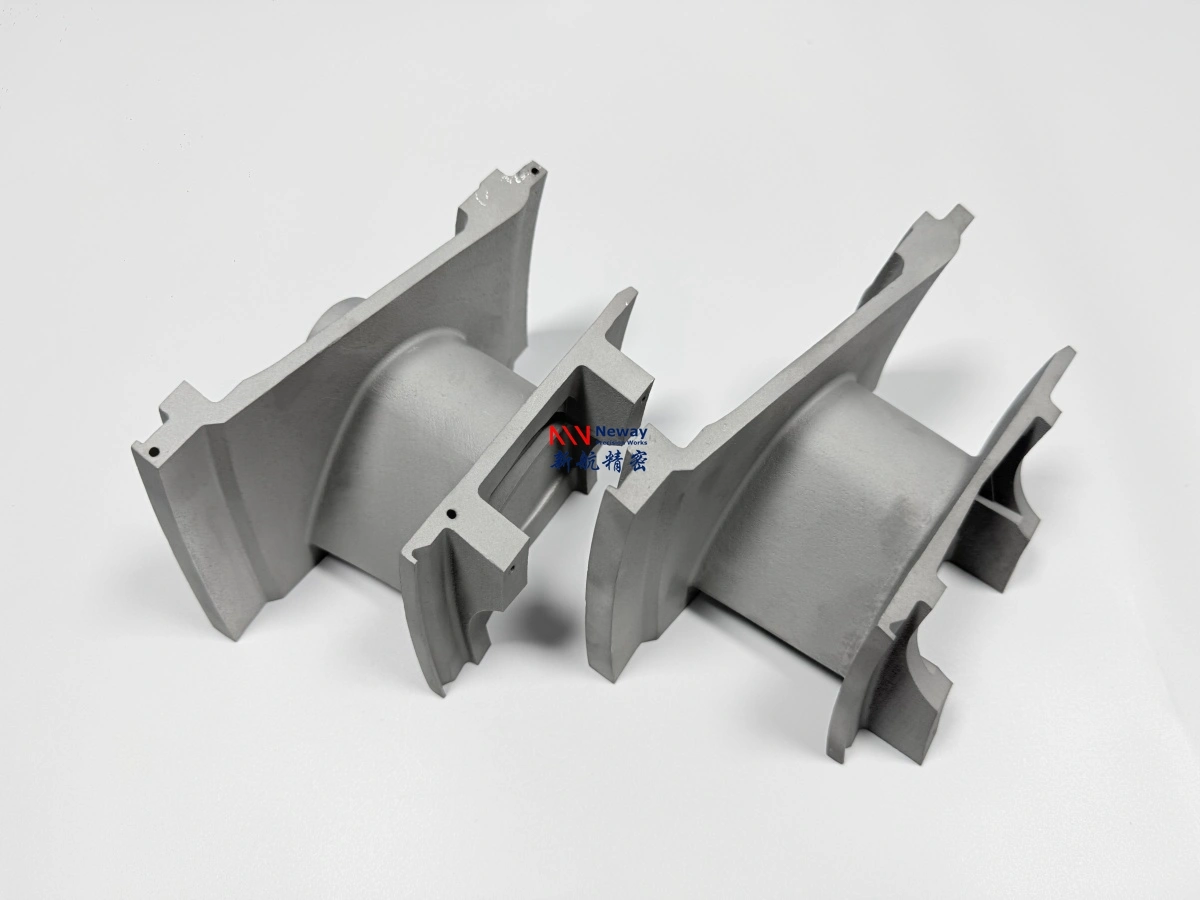
1. Common Materials for GE 9E Hot Gas Path Components
Material Family | Typical GE 9E-Type Components | Engineering Focus |
|---|---|---|
Inconel alloys | Nozzles, buckets, guide vanes, turbine wheels, shrouds, combustion-related parts | High-temperature strength, oxidation resistance, castability, heat treatment response |
CMSX alloys | Single crystal turbine blades, buckets, high-temperature airfoil components | Creep resistance, crystal orientation control, high-temperature durability |
Rene alloys | Turbine blades, nozzle rings, buckets, vanes, high-temperature rotating or static parts | Thermal strength, creep resistance, casting structure, coating compatibility |
Nimonic alloys | Guide vanes, rings, fasteners, high-temperature structural parts | Oxidation resistance, elevated-temperature strength, dimensional stability |
Stellite alloys | Wear areas, sealing surfaces, hardface zones, shroud contact features, Z-notch areas | Wear resistance, hot hardness, erosion resistance, contact durability |
Hastelloy alloys | Combustion liners, transition pieces, heat shields, exhaust-related hot-section parts | Oxidation resistance, thermal fatigue resistance, corrosion resistance, weldability |
2. Inconel Alloys for GE 9E Nozzles, Buckets, and Vanes
Inconel alloys are widely used in gas turbine hot section components because they retain strength and oxidation resistance at elevated temperatures. For GE 9E-type components, Inconel alloys can be used for cast nozzles, buckets, vanes, shrouds, turbine wheels, and some combustion-related components depending on the exact grade and service requirement.
Inconel 713C is suitable for turbine blades, nozzle guide vanes, turbine wheels, and hot-section castings requiring high-temperature strength and castability. Inconel 738 and Inconel 738LC are often evaluated for nozzles, buckets, vanes, and high-temperature gas path components requiring oxidation resistance and creep performance.
Inconel Grade | Typical Component | Why It Is Used |
|---|---|---|
Nozzle guide vanes, turbine blades, turbine wheels, hot-section castings | Good castability and high-temperature strength for complex turbine components | |
Gas turbine buckets, vanes, nozzles, shrouds, high-temperature cast parts | Suitable for hot gas path castings requiring oxidation resistance and creep strength | |
Turbine nozzles, guide vanes, blades, buckets, heat-resistant components | Useful for demanding hot-section castings where casting quality and thermal reliability matter | |
Structural turbine parts, rings, fasteners, combustion-related components | Strong all-around nickel alloy for high-strength and corrosion-resistant components | |
Combustion components, ducting, corrosion-resistant hot-section parts | Good corrosion resistance and oxidation resistance for severe environments |
3. CMSX and Rene Alloys for Single Crystal Turbine Blades
CMSX and Rene alloys are commonly used when turbine blades or buckets require higher creep resistance and controlled crystal orientation. In high-temperature gas turbine service, grain boundaries can become weak points under creep and thermal fatigue. Single crystal alloys help improve high-temperature performance by eliminating grain boundaries in the critical airfoil structure.
For GE 9E-type severe hot-section applications, CMSX-4, CMSX-10, Rene N5, and Rene N6 may be evaluated for turbine blades, buckets, and high-temperature airfoil components requiring creep strength, thermal fatigue resistance, and coating compatibility.
Single Crystal Alloy | Typical Component | Selection Reason |
|---|---|---|
Single crystal turbine blades, buckets, high-temperature airfoils | Used where creep resistance and crystal orientation control are critical | |
Advanced turbine blade and bucket applications | Suitable for high-temperature components requiring stronger thermal capability | |
Single crystal blades, buckets, vanes, nozzle-related components | Good option for demanding turbine components requiring stable high-temperature properties | |
High-performance turbine blades and hot-section airfoils | Selected when controlled microstructure and high creep resistance are required |
4. Nimonic Alloys for Vanes, Rings, and Hot-Section Structures
Nimonic alloys are nickel-based high-temperature alloys used for components that require elevated-temperature strength, oxidation resistance, and dimensional stability. For GE 9E-type hot gas path applications, Nimonic alloys may be suitable for guide vanes, rings, fasteners, hot-section supports, and structural components that do not necessarily require a single crystal structure.
Nimonic 80A and Nimonic 90 can be evaluated for guide vanes, rings, and high-temperature hardware. The final choice depends on strength requirements, temperature exposure, manufacturing route, heat treatment, and inspection needs.
Nimonic Grade | Typical Component | Engineering Purpose |
|---|---|---|
High-temperature rings, vanes, fasteners, structural hot-section parts | Provides elevated-temperature strength and oxidation resistance | |
Guide vanes, hot-section supports, high-temperature hardware | Suitable for oxidation resistance and strength at elevated temperature | |
Turbine vanes, hot gas path components, high-temperature hardware | Can be considered where stronger high-temperature capability is needed |
5. Stellite Alloys for Wear, Contact, and Hardface Areas
Stellite alloys are cobalt-based materials commonly used where wear resistance, hot hardness, erosion resistance, and contact durability are important. In GE 9E / 9171E hot section components, Stellite alloys may be used for shroud contact areas, sealing surfaces, hardface zones, Z-notch features, and other wear-prone interfaces.
Stellite 6 and Stellite 6B can be used when the component requires resistance to friction, erosion, and high-temperature wear. These areas may also require hardface welding, CNC finishing, and surface inspection after processing.
Stellite Grade | Typical GE 9E-Type Use | Why It Is Selected |
|---|---|---|
Wear surfaces, sealing areas, hardface zones, contact interfaces | Provides wear resistance and hot hardness in sliding or contact conditions | |
Z-notch areas, shroud contact features, high-wear turbine interfaces | Useful for wear-resistant components and hardface applications | |
High-temperature wear-resistant surfaces and structural wear parts | Can be evaluated where corrosion and wear resistance are both required |
6. Hastelloy Alloys for Combustion Liners, Transition Pieces, and Heat Shields
Hastelloy alloys are useful for components that must resist oxidation, thermal fatigue, and corrosion in high-temperature gas environments. For GE 9E-type applications, Hastelloy materials may be considered for combustion liners, transition pieces, heat shields, ducts, and exhaust-related components.
Hastelloy X is often evaluated for combustion-related hot-section environments because it provides oxidation resistance and thermal fatigue resistance. Depending on the environment, Hastelloy C-276 or other Hastelloy grades may also be selected for corrosion-resistant high-temperature components.
Hastelloy Grade | Typical Component | Engineering Purpose |
|---|---|---|
Combustion liners, transition ducts, heat shields, exhaust-related parts | Supports oxidation resistance and thermal fatigue resistance in hot gas environments | |
Corrosion-resistant hot-section components and severe-environment parts | Useful when corrosion resistance is a major requirement together with heat resistance |
7. How to Match Materials with Manufacturing Processes
Material selection should always be matched with the correct manufacturing process. A material that performs well in service may still create manufacturing risks if the casting route, heat treatment, machining allowance, coating system, or inspection plan is not suitable. For GE 9E / 9171E hot gas path parts, the process route should be selected together with the alloy grade.
For cast turbine components, the process may involve investment casting, equiaxed casting, directional casting, or single crystal casting. For high-stress rotating parts, forging or powder metallurgy may be more suitable. After blank manufacturing, post-processing such as Hot Isostatic Pressing (HIP), Heat Treatment, Superalloy CNC Machining, Electrical Discharge Machining (EDM), and Thermal Barrier Coating (TBC) may be required.
Part Requirement | Material Direction | Process Direction |
|---|---|---|
High-temperature turbine bucket | CMSX, Rene, Inconel 738LC | Directional or single crystal casting, HIP, heat treatment, EDM, TBC |
Nozzle guide vane | Inconel 713C, Inconel 738LC, Nimonic, Rene | Vacuum investment casting, equiaxed or directional casting, coating, CNC finishing |
Wear-resistant shroud area | Stellite 6, Stellite 6B, cobalt-based alloys | Casting, CNC machining, hardface welding, surface inspection |
Combustion liner or transition piece | Hastelloy X, Inconel 625, Inconel 617 | Forming, welding, heat treatment, coating, inspection |
Turbine disc or rotor-related part | Powder metallurgy or forged superalloy | Powder Metallurgy Turbine Disc or Superalloy Precision Forging |
8. Practical Engineering Recommendation
For GE 9E hot gas path components, buyers should select materials based on part function, stage location, operating temperature, stress level, oxidation risk, wear condition, cooling design, coating requirement, and inspection standard. Inconel alloys are commonly used for nozzles, buckets, vanes, and cast hot-section parts. CMSX and Rene alloys are suitable for demanding single crystal turbine blades and buckets. Nimonic alloys can support high-temperature vanes and structural hardware. Stellite alloys are useful for wear and hardface areas, while Hastelloy alloys are often considered for combustion liners, transition pieces, and heat shields.
For faster technical evaluation, provide the turbine model, part name and stage, 3D CAD file, 2D drawing, material requirement, operating environment, coating requirement, post-processing requirement, inspection standard, quantity, and delivery target. NewayAeroTech can review the component and recommend a practical superalloy material and manufacturing route for GE 9E-type, 9171E-class, and other E-class gas turbine applications.
GE 9E and 9171E names are used only to describe turbine-frame application requirements. NewayAeroTech focuses on custom manufacturing of superalloy parts according to customer-provided drawings, samples, specifications, and project requirements.