Which manufacturing process is suitable for GE 9E turbine nozzles, buckets, and vanes?
Which Manufacturing Process Is Suitable for GE 9E Turbine Nozzles, Buckets, and Vanes?
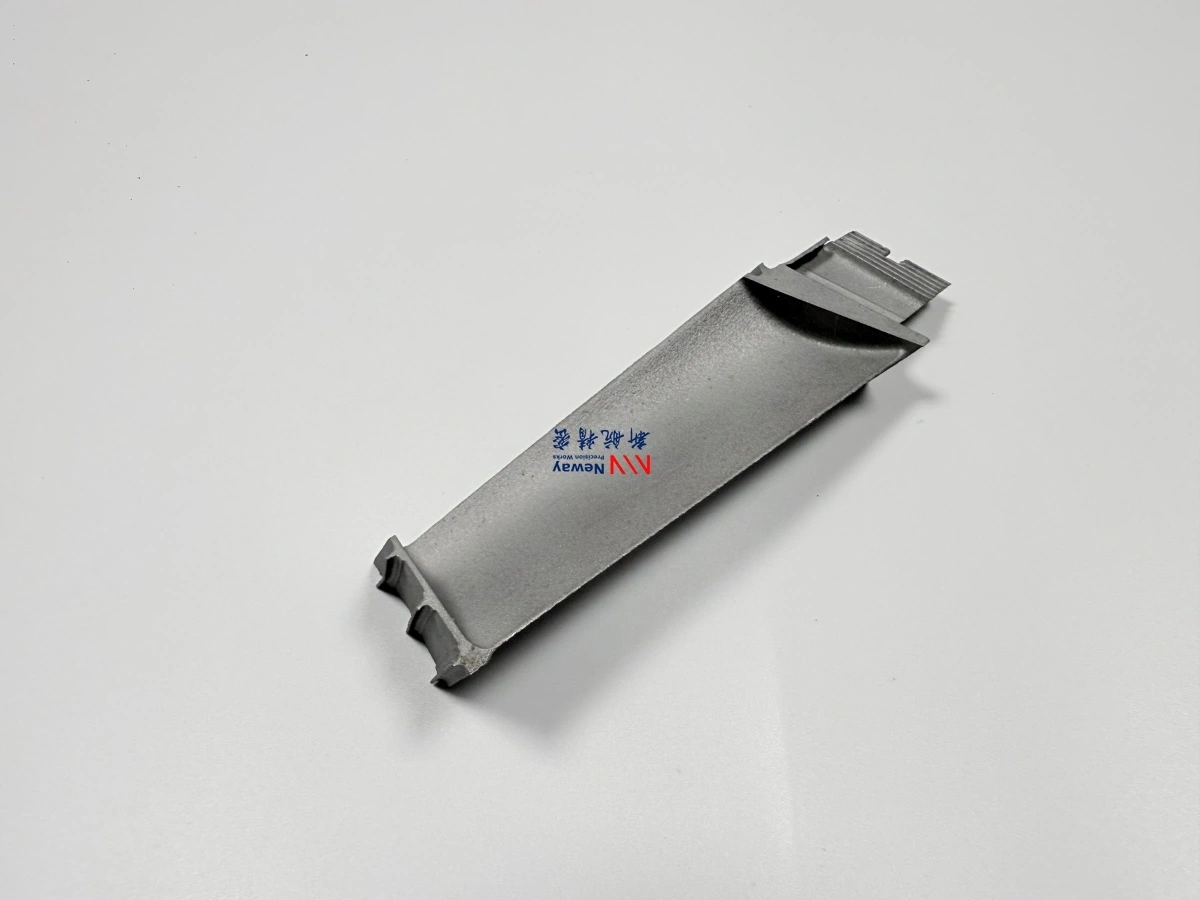
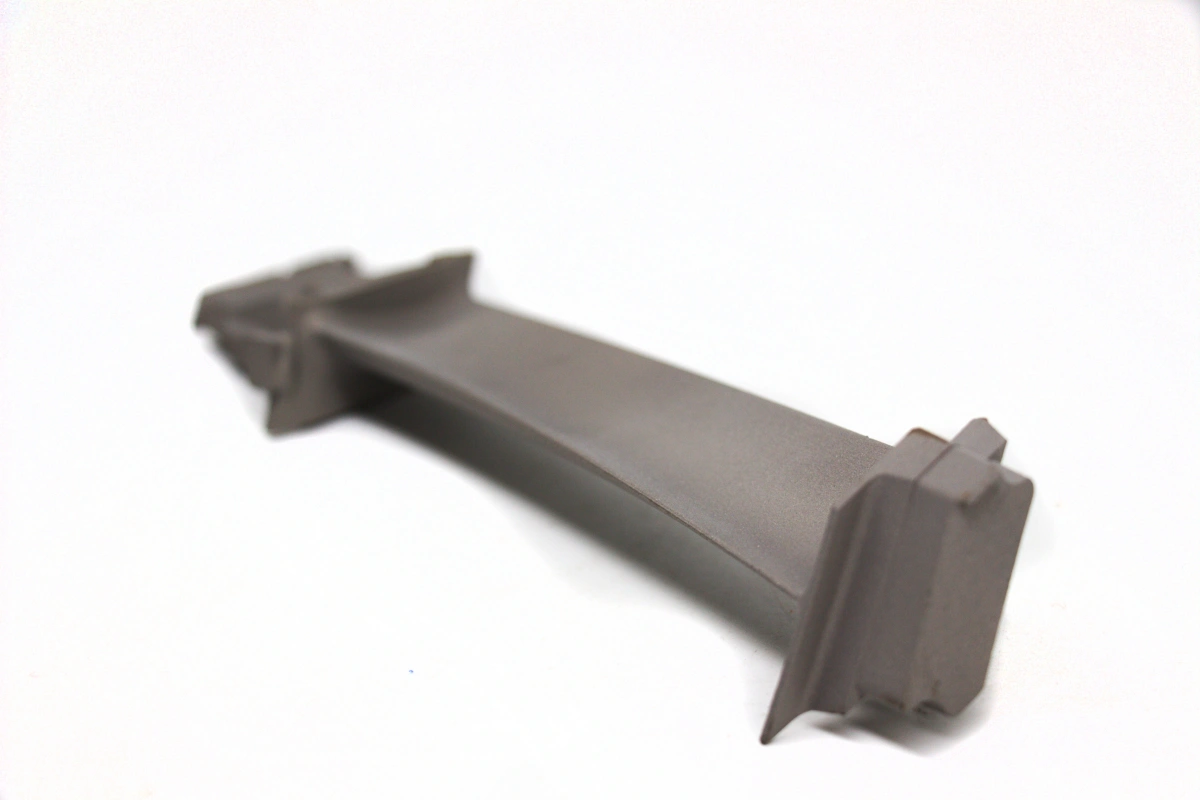
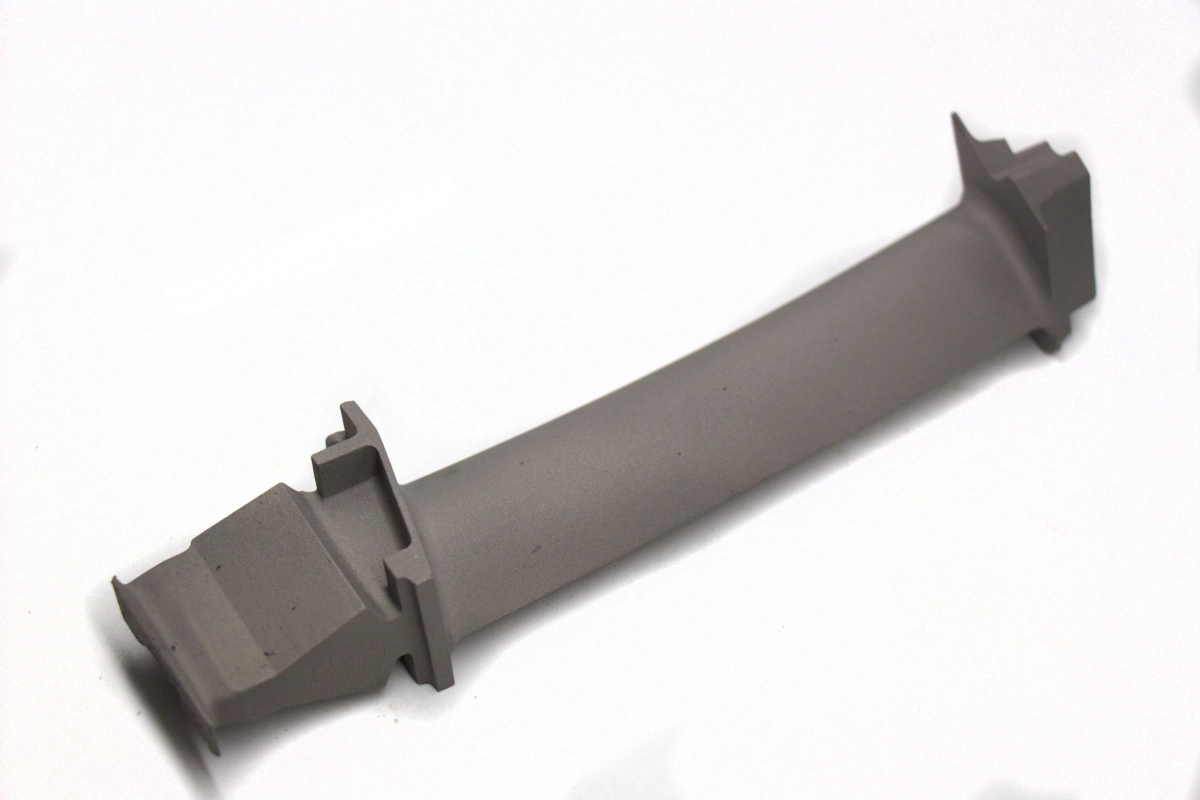
The suitable manufacturing process for GE 9E turbine nozzles, buckets, and vanes depends on the part stage, geometry, alloy grade, thermal load, stress direction, cooling features, coating requirements, and inspection standards. In general, nozzles and vanes are often produced by vacuum investment casting, equiaxed casting, or directional casting, while buckets and blades may require directional casting or single crystal casting when creep resistance is critical.
After casting, most GE 9E / 9171E hot section components still require CNC machining, EDM, deep hole drilling, HIP, heat treatment, coating, and quality inspection. NewayAeroTech supports process planning and custom manufacturing through Vacuum Investment Casting, Equiaxed Crystal Casting, Superalloy Directional Casting, Single Crystal Casting, forging, machining, EDM, coating, and inspection.
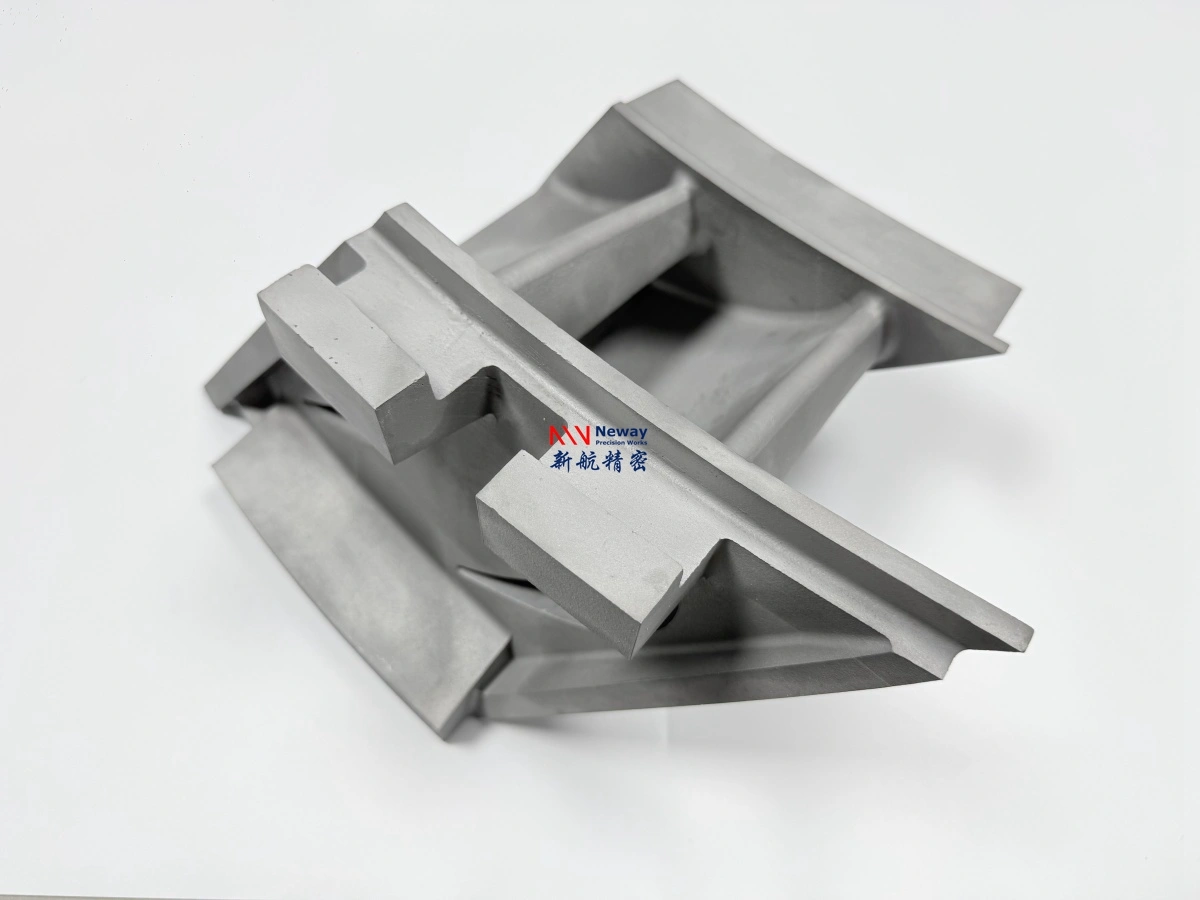
1. Process Selection for GE 9E Turbine Nozzles, Buckets, and Vanes
Component | Suitable Manufacturing Process | Why It Is Used |
|---|---|---|
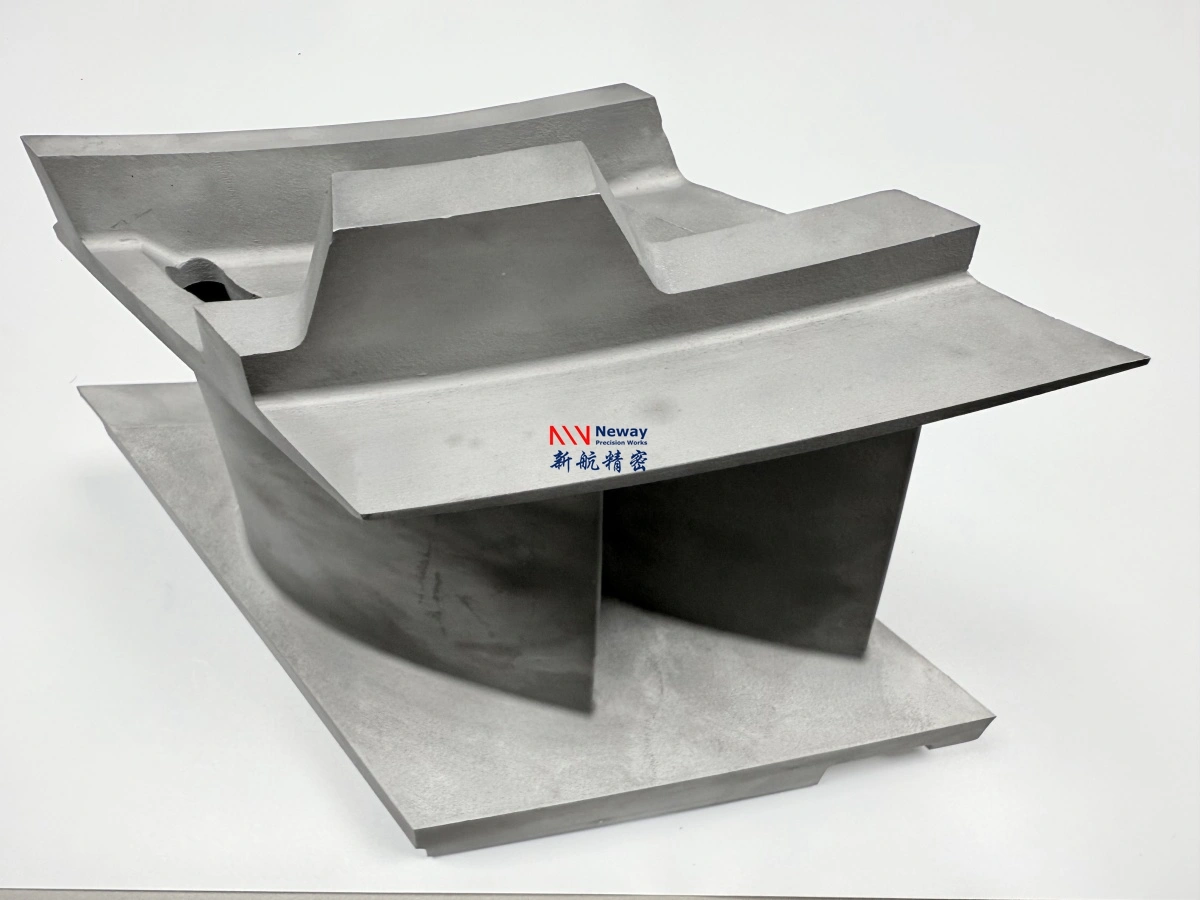
1st stage nozzle | Vacuum investment casting, directional casting, heat treatment, coating, CNC machining | Supports complex airfoil geometry, high-temperature resistance, coating preparation, and assembly accuracy |
1st stage bucket / blade | Directional casting or single crystal casting, HIP, heat treatment, root machining, EDM cooling holes, TBC | Improves creep resistance, fatigue performance, cooling efficiency, and hot gas path durability |
2nd stage nozzle | Equiaxed casting or directional casting, CNC machining, protective coating | Balances dimensional control, oxidation resistance, airfoil accuracy, and manufacturing cost |
2nd stage bucket | Superalloy casting, heat treatment, CNC machining, hardface welding, inspection | Controls root fit, shroud geometry, wear surfaces, and high-temperature strength |
3rd stage nozzle / vane | Precision investment casting, CNC finishing, optional coating, dimensional inspection | Provides gas path accuracy, assembly fit, and stable long-term operation |
Shroud segment | Equiaxed casting, CNC machining, wear-resistant surface treatment | Controls sealing surface, tip clearance, wear behavior, and thermal stability |
2. When Should Vacuum Investment Casting Be Used?
Vacuum investment casting is suitable for GE 9E turbine nozzles, vanes, buckets, shrouds, heat shields, and other complex hot gas path components that require near-net-shape superalloy geometry. This process is especially useful when the part includes curved airfoils, integrated platforms, thin walls, complex contours, and gas path surfaces that are difficult to machine from solid billet.
For nickel-based superalloys, vacuum casting helps reduce oxidation and contamination during melting and pouring. It is often combined with heat treatment, HIP, CNC machining, EDM, coating, and inspection to produce finished turbine components. For complex high-temperature alloy parts, Casting Superalloys provides a practical route for reducing machining waste while maintaining material performance.
Best Fit for Vacuum Investment Casting | Manufacturing Benefit |
|---|---|
Complex airfoil geometry | Produces near-net-shape nozzles, vanes, and blades with reduced machining volume |
Thin-wall hot section parts | Supports complex wall structures that are difficult to machine from billet |
Integrated platform or shroud features | Allows complex turbine geometry to be cast as one near-net component |
Nickel-based superalloys | Vacuum melting and pouring help reduce oxidation and contamination risk |
Prototype or replacement manufacturing | Supports custom tooling and small-to-medium batch production for hot section components |
3. When Are Equiaxed, Directional, and Single Crystal Casting Used?
Equiaxed, directional, and single crystal casting are selected according to thermal load, stress direction, creep requirement, and component function. Equiaxed casting is suitable for many static hot section components where balanced properties and cost efficiency are important. Directional casting is used when the part benefits from grain alignment along the main stress direction. Single crystal casting is used for critical turbine blades and buckets where removing grain boundaries improves creep resistance.
For GE 9E / 9171E hot section projects, the casting structure should not be chosen only by part name. A lower-temperature vane may not require the same process as a high-temperature bucket. A first-stage bucket may justify directional or single crystal casting, while a static shroud or nozzle may be suitable for equiaxed casting depending on the alloy and specification.
Casting Structure | Typical GE 9E-Type Components | Selection Logic |
|---|---|---|
Equiaxed Crystal Casting | Nozzles, guide vanes, shrouds, heat shields, structural hot-section parts | Suitable when balanced properties, complex shape, and practical cost control are required |
Directional Casting | Turbine blades, buckets, vanes, high-stress airfoil parts | Improves performance along the main stress direction and supports higher thermal loading |
Single Crystal Casting | Critical turbine blades and buckets in severe hot-section conditions | Removes grain boundaries and improves creep resistance for demanding turbine applications |
4. When Should Forging or Powder Metallurgy Be Considered?
Not every GE 9E-related turbine component should be cast. Rotor-related components, turbine discs, high-stress rings, shafts, and some load-bearing structural parts may require forging or powder metallurgy because they need high strength, dense microstructure, and reliable mechanical performance under rotating or cyclic load conditions.
For these components, Superalloy Precision Forging or Powder Metallurgy Turbine Disc manufacturing may be more appropriate than investment casting. The correct process depends on the part geometry, alloy grade, mechanical requirements, and inspection standard.
Part Type | Possible Route | Reason |
|---|---|---|
Turbine disc | Powder metallurgy or precision forging | Requires high strength, dense structure, fatigue resistance, and stable rotating performance |
Rotor-related component | Forging, heat treatment, CNC machining | Supports high mechanical load and dimensional reliability |
High-stress ring | Forging or powder metallurgy route | Improves structural integrity compared with general casting |
Simple block or mounting component | Forging or billet machining | May be more economical and accurate than casting for simple geometry |
5. Why Is CNC Machining Required After Casting?
Casting creates the near-net shape, but most GE 9E turbine nozzles, buckets, and vanes still require final CNC machining. Critical assembly features such as bucket roots, platform surfaces, nozzle mounting faces, bolt holes, sealing faces, and shroud contact surfaces usually cannot rely on as-cast accuracy alone.
Superalloy CNC Machining is used to achieve the final dimensions, datums, fits, and surface finishes required by the drawing. For hot gas path parts, machining strategy must be planned together with the casting datum and inspection method to avoid mismatch between the cast airfoil, machined root, and final assembly surfaces.
Machined Area | Why It Requires CNC Machining |
|---|---|
Bucket root | Controls rotor-slot fit, load transfer, and contact accuracy |
Nozzle mounting face | Ensures stable installation, gas path alignment, and sealing performance |
Platform surface | Controls gas path boundary, mating surface, and assembly relationship |
Shroud feature | Controls tip clearance, contact surface, and wear area geometry |
Bolt holes and locating features | Ensures repeatable assembly and dimensional consistency |
6. When Are EDM and Deep Hole Drilling Needed?
EDM and deep hole drilling are needed when GE 9E turbine components include cooling holes, narrow slots, internal channels, angled holes, small openings, or difficult features in hard nickel-based superalloys. Conventional cutting may be inefficient or unstable for these features, especially when the part has curved airfoil surfaces or thin-wall geometry.
Electrical Discharge Machining (EDM) is suitable for cooling holes, seal slots, small cavities, and difficult profiles. Superalloy Deep Hole Drilling is useful for long internal passages and bore features when the geometry allows. These processes may require additional inspection to verify hole size, angle, cleanliness, and flow path consistency.
7. What Post-Processing Is Needed After Manufacturing?
Post-processing improves material integrity, dimensional stability, surface protection, and service performance. For GE 9E turbine nozzles, buckets, and vanes, post-processing may include HIP, heat treatment, thermal barrier coating, MCrAlY bond coat, Al-Si coating, oxidation-resistant coating, hardface welding, and final inspection.
Hot Isostatic Pressing (HIP) helps reduce internal porosity in critical superalloy castings. Heat Treatment improves microstructure and mechanical properties. Thermal Barrier Coating (TBC) protects high-temperature gas path surfaces. Superalloy Welding may be used for hardface areas, Z-notch features, or repair-oriented manufacturing.
Post Process | Typical Use | Engineering Purpose |
|---|---|---|
HIP | Critical cast buckets, blades, nozzles, and vanes | Reduces internal porosity and improves casting integrity |
Heat treatment | Inconel, Rene, CMSX, Nimonic, and other superalloy parts | Optimizes microstructure, strength, creep resistance, and dimensional stability |
TBC | Hot gas path airfoil surfaces, nozzles, buckets, and heat shields | Reduces thermal exposure and improves hot-section durability |
MCrAlY bond coat | Coated turbine blades, buckets, and nozzles | Improves oxidation resistance and supports TBC adhesion |
Hardface welding | Z-notch, shroud, sealing, and wear-contact areas | Improves wear resistance and contact durability |
8. Practical Engineering Recommendation
For GE 9E turbine nozzles, buckets, and vanes, buyers should choose the manufacturing process based on component function, stage location, alloy grade, geometry, cooling design, coating requirement, and inspection standard. Nozzles and vanes are often suitable for investment casting, equiaxed casting, or directional casting. Critical buckets and blades may require directional or single crystal casting. Rotor-related parts may require forging or powder metallurgy instead of casting.
For faster technical evaluation, provide the turbine model, part name and stage, 3D CAD file, 2D drawing, material grade, coating requirement, cooling hole notes, post-processing requirement, inspection standard, quantity, and target delivery schedule. NewayAeroTech can review the part and recommend a practical manufacturing route for GE 9E-type, 9171E-class, and other E-class gas turbine applications.
GE 9E and 9171E names are used only to describe turbine-frame application requirements. NewayAeroTech focuses on custom manufacturing of superalloy parts according to customer-provided drawings, samples, specifications, and project requirements.