How does directional solidification improve single crystal guide vane performance?
Controlled Crystal Orientation
Directional solidification establishes a strong axial thermal gradient that guides dendrite growth along a preferred crystallographic direction—typically the <001> orientation. This method ensures that single crystal guide vanes form without transverse grain boundaries, significantly enhancing creep resistance. By aligning the crystal lattice with the primary stress direction, the vane achieves superior high-temperature stability under centrifugal and gas-path loading.
Elimination of Grain Boundary Weaknesses
Traditional equiaxed or polycrystalline vanes contain grain boundaries that accelerate oxidation, hot corrosion, and creep deformation—major failure modes in turbine hot sections. Directional solidification suppresses unwanted nucleation, eliminating grain boundary sliding and preventing boundary oxidation. This allows the guide vane to operate reliably at temperatures far exceeding those tolerated by conventional casting methods, especially in power generation turbines where long continuous duty cycles demand exceptional material durability.
Enhanced Creep, Fatigue, and Thermal Cycling Performance
Guide vanes face severe thermal gradients and cyclic loading from rapid engine start–stop sequences. Directional solidification produces uniform, aligned dendrites that reduce microsegregation and stress concentration zones. This microstructural consistency increases resistance to creep elongation, low-cycle fatigue (LCF), and thermal fatigue cracking. As a result, the vane maintains its aerodynamic contour and dimensional accuracy over thousands of operating hours.
Improved Cooling Channel Integrity
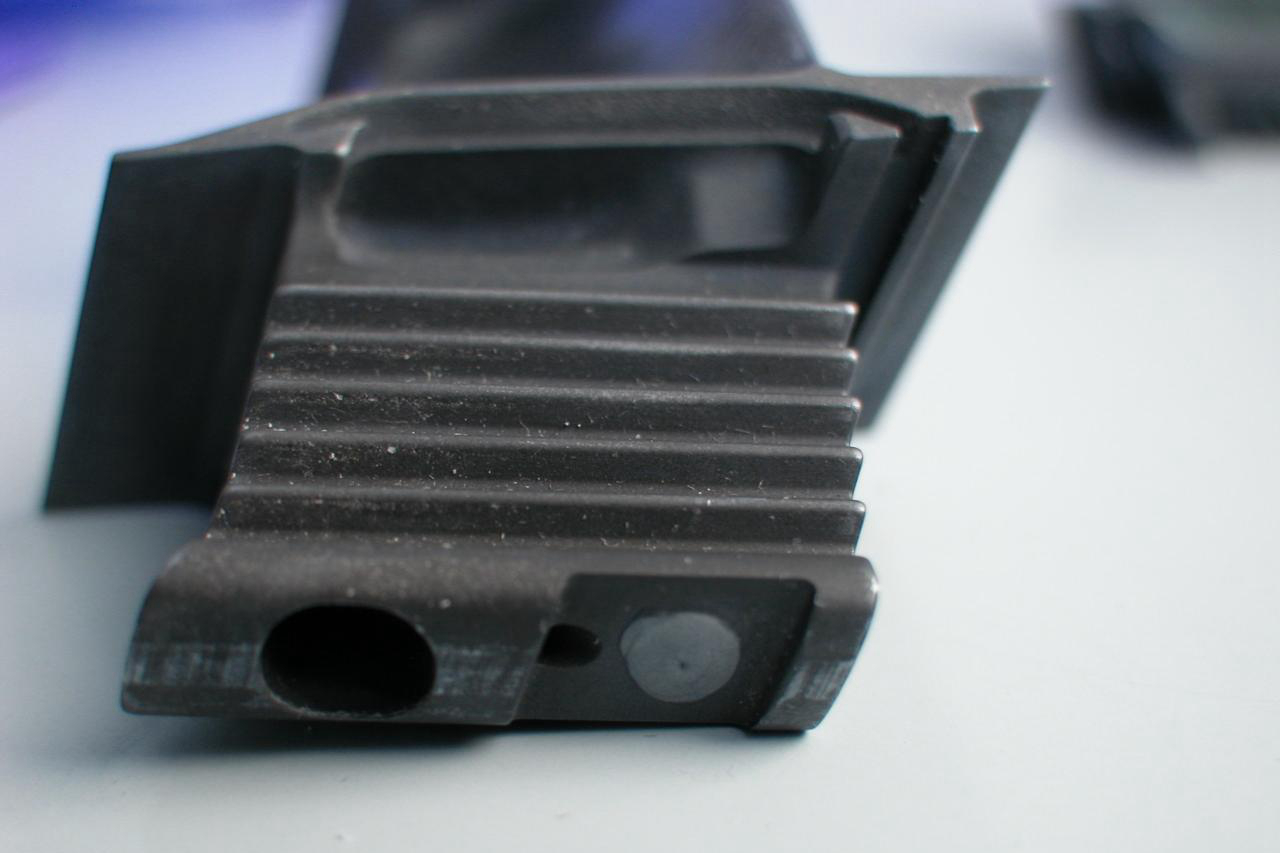
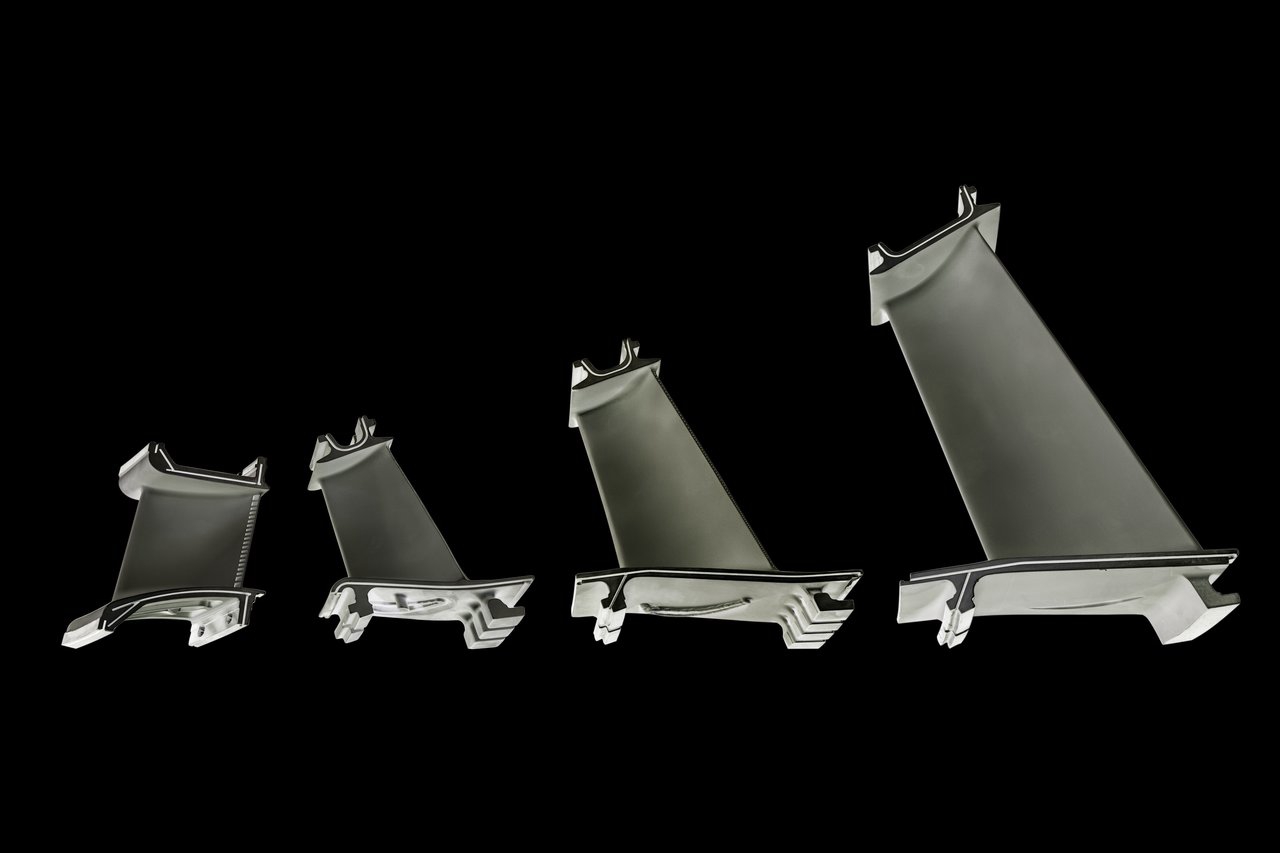
The quality of internal cooling channels directly affects guide vane performance. Directional solidification promotes uniform structure around thin-walled cooling passages, reducing the risk of stray grain formation or recrystallization near ceramic core interfaces. This stability ensures more efficient heat extraction, lower metal temperatures, and longer life when paired with coatings such as thermal barrier coatings (TBC).
Long-Term High-Temperature Reliability
By producing defect-free single crystal structures, directional solidification significantly improves resistance to oxidation, hot corrosion, and microstructural instability. This high-temperature reliability is essential for guide vanes in aerospace and industrial turbines, where maintaining engine efficiency depends on consistent gas-path geometry and minimal performance degradation over time.