What are the benefits of integrated casting services for single crystal guide blades?
End-to-End Process Control
Integrated casting services provide full control over each stage of single crystal casting, from alloy melting and mold design to directional solidification and post-processing. This unified workflow minimizes variability in thermal gradients, withdrawal rates, and furnace stability—three critical factors for preventing stray grains and freckles in guide blade airfoils and platforms.
Enhanced Microstructure and Quality Consistency
By combining casting, heat treatment, and microstructure refinement within one facility, integrated services ensure complete alignment of dendrite orientation, controlled microsegregation, and optimal γ/γ′ phase stability. This produces guide blades with consistent creep resistance and high-temperature strength throughout the entire batch—essential for uniform performance in gas turbines.
Optimized Cooling Channel Precision
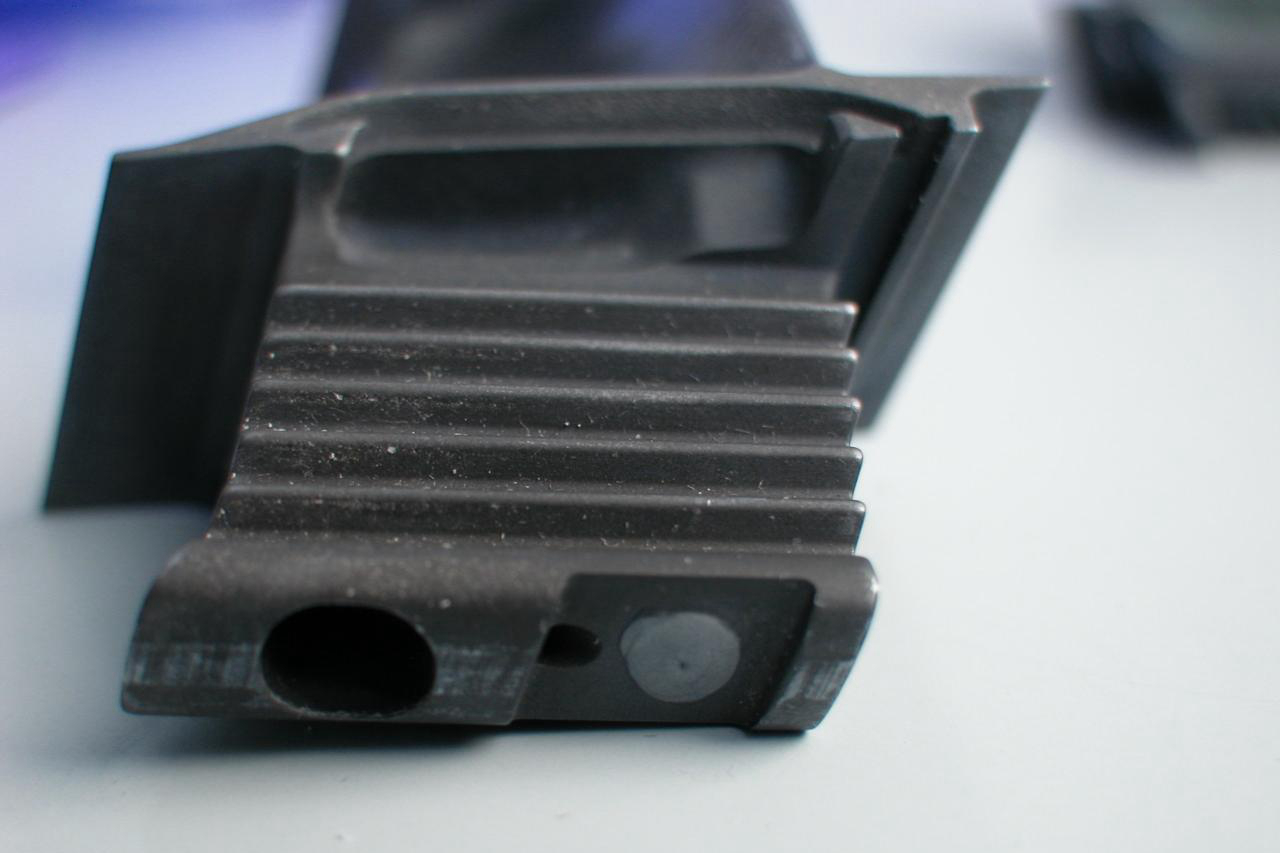
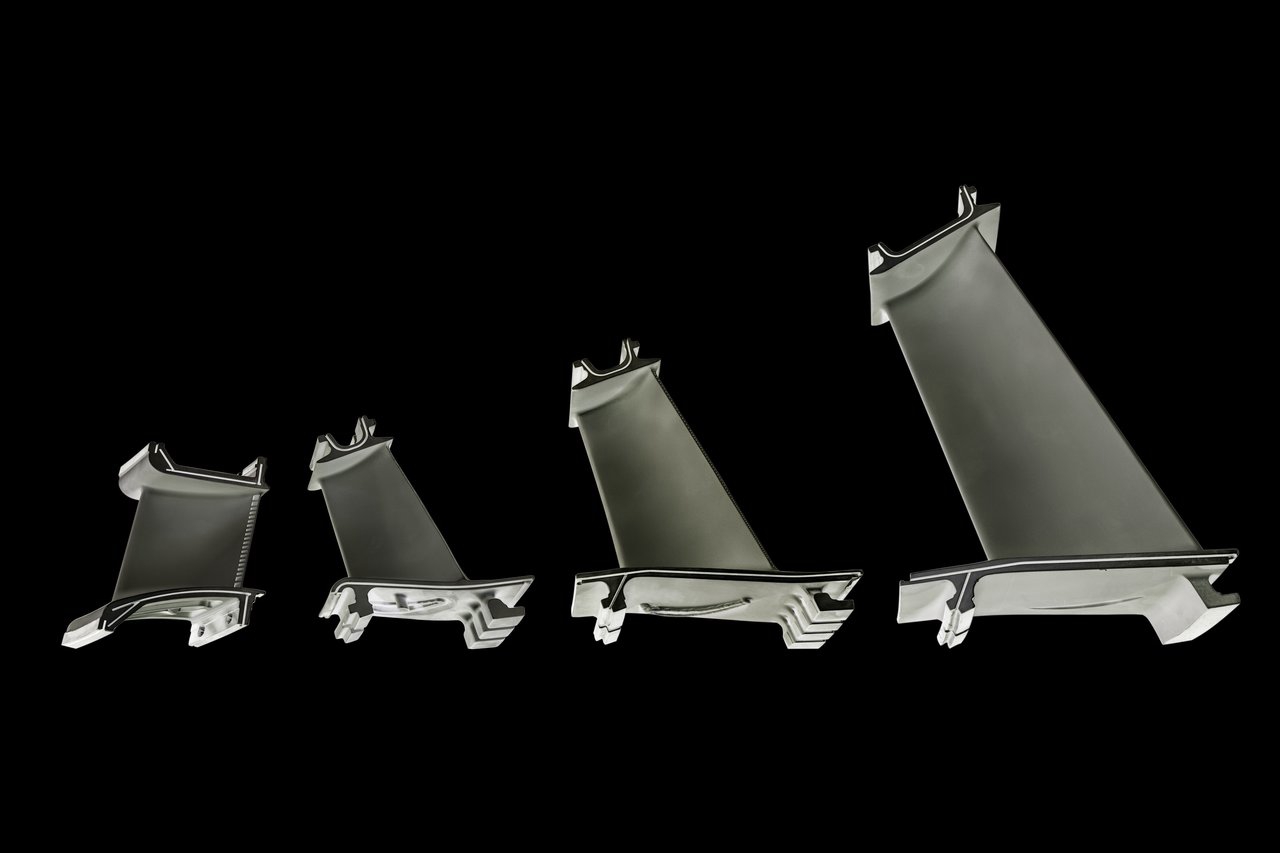
Single crystal guide blades require complex internal cooling passages that must remain distortion-free during casting. Integrated workflows, including mold design, ceramic core production, and CT verification, allow tight control over internal architecture. This reduces core shift, blockage risk, and thickness deviations, ensuring maximum cooling efficiency during turbine operation.
Streamlined Post-Processing and Coating Compatibility
Integrated services include downstream steps such as HIP, machining, and the application of protective systems like thermal barrier coatings (TBC). Coordinating these processes in a unified environment ensures dimensional accuracy, surface integrity, and ideal coating adhesion—crucial for long-term oxidation and thermal fatigue resistance in hot-section guide blades.
Higher Reliability and Lower Operational Costs
Integrated casting significantly reduces defect rates, manufacturing delays, and rework costs. With aligned quality standards and centralized testing—such as X-ray, CT, and full material analysis—OEMs receive blades with superior structural integrity and predictable performance. This reliability translates directly into longer service intervals and reduced maintenance costs for power generation and aerospace turbine operators.