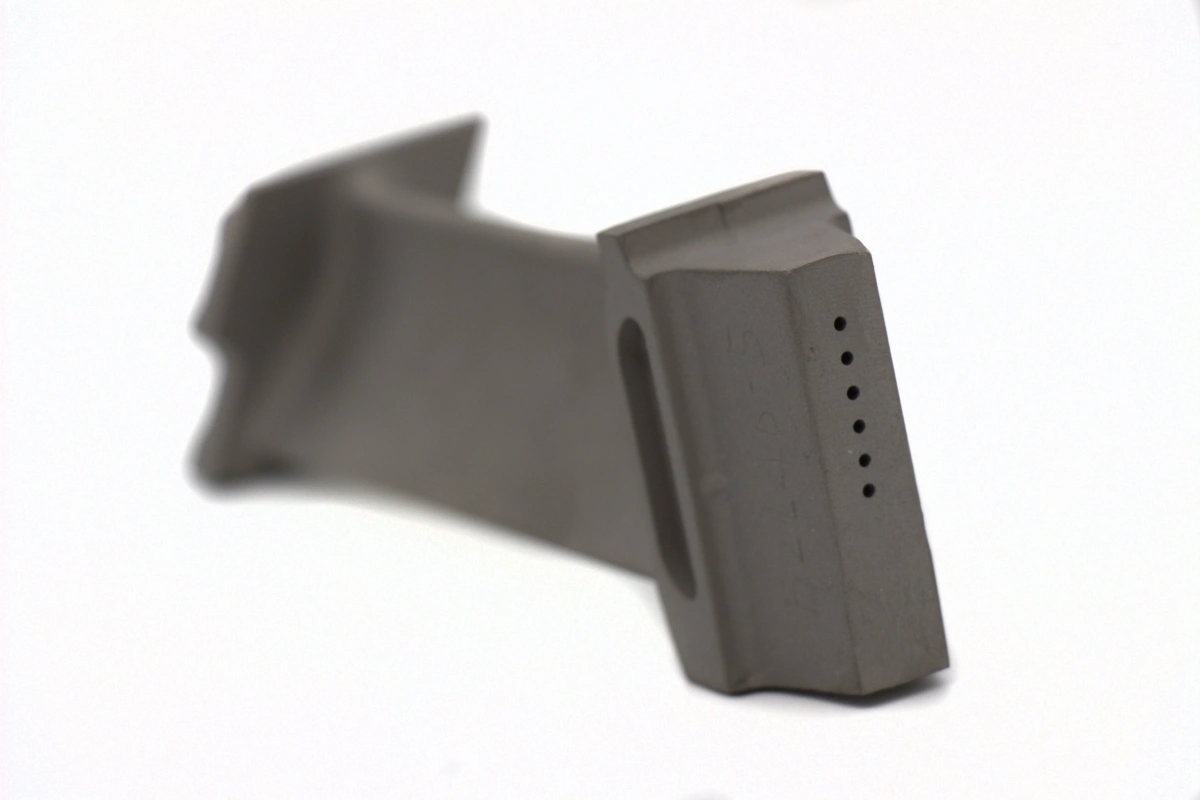
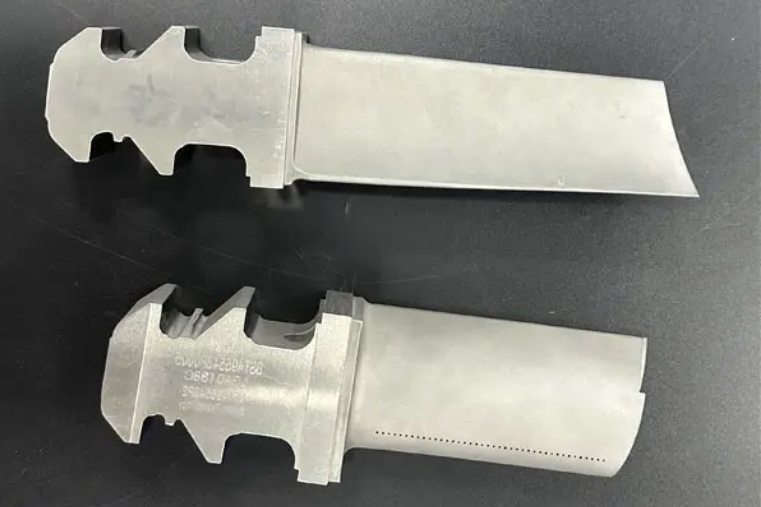
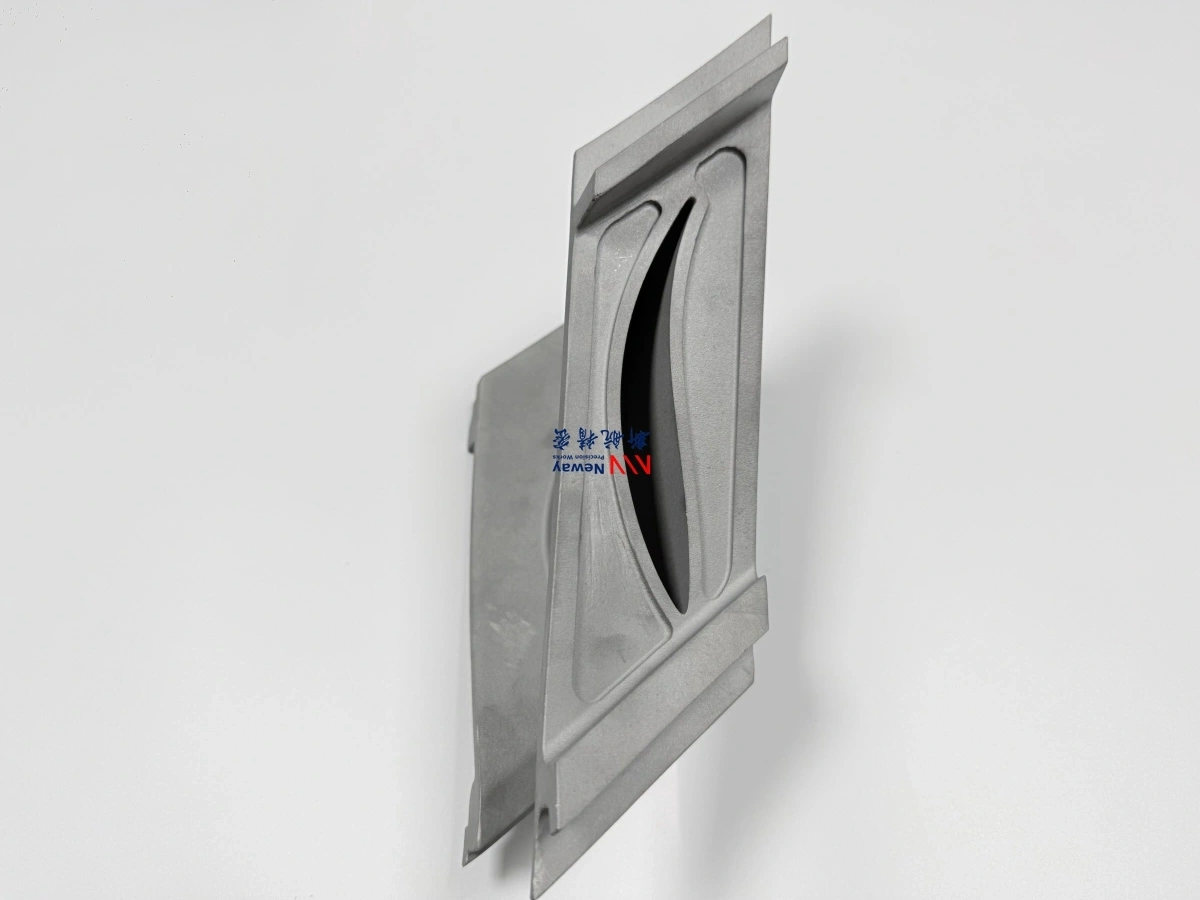
SX vs DS vs Equiaxed Casting Selection for Turbine Components
SX, DS, and equiaxed casting selection for turbine components should start from the part's duty, not from a preference for the most advanced route. A single crystal blade may need orientation control; a directional solidification vane may need columnar grain structure; an equiaxed shroud or heat shield may need sound casting, machining allowance, and coating readiness. The buyer's RFQ should explain which engineering risk the route is meant to control.
NewayAeroTech can review custom turbine and hot gas path projects through single crystal casting, directional solidification casting, equiaxed crystal casting, vacuum investment casting, and material testing and analysis. The useful quote is a route recommendation tied to drawings, alloy, component function, post-processing, and inspection evidence, not a generic definition of casting types.
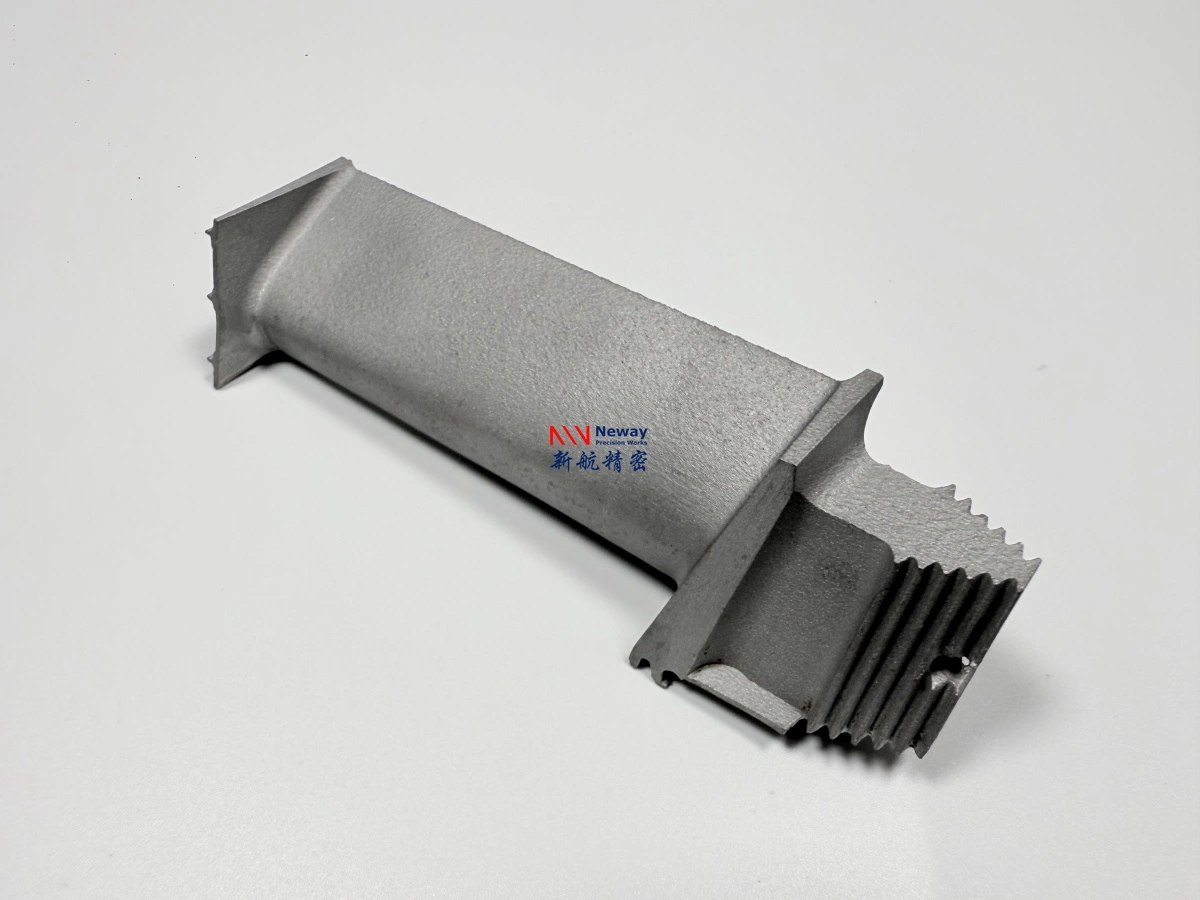
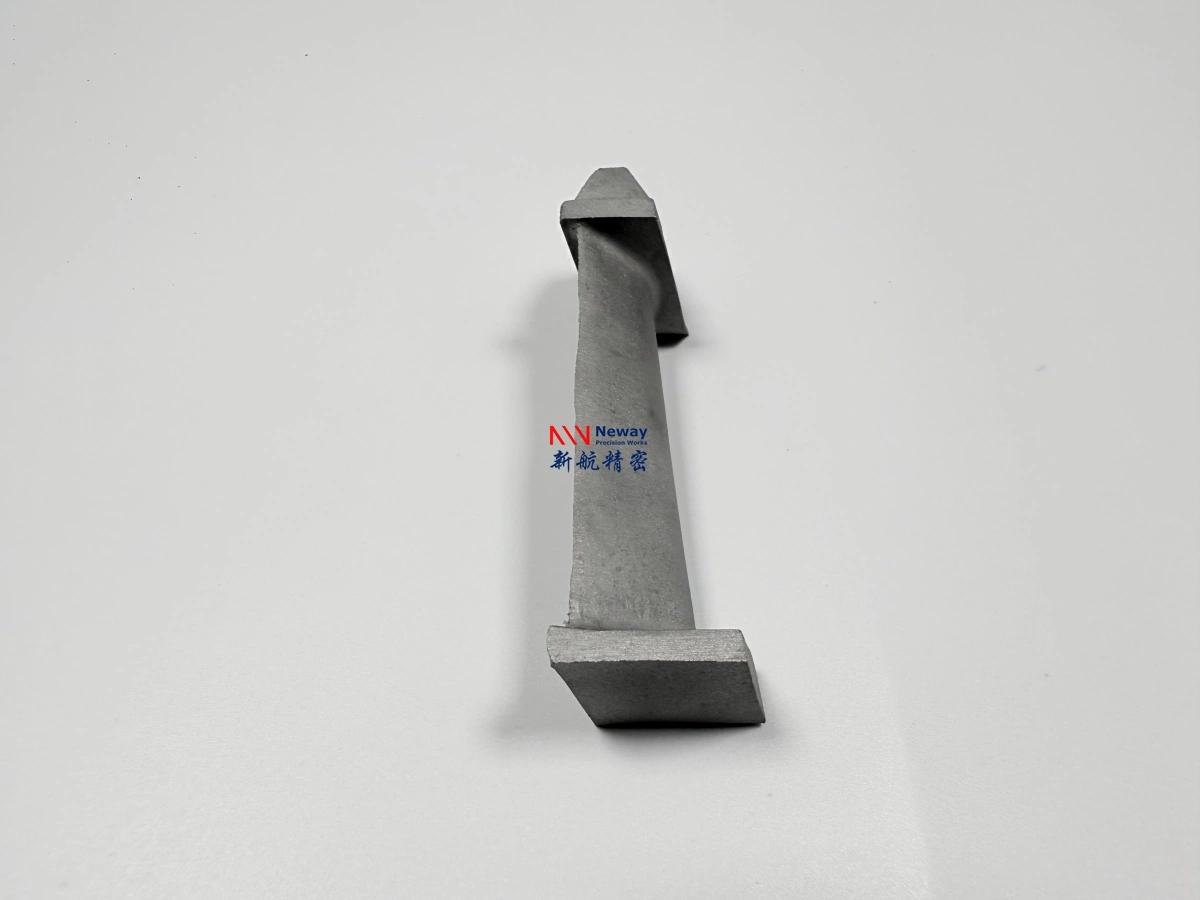
Route Selection Starts With Component Function
For this RFQ, buyers should first define the component function and the surfaces that drive risk. A rotating turbine blade may push the discussion toward SX casting when the buyer's design requires orientation control and grain-boundary removal. A nozzle guide vane or turbine vane may be reviewed for DS or SX depending on wall thickness, thermal load, alloy, and platform requirements. A shroud, heat shield, or combustor-related casting may fit equiaxed casting when geometry and application conditions support that route.
The supplier cannot choose a route responsibly from a part name alone. The drawing should show material grade, function, delivery state, critical surfaces, machining allowance, coating zones, and inspection requirements. A route comparison without those inputs becomes a price comparison between assumptions rather than a manufacturing decision.
Component type | Route question | Buyer input needed |
|---|---|---|
Turbine blade or bucket | Does the design require SX orientation control or another route? | Alloy, orientation note, root stock, airfoil surfaces, and cooling features. |
Vane or NGV segment | Should the buyer review SX, DS, or equiaxed casting for the platform and airfoil? | Wall thickness, core strategy, flow-path surfaces, and inspection zones. |
Shroud or heat shield | Does equiaxed casting with machining and coating readiness fit? | Assembly faces, gas-path surfaces, TBC zones, and distortion limits. |
Combustor or transition hardware | Is route choice driven by heat, oxidation, geometry, or hole patterns? | Material, surface map, hole features, and final delivery condition. |
When Single Crystal Casting Is Reviewed
Single crystal casting is reviewed when the buyer's design needs a controlled crystal orientation and removal of grain boundaries in the cast component. The route can be relevant for selected turbine blades and vanes, especially where alloy, geometry, and operating requirement point toward SX manufacturing. The RFQ should include orientation target, grain acceptance rule, drawing datums, machining allowance, heat-treatment requirement, and inspection method for stray grain, recrystallization, low-angle boundary, FPI, and dimensional reporting.
SX casting also changes the first-article discussion. The buyer may need evidence from orientation inspection before approving a batch, and machining should avoid creating conditions that damage the acceptance boundary. If the drawing does not require SX, asking for SX may add cost and time without solving a defined buyer problem.
When Directional Solidification Is Reviewed
Directional solidification is reviewed when columnar grain structure supports the buyer's design logic but a full SX route is not the selected requirement. DS may be discussed for turbine blades, vanes, and hot-section parts where grain direction, thermal fatigue behavior, and alloy route need engineering review. The RFQ should ask for grain-structure evidence, heat-treatment records, defect-control approach, and dimensional inspection tied to platforms, airfoils, and seal faces.
DS is not a halfway label to use when buyers are unsure. It requires process control and inspection evidence of its own. If the part's risk is actually wall thickness, internal defects, or machining stock, an equiaxed casting with the right inspection plan may be more practical. If the design requires strict orientation control, SX may be the appropriate conversation.
When Equiaxed Casting Is Practical
Equiaxed casting can be practical for many turbine and hot gas path components where the design does not require SX or DS grain structure. Shrouds, heat shields, nozzles, liners, brackets, and some vane or hardware components may be reviewed this way when alloy, geometry, and service conditions support it. The buyer should still define casting quality, wall thickness, machining surfaces, heat treatment, HIP, coating preparation, and inspection records.
Equiaxed does not mean low control. Buyers should specify X-ray or CT where internal quality is important, FPI for surface indications, CMM for final interfaces, and material testing when required. The route can be cost-effective for suitable parts, but only when the buyer's acceptance criteria match the component risk.
Route | Best RFQ use | Do not use when |
|---|---|---|
SX | Design calls for controlled single crystal orientation in selected blades or vanes. | The drawing has no orientation requirement and the risk is only general casting quality. |
DS | Columnar grain route is part of the material and component decision. | The buyer cannot define grain acceptance or route evidence. |
Equiaxed | Geometry, cost, and application conditions fit normal vacuum casting with inspection. | The drawing explicitly requires SX or DS grain structure. |
Inspection Evidence Changes by Route
Route comparison should include inspection, not only process names. SX casting may need orientation checks and grain-defect review. DS casting may need evidence that columnar structure meets the buyer's expectation. Equiaxed casting may need internal quality review, FPI, CMM, metallography, or chemical analysis depending on component function. Each route should have a matching evidence package.
NewayAeroTech can quote inspection support when the buyer states what will be accepted. If the buyer asks for multiple route options, the quotation should show how the inspection scope changes for each option. That makes the cost difference easier to understand and avoids comparing a heavily inspected SX route with a lightly inspected equiaxed route.
Cost and Risk Comparison Before Route Selection
A buyer should not compare SX, DS, and equiaxed routes by unit price alone. SX may carry higher tooling, process-control, and orientation-inspection effort, but it may be necessary when the drawing requires it. DS may reduce some SX-specific risk while still requiring grain-structure evidence. Equiaxed casting may reduce route complexity for suitable components, but the buyer may need stronger NDT, machining, or coating-readiness checks if geometry is difficult. The lowest quoted route is not useful when it fails to answer the part's functional risk.
Route selection should also consider what happens after the casting leaves the foundry. A blade route may require root machining, cooling features, and FPI after machining. A vane route may require platform machining, flow-path inspection, and X-ray or CT review. A shroud route may require seal-face machining and coating surface preparation. These downstream steps often decide whether the route is practical for the buyer's RFQ.
Comparison item | Question for SX | Question for DS or equiaxed |
|---|---|---|
Tooling and first article | Can the route produce orientation and grain evidence before batch release? | Can the route prove wall control, internal quality, and machining allowance? |
Post-cast machining | Will root, platform, or datum machining affect acceptance evidence? | Which faces need stock and CMM reporting after heat treatment? |
Inspection budget | Which SX-specific checks are mandatory for buyer release? | Which NDT and dimensional reports are enough for the component risk? |
Route | Inspection focus | Buyer release question |
|---|---|---|
SX | Orientation, stray grain, recrystallization, FPI, and CMM. | Does the part meet the crystal and geometry boundary? |
DS | Grain structure, heat treatment, internal soundness, and dimensional evidence. | Does the columnar route satisfy the drawing requirement? |
Equiaxed | X-ray or CT, FPI, CMM, material records, and coating readiness. | Does the casting meet functional surfaces and quality expectations? |
RFQ Data for Casting Route Comparison
A useful route-comparison RFQ includes the 2D drawing, 3D model, alloy or candidate alloys, component function, application environment, quantity, delivery condition, post-process scope, coating requirement, and inspection standard. The buyer should state whether it wants a single recommended route or a comparison among SX, DS, and equiaxed options. If the route is already fixed by design, the supplier should not dilute the quote by suggesting unrelated routes.
Send NewayAeroTech the drawing package and the decision question behind the RFQ. The supplier can then review casting route, tooling risk, heat treatment, HIP, CNC machining, EDM, inspection evidence, and first-article validation boundaries for custom turbine components.
Related FAQs