Why is Hot Isostatic Pressing Essential in Post-Processing Single Crystal Guide Vanes?
Mitigation of Casting Defects in Complex Geometries
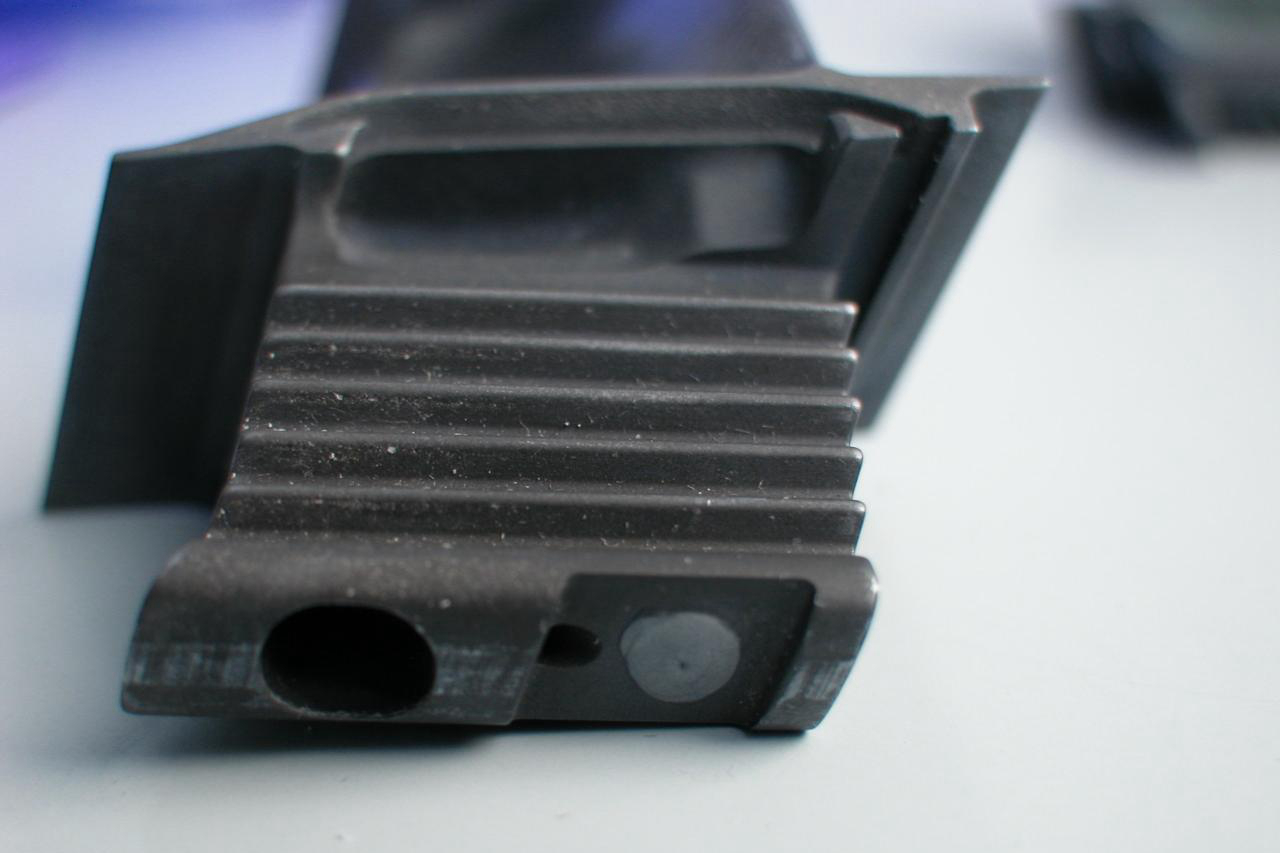
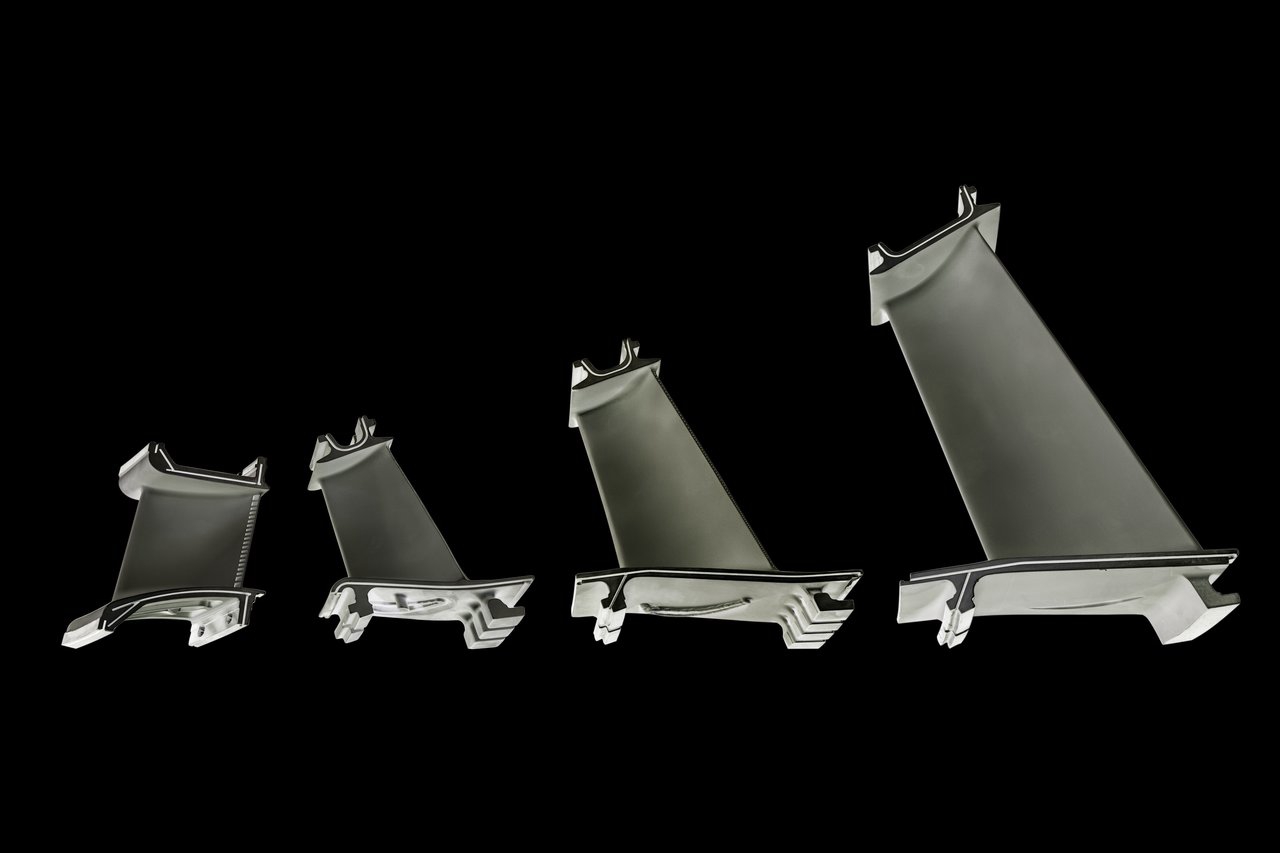
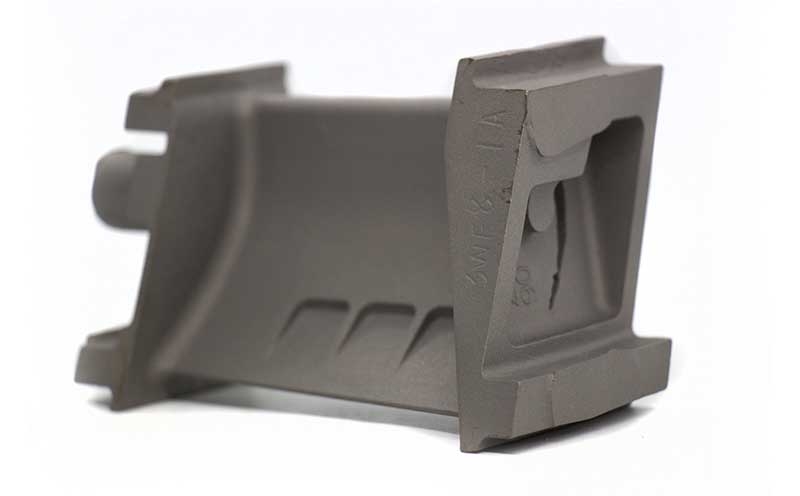
Hot Isostatic Pressing (HIP) is essential for single crystal guide vanes due to their large, thin-walled structures with intricate internal cooling channels. During single crystal casting, these complex geometries are prone to localized shrinkage porosity and micro-voids, especially at junctions and within wall sections. HIP applies uniform isostatic pressure at high temperature, which plastically deforms and diffusion-bonds these internal defects closed. This is a non-negotiable step to achieve a fully dense, structurally sound component capable of withstanding the high-pressure differentials and thermal stresses in aerospace and aviation engines.
Enhancement of Thermal-Mechanical Fatigue (TMF) Life
Guide vanes experience severe thermal gradients and mechanical constraint, making them highly susceptible to thermal-mechanical fatigue (TMF). Internal pores act as stress concentrators and crack initiation sites under these cyclic conditions. By eliminating porosity, HIP directly prevents early crack initiation and propagation, thereby drastically extending the TMF life of the component. This is critical for the durability and scheduled maintenance intervals of engines in both power generation and propulsion, where vane integrity is paramount for safe operation.
Ensuring Substrate Integrity for Coating Adhesion
A pore-free substrate is a fundamental prerequisite for the successful application and long-term adhesion of Thermal Barrier Coatings (TBC). Subsurface porosity near the interface can lead to localized coating delamination (spallation) under thermal cycling, exposing the base alloy to extreme temperatures and leading to rapid oxidation failure. HIP densification creates a uniform, robust bond surface, ensuring the protective coating system performs as designed throughout the vane's service life. This is especially vital for first-stage guide vanes exposed to the harshest combustion environments.
Enabling Design Margins and Material Property Consistency
HIP enables engineers to utilize the full theoretical strength of advanced single crystal alloys like Rene N5 or CMSX-4. By removing defect-driven variability, HIP ensures consistent mechanical properties—such as creep and tensile strength—across all produced vanes. This reliability allows for pushing operational temperature margins and efficiencies with confidence, a key factor in partnerships with leaders like GE. It transforms a high-integrity casting into a predictable, engineering-critical component.