IN738LC Equiaxed Casting for Turbine Vanes and Nozzle Part RFQs
IN738LC Vane and Nozzle RFQ Boundary
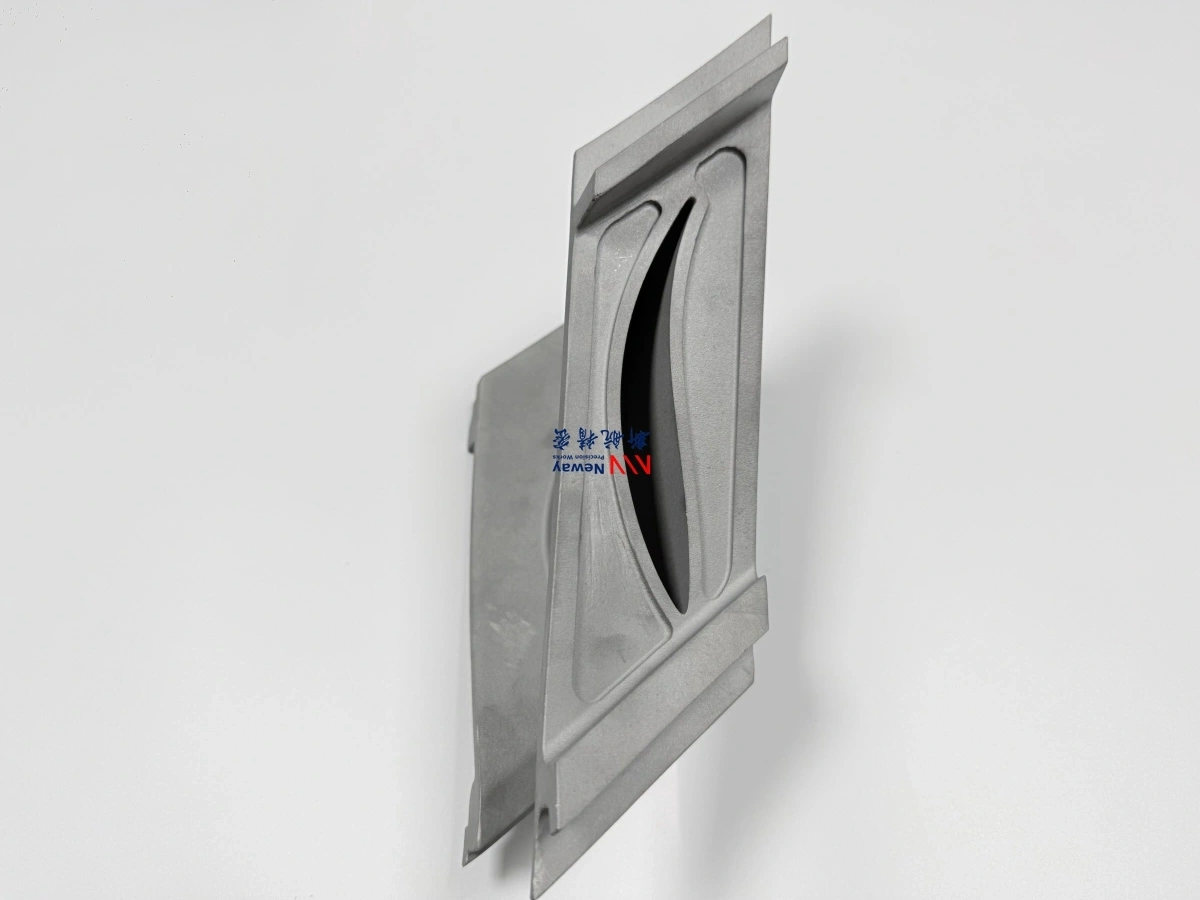
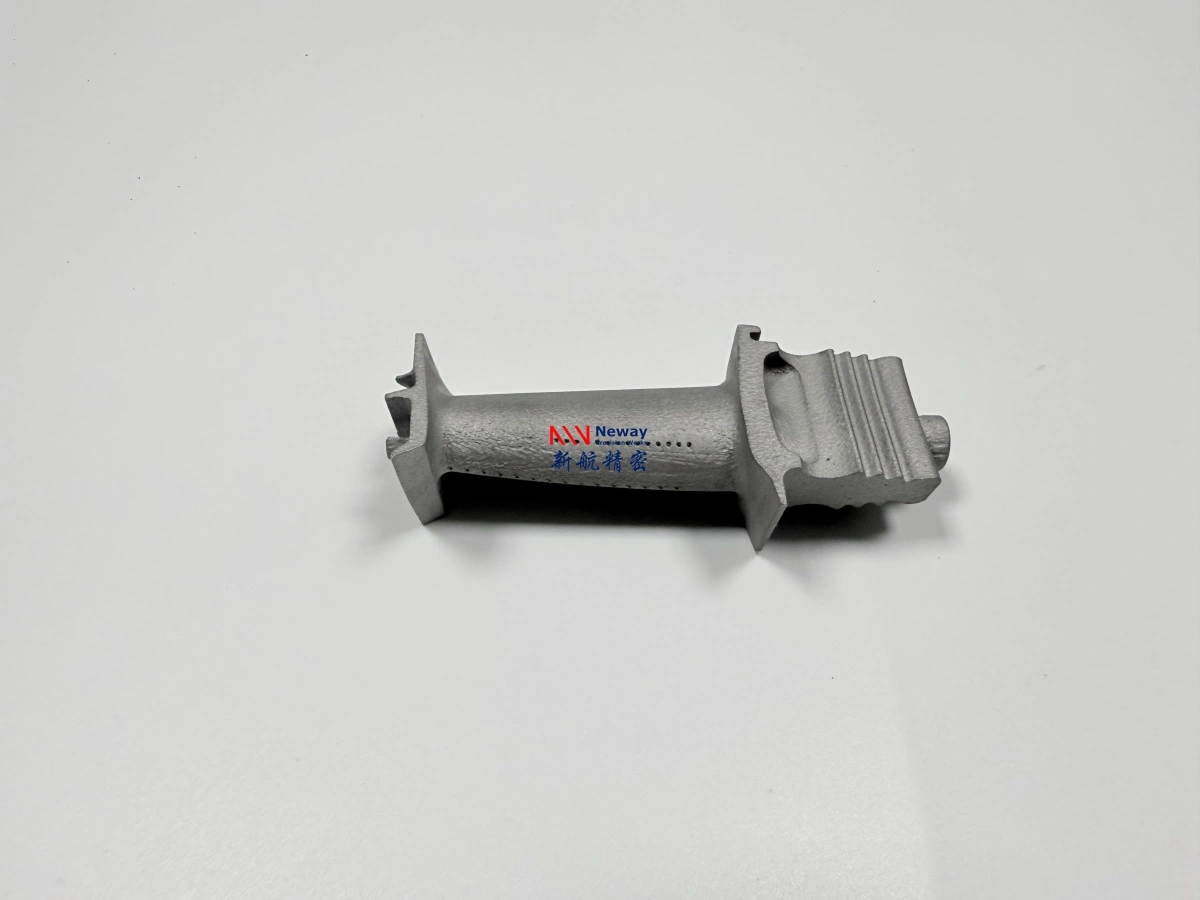
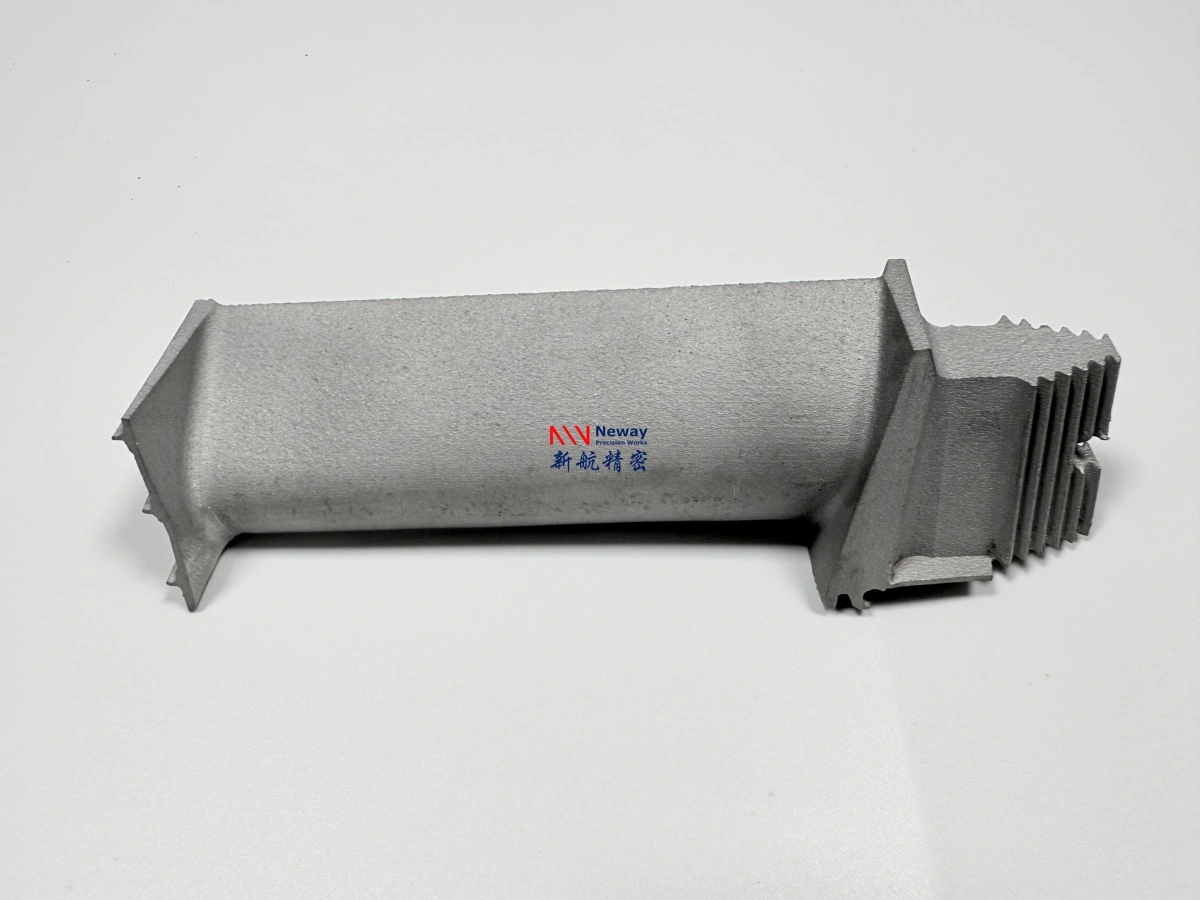
An IN738LC equiaxed casting RFQ for turbine vanes and nozzle parts should define the material, wall section, casting route, machining allowance, and inspection records before a supplier is asked for price. IN738LC is often discussed for hot gas path parts, but the buyer still needs to explain whether the request is for a vane, nozzle element, nozzle ring feature, static segment, or related high-temperature component. The same alloy can lead to different manufacturing assumptions depending on part duty and finished condition.
This article is different from a nozzle guide vane RFQ that centers on ceramic cores, static vane segments, and thin internal passages. Here the focus is material-specific: IN738LC, equiaxed casting, vane or nozzle geometry, defect review, heat treatment, and evidence needed before order release. NewayAeroTech can review custom IN738LC casting requests based on customer drawings, models, material notes, quantities, heat treatment requirements, machining scope, and inspection standards.
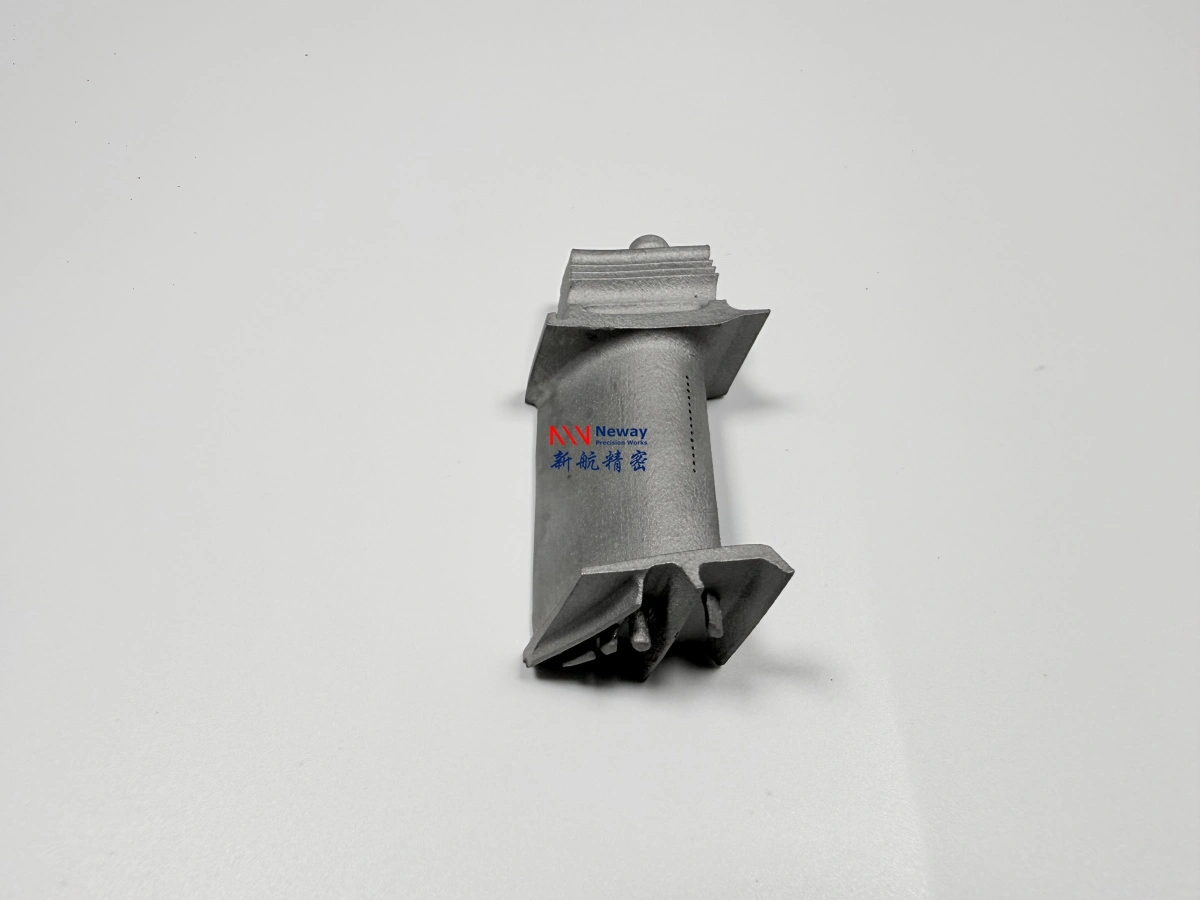
Material Grade and Wall-Section Questions Buyers Should Send
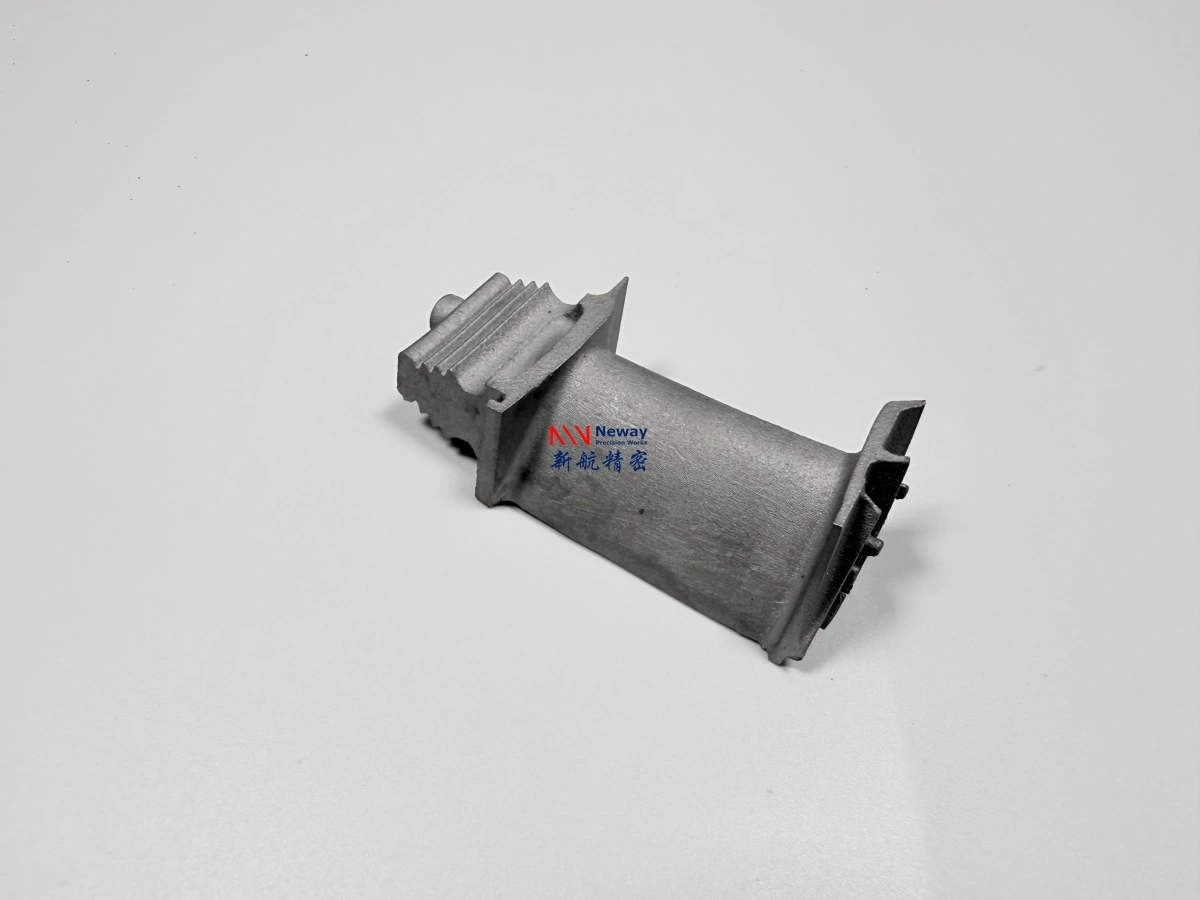
IN738LC should not be quoted as a generic Inconel family name. The buyer should state the exact grade, drawing requirement, heat condition, and any customer material standard that applies. If the project involves a sample, the RFQ should explain whether material verification is needed before manufacturing. If the component is a vane or nozzle part, the drawing should identify wall thickness, local transitions, leading or trailing edge areas, platform or flange faces, and any surfaces that will be machined after casting.
For IN738LC equiaxed crystal casting, wall-section control is more than a foundry detail. Thin edges, thicker platforms, nozzle flanges, and transition regions can influence feeding, shrinkage risk, dimensional variation, and later inspection. The buyer should clarify whether the supplier is quoting a cast blank, a heat-treated casting, or a machined and inspected component.
RFQ Question | Why It Matters for IN738LC | Useful Buyer Input |
|---|---|---|
Is the exact grade IN738LC confirmed? | Prevents the alloy from being treated as a broad nickel alloy request | Material specification, heat condition, and required material records |
Which wall sections are critical? | Thin and thick transitions can change casting risk and inspection planning | Wall thickness map, critical section notes, and 3D model |
Which faces are machined? | Machining allowance must be planned before casting and thermal processing | Datum scheme, tolerance table, surface finish, and finished condition |
Is the route equiaxed by requirement? | Separates permitted equiaxed casting from DS or single crystal route needs | Drawing notes, component duty, and buyer route approval basis |
NewayAeroTech can review whether equiaxed crystal casting fits the supplied IN738LC component data. If the drawing requires directional solidification or another route, that requirement should remain visible in the quote rather than being hidden behind an alloy name.
Equiaxed Casting Defects to Review Before Tooling
Defect review should happen before tooling, not after the first casting is poured. IN738LC vane and nozzle parts can contain geometry features that increase risk around thick-to-thin transitions, fillets, platform corners, flanges, and local bosses. The RFQ should ask the supplier how shrinkage, porosity, surface indications, dimensional variation, inclusion concerns, and microstructure requirements will be reviewed for the specific drawing.
A useful supplier response should distinguish normal process planning from acceptance evidence. It is not enough to say that the part will be inspected. The buyer should know which defects are most relevant to the geometry and which inspection methods will be used to detect them. If the component must be machined after heat treatment, inspection timing should also be stated.
Risk Area | Possible Concern | How the RFQ Should Address It |
|---|---|---|
Thick platform or nozzle flange | Shrinkage, porosity, or local feeding difficulty | Ask whether X-ray or other internal review is needed before machining |
Thin leading or trailing edge | Dimensional variation, shell control, or surface condition sensitivity | Define minimum wall, edge tolerance, and FPI/DPI requirements |
Fillet and transition zones | Stress concentration, surface indications, or machining exposure | Identify critical transitions and allowable stock removal |
Machined seal or assembly face | Insufficient allowance or datum mismatch after casting | Provide datum scheme and finished-surface responsibility |
Material identity and heat condition | Unclear alloy record or thermal-processing sequence | Request chemical verification and heat treatment records when required |
The buyer should not assume that all defect controls are included in every quote. A quote for a rough casting can be valid, but it should not be compared with a quote that includes heat treatment, machining, CMM, FPI, X-ray, and material records. NewayAeroTech can review the route according to the requested delivery condition.
Machining Allowance and Post-Process Route
IN738LC vane and nozzle parts often need post-casting decisions before a fair quotation can be made. Heat treatment may be required by the material specification. Machining may be needed for platform faces, sealing surfaces, mounting features, nozzle interfaces, or assembly datums. Coating preparation may be part of the buyer's downstream process. These steps should be part of the route discussion instead of being added after supplier selection.
Inconel alloy vacuum investment casting and equiaxed casting can provide near-net geometry, but near-net does not mean finished. The supplier needs a machining allowance plan and an inspection stage plan. If the casting will be inspected before machining and again after machining, the RFQ should state which reports are expected at each stage.
Route Decision | What It Controls | Buyer Input Needed |
|---|---|---|
Cast blank only | Foundry route, basic material responsibility, and rough geometry | Drawing, alloy, quantity, and casting acceptance requirements |
Heat-treated casting | Material condition and thermal-processing records | Heat treatment specification and report requirement |
Machined vane or nozzle part | Datums, seal faces, platform surfaces, and final dimensions | 3D model, tolerance table, datum strategy, and surface finish |
Inspected finished component | CMM, FPI, X-ray, chemistry, metallography, or customer records | Inspection standard and final delivery condition |
For related turbine casting context, buyers can compare this IN738LC discussion with other material-route examples, such as the IN713LC turbine blade casting study case, while keeping the route distinction clear. IN713LC, IN738LC, DS alloys, and single crystal alloys should not be treated as interchangeable without customer engineering review.
CMM, FPI, X-Ray and Metallography Evidence
Inspection evidence should be selected to match the vane or nozzle part. CMM can verify finished datums, platform faces, sealing surfaces, and dimensional interfaces. FPI or DPI can help detect surface-breaking indications after casting or machining. X-ray or radiographic inspection can be discussed for internal quality concerns in thicker or transition regions. Metallography, chemical analysis, hardness, or other material testing may be required when the customer specification calls for them.
Buyers should define the inspection package before the order is released. If inspection is added after quotation, the supplier may need to change route, timing, and cost. NewayAeroTech can support superalloy material testing and analysis according to customer requirements, but the required records must be stated clearly.
Inspection Evidence | Best Fit in the IN738LC RFQ | When to Request It |
|---|---|---|
CMM report | Machined seal faces, platform surfaces, datums, and assembly dimensions | When finished or semi-finished delivery is requested |
FPI / DPI | Surface-breaking indication review on airfoil, platform, flange, or fillet areas | Before final release or after machining where required |
X-ray / radiographic inspection | Internal casting review in thick sections or local transition zones | Before machining or before first article approval |
Metallography | Microstructure or route evidence when the specification requests it | Before batch acceptance criteria are fixed |
Chemical verification | Confirms IN738LC identity and material responsibility | When the buyer requires alloy evidence or sample verification |
The inspection plan should also state who reviews the reports and what happens if an indication is found. A buyer may accept certain rework or reject it entirely, depending on the drawing and application. Those rules belong in the RFQ package.
Final RFQ Data for Vane and Nozzle Part Review
The final RFQ should give the supplier enough data to decide whether IN738LC equiaxed casting is technically suitable. Buyers should provide the 2D drawing, 3D model, exact material grade, quantity, project stage, component function, wall-section notes, heat treatment requirement, machining scope, surface finish, inspection standard, and any sample or previous report if available. If the part is for maintenance-market manufacturing, the RFQ should explain whether the supplier is expected to work from a sample, a drawing, or both.
NewayAeroTech can review IN738LC vane and nozzle part projects as custom manufacturing requests. The quote should state whether it covers a rough casting, heat-treated casting, machined part, or finished inspected component. When the buyer wants a complete route, the RFQ should include casting, heat treatment, machining allowance, inspection records, and delivery condition in one clear package.
RFQ Field | Why NewayAeroTech Reviews It | Best Practice |
|---|---|---|
Drawing and model | Defines geometry, wall section, datums, and machining access | Send current revision and mark critical surfaces |
IN738LC requirement | Links alloy to casting route, heat treatment, and inspection | Provide material specification and any customer material standard |
Part function | Separates vane, nozzle, static segment, or support component duty | Describe location, thermal exposure, and assembly role |
Delivery condition | Separates blank, semi-finished, machined, and inspected scope | State which operations are included in the quote |
Inspection standard | Controls reports, timing, and acceptance evidence | List CMM, FPI, X-ray, metallography, chemistry, or other records required |
Send the drawing, model, IN738LC specification, quantity, component duty, wall-section notes, post-processing requirements, and inspection standards. NewayAeroTech can review the project and suggest whether equiaxed casting is a suitable route for the turbine vane or nozzle component.
Related FAQs
Which inspections are useful for vacuum-cast superalloy parts?
What are the most common defects in superalloy castings and how are they detected?
How does grain structure affect creep and thermal fatigue resistance?
What inspections are typically conducted to ensure quality in gas turbine components?
How do materials affect DS, equiaxed, and single crystal route selection?