Gas Turbine Material Selection: N5, Rene 80, IN738LC and CMSX-4
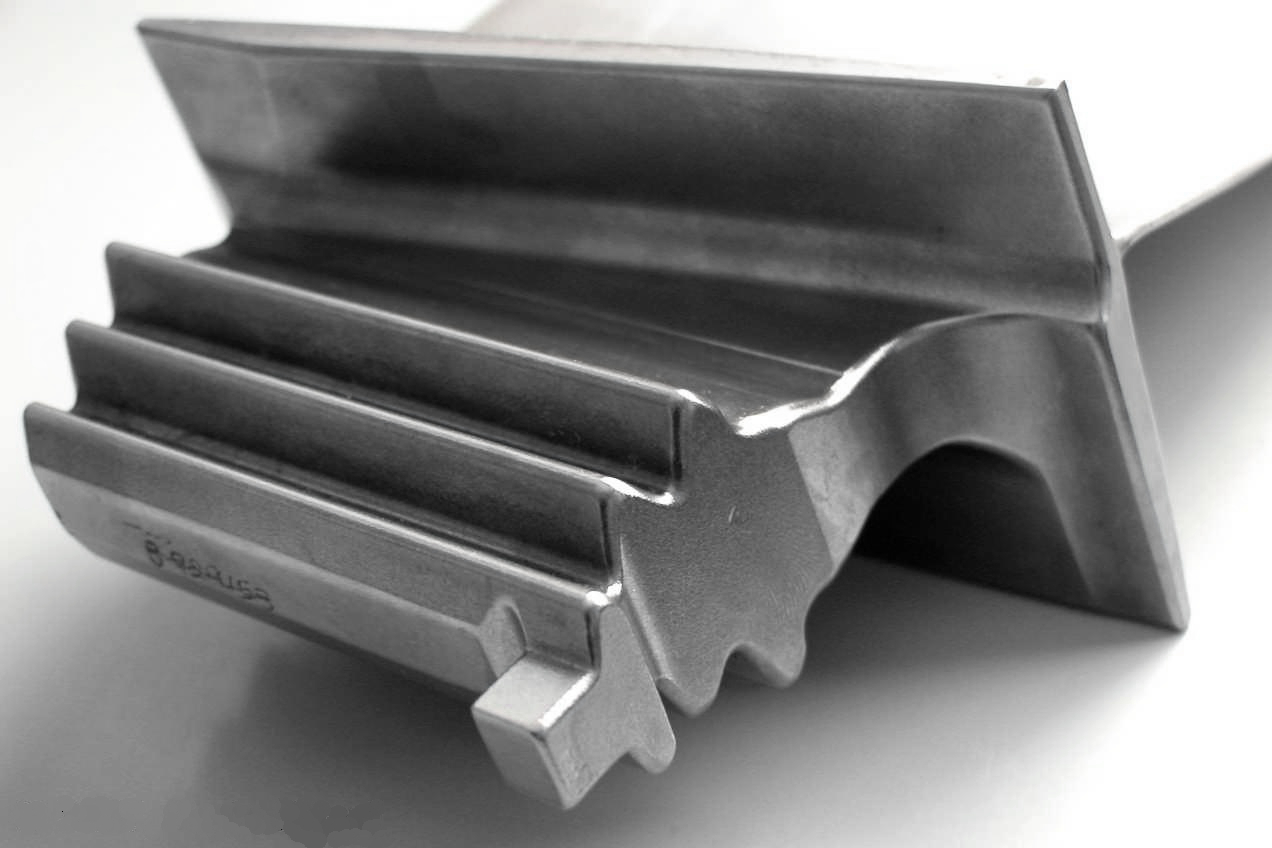
Gas turbine material selection for hot-section parts should be treated as a manufacturing and validation decision, not only as an alloy-name comparison. Rene N5, Rene 80, IN738LC, CMSX-4, MAR-M247, and related nickel-based superalloys can lead to different casting routes, heat-treatment requirements, machining allowances, inspection records, and buyer approval steps. A blade, vane, shroud, nozzle, combustor component, or heat shield may need a different material conversation even when all are used in hot gas path service.
NewayAeroTech can review custom gas turbine and power generation component RFQs involving Rene alloys, CMSX series alloys, Inconel alloy casting, single crystal casting, directional casting, and equiaxed crystal casting. The buyer should keep final material approval under its own engineering process while the supplier reviews manufacturability, route evidence, and inspection scope.
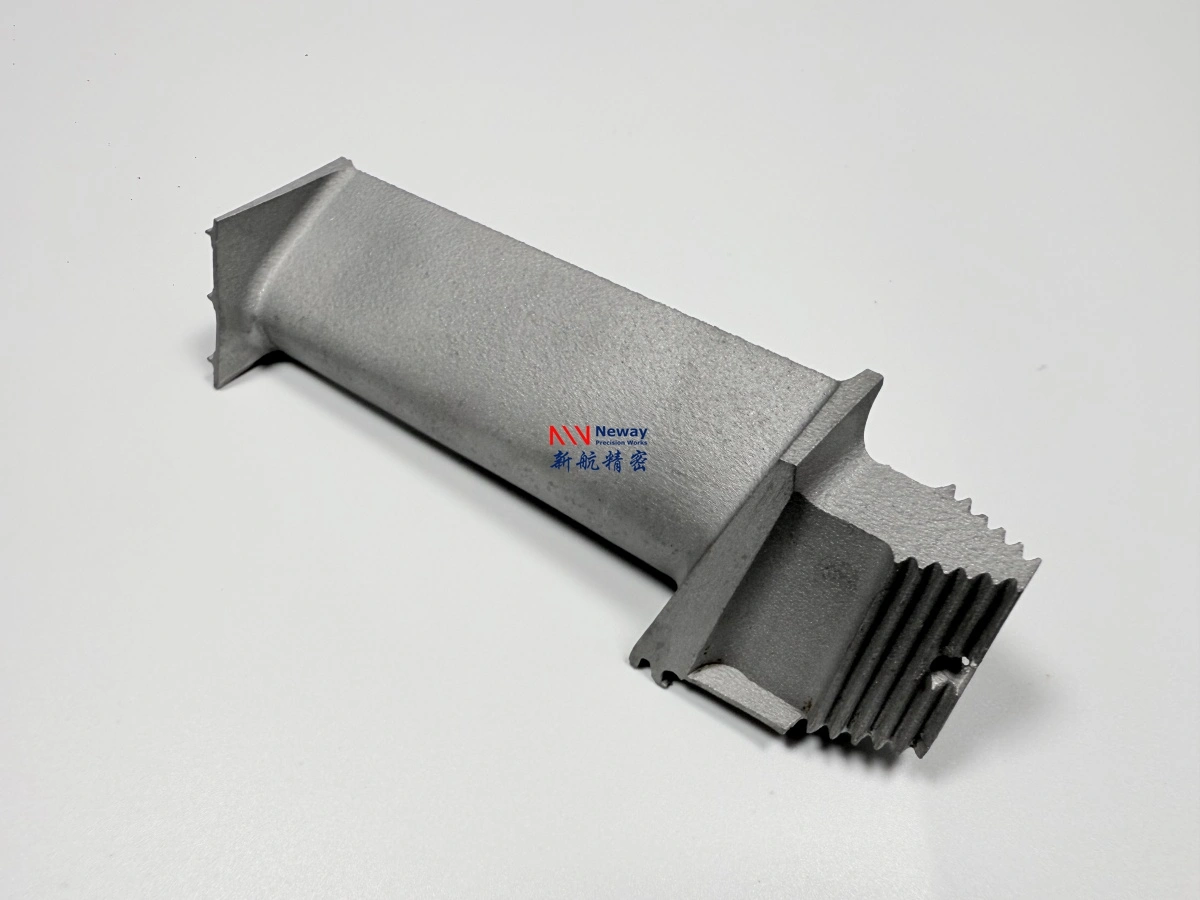
Material Approval Boundary for Hot-Section RFQs
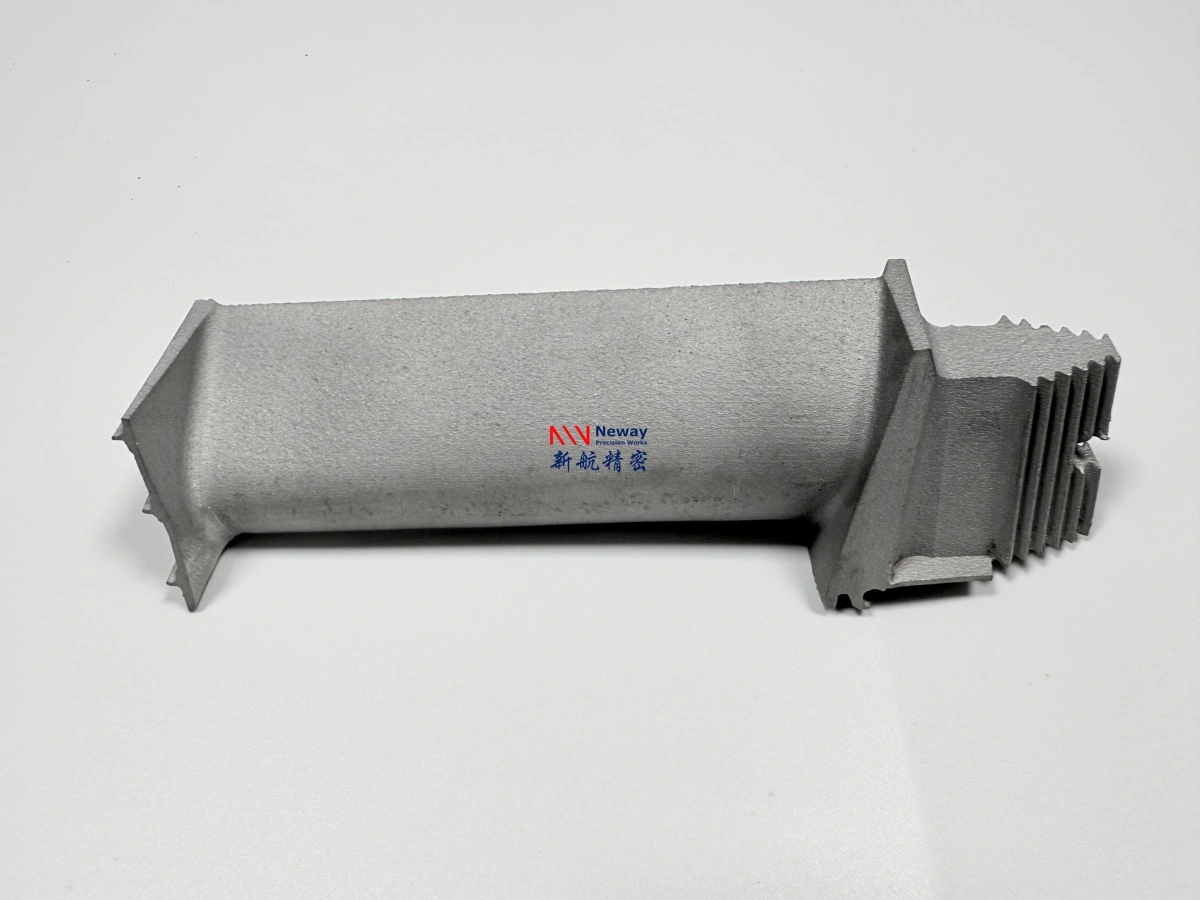
For this RFQ, buyers should first define whether the alloy is already approved on the drawing or whether the supplier is being asked to comment on manufacturability. These are different tasks. If the drawing specifies CMSX-4 for a single crystal blade, the supplier reviews the SX route, orientation evidence, heat-treatment scope, and inspection records. If the drawing says "nickel superalloy" without a grade, the project is still in a material-selection stage and needs buyer-side engineering review before production commitment.
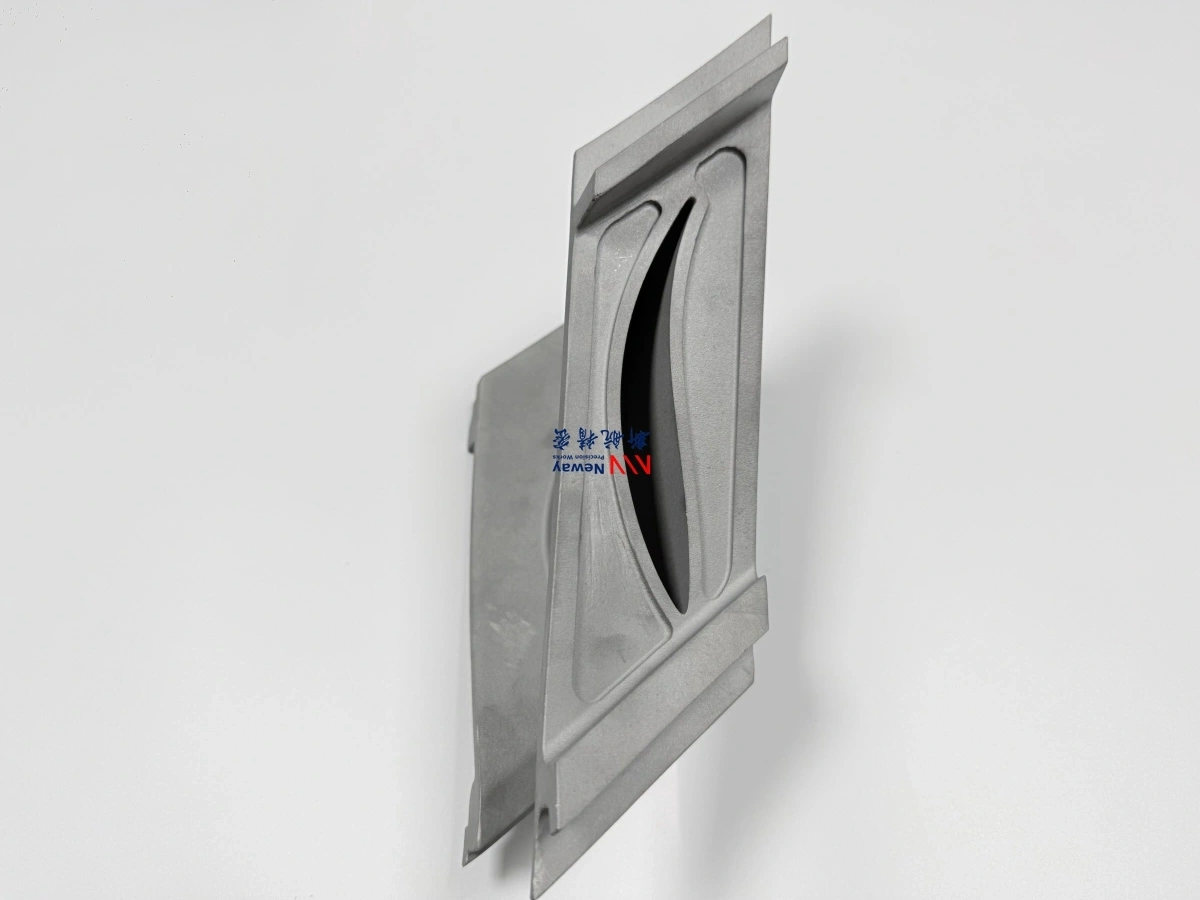
Material approval also depends on component function. A rotating blade may need a stricter discussion of crystal orientation, root stock, and airfoil quality. A vane may require platform stability, wall control, and internal defect review. A shroud or heat shield may place more weight on oxidation resistance, coating readiness, and assembly surfaces. The material note should be connected to the part, not handled as a separate purchasing line.
N5 and CMSX-4 for Single Crystal Blade Discussions
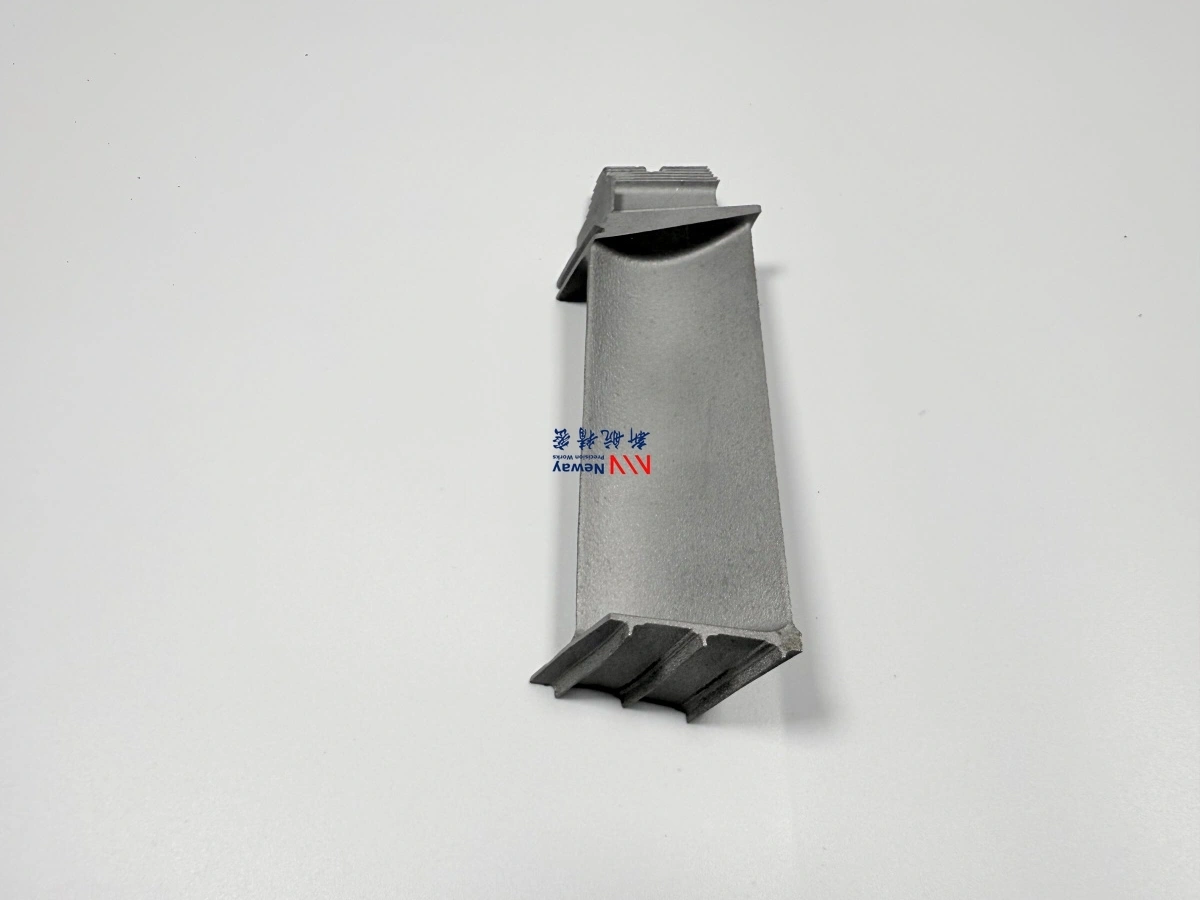
Rene N5 and CMSX-4 are usually discussed in the context of single crystal turbine blade or vane applications where the buyer's design requires orientation control and grain-boundary elimination. The supplier cannot responsibly quote this type of part from material name alone. The RFQ should include the blade or vane drawing, orientation requirement, grain acceptance rule, root and platform allowance, heat-treatment note, and inspection method for stray grain, recrystallization, low-angle boundary, FPI, and CMM reporting when required.
NewayAeroTech can review single crystal casting feasibility for suitable projects, but the buyer must define the application requirement and acceptance boundary. For early development work, the first article may be used to confirm orientation control, tooling strategy, shell behavior, and machining stock before a repeat batch. For mature designs, the RFQ should focus on route consistency and evidence required by the buyer's release process.
Material discussion | Likely component focus | RFQ evidence to define |
|---|---|---|
Rene N5 | SX blade or vane projects where the drawing already controls material and route. | Orientation target, grain inspection, heat-treatment record, and machining boundary. |
CMSX-4 | Single crystal blade, vane, or high-temperature hot-section development. | Grain selector route, orientation check, FPI, CMM, and buyer acceptance rule. |
Other SX alloys | Project-specific blade or vane requirements. | Approved grade, substitute restrictions, and first-article validation plan. |
Rene 80 IN738LC and MAR-M247 for Cast Routes
Rene 80, IN738LC, and MAR-M247 are often discussed for equiaxed or directional casting routes depending on the component, drawing, and service conditions. IN738LC can appear in turbine vanes, blades, shrouds, heat shields, or hot gas path hardware where corrosion, oxidation, and castability are part of the decision. Rene 80 may be reviewed for selected turbine blade or vane castings. MAR-M247 may be reviewed in cast turbine components where the buyer's design and route support it.
The supplier should not change the material grade casually. If the buyer wants a substitute discussion, the RFQ should state which alternatives are allowed for review and which properties, inspection records, and post-process conditions must be compared. If no substitute is allowed, the quotation should stay aligned with the drawing grade and focus on manufacturability, tooling, heat treatment, machining, and inspection.
Alloy | Common RFQ use | Manufacturing question |
|---|---|---|
IN738LC | Cast vanes, shrouds, heat shields, and hot gas path components. | Equiaxed or DS route, heat treatment, coating readiness, and inspection zones. |
Rene 80 | Turbine blade or vane casting discussions when the design specifies it. | Castability, heat-treatment record, machining stock, and surface indication review. |
MAR-M247 | Selected hot-section castings where the drawing and route support the alloy. | Route suitability, grain control expectation, and dimensional inspection plan. |
Crystal Route and Post-Process Consequences
Material selection often locks in the casting-route conversation. A single crystal blade RFQ needs orientation control and grain defect inspection. A directional solidification vane needs columnar grain review and route evidence. An equiaxed shroud or heat shield may place more weight on internal soundness, heat treatment, machining surfaces, and coating preparation. The alloy name is only one part of the decision; the crystal route determines what the supplier must control and what the buyer should inspect.
Post-processing should be included before quotation. HIP, heat treatment, CNC machining, EDM, deep hole drilling, and TBC preparation may be required by the drawing or by the buyer's validation plan. A material that looks suitable on paper may become difficult when thin walls, cooling features, final datums, or coated surfaces are added to the delivery scope.
Route | Material-selection effect | Inspection effect |
|---|---|---|
Single crystal | Often tied to blade or vane designs needing orientation control. | Orientation, grain defect review, FPI, CMM, and process records. |
Directional solidification | Used when columnar grain structure is part of buyer design logic. | Grain-structure evidence, heat-treatment records, and dimensional checks. |
Equiaxed casting | May fit shrouds, heat shields, liners, and some vane or nozzle parts. | X-ray, FPI, CMM, metallography, and chemistry when required. |
Inspection Evidence for Material Selection
Inspection should support the material decision instead of becoming a generic checklist. Chemical analysis confirms material identity. Metallography can support microstructure review when required. X-ray or CT may be used for internal casting quality. FPI supports surface indication review after casting and machining. CMM ties material and route selection back to the actual part geometry. For SX or DS components, grain structure and orientation evidence may be more important than for an equiaxed heat shield.
The RFQ should tell the supplier which evidence is required for quotation and which evidence will be decided after sample review. That distinction helps control cost while keeping the validation path clear. NewayAeroTech can provide manufacturing and inspection support based on drawings and technical requirements, while the buyer keeps responsibility for final material approval and application release.
RFQ Questions When Material Is Not Frozen
If the buyer has not frozen the material, the RFQ should ask practical questions: which alloys are manufacturable for the geometry, which casting route is likely to fit, which surfaces need machining allowance, which inspections will reveal route risk, and whether the first article should test more than one route. The supplier should be asked for route comments and manufacturing risks, not unsupported performance promises.
A material comparison package should keep the same part geometry and change only the variables being reviewed. If N5 and CMSX-4 are compared for a blade concept, the buyer should ask how each alloy changes SX casting evidence, orientation review, and post-cast machining. If IN738LC and Rene 80 are compared for a vane or shroud, the buyer should ask how each option changes casting route, heat treatment, coating preparation, and inspection cost. Mixing alloy choice, route choice, and geometry revision in one comparison makes the result hard to use.
Comparison item | Keep fixed | Ask the supplier to explain |
|---|---|---|
Alloy option | Same drawing, same component function, and same delivery state. | Manufacturability, route risk, inspection evidence, and post-process effect. |
Casting route | Same alloy and same critical surfaces. | SX, DS, or equiaxed feasibility, tooling implications, and defect-control plan. |
Inspection plan | Same first-article objective. | Which tests answer material approval questions and which tests only add cost. |
Send NewayAeroTech the drawing, 3D model, part function, operating environment, target alloy or alloy candidates, quantity, delivery state, post-process requirements, and inspection expectations. A material-selection RFQ becomes useful when it connects alloy, crystal route, component geometry, post-processing, and buyer validation into one quotation package.
Related FAQs
What are the most commonly used alloys in gas turbine components?
What materials are best suited for steam turbine parts in high-temperature applications?
How do materials affect DS, equiaxed, and single crystal route selection?
How do manufacturing processes affect the performance of gas turbine components?
What post-processing methods are essential for gas turbine components?
What inspections are typically conducted to ensure quality in gas turbine components?