What materials are best suited for steam turbine parts in high-temperature applications?
The Importance of Material Selection in Steam Turbine Design
Steam turbines operate under high-pressure, high-temperature, and cyclic loading conditions. Material selection is therefore a crucial engineering decision directly affecting efficiency, thermal stability, and service life. Components such as blades, rotors, and casings must resist creep, corrosion, and oxidation at temperatures often exceeding 600°C. The best-suited materials strike a balance between high strength, thermal conductivity, and long-term stability, while maintaining cost-effectiveness for continuous power generation systems.
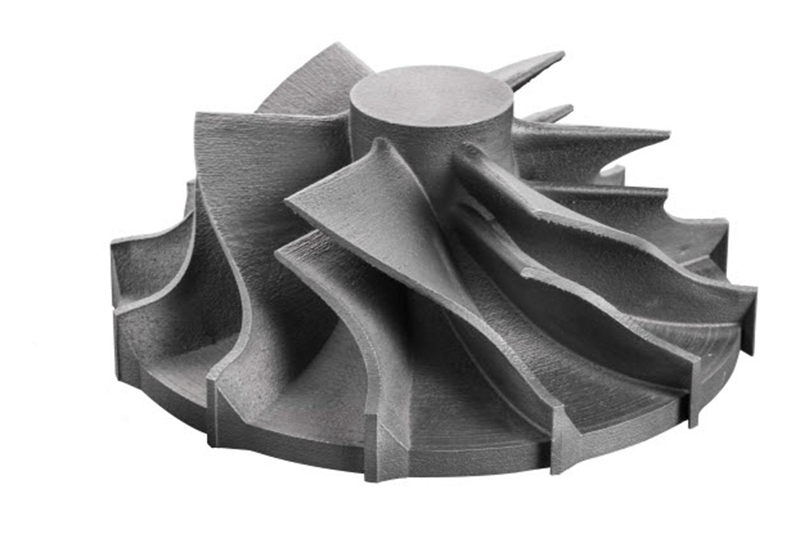
Modern turbine designers utilize both conventional steels and advanced superalloys, employing processes such as vacuum investment casting and superalloy precision forging to achieve precise microstructures tailored for demanding thermal environments.
Nickel-Based Superalloys
Nickel-based materials dominate the high-temperature sections of steam turbines due to their superior creep resistance and oxidation control. Alloys such as Inconel 625, Inconel 718, and Rene 80 are widely used in blades and stationary vanes. These alloys maintain structural integrity above 700°C while providing exceptional resistance to steam-induced oxidation.
For next-generation systems, CMSX-4 and Rene N5 single-crystal superalloys—originally developed for gas turbines—are being adapted to steam environments to handle severe thermal gradients and minimize grain boundary creep.
Cobalt-Based and Iron-Based Alloys
Cobalt-based alloys such as Stellite 6 and Stellite 21 are favored for valve seats and wear-resistant surfaces. Their outstanding hot hardness and corrosion resistance make them ideal for components exposed to erosive steam flow or mechanical wear.
Iron-based superalloys and special steels—manufactured through special steel investment casting—are used for rotors and casings that operate at slightly lower temperature zones. These materials combine high fatigue strength with ease of machining and cost efficiency.
Post-Processing and Coating Enhancements
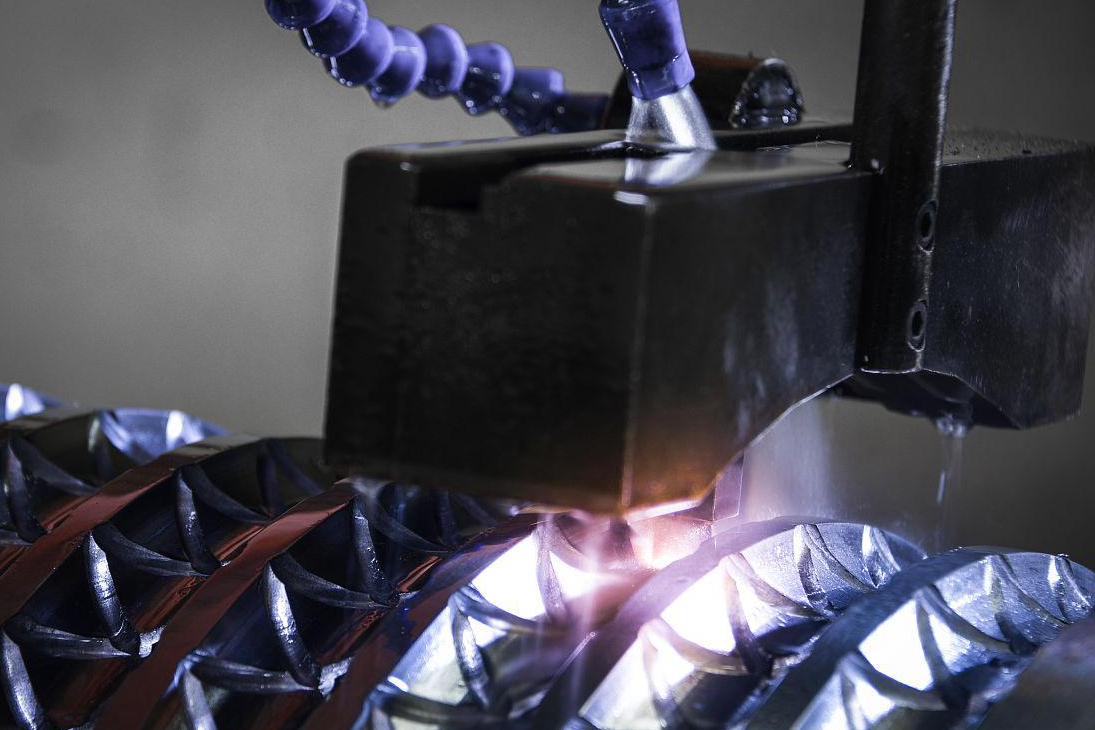
To enhance longevity and performance, turbine parts undergo post-treatment processes such as superalloy heat treatment and hot isostatic pressing (HIP). These processes refine grain structure, eliminate porosity, and improve creep life. Additionally, thermal barrier coating (TBC) systems and surface oxidation treatments protect exposed components from corrosive and thermal degradation in the superheated steam flow.
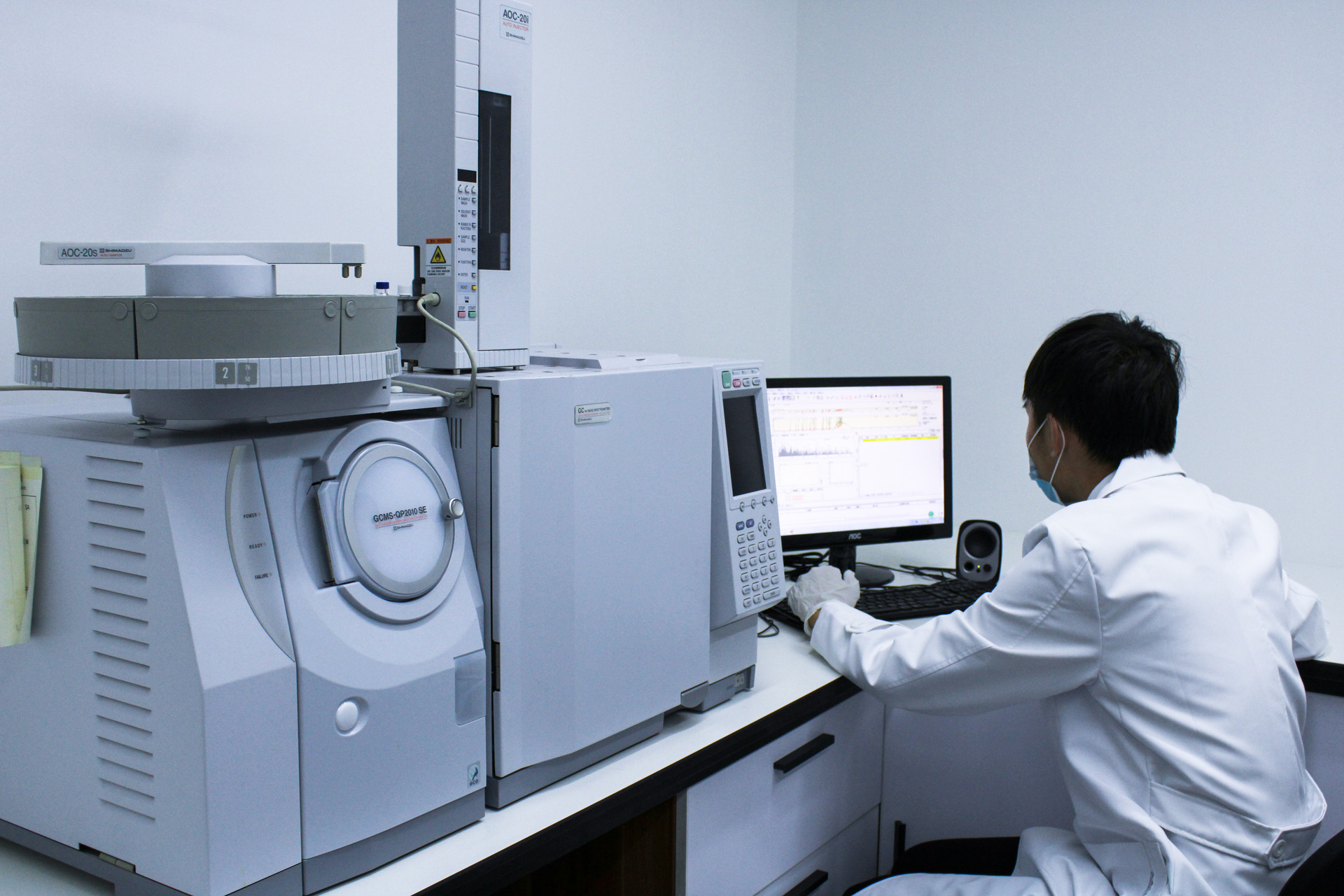
Comprehensive material testing and analysis ensure that alloy chemistry, grain structure, and phase distribution meet the stringent quality requirements of the power generation industry.
Industry Applications and Reliability
In the energy and marine industries, steam turbines built from these materials demonstrate excellent operational stability, reduced downtime, and improved thermal efficiency. High-performance alloys enable continuous operation at extreme pressures, supporting long maintenance intervals and consistent power output.
Conclusion
For steam turbines operating in high-temperature environments, nickel-based and cobalt-based superalloys, supported by advanced heat treatment and coating technologies, provide unmatched performance and reliability. Their resistance to creep, corrosion, and oxidation makes them indispensable in modern high-efficiency power generation systems.