Turbine Blade Casting Supplier Review for Hot Gas Path Projects
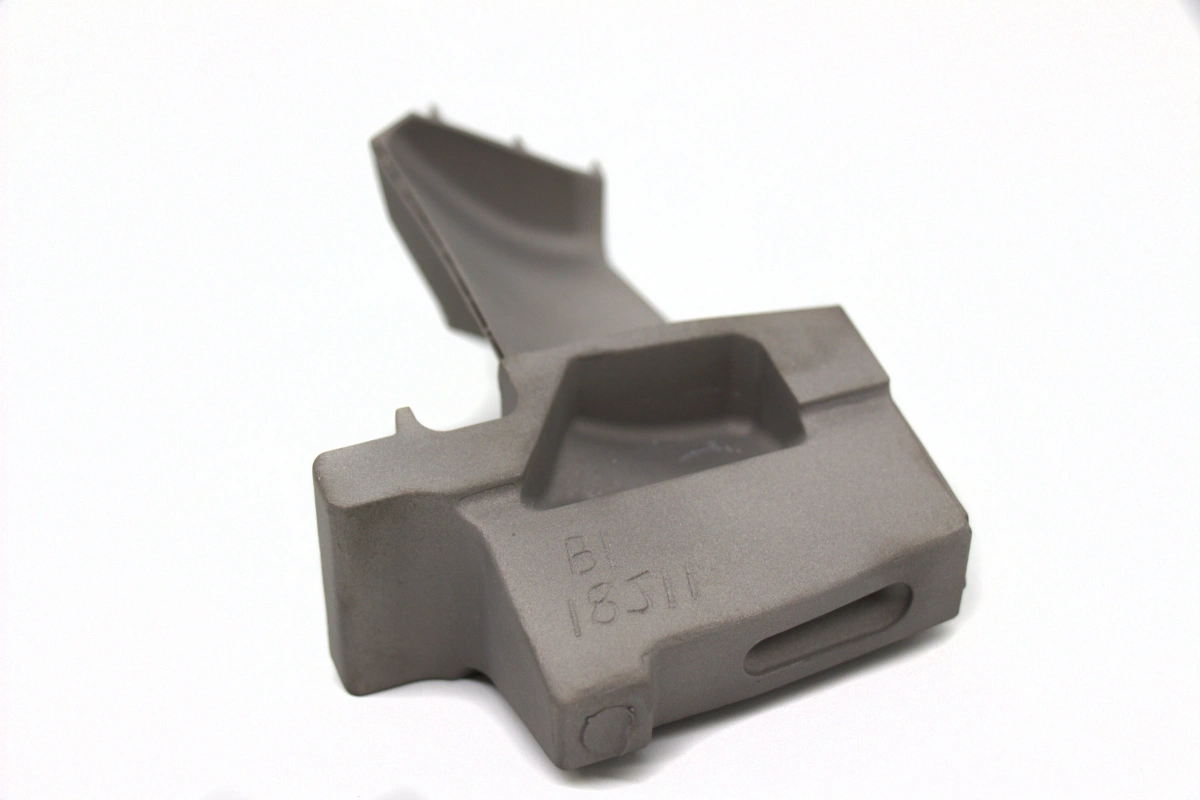
A turbine blade or bucket RFQ is not just a request for a cast superalloy shape. The buyer has to define whether the supplier is reviewing an airfoil casting blank, a root-machined blade, a platform-controlled hot gas path component, or a finished inspected part with cooling features, heat treatment, HIP, machining, and coating preparation. That boundary is what makes this article different from a general turbine-component supplier review: the main purchasing risk is the difference between a blade-shaped casting and a blade package ready for the buyer's own validation route.
NewayAeroTech can review custom turbine blade and bucket projects from drawings, 3D models, sample references, alloy notes, quantities, machining allowances, inspection requirements, and delivery-condition expectations. The review may connect vacuum investment casting, single crystal casting, directional solidification casting, equiaxed crystal casting, HIP treatment, heat treatment, superalloy CNC machining, EDM, FPI, X-ray inspection, CMM inspection, metallography, and chemical analysis, depending on the drawing and acceptance plan.
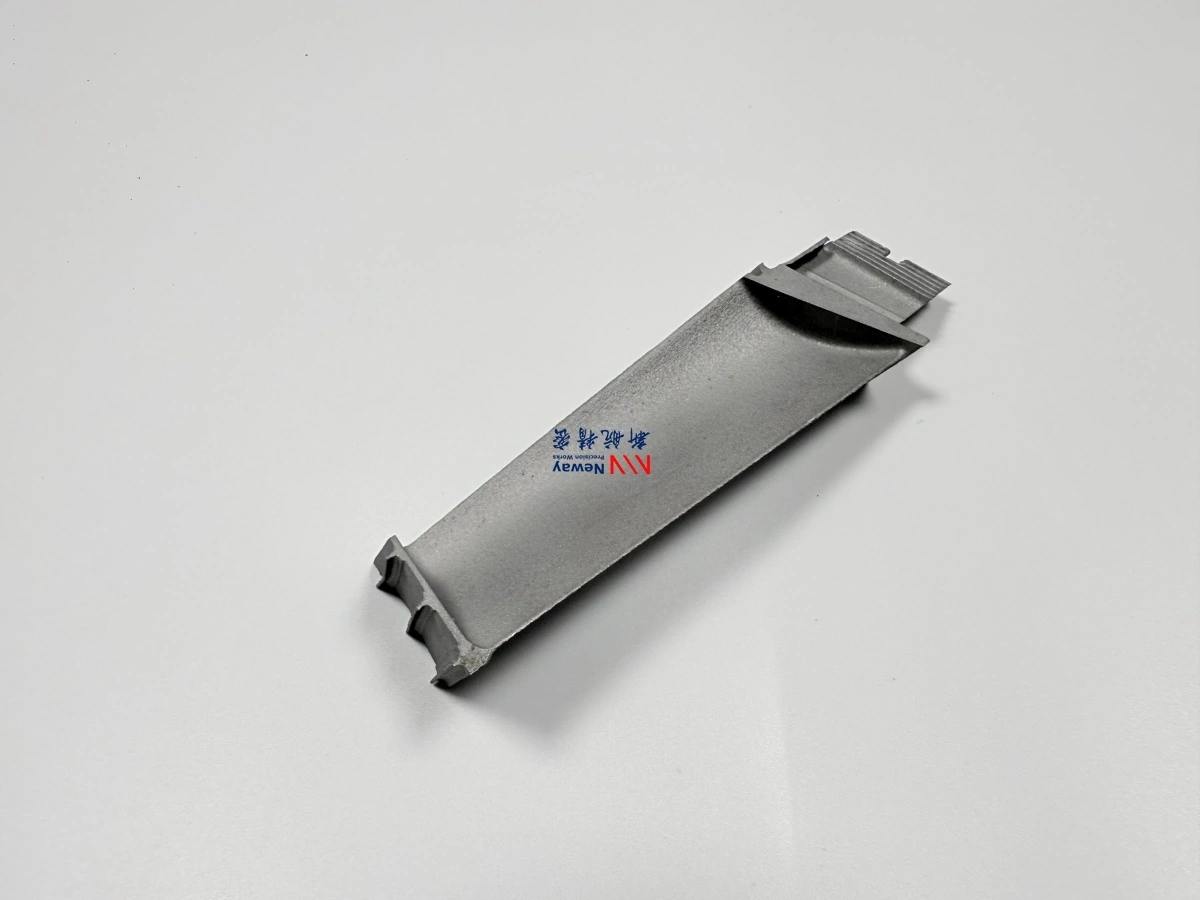
Blade Root, Airfoil and Bucket Scope
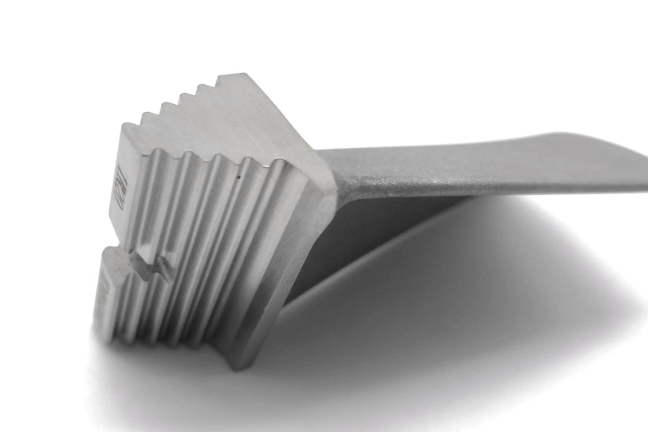
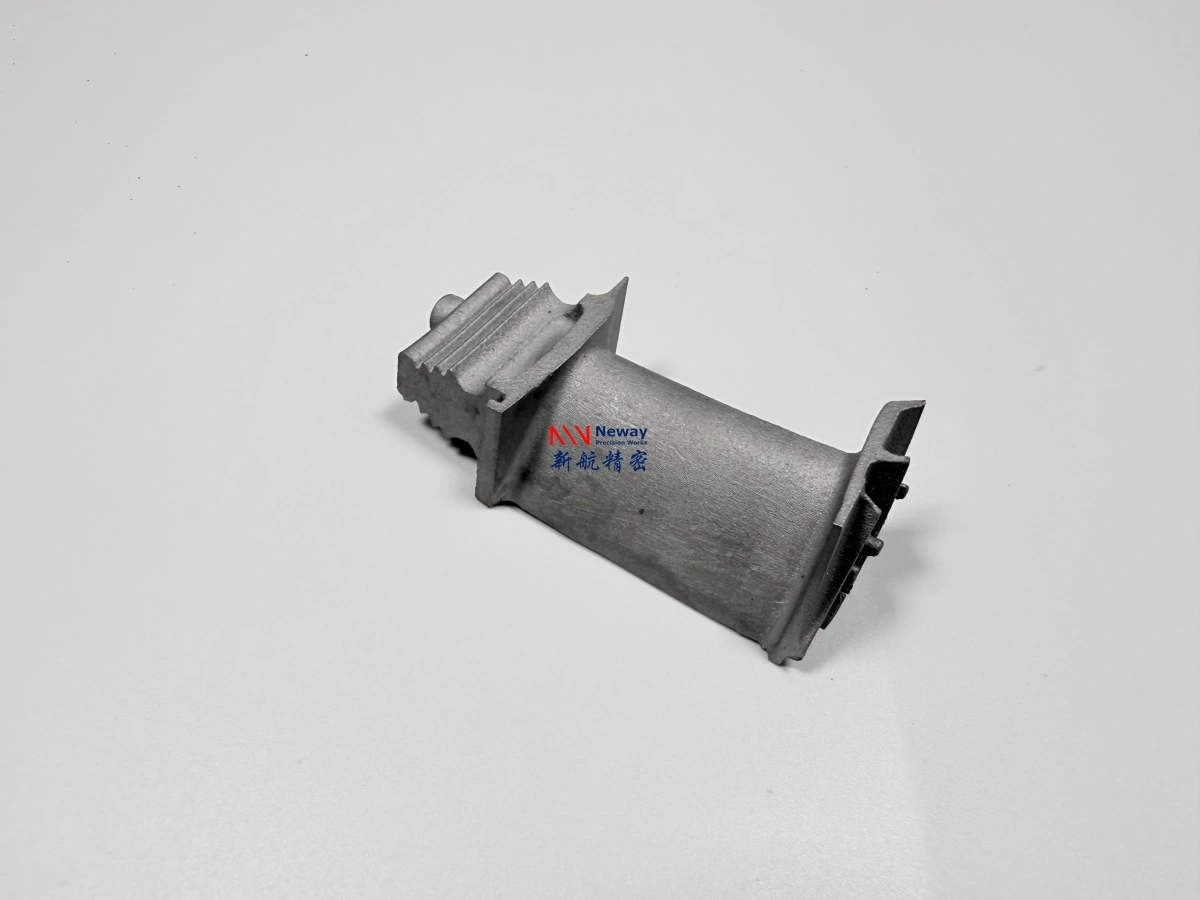
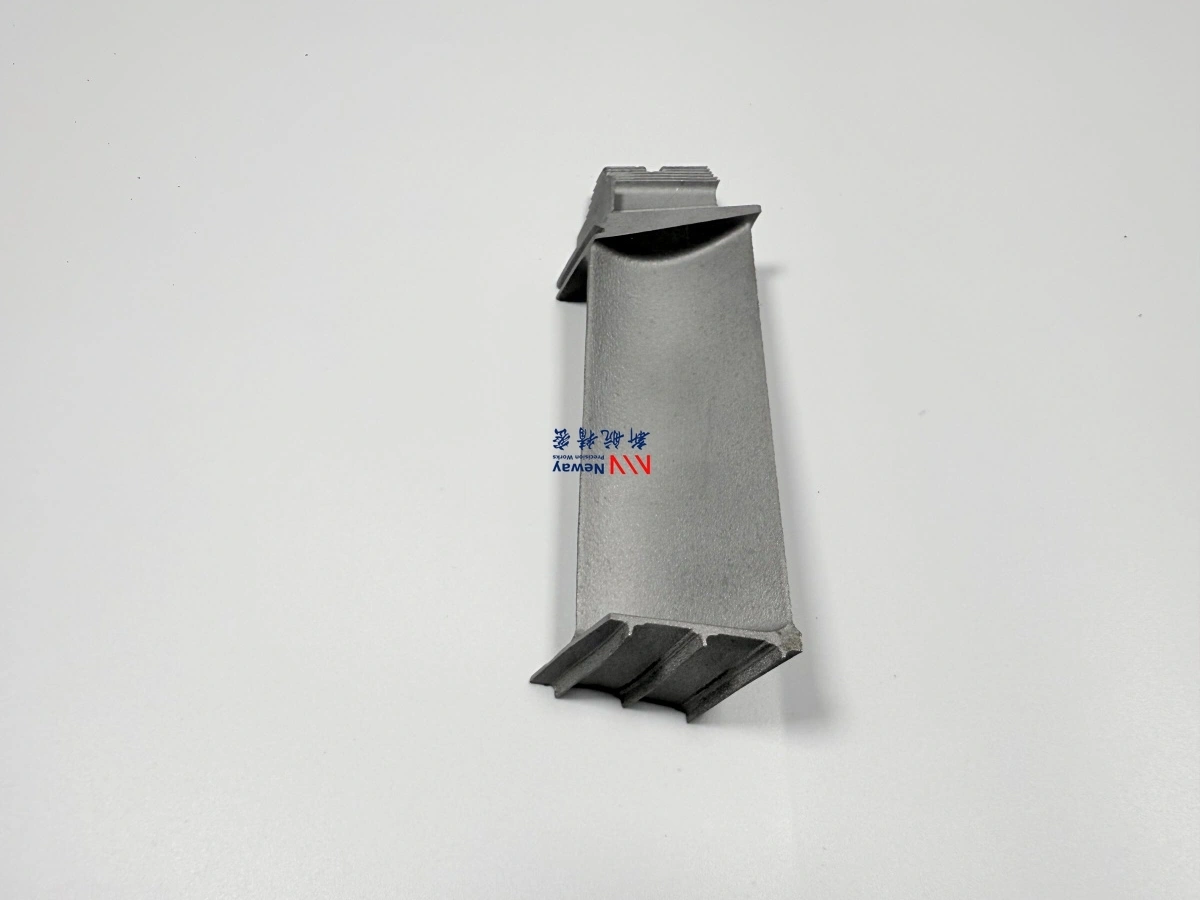
The first supplier review question is where the blade project starts and ends. A casting blank may include the airfoil, platform and approximate root stock, while the buyer controls final machining, coating and acceptance. A semi-finished blade may add heat treatment, HIP, datum preparation and rough machining. A finished blade package may include root form machining, platform faces, airfoil finishing allowance, cooling-hole or slot features, CMM reporting, FPI, X-ray review and material evidence. These are separate commercial scopes.
For industrial gas turbines and power-generation hot gas path work, the word blade may also mean bucket. Buyers should identify attachment form, platform step, shank area, tip feature, damping or seal area, and any cooling detail that changes wax pattern, ceramic shell, core strategy, machining access or inspection timing. If the supplier quotes only the casting while the buyer expects finished root geometry, the quotation will be misleading even when the alloy name and part title match.
Blade Zone | RFQ Decision | Manufacturing Review |
|---|---|---|
Root or fir-tree attachment | Is the root supplied as cast stock, rough machined, or finished to the buyer's drawing? | Requires datum planning, machining allowance, tool access review, CMM strategy, and possible EDM support. |
Airfoil surface | Is the airfoil near-net cast, polished, coated later, or left for buyer finishing? | Controls wax accuracy, casting cleanup, FPI timing, dimensional inspection and coating-preparation boundary. |
Platform and shank | Which faces control assembly clearance, sealing or mating surfaces? | May require controlled stock, machining sequence, flatness review and inspection before final release. |
Tip and cooling features | Are holes, slots, cavities or tip features included in the supplier scope? | May involve ceramic core review, EDM or drilling route, X-ray / CT discussion and feature-specific inspection. |
Crystal Route Choice by Blade Duty
The casting route should follow blade duty, alloy family and drawing requirement rather than a broad preference for one technology. Single crystal casting may be reviewed when the blade specification requires a single crystal structure and orientation control. Directional solidification casting may fit blades or buckets where columnar grain direction is specified. Equiaxed crystal casting may fit lower-duty or static-adjacent blade-like components when the drawing and application allow it.
Alloy names such as IN713LC, IN738LC, Rene 80, MAR-M247, CMSX-4, Rene N5 or cobalt-based superalloys do not settle the route alone. The buyer should state the required grain structure, orientation notes, heat treatment condition, acceptance evidence and whether first-article review is expected. NewayAeroTech can help review the requested route against geometry, material, quantity and inspection scope, but final application approval remains with the buyer's engineering process.
Blade Duty Question | Route Discussion | Evidence to Define Before Quote |
|---|---|---|
High-duty rotating blade with specified crystal orientation | Review single crystal feasibility, selector design assumptions, orientation requirement and defect acceptance boundary. | Alloy grade, orientation target, grain acceptance rule, drawing revision, sample reference and inspection method. |
Blade or bucket where columnar grain direction is specified | Review directional solidification route, growth direction, section transitions and post-cast inspection plan. | Crystal direction note, airfoil and root geometry, metallographic requirement, heat treatment notes and quantity. |
Lower-duty or geometry-driven blade-like component | Review equiaxed vacuum casting, wall thickness, shrinkage risk, machining stock and standard inspection scope. | Material grade, casting tolerance, heat treatment, FPI / X-ray requirement and delivery condition. |
Finished inspected blade package | Combine casting route with HIP, heat treatment, CNC, EDM, inspection and documentation responsibilities. | Datum scheme, root form requirement, critical surfaces, coating preparation notes and final report package. |
Blank, Semi-Finished or Finished Blade Delivery
A clear blade RFQ separates delivery condition from part name. A blank can be the right purchase when the buyer owns downstream processing and wants the supplier to deliver a cast shape with agreed cleanup and basic inspection. A semi-finished blade can be useful when the buyer wants the casting supplier to stabilize the part through thermal processing and rough datum work. A finished inspected blade package needs a much deeper review of machining, surface finish, root dimensions, airfoil allowance, inspection records and handoff for coating or assembly.
This distinction affects both risk and price. Tooling, wax control, ceramic shell work, core support, alloy charge, route trial, machining fixture, EDM access, inspection queue and reporting all change when the supplier moves from blank to finished component. Buyers comparing quotes should not put a raw casting supplier beside a supplier quoting root machining, CMM, FPI, X-ray, metallography and document control as if they were offering the same deliverable.
Delivery Condition | What Is Usually Included | Buyer Control Point |
|---|---|---|
Casting blank | Vacuum cast blade or bucket shape, gating removal, agreed cleanup and basic quality review. | Confirm who owns heat treatment, HIP, machining, coating preparation and final acceptance. |
Semi-finished blade | Casting plus selected thermal processing, rough machining, datum preparation or intermediate inspection. | Define stock allowance, surfaces intentionally left for later work, and inspection before transfer. |
Finished inspected component | Casting, heat treatment or HIP when specified, CNC / EDM work, surface preparation and defined reports. | Issue drawing tolerances, CMM requirements, FPI / X-ray scope, packaging and acceptance records. |
First article or trial lot | Route review, sample approval, dimensional feedback and adjustment before repeat quantity. | Separate trial quantity from future batch assumptions and define what evidence releases production. |
Cooling Features, Platforms and Machining Allowance
Cooling features are often where a blade quote becomes more than a normal investment casting job. Internal cavities, cooling passages, slots, tip features or airfoil holes can require ceramic core review, special shell support, EDM or drilling discussion, and additional inspection. Even when the buyer plans to machine or drill cooling features later, the casting supplier still needs to understand stock location, local wall thickness and surfaces that must not be over-cleaned.
Platforms and roots require similar attention. Platform faces may be linked to sealing or flow-path alignment. Root attachment stock may control final machining yield. Shank features and datum faces can decide whether CMM inspection is meaningful before or after machining. NewayAeroTech can review casting allowance, machining access and inspection timing from the drawing, but the buyer should clearly mark features that drive function, assembly or downstream coating preparation.
Inspection Evidence for Blade Release
Inspection evidence should be agreed before order release. For blade and bucket casting work, CMM confirms root datum relationships, platform faces, tip geometry and controlled interfaces when the part is machined or semi-finished. FPI or DPI helps review surface-breaking indications after casting cleanup, machining or finishing. X-ray inspection can support internal casting quality review, especially near heavier sections, root transitions, airfoil regions and complex geometry. Metallography and chemical analysis may be needed when material condition or crystal route evidence is part of the buyer's acceptance package.
The right evidence depends on the purchased scope. A blank may need different reports from a finished blade. A trial lot may need more dimensional feedback than a repeat batch. A crystal-route project may need orientation or microstructure evidence that an equiaxed casting project does not require. NewayAeroTech can quote inspection support when the buyer defines the acceptance standard, report format and features to be measured.
Blade Evidence | Blade-Specific Purpose | When Buyers Should Ask for It |
|---|---|---|
CMM report | Checks root stock or finished attachment, platform faces, datum references and critical dimensions. | Use for semi-finished or finished parts with controlled assembly interfaces. |
FPI / DPI | Reviews airfoil, platform, root transitions and visible hot gas path surfaces for surface indications. | Use after casting cleanup and again after machining if the drawing requires it. |
X-ray or radiographic review | Supports internal defect review in airfoil, root transition, platform and thick-to-thin areas. | Use when internal casting quality is part of release or geometry creates shrinkage concern. |
Metallography and chemistry | Supports material verification, heat condition review and crystal-route evidence where specified. | Use for material-sensitive projects, first article work or buyer-defined acceptance plans. |
RFQ Data That Changes a Blade Casting Quote
The most useful turbine blade RFQ includes a 2D drawing, 3D model, alloy grade, required crystal route, quantity, project stage, delivery condition, heat treatment notes, HIP requirement, machining tolerance table, surface finish requirement, coating or TBC preparation notes, and inspection standard. If a sample part is supplied, state whether it is a dimensional reference, an application reference, a worn maintenance sample, or only a visual reference. The supplier should not have to infer final root dimensions or acceptance evidence from a photo.
NewayAeroTech fits RFQs where the buyer needs custom manufacturing review for superalloy turbine blades, buckets and hot gas path components based on technical data. It is not a catalogue seller of original spare parts, and it does not replace the buyer's engineering validation. The strongest RFQ defines what the supplier must manufacture, what the buyer will validate, and where blank, semi-finished and finished responsibilities separate.
Related FAQs
Can NewayAeroTech support custom single crystal blade manufacturing
What information is needed to quote single crystal turbine blade
Which inspections are used for single crystal blade castings?
What Are the Main Post-Processing Steps for Superalloy Turbine Blades?
What advantages does single-crystal casting offer over traditional turbine blade casting?
What Role Does Hot Isostatic Pressing Play in Turbine Blade Post-Processing?
How Does Thermal Barrier Coating Help Extend Turbine Blade Lifespan?
For turbine blade or bucket RFQs, send the drawing package, model, material grade, quantity, required casting route, delivery condition, critical surfaces, post-processing scope and inspection standard. NewayAeroTech can review the project and suggest a custom manufacturing route for suitable superalloy blade and hot gas path component requirements.