Can NewayAeroTech support custom single crystal blade manufacturing
Can NewayAeroTech support custom single crystal blade manufacturing?
NewayAeroTech can support custom single crystal blade manufacturing when the project is based on customer drawings, samples, specifications, and engineering requirements that can be reviewed for feasibility. The support is for custom manufacturing routes, not standard OEM spare-part resale or original inventory supply.
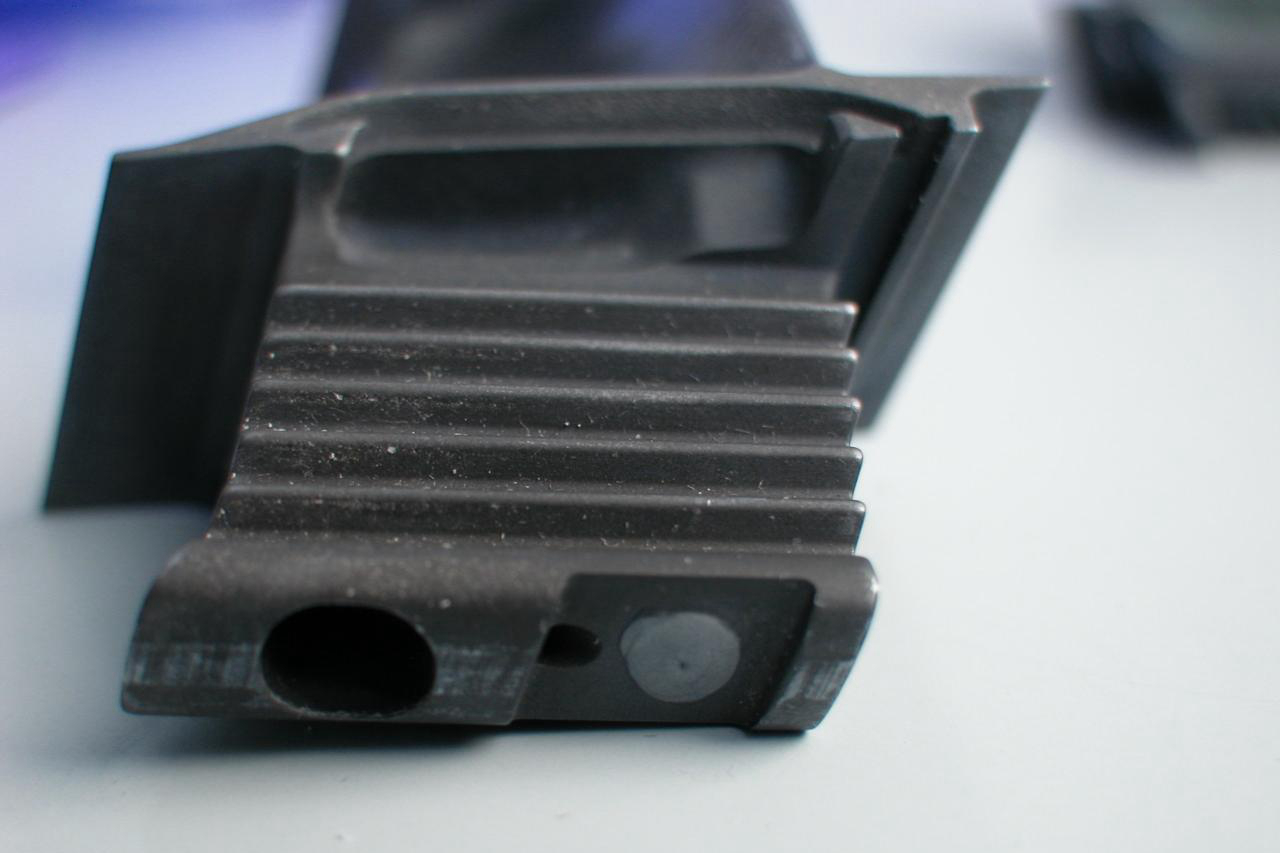
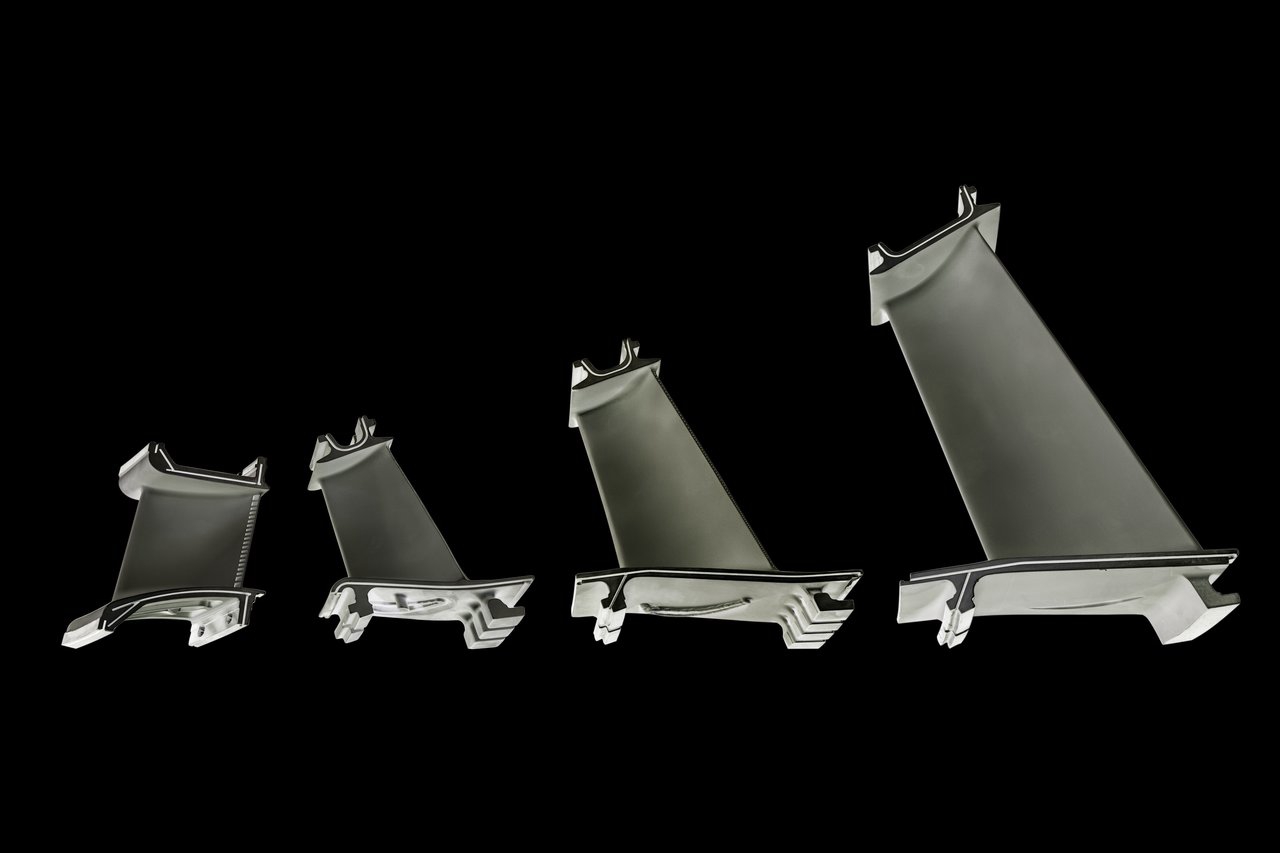
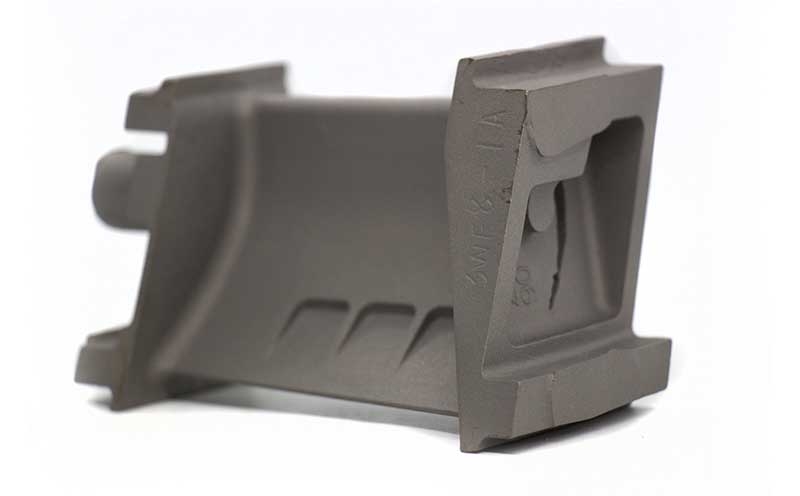
A suitable inquiry usually starts with single crystal turbine blade casting, then adds material selection, heat treatment, post-processing, machining, inspection, and documentation requirements as needed. Typical material discussions may involve CMSX-4, CMSX-10, Rene N5, or other nickel-based single crystal superalloys, depending on the drawing and customer specification.
Suitable Project Types
Suitable projects include turbine blade development, replacement manufacturing based on customer-controlled data, sample-based engineering review, and repeat production where drawings and acceptance requirements are available. NewayAeroTech needs enough technical data to decide whether the single crystal route, alloy, geometry, and inspection scope are realistic.
Projects are not suitable when the buyer expects NewayAeroTech to sell original OEM inventory, guarantee compatibility without drawings, or confirm unprovided certifications and approvals. Those claims must come from verified customer documents, not from article language or supplier assumptions.
Buyer Requirement | NewayAeroTech Review | Expected RFQ Data |
|---|---|---|
Custom blade casting | Single crystal route and alloy feasibility | Drawing, model, material grade, quantity |
Finished blade supply | Machining, EDM, coating preparation, and inspection scope | Critical dimensions, datums, surface notes |
Inspection package | FPI, X-ray, CMM, metallography, certificates if required | Acceptance standard and report format |
Repeat production | Route repeatability and documentation control | Revision history, lot quantity, delivery records |
If the request starts from a sample, the buyer should explain whether the sample is only a reference or whether it controls acceptance. Those are different routes and should not be treated as the same RFQ.
Manufacturing Route and RFQ Package
Buyers should state whether the project is prototype, pilot, repair-market support, replacement manufacturing, or repeat production. That commercial stage affects fixture planning, sample validation, inspection templates, and documentation expectations.
Finished parts may also need superalloy post-processing after casting, especially when heat treatment, HIP review, EDM, coating preparation, or final machining is included in the purchasing scope. Send drawings, material grade, target quantity, inspection standards, coating notes, and any sample or application background. NewayAeroTech will review the information and respond with a manufacturing route, open questions, and feasibility notes subject to engineering review.
The suitable scope can include casting blanks, semi-finished blades, or finished parts when the required post-processing and inspection records are defined. It does not include unsupported claims about original OEM inventory, guaranteed interchangeability, or approvals that are not provided in the buyer's documents.
For finished blades, the review may also cover root machining, EDM details, coating preparation, CMM reporting, FPI, X-ray, metallography, and material documentation when those items are required by the drawing or purchase specification.
For a first review, the RFQ does not need to be perfect, but it should include drawing or sample information, alloy requirement, quantity, target supply condition, and inspection expectations. NewayAeroTech can then identify open questions, confirm whether the project fits custom manufacturing, and keep the quotation tied to verifiable documents rather than catalogue-style spare-part language.