Supplier Review for Single Crystal Turbine Blade Casting Projects
Supplier Review for Single Crystal Turbine Blade Casting Projects
Direct Answer Summary
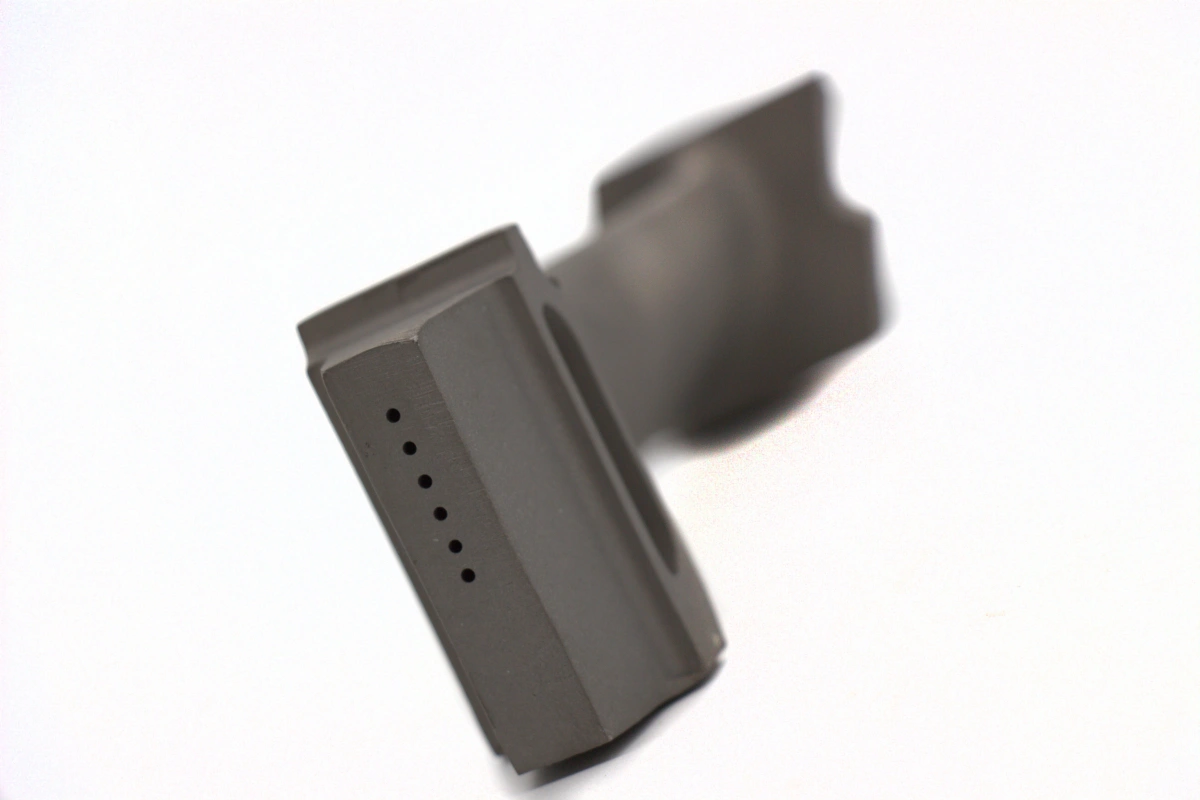
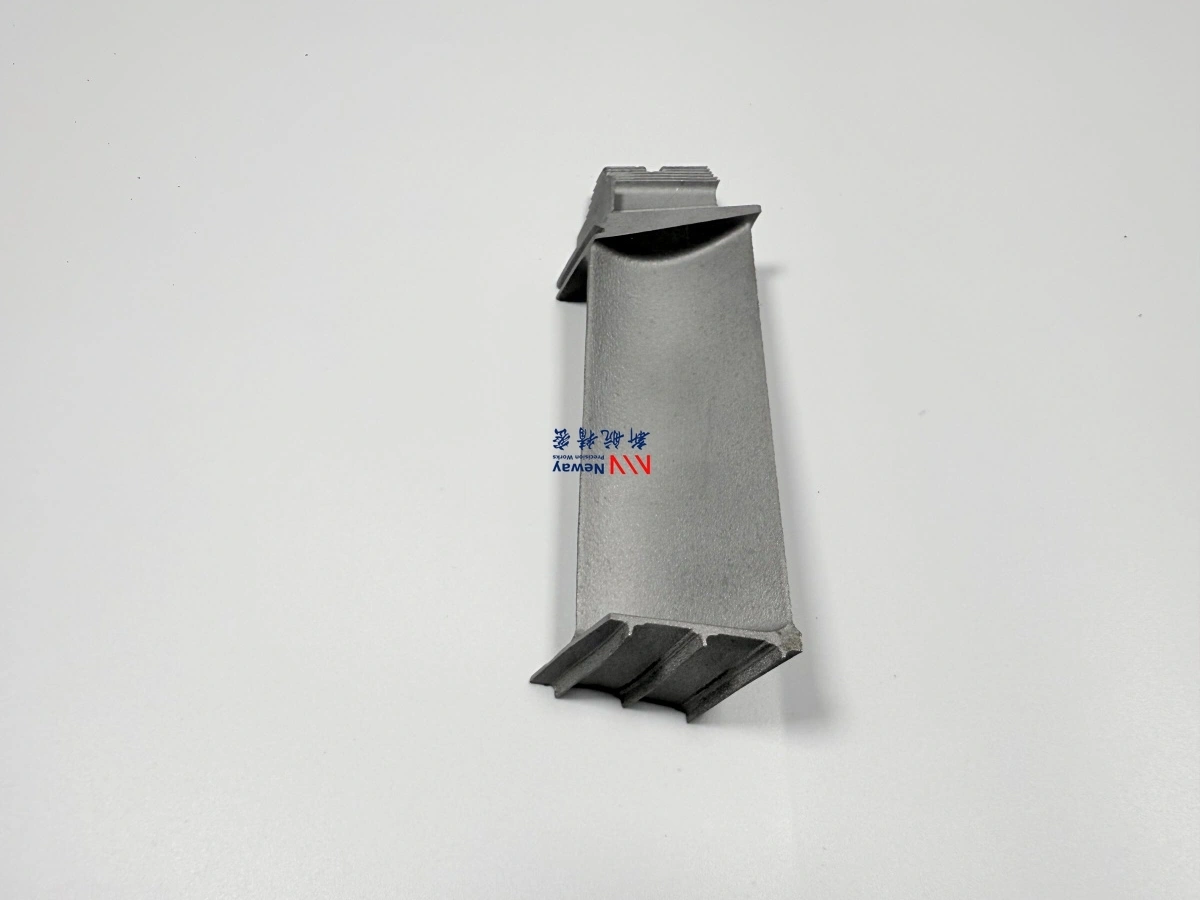
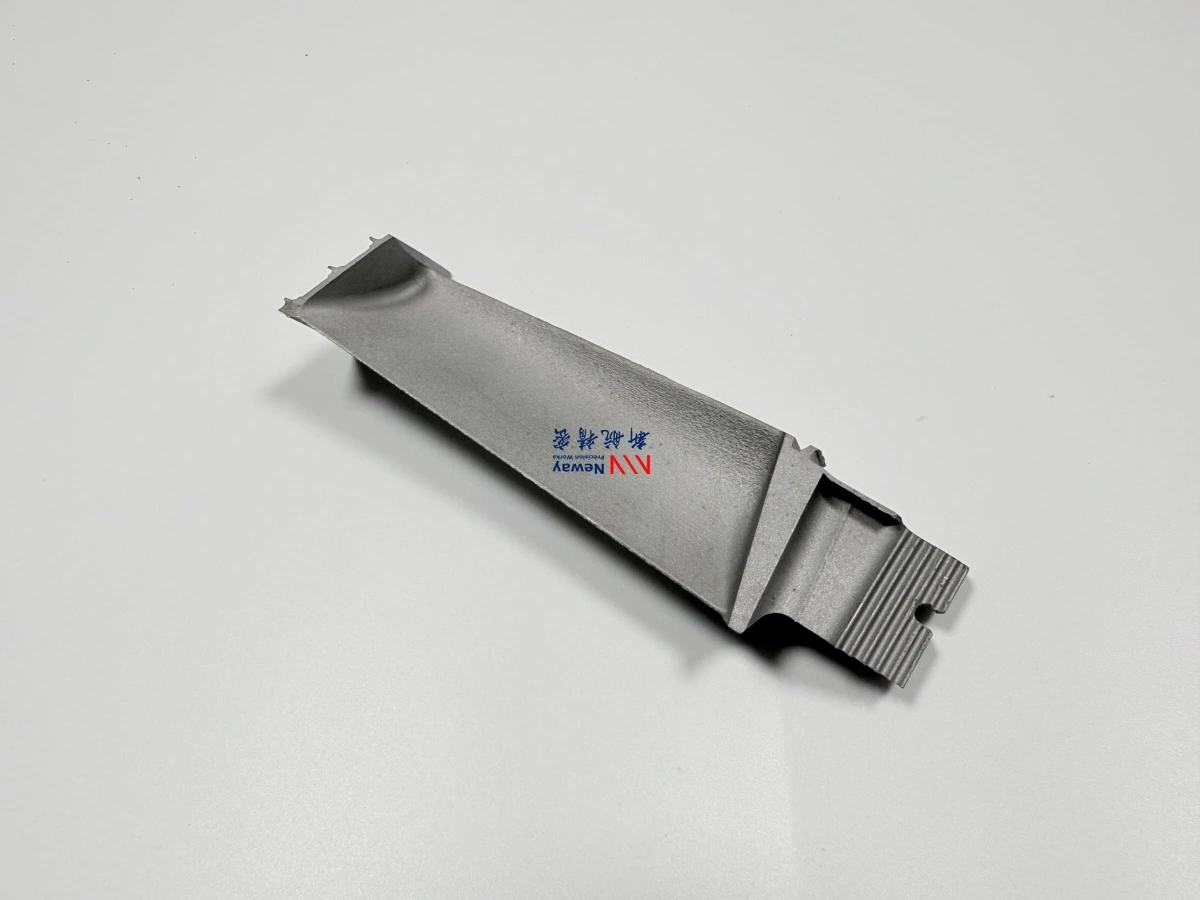
Supplier Review for Single Crystal Turbine Blade Casting Projects is a purchasing and engineering topic for buyers evaluating single crystal turbine blade casting supplier review. The decision should connect CMSX-4, CMSX-10, Rene N5, and nickel-based superalloys, single crystal casting, heat treatment, HIP review, CNC machining, EDM, coating preparation, FPI, X-ray, CMM, and metallography, single crystal turbine blades and hot-section components, inspection evidence, and RFQ scope. NewayAeroTech reviews custom turbine and hot-section component projects from customer drawings, samples, specifications, and engineering requirements, with single crystal turbine blade casting as the main route reference for this cluster.
Why the Route Matters for Turbine and Hot-Section Components
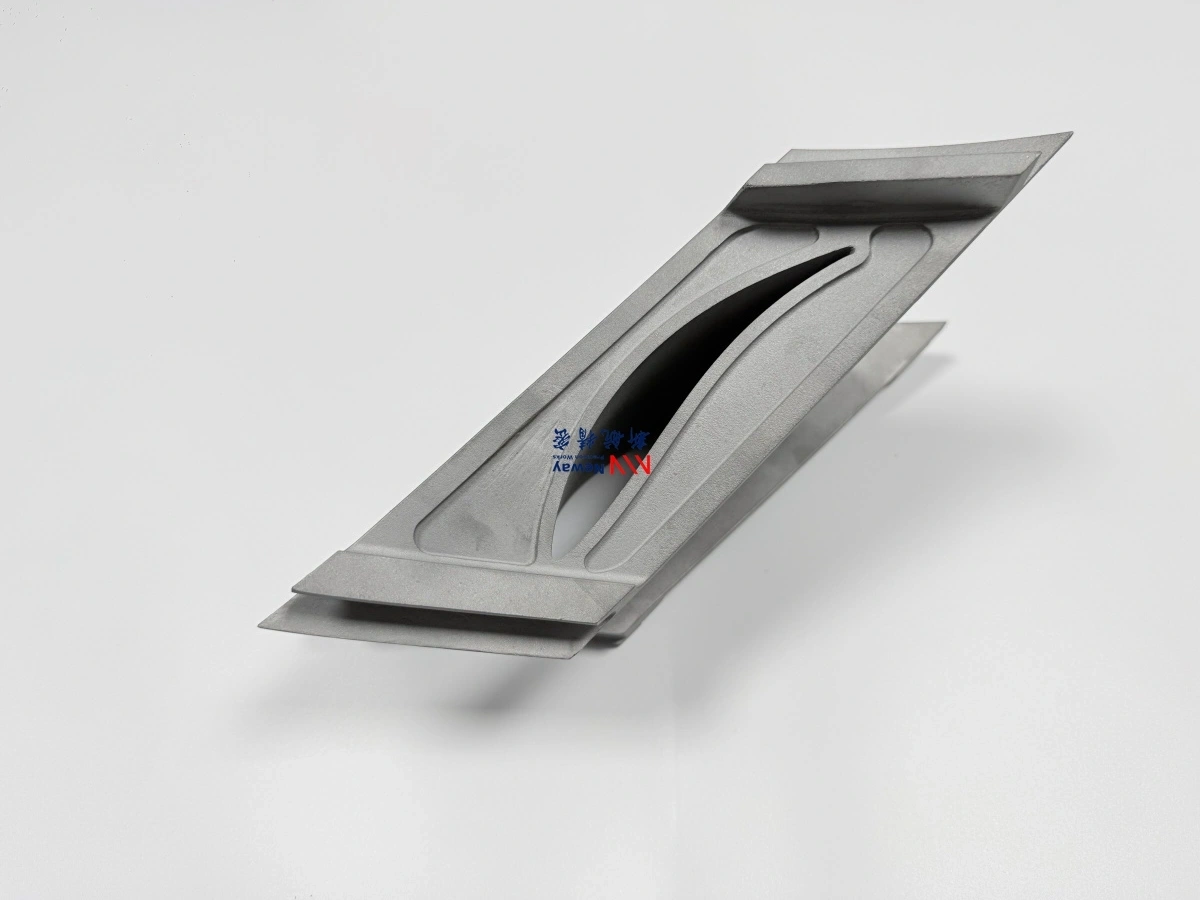
Single crystal turbine blade casting is not only a casting purchase. It is a route decision involving alloy selection, grain-control requirements, heat treatment, HIP review, EDM or CNC finishing, coating preparation, and final inspection. For aerospace engines, UAV turbine engines, industrial gas turbines, and power-generation hot sections, the route must be clear before supplier comparison.
Drawing review should start with the surfaces that control fit, sealing, cooling flow, or rotation. For single crystal turbine blade casting supplier review, these features decide whether casting tolerance, machining allowance, EDM detail work, or coating preparation must be specified before quotation. NewayAeroTech uses this review to separate manufacturable notes from assumptions that can cause cost changes later.
A clear RFQ should list required documents separately from preferred documents. For example, mandatory CMM reports, material certificates, FPI records, X-ray acceptance, coating records, or packaging notes should not be buried in general comments. Separating these items helps NewayAeroTech return a quote that reflects the real manufacturing and quality scope.
Supplier comparison should include communication quality, not only equipment lists. A useful supplier response explains assumptions, asks for missing RFQ data, identifies inspection gaps, and states which process steps are subject to engineering review. That response gives procurement teams a stronger basis for negotiation than broad claims about capability.
Material, Process, Component and Application Matrix
Material | Process | Typical Components | Applications |
|---|---|---|---|
CMSX-4 | Single crystal casting, heat treatment, FPI, X-ray, CMM | Turbine blades, blade airfoils, platforms | Aerospace engines and UAV turbine engines |
CMSX-10 | Single crystal casting and specification-based route review | High-temperature turbine blades | Advanced turbine hot-section projects |
Rene N5 | Single crystal or advanced superalloy casting route review | Turbine blades and related airfoil components | Industrial gas turbines and power generation |
Nickel-based superalloys | Casting, HIP review, CNC machining, EDM, coating preparation | Vanes, nozzles, shrouds, heat shields | Gas turbine and energy applications |
Material confirmation is more than naming a family such as nickel-based superalloy. The RFQ should state the exact grade, equivalent standard, heat treatment condition, certificate need, and whether a customer specification controls chemistry or mechanical testing. This keeps the supplier from quoting a route that looks acceptable commercially but cannot satisfy the drawing package.
Heat treatment and post-processing should be discussed before the buyer locks the commercial comparison. Some superalloy parts need stabilization, solution treatment, aging, HIP, stress relief, TBC preparation, oxidation-resistant coating, or final machining after thermal processing. If these steps are missing from the first inquiry, the first price may not represent the part that must actually ship.
Before order release, the buyer should align the drawing revision, purchase specification, inspection standard, and delivery documentation. Small mismatches between these files can create avoidable rework, especially for turbine blades, vanes, shrouds, heat shields, nozzles, seal segments, and other hot-section parts. NewayAeroTech prefers to clarify these points before production so the manufacturing route and acceptance route stay connected.
Manufacturing Route from Drawing Review to Inspection
Manufacturing Step | Engineering Purpose |
|---|---|
Engineering review and DFM | Review drawing, 3D model, alloy note, critical surfaces, datum features, and application background. |
Material selection | Confirm CMSX, Rene, or customer-specified nickel-based superalloy requirements. |
Single crystal casting route | Plan casting method, grain-control requirements, geometry risk, and sample validation needs. |
Post-processing | Review heat treatment, HIP, EDM, CNC machining, coating preparation, and surface condition. |
Final inspection | Define FPI, X-ray, CMM, metallography, dimensional report, and delivery documentation. |
Inspection planning should be tied to the failure mode of the part. A hot-section blade or vane may need FPI, X-ray, CMM, metallography, or dimensional records, while a machined feature may need tighter datum control and clear drawing revision history. When the inspection package is defined early, purchasing teams can compare suppliers on evidence instead of broad quality claims.
Geometry review is also a cost driver. Thin walls, internal ribs, cooling passages, sealing faces, datum features, and deep holes can change tooling, casting risk, EDM access, machining setup, and inspection method. NewayAeroTech checks these features against the proposed route so the quote is not based only on material grade.
Packaging and delivery assumptions should also be visible when the component has finished sealing faces, coating, or machined datums. Protective handling, part marking, batch traceability, and document format can affect the final supply scope even when they do not change the metalworking process.
When Should Buyers Choose This Manufacturing Route?
Buyers should choose this route when the part is a custom turbine blade or hot-section component and the drawing requires single crystal casting, superalloy control, high-temperature service, and inspection evidence. It is suitable for procurement engineers and project teams that need a supplier to review manufacturing feasibility, not only quote a part name.
Commercial review should also define whether the order is prototype, pilot, repair, replacement, or repeat production. Prototype work may accept more engineering feedback during route development, while repeat production usually needs stable fixtures, inspection templates, and clearer lot documentation. That distinction affects price, lead time, and the amount of process validation required before approval.
Buyers should ask whether the supplier will deliver a blank, a semi-finished component, or a fully machined and inspected part. Those three scopes can use the same drawing name but require different responsibilities for allowance control, datum transfer, surface condition, and final acceptance evidence. A clear scope reduces disputes after the first article or sample lot is reviewed.
The most useful inquiry gives NewayAeroTech enough detail to say yes, no, or subject to engineering review with a clear reason. That answer is more valuable than a generic capability statement because it connects the buyer's part geometry, material risk, inspection evidence, and commercial timing in one decision path.
Quality Control and Inspection Requirements
Quality control should be named in the RFQ. Depending on project requirements, the package may include CMM inspection, FPI or DPI, X-ray or radiographic testing, metallographic inspection, chemical composition analysis, hardness testing, tensile testing, heat treatment records, and dimensional inspection reports. superalloy post-processing may also be relevant when heat treatment, HIP review, CNC machining, EDM, or coating preparation is part of the supply scope. CMM inspection should be specified when dimensional reporting is required for root features, platforms, sealing faces, or datum structures.
For aerospace engines, UAV turbine engines, industrial gas turbines, energy systems, and oil-and-gas high-temperature service, application context helps set risk level. The same alloy may be acceptable in one environment and unsuitable in another if oxidation, creep, corrosion, fatigue, or wear is not considered. NewayAeroTech uses this context to keep the recommendation engineering-led and commercially realistic.
For custom turbine and hot-section components, NewayAeroTech does not quote from a standard OEM spare-parts shelf. We review drawings, samples, material notes, quantities, and inspection requirements, then suggest a manufacturing route that may combine casting, heat treatment, HIP, CNC machining, EDM, coating, and final inspection. This supplier fit matters when the buyer needs production support rather than catalogue replacement inventory.
Supplier Fit for NewayAeroTech
Project Requirement | NewayAeroTech Fit |
|---|---|
Custom superalloy turbine parts | Suitable when the buyer provides drawings, material grade, quantity, and inspection requirements. |
Drawing-based manufacturing | Suitable for projects based on 2D drawings, 3D models, samples, specifications, and engineering requirements. |
Vacuum casting + CNC machining projects | Suitable when casting, heat treatment, HIP review, CNC machining, EDM, coating preparation, and inspection must be reviewed together. |
Small to medium batch production | Suitable subject to geometry, alloy, tooling, inspection, and documentation requirements. |
High-temperature alloy inspection | Suitable when CMM, FPI, X-ray, metallography, chemical analysis, hardness, or mechanical testing records are required. |
Standard OEM spare parts resale | Not the main choice. NewayAeroTech does not sell original OEM inventory parts. |
Low-cost general metal parts | Not the best fit when the project does not require superalloy, turbine, hot-section, or inspection capability. |
RFQ Checklist for a Useful Quote
RFQ Information | Why It Matters |
|---|---|
2D drawing | Defines dimensions, datum references, tolerances, and inspection notes. |
3D model | Helps review geometry, tooling, machining allowance, and feature access. |
Material grade | Confirms CMSX, Rene, Inconel, or other superalloy requirements. |
Quantity | Separates prototype, pilot, and repeat production quotation logic. |
Tolerance | Affects CNC machining, CMM inspection, fixture planning, and acceptance risk. |
Surface finish | Influences machining, coating preparation, polishing, and inspection scope. |
Heat treatment requirement | Defines thermal processing and required records. |
Coating requirement | Clarifies TBC, oxidation-resistant coating, or surface-preparation scope. |
Inspection standard | Controls FPI, X-ray, CMM, metallography, certificates, and report format. |
Working temperature or application environment | Helps evaluate material, process, coating, and risk level. |
Sample part if available | Supports replacement review, reverse-engineering discussion, and feature confirmation. |
Conclusion
single crystal turbine blade casting supplier review is suitable when the buyer needs custom manufacturing support for superalloy turbine blades, blade airfoils, and hot-section components. NewayAeroTech can review casting, post-processing, machining, coating, and inspection scope based on drawings, material requirements, quantity, and acceptance standards.
For quotation, send the drawing package, material grade, quantity, tolerance requirements, surface condition, heat treatment or coating notes, and inspection standards.
Related FAQs
FAQ
What information is needed to quote single crystal turbine blade
When should buyers choose CMSX-4 or CMSX-10 for turbine blades?
Which inspections are used for single crystal blade castings?
How do stray grains affect single crystal turbine blade projects?
Can NewayAeroTech support custom single crystal blade manufacturing