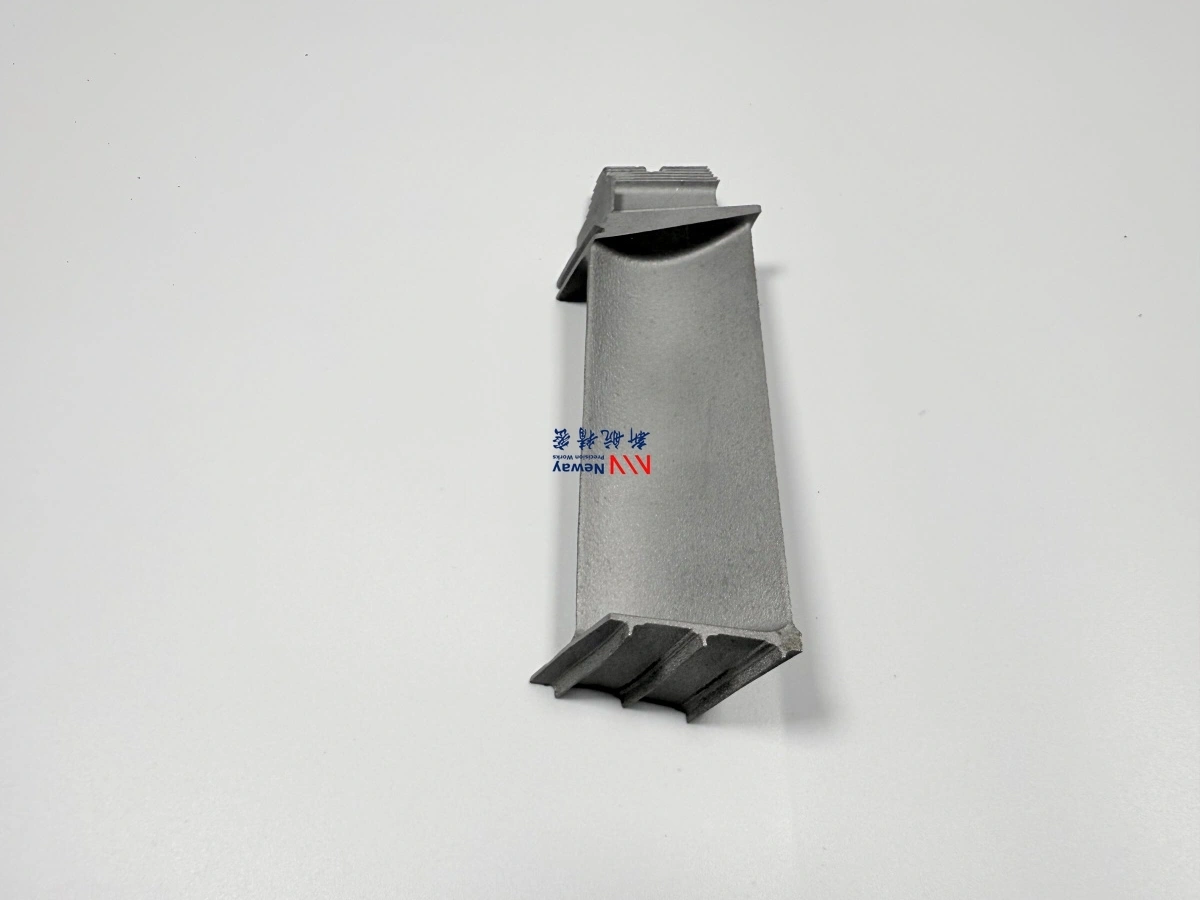
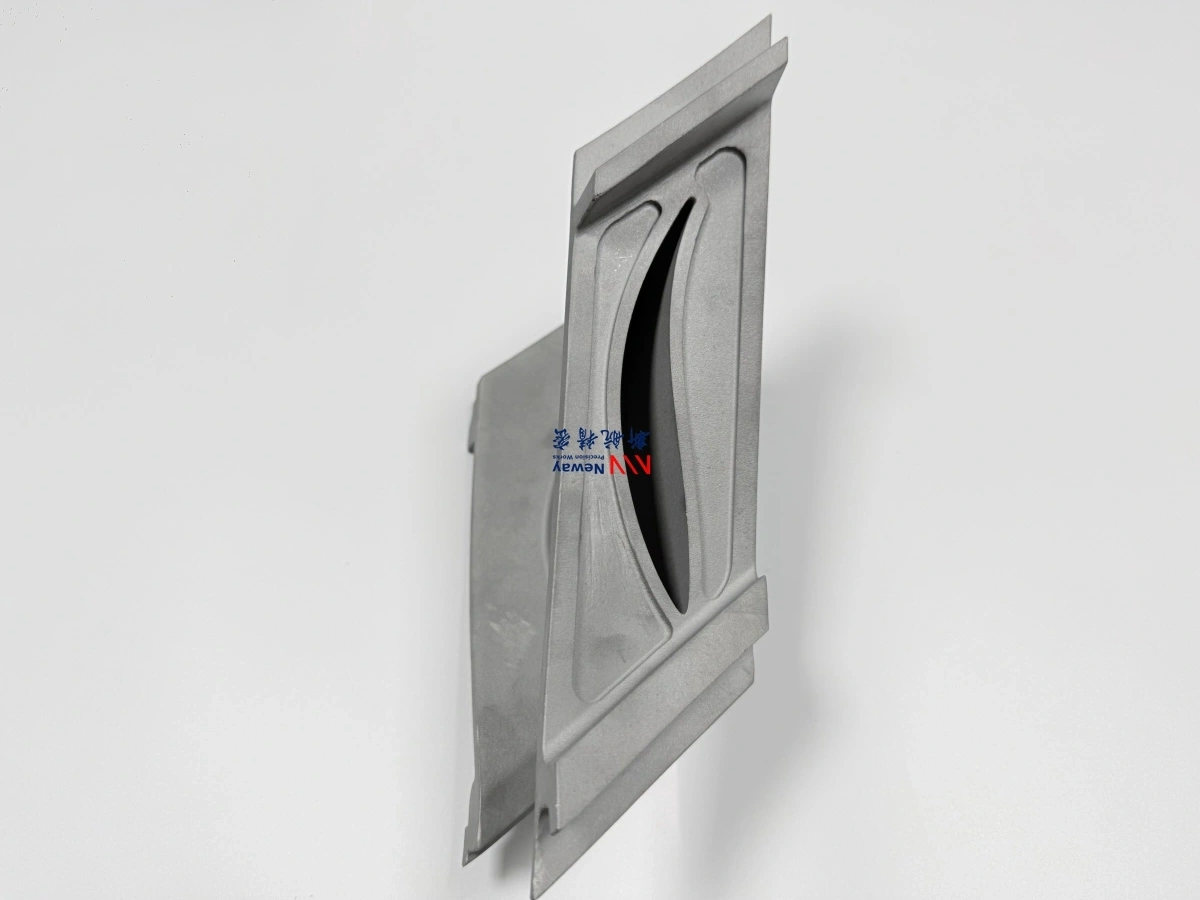
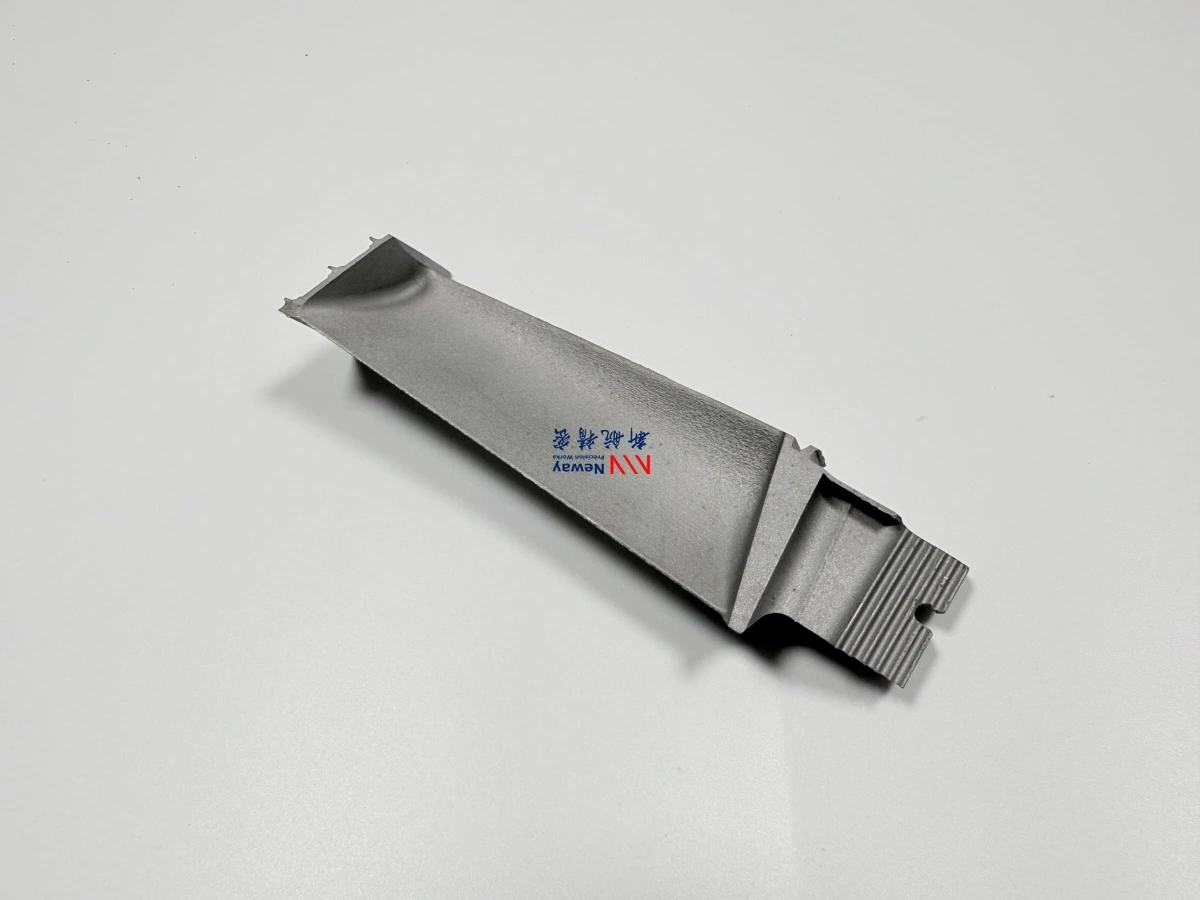
Rene N5 Single Crystal Blade Casting for Gas Turbine Maintenance
A Rene N5 maintenance blade RFQ starts with the condition of the used sample, not with a clean drawing assumption. Wear, deformation, oxidation, coating residue, missing edges, previous repair marks and unknown service history can all distort the geometry that a supplier sees. This article is different from a CMSX-4 new-build single crystal checklist because the buyer's main problem is sample-based manufacturing: how to separate useful reference data from damaged-service evidence while keeping the non-OEM boundary and first-article validation clear.
NewayAeroTech can review custom Rene N5 and nickel-based single crystal blade projects for gas turbine maintenance when the buyer provides drawings if available, sample parts, photos, dimensional data, material requirements, quantity, delivery condition, inspection standards and validation expectations. The discussion may include single crystal casting, heat treatment, HIP treatment if required, superalloy CNC machining, EDM, FPI, X-ray inspection, CMM inspection, metallography, chemical analysis and coating-preparation review, depending on the agreed scope.
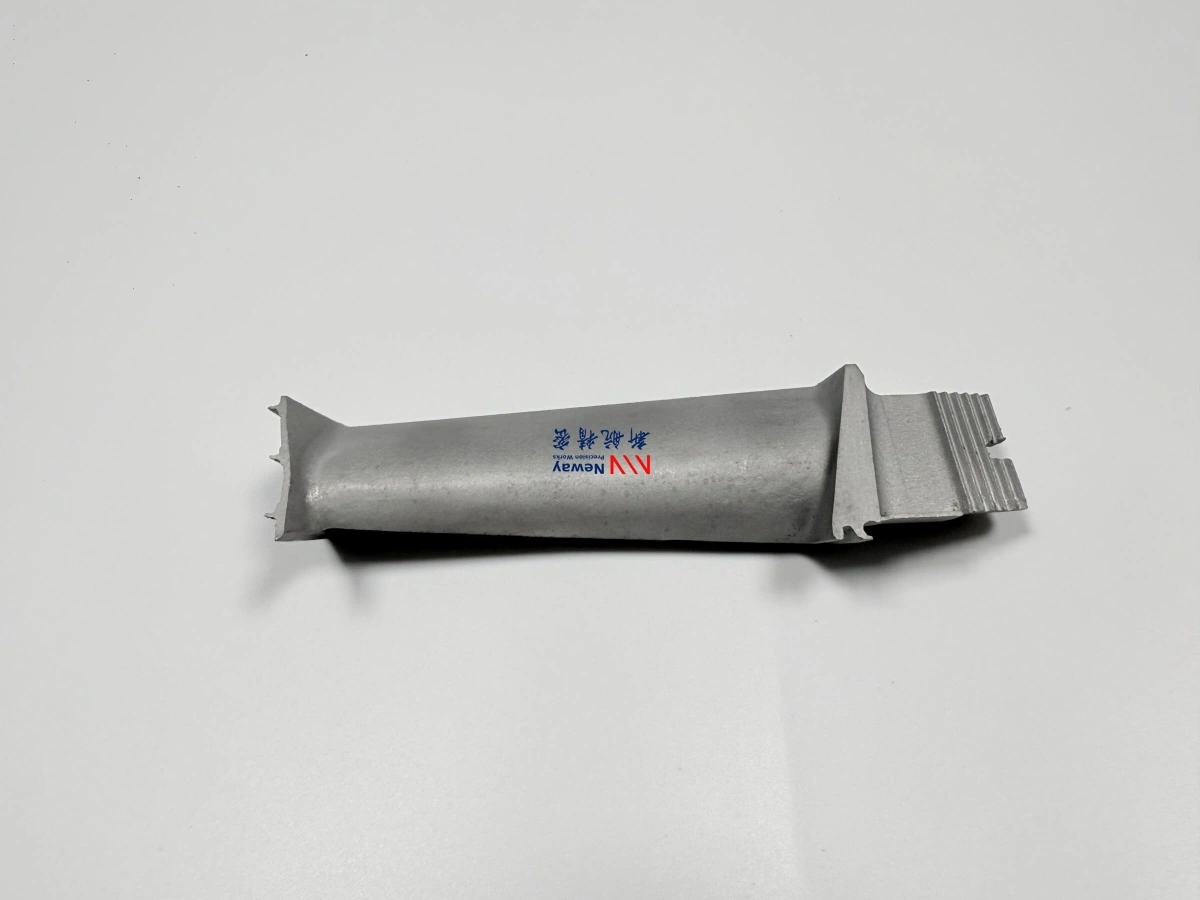
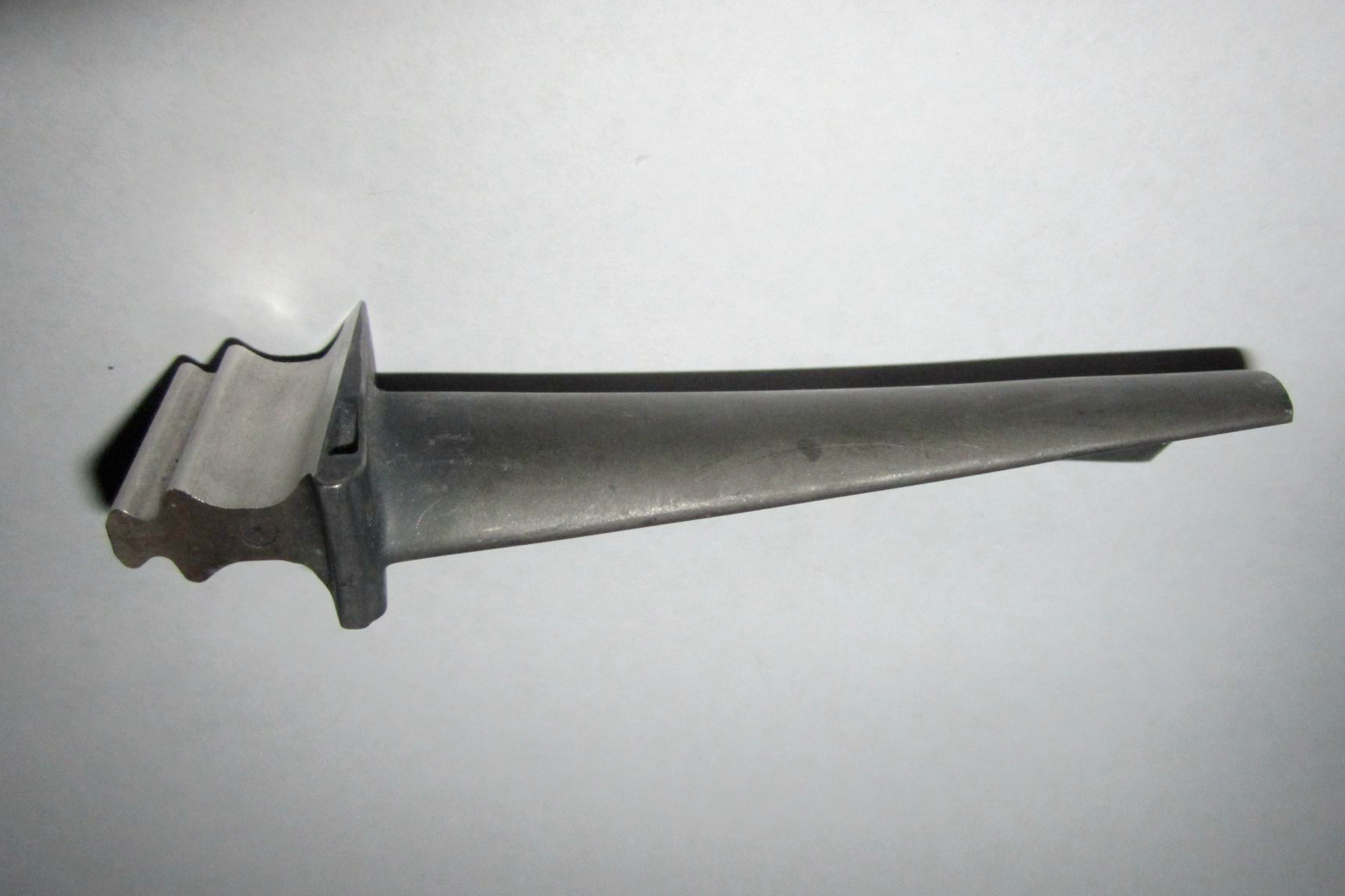
Used Sample Condition Before RFQ
For maintenance-market blade work, the sample is often damaged by operation. The supplier should not treat every measured surface as original design geometry. Leading and trailing edges may be worn, the tip may be oxidized or rubbed, platform areas may carry coating residue, and the root or shank may show deformation from service or removal. If the buyer has an original drawing, it should control the manufacturing geometry. If the buyer has only a used sample, the RFQ must define how dimensional capture, engineering review and first-article approval will handle uncertainty.
NewayAeroTech can review a used Rene N5 blade sample as a custom manufacturing reference, but the sample does not remove the need for buyer validation. The buyer should mark which surfaces are reliable, which areas are worn, which features must be reconstructed from engineering judgment, and which dimensions need confirmation before repeat production. That distinction protects both sides from treating service damage as design intent.
Sample Condition | RFQ Risk | Buyer Evidence to Send |
|---|---|---|
Worn airfoil edge | The measured edge may no longer represent the original contour or finish allowance. | Photos, 3D scan data if available, drawing reference, and notes on acceptable reconstruction. |
Deformed root or shank | Attachment geometry may be distorted by service load, removal or handling damage. | Known datum references, usable sample areas, CMM data and buyer validation plan. |
Oxidized or rubbed tip | Tip height and local surface may not represent new-part geometry. | Tip requirement, operating wear notes, sample photos and desired delivery condition. |
Coating residue or repair marks | Surface thickness and material condition can hide base-metal geometry. | Coating boundary, cleaning expectation, section notes and areas excluded from measurement. |
Wear, Deformation and Oxidation Review
Wear and oxidation change how a Rene N5 maintenance RFQ should be interpreted. A buyer may see a blade shape and ask for a replacement-like component, while a manufacturing supplier sees missing material, thermal exposure, local swelling, coating loss and uncertain datum references. The RFQ should explain which damage is normal service wear, which areas are broken or missing, and whether the buyer has another sample or drawing to cross-check geometry.
Deformation is especially important for single crystal blade work because the route must be based on intended geometry, not on a bent or damaged service sample. If the root, platform or airfoil is distorted, a direct copy can build error into tooling and inspection. Buyers should provide photos from several angles, any previous measurement records, and a clear statement of what NewayAeroTech should use as reference for custom manufacturing review.
Coating Residue and Surface Cleanup Boundary
Maintenance samples may carry thermal barrier coating residue, oxidation-resistant coating, diffusion coating remains, or locally stripped areas. The RFQ should state whether NewayAeroTech is reviewing a casting and machining project only, a coating-preparation boundary, or a broader process sequence that includes surface cleanup before measurement. A coated or partially stripped blade may not show the base-metal surface clearly enough for direct dimensional capture.
Surface cleanup also affects inspection. FPI should normally be discussed after relevant surfaces are cleaned, but aggressive cleaning can change the sample reference if the buyer is relying on a worn blade for dimensions. For new custom parts, coating preparation should be separated from coating application when the supplier scope stops before final coating. Buyers should identify masking areas, surfaces left for later processing and acceptance evidence required before handoff.
MRO Boundary Item | What NewayAeroTech Can Review | Buyer Responsibility |
|---|---|---|
Used sample measurement | Dimensional capture approach, reliable reference areas and missing information. | Decide which sample features represent intended geometry and approve reconstructed dimensions. |
Non-OEM manufacturing boundary | Custom manufacturing feasibility from buyer-provided data and sample references. | Confirm legal, procurement, application and final validation responsibilities for the maintenance project. |
Coating residue | Whether residue affects measurement, surface inspection and coating-preparation handoff. | Define coating removal, masking areas, final coating responsibility and acceptance requirements. |
First article approval | Trial route, inspection package and feedback loop before repeat quantity. | Review first article evidence and release or revise the route before batch manufacturing. |
Reverse Engineering Limit and Non-OEM Boundary
Sample-based maintenance work needs a clear reverse engineering limit. NewayAeroTech can review manufacturability, dimensional capture needs, casting route, machining boundary and inspection evidence for custom parts made from buyer-provided data. That is different from claiming original platform status, original spare-part inventory or application approval. The buyer should define the project as custom manufacturing and keep validation responsibility within its own engineering and procurement process.
The non-OEM boundary should be written into the RFQ language. Useful wording explains that the buyer is requesting a custom-manufactured component based on its drawings, samples, specifications and validation requirements. The supplier review can cover Rene N5 single crystal casting feasibility, post-processing, machining and inspection, but it should not imply official replacement status or approval for a particular engine or turbine platform unless the buyer separately provides such authority and documentation.
First-Article Validation for Sample-Based Blades
First-article validation is the control point for sample-based Rene N5 blade work. A trial part helps the buyer compare intended geometry, material route, crystal requirement, machining condition and inspection evidence before committing to repeat quantity. This is not a promise that one sample defines every dimension. It is a structured way to expose uncertainty and make decisions before tooling or process assumptions become expensive.
The first-article plan should define dimensional reports, surface inspection, material verification, crystal-orientation evidence if required, and review of any surfaces affected by sample wear or coating residue. If the buyer requires changes after review, the route, tooling, machining allowance or inspection plan may need revision. NewayAeroTech can support this discussion when the buyer defines approval criteria and separates trial quantity from future demand.
First Article Step | Decision Output | Release Condition |
|---|---|---|
Sample and drawing review | Identifies reliable references, damaged areas and missing technical data. | Buyer confirms geometry basis before tooling or route finalization. |
Trial casting and post-processing review | Checks route assumptions for Rene N5 single crystal manufacturing. | Buyer reviews material, process and inspection evidence against the agreed plan. |
Machining and dimensional report | Verifies root, platform, airfoil or datum features at the purchased delivery condition. | Buyer approves or revises dimensions before repeat manufacturing. |
Batch decision | Separates approved first article from future quantity and commercial assumptions. | Repeat work proceeds only after buyer-defined review points are satisfied. |
Inspection Package for Rene N5 Maintenance RFQs
The inspection package for Rene N5 maintenance blade RFQs should answer sample-specific questions. CMM can compare reconstructed geometry, root references, platform surfaces and delivery-condition dimensions. FPI or DPI can review surface indications after cleaning, casting cleanup or machining. X-ray inspection can support internal casting quality review where required. Metallography, chemical analysis and orientation inspection may be needed when the buyer's single crystal route or material evidence requires them.
Inspection should not be added as a vague final step. The buyer should state which reports release the first article, which reports are needed for batch parts, and whether any evidence is used only for engineering review. NewayAeroTech can quote the inspection scope when the RFQ defines report timing, acceptance rules and surfaces that must be checked before shipment.
Inspection Evidence | MRO Question It Answers | Recommended Timing |
|---|---|---|
CMM report | Does the custom part match the buyer-approved geometry rather than damaged sample surfaces? | After machining or at the agreed delivery condition. |
FPI / DPI | Are surface indications present after cleanup, machining or finishing? | After relevant surface preparation and before release. |
X-ray inspection | Does the casting meet internal quality expectations defined by the buyer? | After casting cleanup and before downstream work when internal quality is a gate. |
Metallography, chemistry or orientation evidence | Does the material and single crystal route match the buyer's requirement? | For first article or material-sensitive maintenance projects where specified. |
Related FAQs
How do CMSX and Rene alloys enhance the performance of single-crystal blades?
How do CMSX and Rene superalloys compare in creep and fatigue resistance?
What advantages do CMSX and Rene alloys offer with the seed crystal method?
Which Superalloys are Used for Single-Crystal Turbine Blades and How are They Selected?
Can NewayAeroTech support custom single crystal blade manufacturing
Which inspections are used for single crystal blade castings?
What information is needed to quote single crystal turbine blade
How Does Thermal Barrier Coating Help Extend Turbine Blade Lifespan?
For Rene N5 single crystal blade maintenance RFQs, send drawings if available, used sample photos, measured data, material requirements, quantity, delivery condition, coating-residue notes, non-OEM boundary language, first-article expectations and inspection standards. NewayAeroTech can review suitable custom manufacturing routes based on the buyer's technical data and validation plan.