How do CMSX and Rene superalloys compare in creep and fatigue resistance?
Creep Resistance: CMSX vs. Rene Alloys
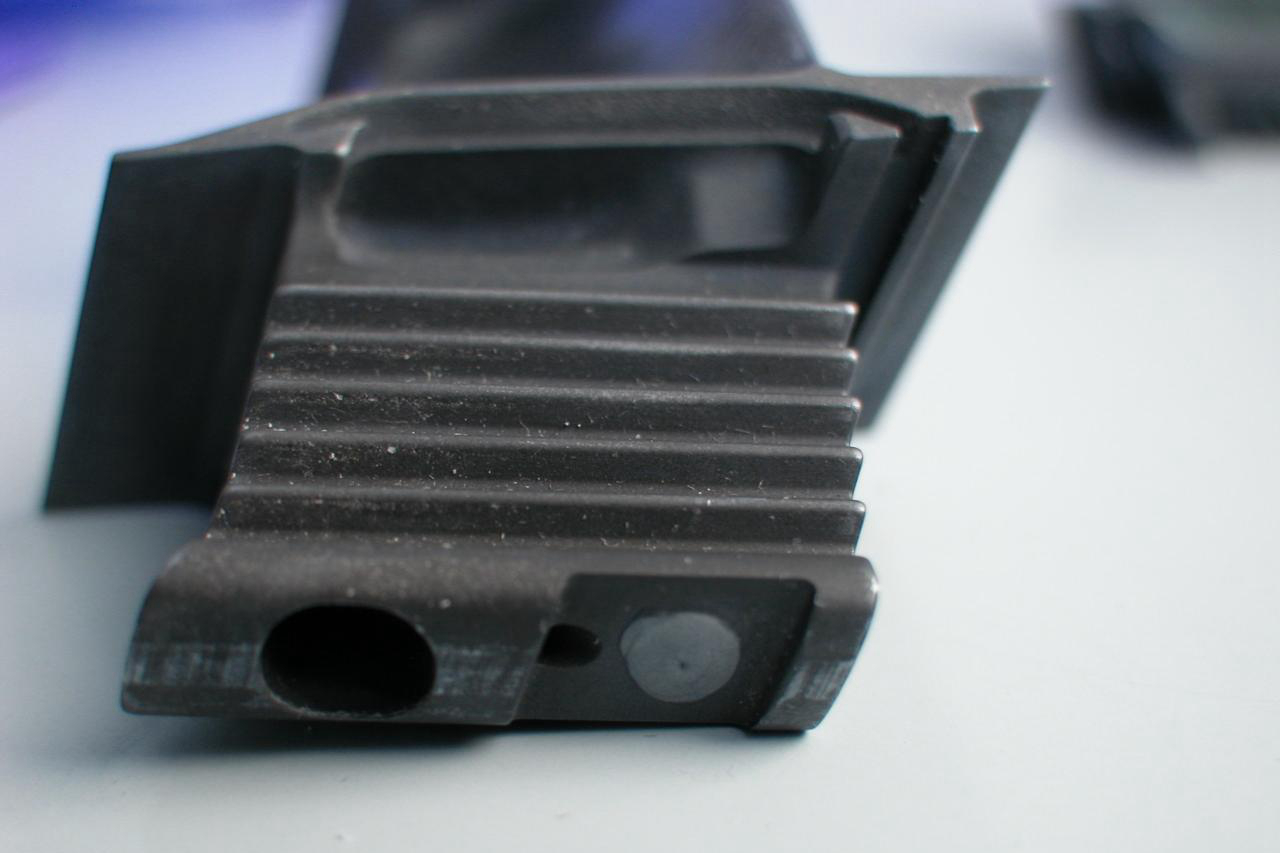
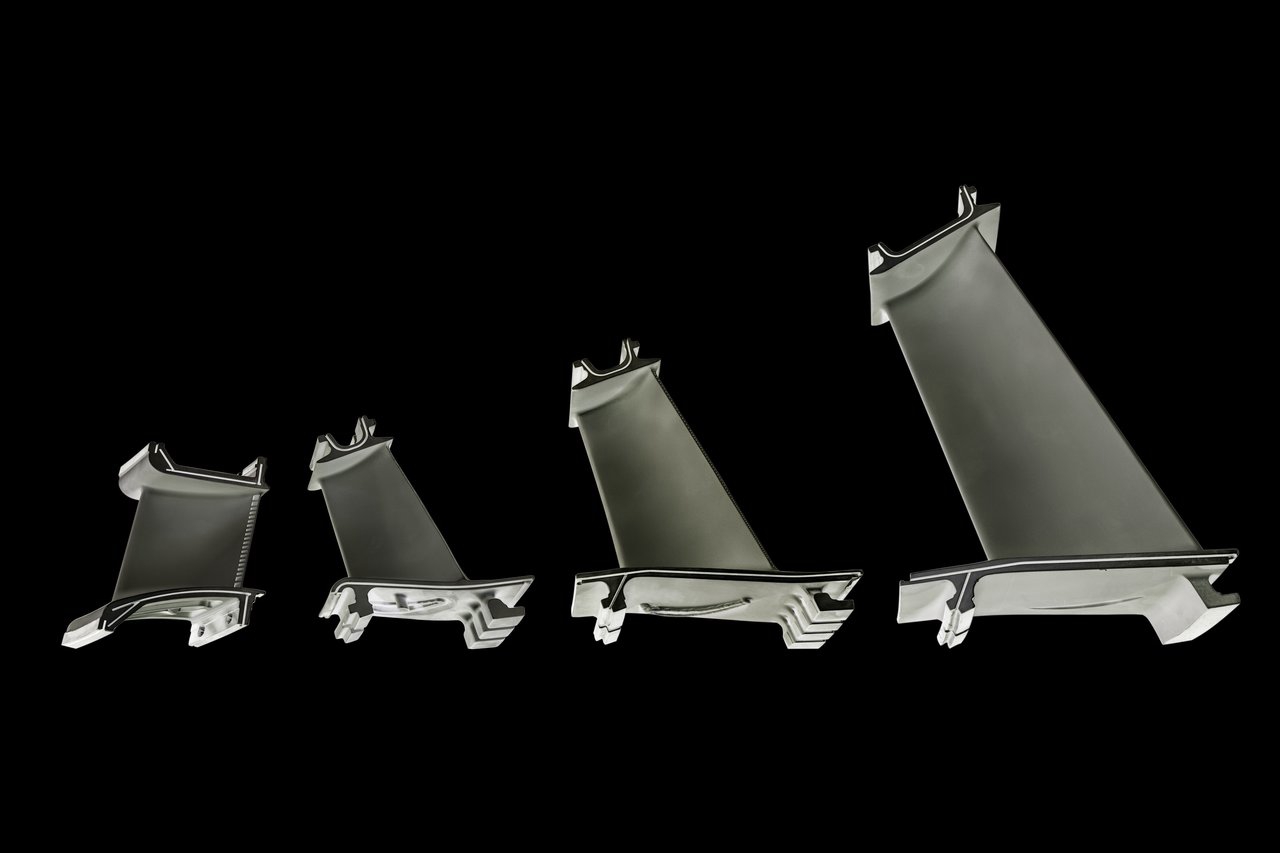
Both CMSX and Rene superalloys are engineered for extreme high-temperature applications, but their creep performance differs based on alloy chemistry and generational design. CMSX alloys—such as CMSX-4—feature high contents of Re, Ta, W, and Mo, creating a strong γ matrix and a high γ′ volume fraction that significantly enhances creep resistance. These alloys maintain dimensional stability at turbine inlet temperatures above 1,050°C, making them ideal for first-stage single-crystal turbine blades.
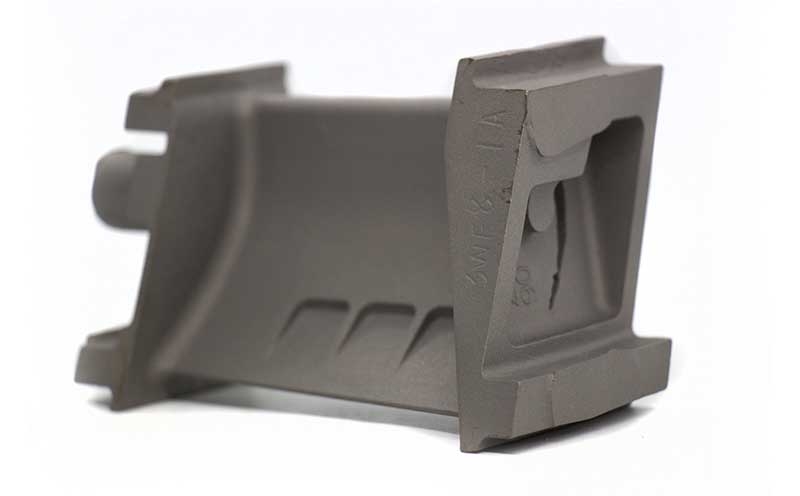
Rene superalloys—such as Rene 80 or high-strength variants like Rene 142—exhibit excellent creep capability as well, but some grades are optimized for directionally solidified or equiaxed structures rather than single-crystal performance. While advanced Rene alloys can rival CMSX systems at moderate temperatures, CMSX-series materials generally deliver superior creep life in the highest thermal regimes due to more advanced alloy architectures and single-crystal compatibility.
Fatigue Performance and Thermal-Cycling Behavior
Cyclic fatigue resistance is also influenced by alloy design. CMSX alloys benefit from the absence of grain boundaries, allowing them to endure severe thermal cycling without activating intergranular fatigue mechanisms. This makes CMSX-4 and later CMSX generations highly resistant to both high-cycle and low-cycle fatigue—especially in aerospace and aviation hot-section components.
Rene superalloys, depending on the specific grade, may retain grain boundaries or directional solidification structures. While advanced Rene alloys like Rene N5 and Rene N6 (single-crystal types) demonstrate fatigue performance comparable to CMSX-4, equiaxed grades such as Rene 80 show reduced resistance due to grain-boundary oxidation and boundary-initiated crack formation. In demanding high-temperature fatigue environments, CMSX materials generally provide more stable fatigue life across thermal cycles.
Microstructural Stability and TCP-Phase Resistance
The long-term creep and fatigue stability of both alloy families depends on their resistance to TCP (topologically close-packed) phase formation. CMSX alloys, especially 3rd- and 4th-generation materials, are designed to suppress TCP formation under prolonged high-temperature exposure. Advanced Rene alloys such as Rene 142 and Rene N6 also incorporate refractory elements and Ru additions to resist microstructural degradation. However, CMSX alloys maintain a stronger track record of stability in ultra-high-temperature regimes due to engineered γ/γ′ balance.