How do stray grains affect single crystal turbine blade projects?
How do stray grains affect single crystal turbine blade projects?
Stray grains can make a single crystal turbine blade project unacceptable when the drawing or customer specification requires controlled grain structure. They matter because a blade designed for single crystal behavior should not be treated like a general equiaxed casting when creep resistance, thermal fatigue, and high-temperature duty are part of the requirement.
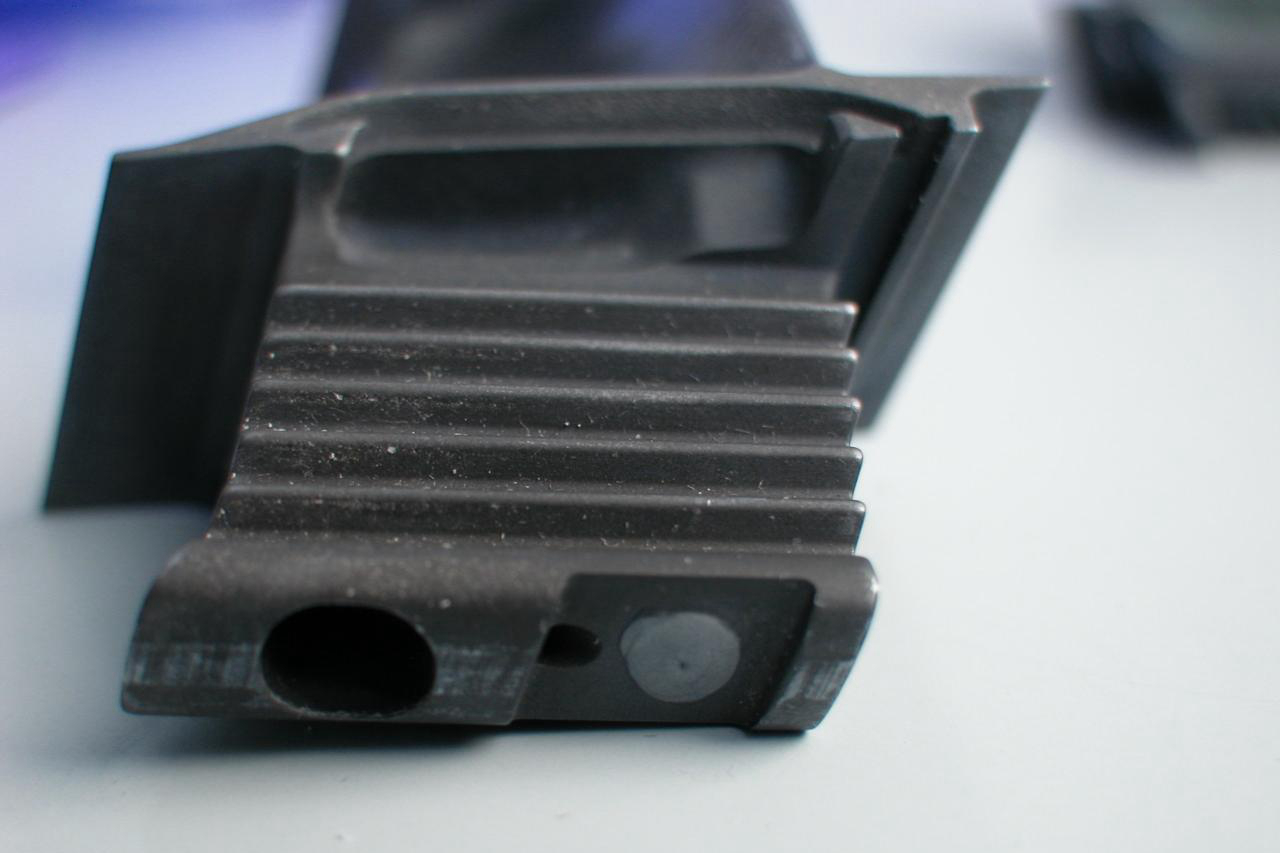
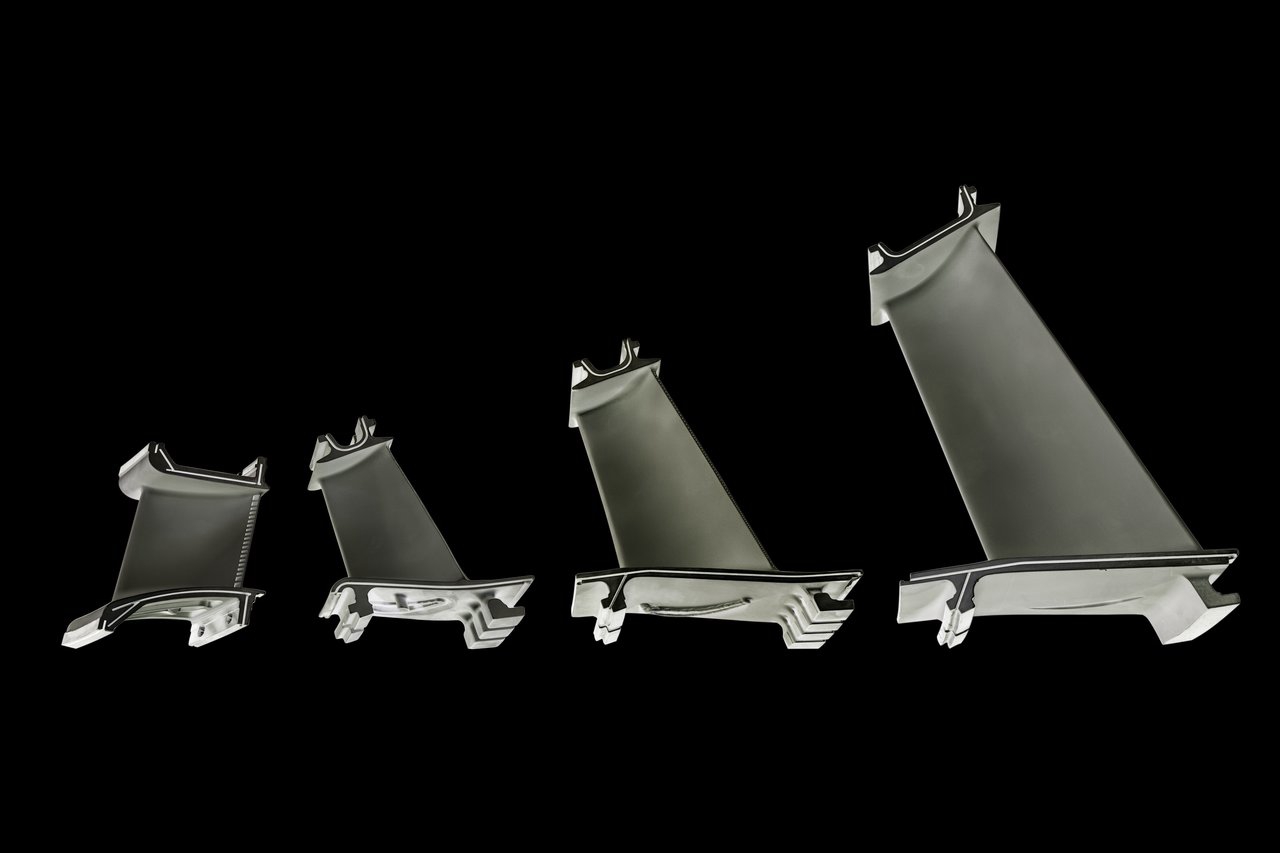
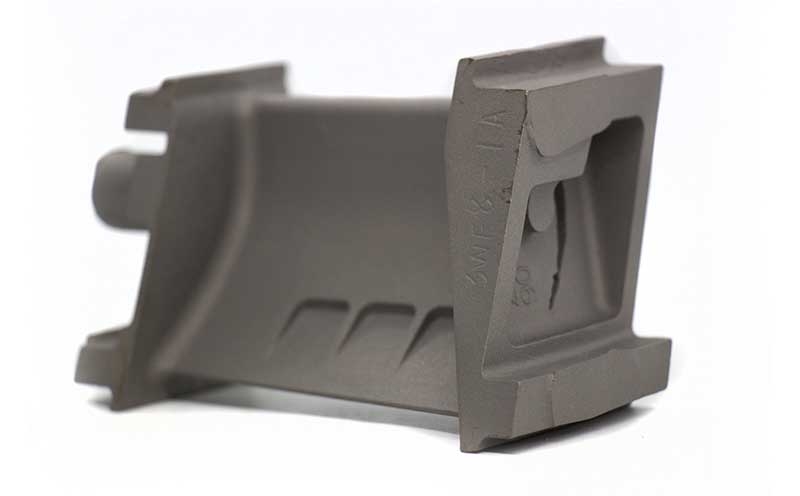
NewayAeroTech reviews stray grain risk as part of single crystal turbine blade casting, especially when airfoil geometry, platform transitions, root details, or local section changes make solidification control more difficult.
This is especially important when the project involves CMSX-4, CMSX-10, Rene N5, or other nickel-based single crystal superalloys specified by the drawing or customer standard.
Why the Risk Matters
Stray grain risk can be influenced by component geometry, thermal gradients, alloy behavior, tooling assumptions, and local section changes. Thin trailing edges, heavy platforms, root transitions, and cooling feature areas may need closer route review before production.
The buyer does not need to solve the casting physics in the RFQ, but the buyer should identify critical surfaces, acceptance criteria, and whether metallographic evidence is required. That lets NewayAeroTech quote the inspection and documentation route with fewer assumptions.
Risk Point | Buyer Should Clarify | Supplier Review Focus |
|---|---|---|
Airfoil geometry | Critical section and surface notes | Solidification and inspection risk |
Platform / root transition | Datum and fit requirements | Route control and machining allowance |
Acceptance rule | Customer standard or drawing note | Pass/fail or engineering disposition basis |
Inspection evidence | Metallography, X-ray, FPI, CMM if required | Records delivered with the parts |
The buyer does not need to solve the casting physics in the RFQ. The useful action is to define critical zones, reject limits, and the evidence required for acceptance.
RFQ Reminder for Defect-Risk Review
Ask suppliers how they will identify and document grain-related risks before order release. A quote that ignores stray grain control may look attractive but can become expensive if the first inspection lot fails or requires unclear disposition.
Project stage matters here. A development lot may need more engineering feedback, while repeat production needs stable acceptance rules, report language, and document consistency.
NewayAeroTech can review the blade drawing, alloy grade, inspection requirements, and application background to identify stray grain and acceptance-record risks. CMM inspection may be needed for root or platform dimensions, but grain acceptance still depends on the drawing, inspection standard, and agreed evidence. The project should be quoted as custom manufacturing from customer requirements, not as an off-the-shelf replacement blade sale.
When acceptance language is missing, the answer should remain conditional, so the RFQ should include the blade drawing, alloy grade, known service environment, and any grain-structure acceptance notes. If metallography, X-ray, FPI, or dimensional evidence is required, it should be listed before supplier comparison.
This keeps the discussion practical: NewayAeroTech can review manufacturability and inspection evidence, while the buyer keeps final acceptance tied to formal documents rather than informal defect descriptions. It also makes supplier quotes easier to compare without turning the FAQ into a full defect-control article.