MRO Reverse Engineering for Sample-Based Turbine Component RFQs
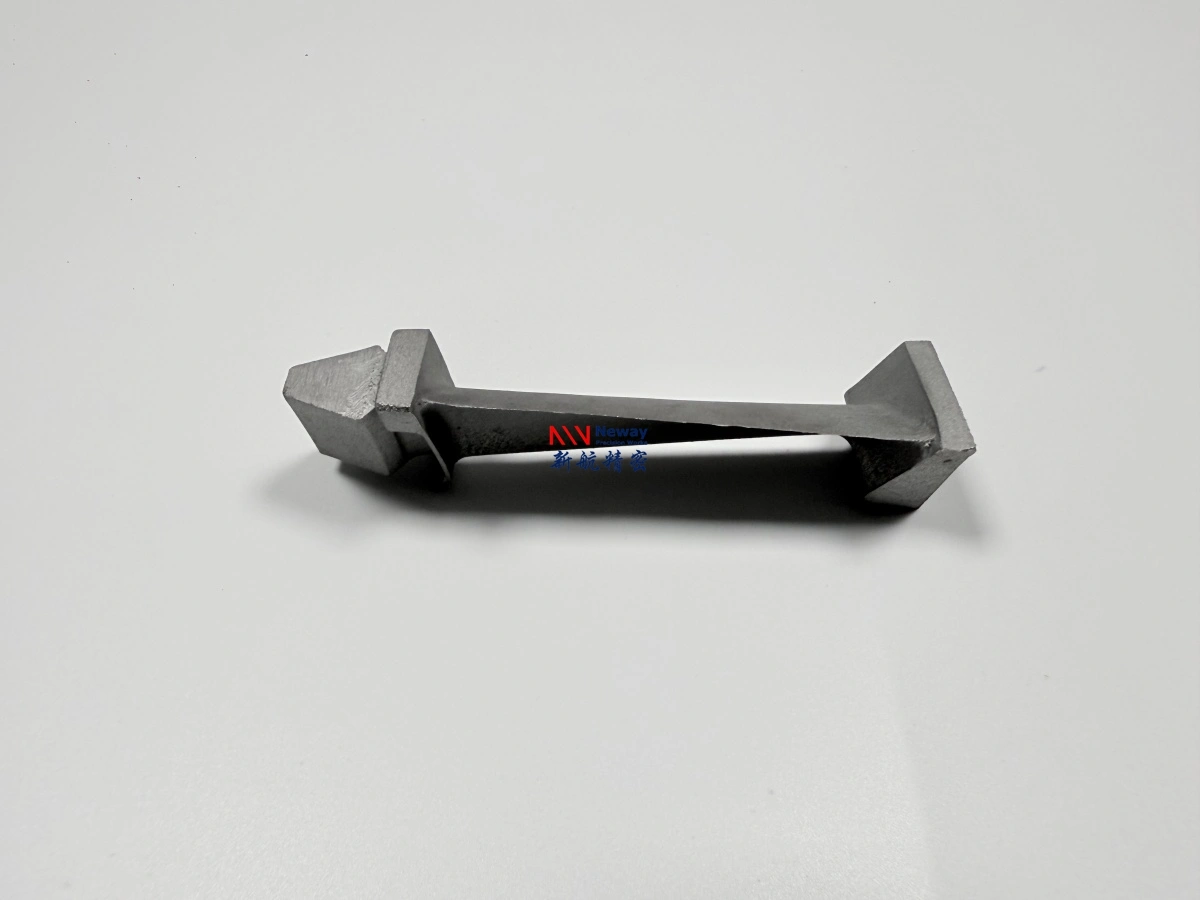
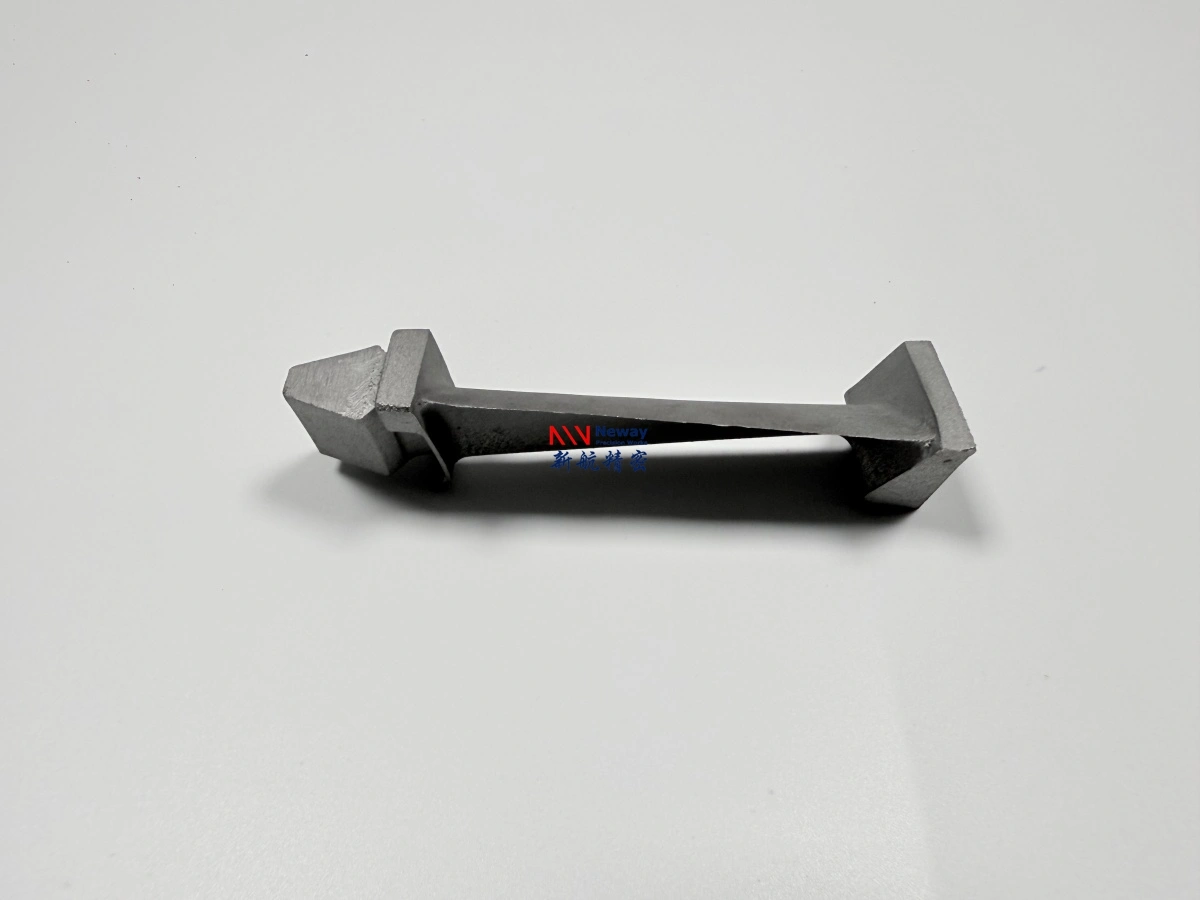
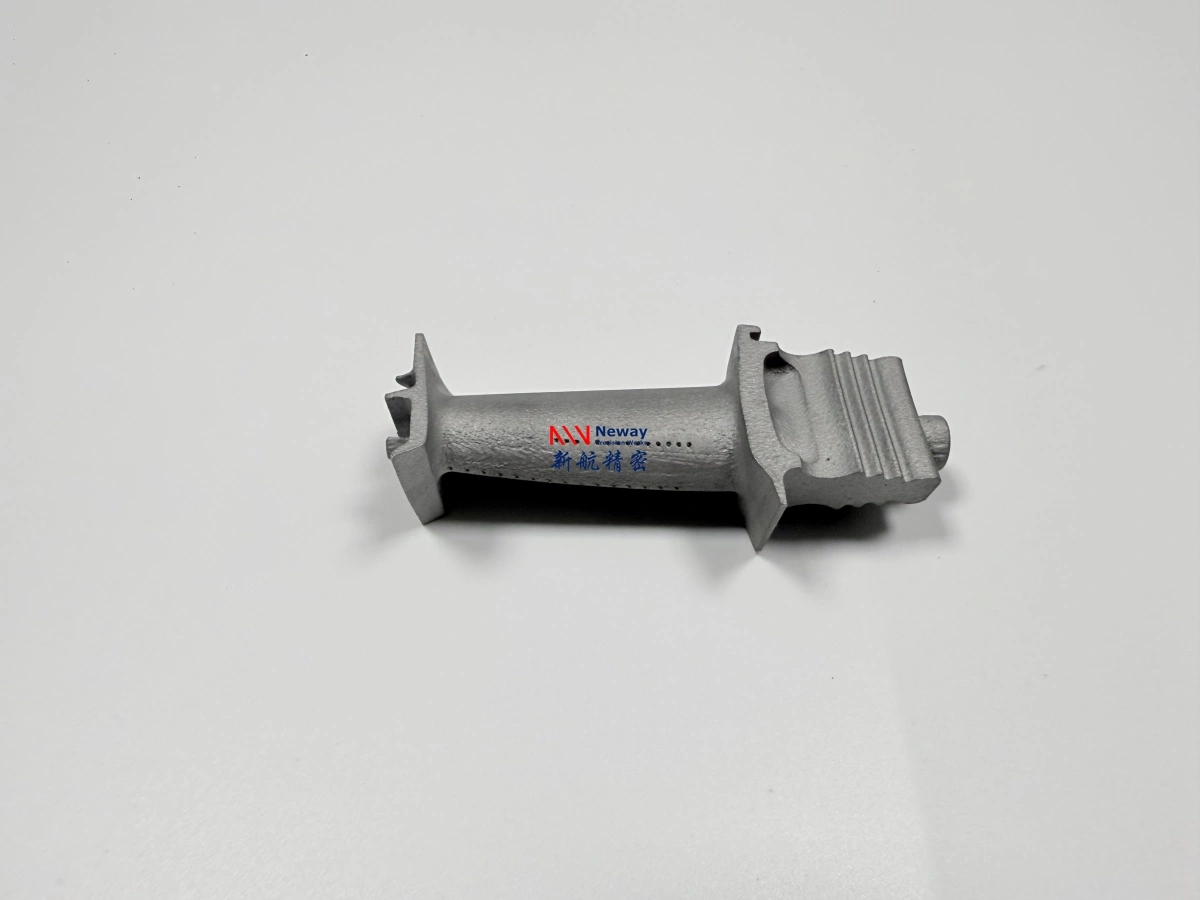
A sample-based turbine component RFQ should begin by deciding what the used part can prove and what it cannot prove. A worn blade, bucket, vane, shroud, or nozzle segment can reveal assembly interfaces, coating remnants, fracture locations, rubbing marks, and approximate geometry, but it may also contain deformation, oxidation, missing material, and previous repair evidence. The supplier cannot treat that sample as final design geometry without buyer approval and supporting records.
NewayAeroTech can review MRO-oriented custom manufacturing requests when the buyer provides the sample, available drawings, material notes, operating context, inspection expectations, and the decision boundary for reverse engineering. The review should identify which evidence is reliable, which surfaces need dimensional capture, which alloy information must be verified, and which manufacturing route can be discussed after the sample boundary is clear.
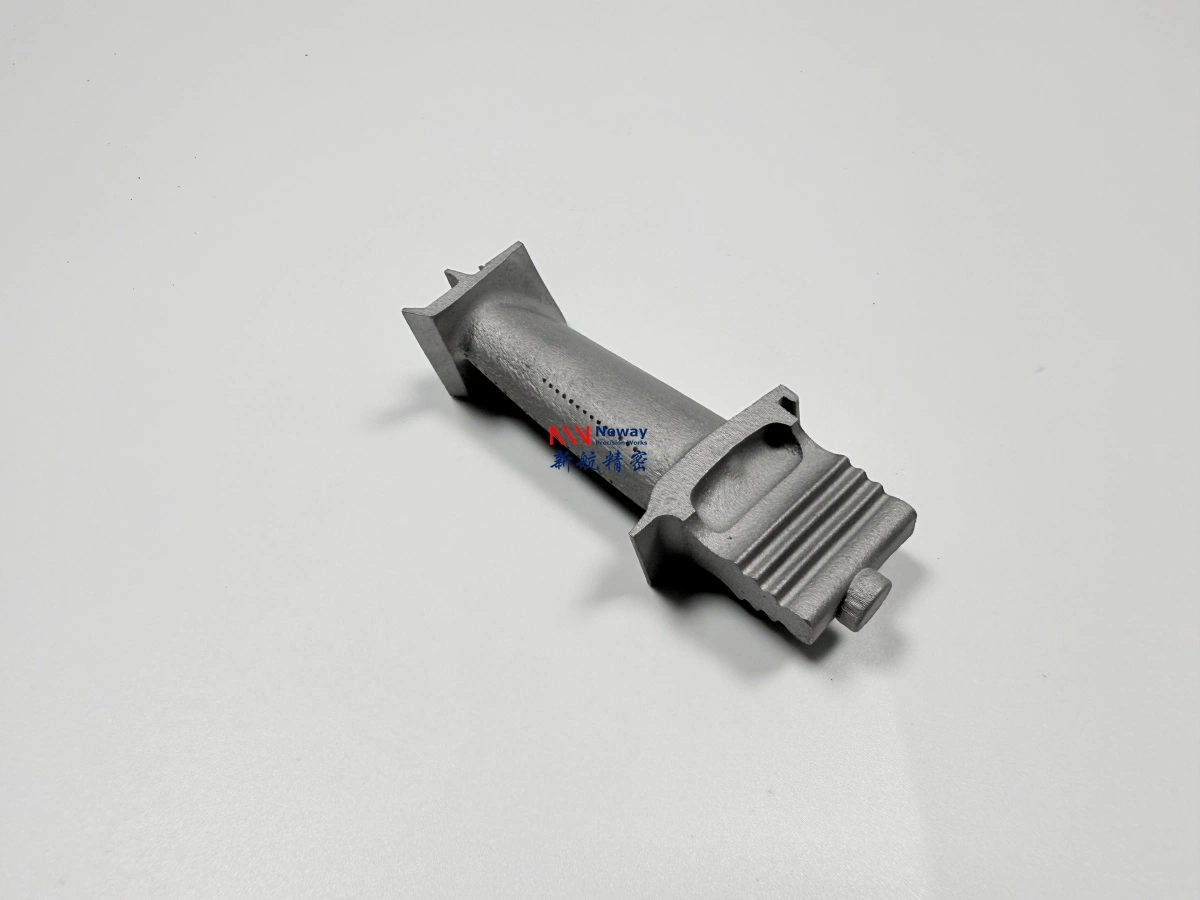
Sample Condition Before Geometry Capture
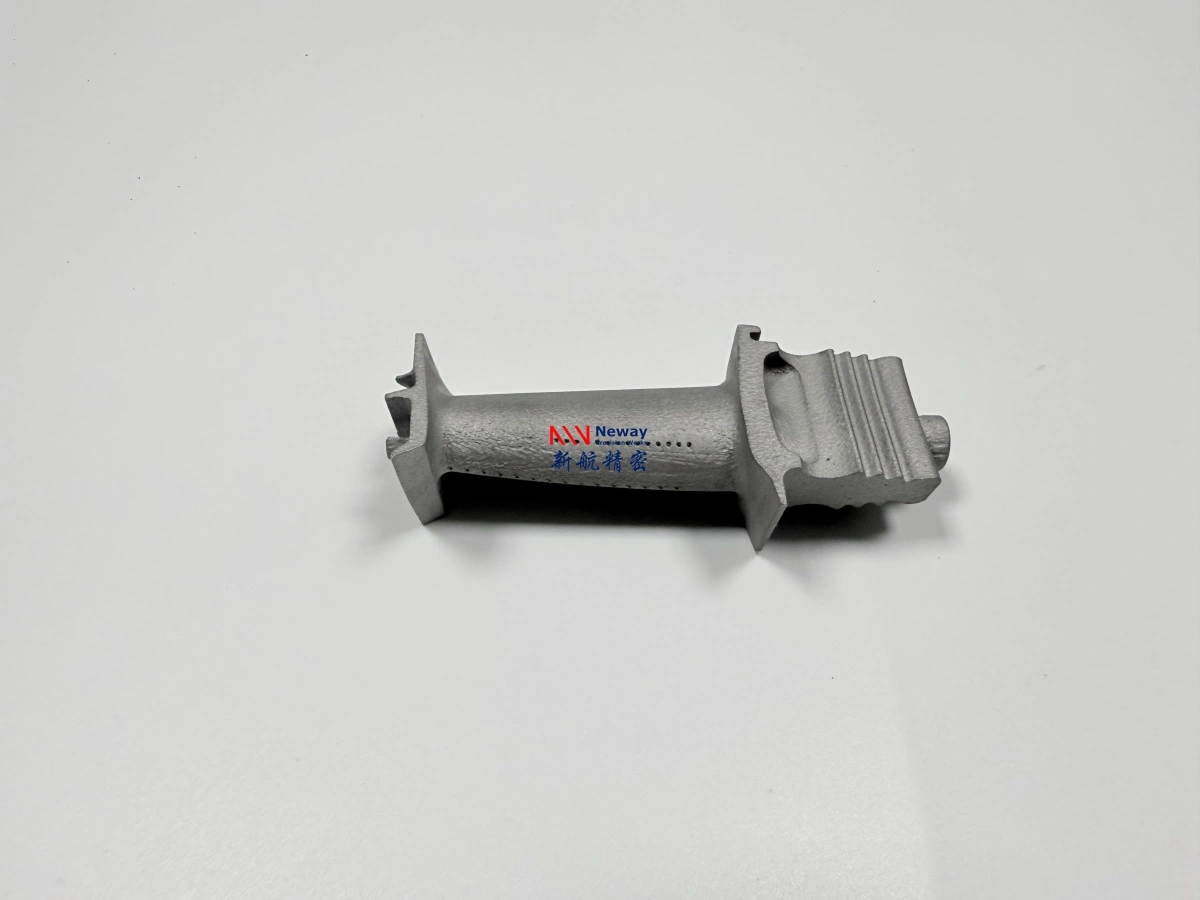
For this RFQ, buyers should first document the used sample condition before asking for a manufacturing quote. Photographs, damage notes, coating condition, oxidation zones, cracked edges, distorted platforms, worn seal faces, and missing features should be recorded separately from the surfaces that still appear functional. That first review prevents the supplier from copying service damage into the new part.
A sample can be helpful for root forms, platform interfaces, seal hooks, bolt features, airfoil remnants, or shroud contact areas. It is less reliable where thermal exposure has distorted a thin wall, where coating residue changes the measured surface, or where rubbing has removed original material. The buyer should label which features are reference-only and which features may be used for dimensional reconstruction.
NewayAeroTech can support the review when the request is framed as custom manufacturing from buyer-controlled evidence. If the sample is incomplete, the quotation should list the missing design information and recommend verification steps rather than silently converting uncertain geometry into a production route.
Sample Condition | Manufacturing Risk | Buyer Action Before Quotation |
|---|---|---|
Coating residue on hot-section surfaces | Measured geometry may include coating build-up instead of base-metal shape | State whether coating removal, thickness review, or separate coating scope is required |
Oxidation or thermal distortion | Airfoil, platform, or shroud dimensions may not represent original geometry | Mark these surfaces as reference-only unless supported by drawing data |
Worn seal or root contact face | Fit-critical surfaces may be undersized or rounded | Provide mating-part information or acceptance notes when available |
Previous repair trace | Weld, blend, or patch areas can hide the original feature boundary | Separate repair evidence from the geometry to be manufactured |
Material Verification and Approval Boundary
Material verification is a separate decision from geometry capture. A used sample may be made from Rene N5, IN738LC, GTD111DS, another nickel-based superalloy, or a cobalt-base wear alloy, but visual inspection cannot confirm the grade. The buyer should state whether the material is fixed by records, inferred from a sample, or open for engineering review. If chemical analysis is required, it should be named before the quote is compared with suppliers that may assume a different alloy.
Material testing and analysis can help separate known alloy evidence from uncertain sample history. The RFQ should also say who approves any material alternative. A supplier may discuss route feasibility for more than one alloy family, but the quote should not hide a material change inside the base price.
Material Evidence | How It Affects the MRO Quote | Record to Request |
|---|---|---|
Drawing or old purchase record | Controls alloy, heat treatment, inspection, and route assumptions | Material note, revision, and any allowed alternatives |
Sample with no records | Requires conditional review before final manufacturing scope | Chemical verification request and sample history |
Coating or repair residue | Can interfere with surface analysis and measurement | Coating status, previous repair notes, and cleaning boundary |
Buyer-approved alternative | May change casting route, heat treatment, machining, and acceptance evidence | Written approval boundary before PO release |
Dimensional Capture Limits
Dimensional capture should be planned feature by feature. A CMM, scan, or manual measurement package may help recover platform faces, root contact areas, shroud hooks, or nozzle interfaces, but the output still needs engineering review. Buyers should not ask the supplier to manufacture directly from a point cloud if the sample has service wear or if functional datums are not defined.
The RFQ should identify which dimensions are controlled by drawing, which are captured from the sample, and which need buyer approval after reconstruction. For turbine blades and vanes, cooling features, airfoil wall condition, platform edges, and seal faces may require separate discussion. NewayAeroTech can use dimensional evidence to support manufacturing review, but final acceptance should remain tied to buyer-approved geometry and inspection criteria.
Feature Area | Capture Risk | How to Write the RFQ |
|---|---|---|
Blade root or bucket attachment | Wear may alter contact angle, flank width, or fillet condition | Mark functional faces and request datum review before machining scope |
Airfoil or flow path | Oxidation, erosion, or coating residue may change the recovered profile | Separate reference profile from buyer-approved final geometry |
Vane platform or nozzle seal face | Thermal distortion may affect flatness and assembly gap | Define machined surfaces and CMM reporting needs |
Shroud hook or seal segment | Rubbing and fretting can remove original material | Provide mating feature notes or acceptance boundary |
Manufacturing Route After Sample Review
The manufacturing route should be selected only after the sample, material, and geometry boundaries are defined. Some MRO parts may fit vacuum investment casting followed by heat treatment and machining. Others may need machining from an existing blank, route comparison for directional or equiaxed casting, or a repair-oriented discussion that stays outside new-part manufacturing. The RFQ should not treat all sample-based projects as the same route.
Route choice also depends on delivery condition. A cast blank quote is different from a machined and inspected component. If the buyer expects superalloy CNC machining, the supplier needs datum order, stock allowance, critical surfaces, and inspection timing before pricing. If the buyer expects a first article, the quote should include the evidence package used to release repeat manufacturing.
NewayAeroTech can review suitable power generation turbine component requests when the buyer supplies enough evidence to separate feasibility review, route selection, and production release.
Route Option | When It May Fit | Open Decision Before Supplier Comparison |
|---|---|---|
Casting plus machining | Replacement vane, nozzle, shroud, or hot-section part with castable geometry and defined alloy | Tooling basis, machining allowance, and inspection records |
Machining from blank | Geometry is mostly prismatic or a customer-supplied blank controls material and shape | Blank responsibility, datum order, and CMM scope |
Route comparison | Buyer has sample evidence but no fixed manufacturing process | Material approval, casting route risk, and first article plan |
Repair or cladding review | Only selected worn areas need restoration rather than a new part | Repair boundary, base material evidence, and post-repair inspection |
First Article Validation for MRO Release
First article validation should turn sample assumptions into measurable acceptance evidence. The buyer should decide whether the first article is used to confirm geometry only, material condition only, or the full manufacturing route. That decision changes whether CMM, FPI, X-ray, chemistry, hardness, metallography, heat-treatment records, or coating-readiness checks belong in the initial scope.
A good supplier response separates the first article from repeat quantities. The first article may reveal a datum issue, machining allowance change, or inspection requirement that should be corrected before batch work. Repeat production should not be released until the buyer has reviewed the agreed evidence package.
Validation Point | Evidence to Review | Why It Protects the MRO Program |
|---|---|---|
Geometry approval | CMM report, marked datums, and comparison to buyer-approved model | Prevents worn sample geometry from becoming the repeat standard |
Material confirmation | Chemistry, heat treatment record, or hardness when required | Keeps alloy and process assumptions visible |
Surface condition | FPI, visual inspection, coating-ready review, or machined surface checks | Links inspection to the service-damaged surfaces that drove the RFQ |
Repeat release | Buyer sign-off on first article evidence and any route changes | Separates validation learning from small-batch manufacturing |
RFQ Data for Sample Based Manufacturing
The buyer should send the used sample photos, available drawing or model, material record, component function, quantity target, required delivery condition, inspection expectations, and any known service damage. If the sample must be returned, that handling requirement should be included. If the buyer needs only feasibility feedback before a formal quote, the request should say so.
NewayAeroTech can review sample-based turbine component requests as custom manufacturing projects when the technical basis is clear enough to define responsibility. The useful RFQ is the one that distinguishes sample evidence, buyer-approved geometry, material verification, route selection, first article validation, and repeat manufacturing scope.
RFQ Package Item | What It Should Include | Reason to Include It |
|---|---|---|
Sample evidence | Photos, damage notes, coating condition, and marked functional surfaces | Separates service damage from usable design evidence |
Drawing or reconstruction basis | 2D drawing, 3D model, scan data, or buyer approval workflow | Defines who approves final geometry |
Material and processing notes | Known alloy, permitted alternatives, heat treatment, and inspection needs | Controls route and report assumptions |
Commercial release plan | Feasibility review, first article, trial lot, and repeat quantity | Lets suppliers quote the same stage of work |
Related FAQs
How should buyers specify inspection requirements in an RFQ?
What failure risks should manufacturers evaluate before producing 501f replacement castings?
What inspection reports are needed for ge 9e 9171e replacement hot section components?
What drawings are needed for custom forged turbine component rfqs?