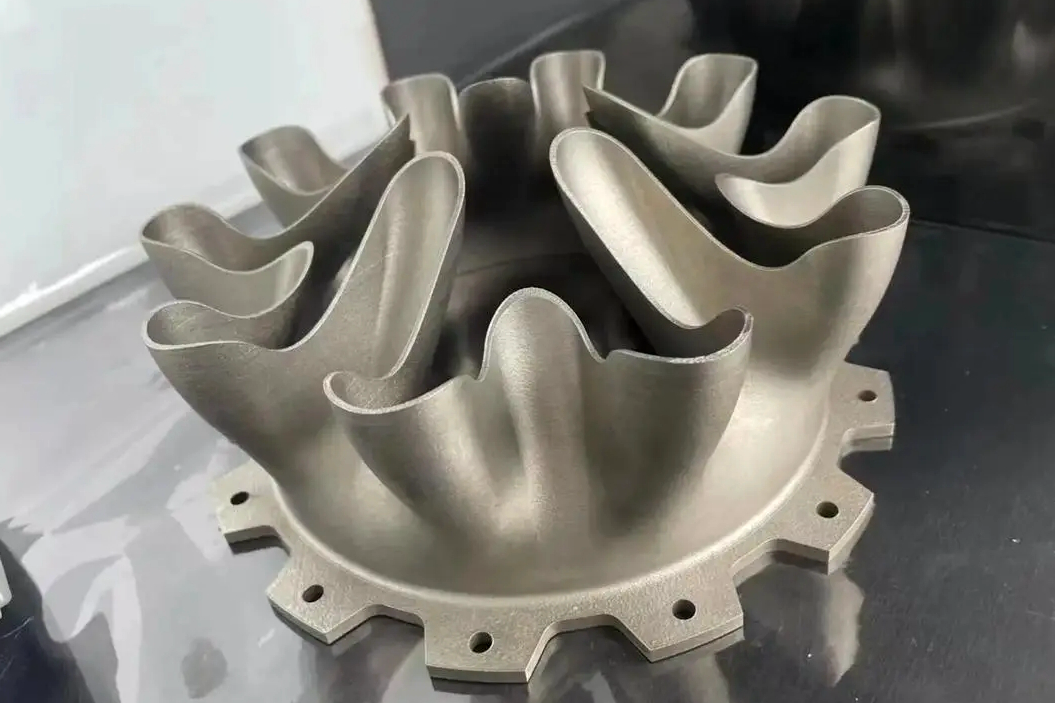
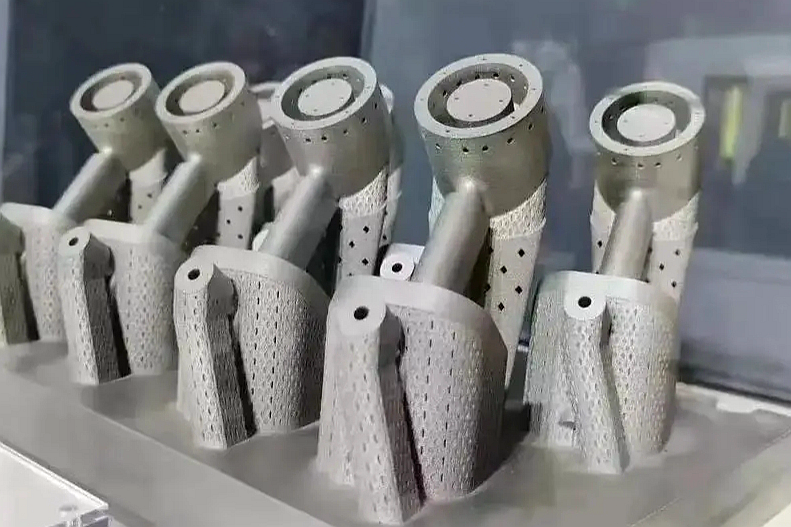
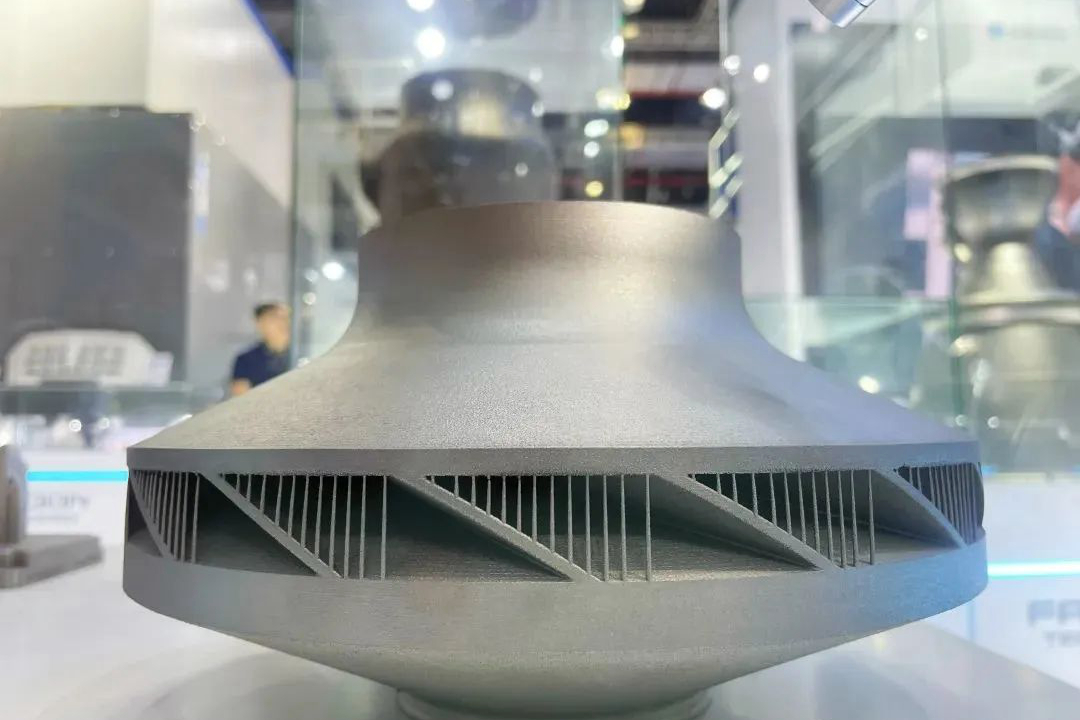
Laser-cladded superalloy components require immediate stress relief annealing to address the significant residual stresses from rapid thermal cycling. For nickel-based superalloys like Inconel 718, this typically involves heating to 760-980°C followed by controlled cooling. Hot Isostatic Pressing (HIP) is then applied at appropriate temperatures and pressures (typically 1120-1200°C at 100-150 MPa for nickel alloys) to eliminate internal porosity and achieve near-theoretical density. A final solution and aging treatment optimizes the microstructure—dissolving undesirable phases and precipitating strengthening γ' particles to restore full mechanical properties.
The as-cladded surface, characterized by partially melted powder particles and surface roughness of Ra 10-25μm, requires systematic preparation. Support structures are removed using precision cutting methods, while the clad surface undergoes abrasive blasting with aluminum oxide or glass beads to remove surface contaminants and create a uniform baseline. For components requiring superior surface finish, initial rough machining removes 1-2mm of material to eliminate the heat-affected zone and surface irregularities. This step is particularly important for aerospace components where surface integrity directly impacts fatigue performance.
Precision CNC machining achieves final dimensional tolerances and critical surface specifications. Multi-axis machining centers perform contour following operations to restore complex geometries while maintaining tight tolerances (±0.05mm). For internal features or hard-to-reach areas, Electrical Discharge Machining (EDM) creates precise geometries in the hardened superalloy material. Due to the work-hardening characteristics of superalloys, machining employs specialized tooling, high-pressure coolant systems, and optimized parameters to maintain surface integrity and prevent tool degradation.
Multiple surface treatments enhance performance characteristics based on application requirements. Shot peening introduces compressive stresses of 400-800 MPa, improving fatigue life by 50-150% by preventing crack initiation. For components in power generation turbines, laser shock peening provides deeper compressive layers with minimal cold work. Vibratory finishing or abrasive flow machining improves surface finish to Ra 0.8-1.6μm for enhanced fluid dynamics in flow components. Final surface treatments may include thermal barrier coating application for high-temperature components or specialized coatings for corrosion protection in oil and gas applications.
Comprehensive material testing and analysis validates that post-processed components meet industry standards. This includes ultrasonic testing per ASTM E2375 for internal defect detection, fluorescent penetrant inspection per AMS 2647 for surface flaws, and dimensional verification using CMM systems. Mechanical testing confirms tensile strength, creep resistance, and fatigue properties meet specifications. Microstructural examination verifies proper phase distribution and absence of deleterious phases. For safety-critical components, additional certification including chemical analysis, traceability documentation, and application-specific testing (such as thermal cycling or corrosion testing) completes the quality assurance process.
Processing Stage | Key Operations | Purpose | Quality Checkpoints |
|---|---|---|---|
Initial Preparation | Support removal, abrasive blasting | Surface cleaning, defect exposure | Visual inspection, dimensional survey |
Thermal Treatment | Stress relief, HIP, solution & aging | Stress reduction, densification, property optimization | Microstructure analysis, hardness testing |
Machining | Rough machining, finish machining, EDM | Dimensional accuracy, surface quality | CMM verification, surface roughness measurement |
Surface Enhancement | Shot peening, polishing, coatings | Fatigue improvement, corrosion/wear protection | Residual stress measurement, coating thickness verification |
Final Validation | NDT, mechanical testing, documentation | Quality assurance, standards compliance | Certification review, traceability confirmation |