
De Termoplásticos a Fotopolímeros: Liberte Seus Projetos com Impressão 3D em Plástico
Introdução à Impressão 3D em Plástico Orientada por Materiais
A impressão 3D em plástico suporta um espectro completo de materiais — desde termoplásticos flexíveis até fotopolímeros rígidos — oferecendo liberdade de design e funcionalidade incomparáveis. Os engenheiros podem agora adaptar as propriedades dos materiais a necessidades mecânicas, térmicas ou visuais específicas num único fluxo de trabalho de fabricação.
Na Neway Aerotech, os nossos serviços de impressão 3D em plástico incluem tecnologias SLA, SLS, MJF e FDM com ampla compatibilidade de materiais para protótipos, ferramentas e peças de uso final.
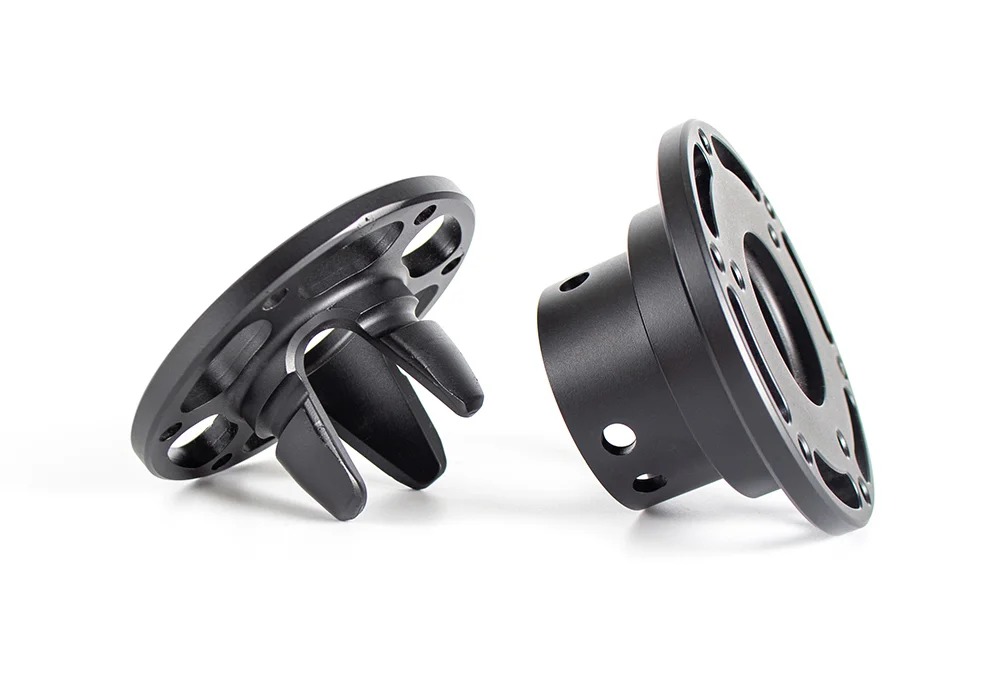
Visão Geral da Tecnologia de Impressão 3D em Plástico
Visão Geral de Termoplásticos vs. Fotopolímeros
Tecnologia | Tipo de Material | Resolução (μm) | Tolerância (mm) | Características Principais | Casos de Uso Comuns |
|---|---|---|---|---|---|
FDM | Termoplástico | 100–300 | ±0,2–0,4 | Resistente, baixo custo, grau estrutural | Dispositivos funcionais, suportes, carcaças |
SLS | Termoplástico | 80–120 | ±0,1–0,25 | Durável, sem suportes, opções flexíveis | Protótipos mecânicos, peças sob carga |
MJF | Termoplástico | 70–100 | ±0,1–0,2 | Escalável para lotes, resistência consistente | Peças de uso final, invólucros, conectores |
SLA | Fotopolímero | 25–100 | ±0,05–0,15 | Superfície lisa, alta resolução | Verificação de ajuste, modelos visuais, odontologia, medicina |
Nota: Os fotopolímeros curam com luz; os termoplásticos fundem sob calor. A seleção depende das prioridades de desempenho e visuais.
Estratégia de Seleção por Tipo de Material
Termoplásticos: Utilize para durabilidade, resistência ao calor e desempenho mecânico em componentes funcionais ou estruturais.
Fotopolímeros: Selecione quando uma superfície ultra-lisa, resolução de detalhes ou transparência forem críticas na prototipagem inicial.
Capacidades de Materiais para Aplicações Avançadas
Termoplásticos e Resinas: Desempenho em Resumo
Material | Tipo | Resistência (MPa) | HDT (°C) | Benefício Principal | Aplicações |
|---|---|---|---|---|---|
PLA | Termoplástico | ~60 | ~55 | Prototipagem rápida e fácil | Maquetes de design, protótipos visuais |
ABS | Termoplástico | ~45 | ~96 | Resistente a impactos e produtos químicos | Carcaças, componentes automotivos |
Nylon PA12 | Termoplástico | ~50 | ~180 | Resistente à abrasão, semiflexível | Encaixes por pressão, componentes vestíveis |
TPU | Termoplástico | ~30 | ~60 | Flexível, resistente ao rasgo | Juntas, mangas, elementos de contato macio |
Resina Resistente SLA | Fotopolímero | ~55 | ~50 | Alta precisão, rígida e resiliente | Dispositivos de fixação, protótipos de carcaças de consumo |
Resina Transparente SLA | Fotopolímero | ~50 | ~45 | Transparente, polível | Tubos de luz, modelos de fluidos, testes óticos |
Estratégia de Seleção de Materiais
PLA: Ideal para iteração rápida e econômica e validação de modelos físicos em fase inicial.
ABS: Utilizado para aplicações estruturais que necessitam de maior temperatura e durabilidade química.
Nylon PA12: Preferido para componentes sob tensão mecânica e sistemas de protótipos industriais.
TPU: Aplicado onde é necessária absorção de choque ou compatibilidade de movimento.
Resina Resistente: Para aplicações que necessitam de precisão com melhor resistência ao impacto do que resinas de uso geral.
Resina Transparente: Escolhida pela transparência e capacidade de polimento, especialmente em estudos óticos ou de fluidos.
Estudo de Caso: Componentes Impressos em SLA e SLS para Prototipagem de Dispositivos Médicos
Contexto do Projeto
Uma startup de tecnologia médica necessitava de peças funcionais e estéticas para demonstrar um protótipo de dispositivo inalador para revisão por investidores e testes iniciais de usabilidade.
Fluxo de Trabalho de Fabricação
Seleção de Material: Resina Resistente SLA para tampas transparentes e carcaças detalhadas; Nylon PA12 SLS para suportes internos.
Otimização de Design: Geometria de encaixe por pressão projetada com tolerâncias de ±0,1 mm e espessura de parede uniforme para resistência.
Processo de Impressão: A SLA utilizou espessura de camada de 50 μm; a SLS foi construída em lotes aninhados para redução de custos.
Pós-processamento: Peças SLA curadas com UV, polidas para <4 μm Ra; peças SLS jateadas com microesferas e montadas a seco.
Validação: Fluxo de ar funcional testado através do dispositivo montado; todos os componentes passaram nos testes de ajuste e montagem.
Pós-processo
Acabamento de Superfície: Peças SLA polidas manualmente para clareza ótica; peças SLS seladas para conforto no manuseio.
Controle Dimensional: Verificado via inspeção por digitalização 3D; variação < ±0,08 mm em 15 unidades.
Montagem: O encaixe por pressão manteve sua forma após mais de 100 ciclos de inserção sem perda na retenção de força.
Resultados e Verificação
Os dispositivos finais montados exibiram plena intenção funcional e estética, recebendo feedback positivo do cliente sem necessidade de iteração.
As tolerâncias dimensionais e o engajamento mecânico estiveram dentro de ±0,1 mm, atendendo aos requisitos de testes pré-clínicos e embalagem.
A produção de peças e o pós-processamento foram concluídos em 5 dias úteis, reduzindo o cronograma em mais de 60% em comparação com o CNC tradicional.
A clareza da SLA eliminou a necessidade de capas moldadas transparentes, economizando custos de ferramentaria e acelerando o feedback visual.
Perguntas Frequentes (FAQs)
Qual é a diferença entre resina SLA e materiais de impressão 3D termoplástica?
Posso usar materiais transparentes ou de grau médico para peças impressas em 3D em plástico?
Como a SLA e a SLS se comparam em precisão e durabilidade?
É possível criar componentes funcionais de encaixe por pressão usando impressão 3D em plástico?
Quão rápido posso receber peças de protótipo feitas de resinas especiais ou nylons?
