
Revestimento a Laser (LC) de Superliga Inconel 718 para Turbocompressor Impresso em 3D com Usinagem...
Introdução ao Revestimento a Laser e Usinagem CNC de Componentes de Turbocompressor em Inconel 718
O Revestimento a Laser (LC), uma forma de Deposição de Energia Direcionada (DED), é utilizado para construir ou reparar componentes de turbocompressor em Inconel 718 com alta resistência à fadiga térmica e ao desgaste. Esta técnica é ideal para estender a vida útil ou fabricar peças de alto desempenho com geometria próxima da final.
Na Neway Aerotech**, combinamos a manufatura aditiva em Inconel 718 com a usinagem CNC de precisão para produzir carcaças, volutas e rotores de turbocompressores acabados, com controle dimensional rigoroso e durabilidade em temperaturas extremas.
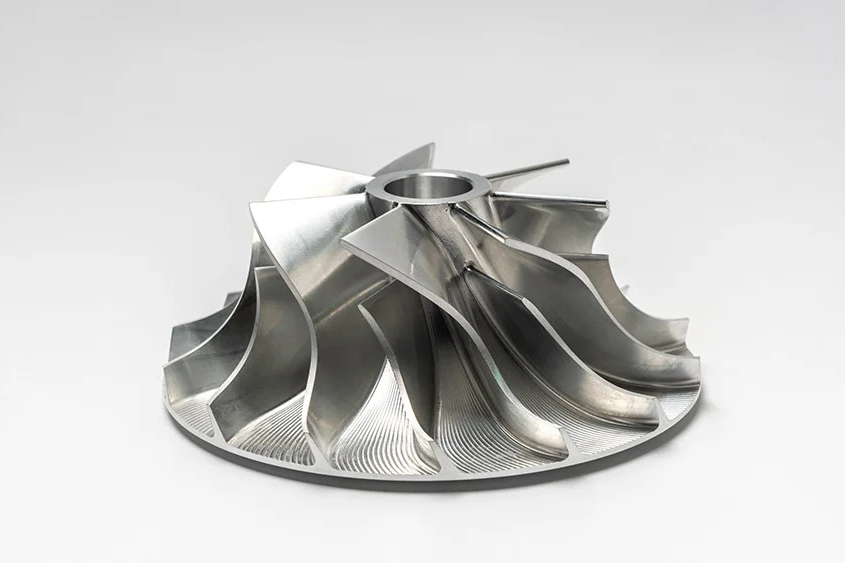
Tecnologia de Revestimento a Laser para Componentes de Turbo em Inconel 718
Parâmetros e Benefícios do Processo LC
Parâmetro | Valor | Descrição |
|---|---|---|
Altura da Camada de Revestimento | 0,3–1,0 mm | Acúmulo controlado por camada |
Taxa de Deposição | 5–20 cm³/min | Processamento rápido para peças de médio a grande porte |
Potência do Laser | 1–3 kW | Ajustado com base na zona de diluição e tamanho da característica |
Gás de Proteção | Argônio (>99,99%) | Garante banho de fusão limpo e ligação na interface |
Área de Construção Típica | Até 600 × 600 × 500 mm | Suporta carcaças de turbina, flanges e paredes de espiral |
O revestimento a laser garante ligação metalúrgica ao substrato, sendo ideal tanto para reparo quanto para fabricação aditiva de componentes em Inconel 718.
Vantagens de Desempenho do Inconel 718 em Turbocompressores
Propriedade | Valor | Função em Aplicações de Turbo |
|---|---|---|
Limite de Escoamento @ 700°C | ≥ 720 MPa | Estabilidade estrutural sob fluxo de gás quente |
Vida à Fadiga | >10⁸ ciclos @ 650 MPa | Resistência à vibração e ciclagem térmica |
Resistência à Oxidação | Até 980°C | Suporta exposição aos gases de escape e calor de alta pressão |
Coeficiente de Expansão Térmica | 13 µm/m·°C | Mantém a geometria da interface durante variações de temperatura |
Resistência ao Fluência | >1000 h @ 704°C | Carregamento sustentado em operação de alta RPM |
Estratégia de Pós-Processamento por Usinagem CNC
Após o revestimento ou deposição a laser com geometria próxima da final, os componentes são usinados para atingir a geometria e tolerância finais.
Características de Usinagem: Faces de flange, munhões de montagem, entradas/saídas da espiral, furos da turbina.
Tolerâncias Alcançadas: ±0,01 mm nas faces de vedação; concentricidade do furo <0,02 mm.
Estratégia de Ferramentas: Insertos de CBN ou cerâmica para superfície endurecida de Inconel; recomenda-se refrigerante de alta pressão.
Serviços CNC: Acabamento multi-eixo garante ajuste de precisão com conjuntos do núcleo da turbina.
Estudo de Caso: Reconstrução da Espiral de Turbocompressor em Inconel 718 via Revestimento a Laser e Acabamento CNC
Contexto do Projeto
Um turbocompressor comercial de um motor a gás marinho apresentou afinamento da parede e erosão na área da espiral. O cliente solicitou restauração com desempenho igual ao de uma carcaça nova, mas com custo e prazo de entrega reduzidos.
Fluxo de Fabricação
Base do Material: Carcaça forjada em Inconel 718 com danos na voluta interna e na área de entrada de gás.
Preparação: Área desgastada usinada para criar uma cavidade uniforme; pré-aquecimento a 200°C para mitigação de tensões.
Revestimento a Laser: Pó de Inconel 718, 45–105 μm, depositado a 12 cm³/min com laser de fibra de 2,2 kW.
Temperatura Entre Passes: Mantida entre 250–300°C; total de 6 camadas, parede final construída com 8 mm de espessura.
Tratamento Térmico Pós-Revestimento: HIP a 1180°C / 100 MPa, seguido de envelhecimento a 720°C por 8 h + 620°C por 8 h.
Acabamento CNC: Furo restaurado para ±0,015 mm, face fresada e flanges refurados.
Inspeção e Validação
A inspeção por MMC (Máquina de Medir por Coordenadas) confirmou alinhamento dentro das especificações.
O Raio-X não mostrou defeitos de ligação ou internos.
O Teste Ultrassônico validou a densidade em toda a região reconstruída.
A simulação de fluxo foi aprovada a 1850 L/min, com variação de queda de pressão <2% em relação à peça OEM nova.
Resultados e Verificação
A espiral do turbocompressor reconstruída superou as expectativas em desempenho de pressão, térmico e de fluxo. Os testes mecânicos confirmaram limite de escoamento ≥720 MPa e microdureza de 340 HV. O componente completou 1200 horas de teste de bancada a 940°C sem falha por fadiga ou desgaste.
Perguntas Frequentes (FAQs)
Qual é a espessura máxima de parede que pode ser construída usando revestimento a laser para Inconel 718?
Peças de turbo em Inconel podem ser reparadas usando LC em vez de substituição completa?
Como a tolerância CNC é gerenciada após a deposição a laser em superligas?
Qual tratamento térmico é necessário após o LC em Inconel 718?
Peças de turbo restauradas por LC atendem às especificações de fluxo de gás e pressão do OEM?
