
Empresa de Tratamento Térmico de Componentes de Turbina de Cristais Equiaxiais Fundidos em Liga Inco...
Otimização de Componentes de Turbina Inconel Através de Tratamento Térmico Controlado
Componentes de turbina de liga Inconel produzidos via fundição de cristais equiaxiais proporcionam desempenho confiável em alta temperatura com estruturas de grãos isotrópicas ideais para geometrias complexas. No entanto, alcançar resistência máxima, resistência ao fluência e estabilidade microestrutural requer processos de tratamento térmico precisamente projetados, adaptados a cada grau de Inconel e geometria da peça.
Neway AeroTech é uma empresa especializada em tratamento térmico para componentes de turbina de liga Inconel. Oferecemos processamento térmico pós-fundição em conformidade com NADCAP para pás, palhetas, segmentos de bocal e hardware de câmara de combustão para atender às especificações das indústrias aeroespacial e de energia.
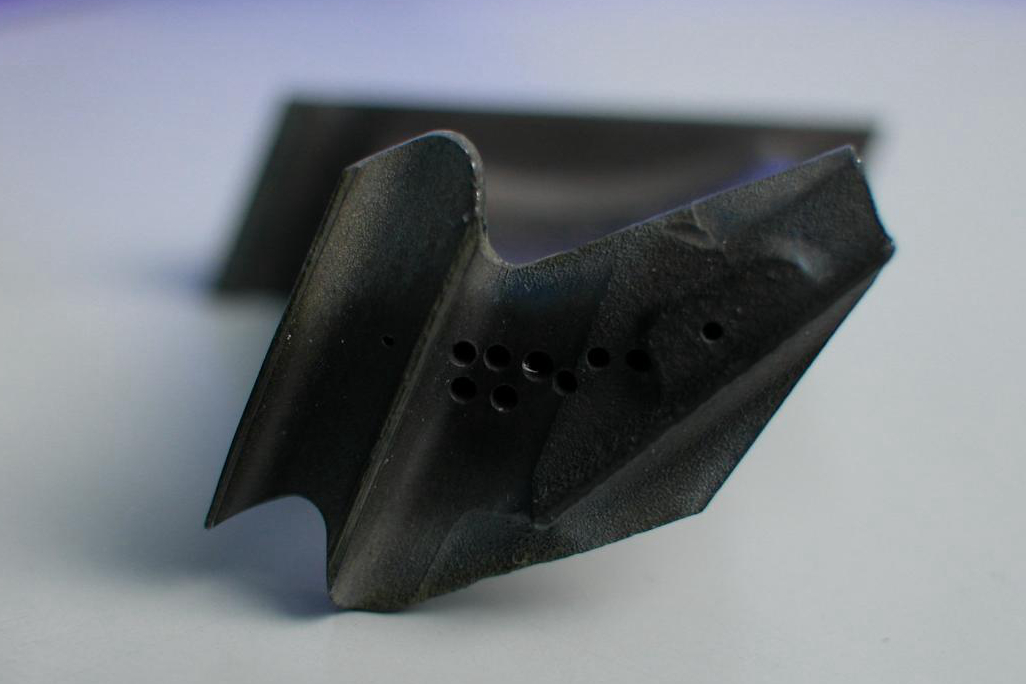
Capacidades Principais de Tratamento Térmico para Fundições Equiaxiais de Inconel
A Neway AeroTech utiliza controle preciso de temperatura, monitoramento da atmosfera gasosa e ciclos térmicos de múltiplos estágios para aprimorar a microestrutura e as propriedades mecânicas.
Recozimento de solução para dissolver fases segregadas e homogeneizar os contornos de grão
Tratamento de envelhecimento para precipitação controlada da fase gama prima e desenvolvimento de dureza
Alívio de tensões para minimizar a distorção antes da usinagem CNC
Taxas de aquecimento personalizadas para evitar fusão incipiente e crescimento de grão
Os processos são adaptados a cada liga e validados através de ensaios metalográficos e mecânicos.
Graus Comuns de Inconel e Aplicações
Liga | Temp. Máx. (°C) | Resistência ao Escoamento (MPa) | Objetivo do Tratamento Térmico |
|---|---|---|---|
1050 | 880 | Envelhecimento para aumentar a resistência ao fluência | |
950 | 760 | Tratamento de solução para reduzir a segregação | |
1000 | 640 | Alívio de tensões antes da soldagem ou usinagem CNC | |
980 | 827 | Envelhecimento a baixa temperatura para fortalecimento estrutural |
As ligas são selecionadas por sua fundibilidade, resistência à oxidação e resposta ao tratamento térmico.
Estudo de Caso: Tratamento Térmico de Segmentos de Bocal Inconel 738
Contexto do Projeto
Um fabricante de equipamentos originais (OEM) de geração de energia forneceu peças fundidas de bocal Inconel 738 com porosidade moderada e estruturas dendríticas superficiais. Foi aplicado um tratamento térmico controlado de dois estágios — recozimento de solução a 1160°C seguido de envelhecimento a 845°C por 16 horas. A microestrutura final exibiu >60% de fase gama prima sem segregação interdendrítica.
Componentes Tratados e Aplicações da Indústria
Componente | Liga | Método de Tratamento | Indústria |
|---|---|---|---|
Segmento de Bocal | Inconel 738 | Solução + Envelhecimento | |
Pá de Turbina | Inconel 713C | Alívio de Tensões + Envelhecimento | |
Escudo de Câmara de Combustão | Inconel 625 | Alívio de Tensões | |
Palheta de Transição | Inconel 617 | Recozimento + Usinagem |
Cada peça passa por verificação de processo através de testes de dureza, inspeção da estrutura de grãos e validação dimensional.
Desafios do Tratamento Térmico para Componentes de Turbina Inconel Equiaxiais
Controle da precipitação da fase gama prima para dureza alvo e vida à fadiga
Minimização da distorção durante o recozimento de solução em geometrias de paredes finas
Evitar fusão incipiente próximo ao liquidus durante a manutenção em alta temperatura
Controlar a morfologia dos carbonetos para evitar enfraquecimento dos contornos de grão
Garantir tamanho de grão uniforme nas regiões de anel, plataforma e pá
Soluções Comprovadas de Tratamento Térmico
Tratamento térmico de solução a 1120–1180°C com controle de precisão de ±2°C
Envelhecimento a 845°C por 8–24 horas dependendo da seção transversal do componente
Atmosfera inerte de vácuo ou argônio para eliminar a oxidação superficial
HIP antes do tratamento térmico para remover porosidade e melhorar a resposta de fase
Têmpera em água ou ar dependendo da sensibilidade da liga
Resultados e Garantia de Qualidade
Execução do Processo
Cada componente recebeu perfis térmicos personalizados com base na liga, geometria e especificação mecânica. O controle da atmosfera garantiu superfícies livres de oxidação, e fornos programáveis proporcionaram precisão consistente do ciclo.
Resultados Metalúrgicos
A dureza pós-tratamento para o Inconel 738 variou entre 350–390 HV. A MEV confirmou precipitação uniforme da fase gama prima; o tamanho de grão permaneceu dentro da ASTM 5–7. Nenhuma aglomeração de carbonetos ou microsegregação residual foi observada.
Inspeção Final
A inspeção por CMM verificou a estabilidade dimensional pós-tratamento. O raio-X garantiu ausência de deformação ou trincas. A análise por MEV validou a estrutura de grãos e a morfologia dos precipitados.
Perguntas Frequentes
Qual é o ciclo de envelhecimento padrão para peças fundidas de Inconel 738?
O Inconel 713C equiaxial pode ser tratado sem empenar seções finas de palhetas?
Como o tratamento térmico é controlado para evitar fusão incipiente?
Vocês oferecem pacotes combinados de HIP + tratamento térmico para peças de turbina?
Como a distribuição de fases é verificada após o processamento térmico?
