
Usinagem CNC de Pás de Turbina em Superliga Inconel 625
Introdução
Inconel 625 é uma superliga à base de níquel, resistente à corrosão e de alta resistência, amplamente utilizada em pás de turbina que operam em ambientes de alta temperatura e alta pressão. Na Neway AeroTech, somos especializados na usinagem CNC de pás de turbina em Inconel 625 com tolerâncias dentro de ±0,01 mm, atendendo aplicações críticas em sistemas aerospaciais, de geração de energia e de propulsão marinha.
Nossa experiência na usinagem de superligas difíceis de cortar garante que as pás de turbina em Inconel 625 mantenham precisão aerodinâmica, resistência à fadiga e estabilidade térmica ao longo de todo o seu ciclo de vida operacional.
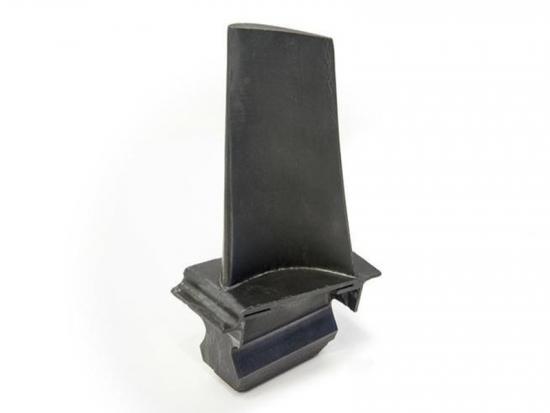
Características do Material Inconel 625 para Pás de Turbina
Propriedade | Especificação |
|---|---|
Temperatura Máxima de Operação | 980°C |
Resistência Máxima à Tração | ~930 MPa |
Limite de Escoamento | ~480 MPa |
Alongamento | ≥30% |
Resistência ao Fluência | Excelente até 800°C |
Resistência à Oxidação | Excepcional em ar e gases de exaustão |
Resistência à Corrosão | Excepcional em água do mar e ambientes ácidos |
Usinabilidade | Baixa, devido ao encruamento e tenacidade |
Aplicações Típicas de Pás de Turbina em Inconel 625
Pás de Rotor de Turbina a Gás: Suportam altas forças centrífugas e temperaturas superiores a 900°C em motores a jato comerciais e militares.
Pás de Turbina para Centrais Elétricas: Operam sob condições de vapor corrosivo, especialmente em turbinas a gás de ciclo combinado (CCGTs) e sistemas de recuperação de calor residual.
Turbinas de Propulsão Marinha: Resistam à corrosão e erosão induzidas por cloretos em sistemas de propulsão naval e geração de energia offshore.
Unidades Auxiliares de Potência (APUs): Fornecem potência consistente em sistemas APU aeroespaciais, equilibrando fadiga térmica e estabilidade à oxidação.
Solução de Usinagem CNC para Pás de Turbina em Inconel 625
Preparação do Bruto: Pás pré-fundidas ou forjadas em formato próximo ao final para minimizar a remoção de material e melhorar o alinhamento dos grãos.
Fixagem e Montagem: Gabaritos personalizados e fixadores multieixo projetados para evitar distorção e garantir posicionamento repetível para perfis complexos.
Seleção de Ferramentas: Ferramentas de metal duro de alto desempenho com revestimento TiAlN usadas para gerenciar calor e desgaste da ferramenta durante o corte do Inconel 625 endurecido.
Usinagem de Desbaste: Refrigerante de alta pressão e baixas velocidades de corte (~30–60 m/min) aplicadas durante o desbaste do perfil para reduzir o encruamento.
Usinagem de Acabamento: Fresamento CNC de 5 eixos garante geometria do perfil aerodinâmico dentro de ±0,01 mm e acabamento superficial abaixo de Ra 1,6 µm para eficiência aerodinâmica.
Perfuração e EDM: Orifícios de resfriamento por filme e características de fixação da raiz produzidos via micro-EDM ou perfuração de alta velocidade com ferramentas de CBN.
Alívio de Tensões: Tratamento térmico pós-usinagem opcional realizado para eliminar tensões residuais antes da inspeção final.
Inspeção e Controle de Qualidade: Inspeção por MMC verifica a geometria da pá; integridade superficial avaliada por líquido penetrante e END por Raios-X.
Resultados e Validação
Precisão Dimensional: Tolerância de ±0,01 mm alcançada no encaixe da raiz, espessura do perfil aerodinâmico e geometria do bordo de fuga.
Qualidade Superficial: Acabamento superficial final de Ra ≤1,6 µm melhorou a eficiência da turbina e reduziu o arrasto.
Integridade Mecânica: Nenhum defeito subsuperficial ou trinca observado na inspeção END; vida à fadiga estendida sob cargas operacionais simuladas.
Teste de Ciclo Térmico: As pás mantiveram estabilidade dimensional após 1000 ciclos térmicos de ambiente para 950°C.
Resistência à Corrosão: Excelente desempenho em ambientes simulados de exaustão e água salgada, sem detecção de pites ou erosão.
Perguntas Frequentes
Quais são os desafios associados à usinagem de pás de turbina em Inconel 625?
Como a Neway AeroTech alcança tolerâncias apertadas na geometria do perfil aerodinâmico?
As pás de Inconel 625 podem ser revestidas com TBC ou camadas anticorrosivas?
Quais indústrias mais se beneficiam das aplicações de pás de turbina em Inconel 625?
Quais métodos de inspeção são usados para verificar a qualidade da pá de Inconel após a usinagem?
