
Fabricante de Anéis de Bicos de Fundição por Cera Perdida em Liga de Alta Temperatura Especial
Introdução
Anéis de bicos fabricados com ligas especializadas de alta temperatura desempenham um papel crítico no desempenho de turbinas a gás, suportando temperaturas contínuas acima de 1100°C. Utilizando processos avançados de fundição por cera perdida a vácuo, a Neway AeroTech produz anéis de bicos com precisão dimensional de ±0,05 mm, excelentes acabamentos superficiais (Ra ≤1,6 µm) e consistência metalúrgica superior.
Empregando ligas padrão do setor, como Inconel e Hastelloy, a Neway AeroTech atende a critérios rigorosos de desempenho aeroespacial e industrial, garantindo durabilidade e confiabilidade sob condições operacionais severas.
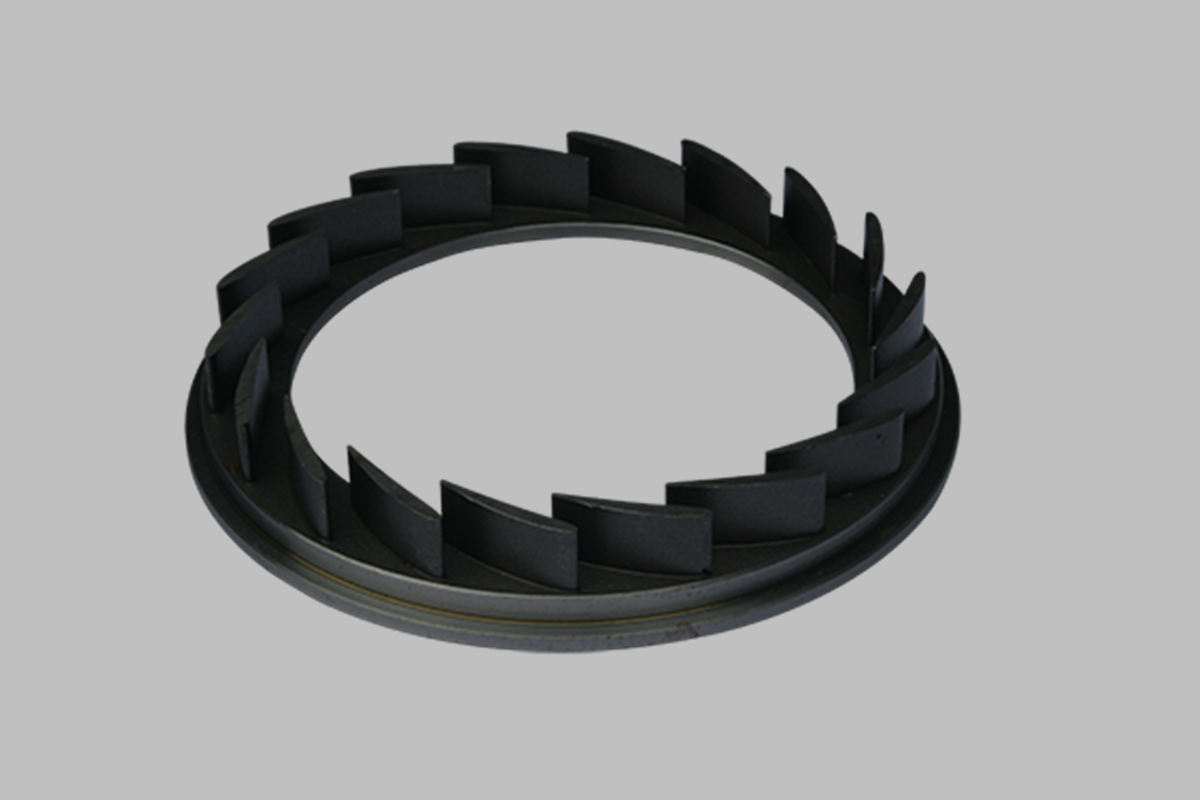
Principais Desafios de Fabricação para Anéis de Bicos de Liga de Alta Temperatura
A produção de anéis de bicos a partir de ligas de alta temperatura, como Inconel 713C e CMSX-4, envolve a superação de vários desafios técnicos:
Altos pontos de fusão (1300-1450°C) exigem fornos a vácuo especializados.
Alcançar precisão dimensional dentro de ±0,05 mm para características aerodinâmicas complexas.
Manter acabamentos superficiais superiores (Ra ≤1,6 µm) é essencial para eficiência aerodinâmica.
Controle preciso da estrutura de grãos (monocristal, direcional ou equiaxial) para otimizar a resistência ao fluência.
Processo de Fundição por Cera Perdida para Anéis de Bicos
O processo de fundição por cera perdida para anéis de bicos de liga de alta temperatura inclui:
Criação do Modelo de Cera: Modelos de cera de precisão são produzidos por usinagem CNC ou manufatura aditiva.
Formação da Casca Cerâmica: Múltiplas camadas de suspensão cerâmica e areia refratária revestem os modelos de cera para criar moldes.
Remoção da Cera (Dewaxing): Remoção da cera através de tratamento a vapor em autoclave a aproximadamente 150°C.
Fundição a Vácuo: Vazamento da liga fundida nos moldes sob alto vácuo (<0,01 Pa) para evitar impurezas e oxidação.
Solidificação Controlada: A solidificação direcional ou monocristal é gerenciada com precisão para melhorar a integridade estrutural.
Remoção da Casca e Acabamento: Métodos mecânicos e químicos para remover a casca cerâmica, seguidos de usinagem CNC para dimensões precisas.
Comparação dos Métodos de Fabricação de Anéis de Bicos
Método de Fabricação | Precisão Dimensional | Acabamento Superficial (Ra) | Controle da Estrutura de Grãos | Desempenho Mecânico | Eficiência de Custo |
|---|---|---|---|---|---|
Fundição por Cera Perdida a Vácuo | ±0,05 mm | ≤1,6 µm | Excelente | Superior | Médio |
Metalurgia do Pó | ±0,03 mm | ≤1,2 µm | Excelente | Superior | Alto |
Forjamento de Precisão | ±0,2 mm | ≤3,2 µm | Moderado | Bom | Médio |
Usinagem CNC | ±0,01 mm | ≤0,8 µm | Limitado | Bom | Alto |
Estratégia de Seleção do Método de Fabricação
A estratégia de seleção para fabricação de anéis de bicos inclui:
Fundição por Cera Perdida a Vácuo: Ideal para anéis de bicos que requerem formas intrincadas, tolerâncias apertadas (±0,05 mm), excelente qualidade superficial (Ra ≤1,6 µm) e estruturas de grãos complexas.
Metalurgia do Pó: Melhor para anéis de bicos que necessitam de resistência superior ao fluência e à fadiga com microestruturas muito finas e tolerâncias mais apertadas (±0,03 mm).
Forjamento de Precisão: Adequado para anéis de bicos com designs mais simples onde precisão dimensional moderada (±0,2 mm) e maior eficiência de produção são prioridades.
Usinagem CNC: Ideal para lotes de volume limitado, prototipagem ou operações de acabamento que requerem dimensões precisas (±0,01 mm) e acabamentos superficiais suaves.
Matriz de Desempenho de Liga de Alta Temperatura
Material da Liga | Faixa de Fusão (°C) | Temperatura de Serviço (°C) | Resistência à Tração (MPa) | Resistência à Oxidação | Aplicações Típicas |
|---|---|---|---|---|---|
1310-1355 | 950 | 1200 | Excepcional | Anéis de bicos de alta temperatura | |
1315-1345 | 1150 | 1250 | Superior | Anéis de bicos monocristal | |
1260-1355 | 900 | 860 | Superior | Anéis de bicos de combustor | |
1320-1360 | 950 | 1200 | Excelente | Bicos de turbina a gás | |
1320-1365 | 1150 | 1150 | Superior | Anéis de bicos de motores aeronáuticos | |
1260-1350 | 800 | 870 | Excelente | Bicos de válvulas e bombas |
Estratégia de Seleção de Material para Anéis de Bicos
As estratégias de seleção de material incluem:
Inconel 713C: Ideal para anéis de bicos operando em altas temperaturas (950°C), requerendo resistência superior à oxidação e resistência à tração (1200 MPa).
CMSX-4: Preferido para anéis de bicos monocristal que requerem resistência excepcional ao fluência e estabilidade em temperaturas de até 1150°C.
Hastelloy X: Selecionado para anéis de bicos de combustor devido à confiável resistência à corrosão em alta temperatura, resistência moderada (860 MPa) e serviço até 900°C.
Nimonic 90: Ideal para aplicações de bicos de turbina a gás que necessitam de excelente resistência mecânica (1200 MPa), resistência à oxidação e estabilidade operacional a 950°C.
Rene N5: Mais adequado para anéis de bicos de motores aeronáuticos que requerem resistência extraordinária à fadiga e ao fluência em temperaturas extremas (~1150°C).
Stellite 6: Escolhido para componentes de bicos, como válvulas e bombas, que exigem resistência ao desgaste, estabilidade de temperatura moderada (800°C) e resistência à tração (~870 MPa).
Principais Tecnologias de Pós-processamento
Etapas cruciais de pós-processamento para anéis de bicos:
Prensagem Isostática a Quente (HIP): Elimina porosidade interna, melhorando significativamente a vida útil à fadiga.
Revestimento de Barreira Térmica (TBC): Revestimentos cerâmicos (100-250 µm de espessura) reduzem a temperatura superficial, aumentando a longevidade.
Usinagem CNC de Precisão: Usinagem final alcançando tolerâncias de nível aeroespacial (±0,01 mm), vital para montagem de precisão.
Tratamento Térmico Controlado: Processos de recozimento e envelhecimento sob medida otimizam a microestrutura e as propriedades mecânicas.
Métodos de Teste e Garantia de Qualidade
A Neway AeroTech utiliza métodos avançados de controle de qualidade e teste para garantir que os anéis de bicos atendam aos rigorosos padrões aeroespaciais, incluindo:
Máquina de Medição por Coordenadas (CMM): Verificação dimensional precisa (±0,005 mm).
Inspeção por Raios-X: Detecção não destrutiva de defeitos internos e porosidade.
Microscopia Metalográfica: Avaliação microestrutural detalhada garantindo a integridade dos grãos.
Teste de Tração: Verificação de propriedades mecânicas, como resistência à tração e conformidade com o limite de escoamento.
Os procedimentos de qualidade aderem estritamente aos padrões de qualidade aeroespacial AS9100, abrangendo avaliações rigorosas e validações de desempenho à fadiga.
Estudo de Caso: Anéis de Bicos Monocristal CMSX-4
A Neway AeroTech forneceu anéis de bicos CMSX-4 para aplicações aeroespaciais usando fundição por cera perdida a vácuo e HIP, alcançando:
Temperatura Operacional: Serviço contínuo a 1150°C
Vida Útil à Fadiga: Melhorada em 40%
Precisão Dimensional: ±0,03 mm mantida consistentemente
Certificação: Conformidade com os padrões aeroespaciais AS9100
Perguntas Frequentes
Quais vantagens a fundição por cera perdida a vácuo oferece para a produção de anéis de bicos?
Quais superligas são ideais para aplicações de anéis de bicos de alta temperatura?
Quão precisas são as tolerâncias dimensionais alcançáveis com a fundição por cera perdida a vácuo?
Quais métodos de pós-processamento melhoram a vida útil à fadiga e a resistência térmica dos anéis de bicos?
Como a seleção de material influencia o desempenho dos anéis de bicos em ambientes extremos?
